
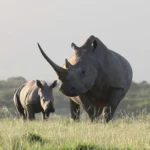
Rhino Sanctuaries in Ol Pejeta and Lake Nakuru
July 8, 2026
Sheldrick Elephant Orphanage
July 8, 2026
Rewilding Project
The rewilding project is one of the most inspiring conservation initiatives in modern wildlife management. Its main goal is to restore natural ecosystems by reintroducing wildlife species that once lived in specific habitats but disappeared because of human activities, habitat loss, or other environmental challenges. Among the most important species involved in many rewilding programs are rhinos and giraffes. Their return to protected landscapes helps rebuild healthy ecosystems while creating new opportunities for conservation, research, and sustainable tourism.
Rewilding goes beyond simply moving animals from one location to another. It is a carefully planned conservation process that aims to restore ecological balance. Every animal introduced into a protected area plays a valuable role in supporting biodiversity. Rhinos and giraffes contribute differently to their habitats, and together they help maintain healthy vegetation, improve ecosystem functions, and increase wildlife diversity.
For visitors, a rewilding project offers more than a traditional safari experience. It provides an opportunity to witness conservation in action and understand how dedicated efforts can restore wildlife populations. Tourists gain a deeper appreciation for the importance of protecting endangered species while supporting destinations that invest in long-term environmental sustainability.
The successful reintroduction of rhinos and giraffes also creates hope for the future of wildlife conservation. Every thriving population demonstrates that carefully managed conservation programs can reverse years of decline and give endangered animals a second chance in their natural environments.
As conservation continues to evolve across Africa, rewilding projects have become symbols of resilience, collaboration, and responsible wildlife management. They highlight the positive impact that conservation organizations, governments, local communities, and responsible tourism can achieve when working toward a common goal of protecting nature for future generations.
Understanding the Purpose of Rewilding
The primary purpose of a rewilding project is to restore ecosystems by bringing back wildlife species that once formed part of the natural environment. When important animals disappear from an ecosystem, many natural processes become disrupted. Reintroducing those species helps restore ecological balance and allows nature to function more effectively.
Rhinos and giraffes each contribute to healthy ecosystems in different ways. Giraffes browse on leaves from tall trees and shrubs, helping shape vegetation and encouraging healthy plant growth. Their feeding habits prevent certain trees from becoming overly dominant while creating space for new vegetation to flourish.
Rhinos also play an important ecological role. As they move through grasslands and woodland habitats, they influence plant growth and create pathways used by many other animals. Their grazing activities help maintain open landscapes that benefit numerous wildlife species.
Rewilding projects carefully assess suitable habitats before introducing animals. Conservation teams ensure that food, water, shelter, and security are available to support healthy wildlife populations. This careful planning increases the chances of successful adaptation and long-term survival.
The ultimate objective extends beyond increasing animal numbers. Rewilding seeks to restore complete ecosystems where wildlife, vegetation, and natural processes exist in harmony. Healthy ecosystems support greater biodiversity, stronger environmental resilience, and improved opportunities for conservation-based tourism.
Every successful rewilding project demonstrates that restoring nature is possible when scientific knowledge, conservation experience, and responsible management work together.
Reintroducing Rhinos into Protected Habitats
Rhinos remain among Africa’s most endangered large mammals, making their reintroduction one of the highest priorities in many rewilding projects. Their return to protected landscapes represents an important milestone in wildlife conservation and ecosystem restoration.
Before reintroduction begins, conservation experts identify habitats that provide suitable food sources, sufficient water, and secure protection. Every rhino undergoes careful health assessments to ensure it can safely adapt to its new environment. Wildlife veterinarians, conservation specialists, and monitoring teams work together throughout the entire process.
Once released into protected habitats, rhinos gradually become familiar with their surroundings. Conservation teams continue monitoring their movements, feeding behavior, and overall health to ensure successful adaptation. This close observation allows experts to respond quickly if any challenges arise during the transition.
The presence of rhinos benefits the wider ecosystem. Their grazing influences vegetation growth while their movements create natural pathways used by smaller animals. These ecological contributions support greater biodiversity and healthier landscapes.
Visitors who observe reintroduced rhinos gain a unique appreciation for conservation success. Every rhino sighting represents years of planning, dedication, and collaboration among wildlife professionals committed to protecting endangered species.
Reintroducing rhinos also strengthens conservation awareness among local communities and international visitors. Their successful return demonstrates that endangered wildlife can recover when given proper protection and suitable habitats.
Through careful planning and long-term commitment, rewilding projects continue giving rhinos new opportunities to thrive within Africa’s protected wilderness.
Restoring Giraffe Populations Through Rewilding
Giraffes are another important species included in many rewilding initiatives. Their graceful appearance and unique feeding habits make them valuable contributors to healthy ecosystems. Reintroducing giraffes helps restore natural ecological interactions while increasing wildlife diversity within protected areas.
Giraffes primarily feed on leaves, shoots, and young branches from tall trees and shrubs. Their browsing helps control vegetation growth while encouraging healthy regeneration of plants. This natural process creates balanced habitats that support many other wildlife species.
Like rhinos, giraffes undergo thorough health assessments before relocation. Conservation experts carefully select individuals suitable for transport and ensure they can adapt successfully to their new environment. Safe transportation methods minimize stress while protecting the animals throughout the journey.
Following release, giraffes gradually explore their new surroundings and establish feeding patterns within their habitat. Monitoring teams continue observing their movements, health, and social interactions to ensure successful integration.
The return of giraffes significantly enriches wildlife viewing opportunities for tourists. Visitors enjoy watching these gentle giants move gracefully across the landscape while feeding among tall acacia trees and open woodlands.
Giraffes also contribute to educational tourism by helping visitors understand the importance of biodiversity and ecosystem restoration. Their presence demonstrates how wildlife conservation extends beyond protecting individual animals to restoring complete ecological systems.
Successful giraffe reintroductions therefore strengthen both conservation outcomes and sustainable tourism while enhancing the natural beauty of protected landscapes.
Conservation Benefits of Rewilding Projects
Rewilding projects generate numerous conservation benefits that extend far beyond the individual species being reintroduced. Every successful project contributes to healthier ecosystems, increased biodiversity, and stronger environmental resilience.
Restoring rhinos and giraffes helps rebuild natural ecological relationships that support countless other plant and animal species. Healthy wildlife populations encourage balanced vegetation, improve habitat quality, and strengthen ecosystem stability.
Rewilding also supports scientific research. Conservationists continuously study animal behavior, habitat adaptation, breeding success, and ecological impacts. These findings improve future conservation planning while providing valuable knowledge for wildlife management across Africa.
Education forms another major benefit. Visitors gain firsthand experience of conservation in action while learning about the challenges facing endangered species. Guided tours, interpretive programs, and wildlife experiences inspire greater appreciation for environmental protection.
Local communities also benefit from successful rewilding projects. Increased tourism creates employment opportunities while encouraging sustainable economic activities linked to conservation. Communities become valuable partners in protecting wildlife and preserving natural resources.
Protected ecosystems additionally contribute to climate resilience by maintaining healthy vegetation, supporting biodiversity, and preserving ecological balance. These environmental benefits extend well beyond the boundaries of individual conservation areas.
The combined impact of these conservation outcomes demonstrates why rewilding has become one of Africa’s most important wildlife restoration strategies.
Tourism and the Future of Rewilding
Rewilding projects create exciting opportunities for nature-based tourism. Visitors increasingly seek meaningful travel experiences that allow them to witness conservation while enjoying remarkable wildlife encounters. Protected areas that successfully reintroduce rhinos and giraffes attract travelers interested in both adventure and environmental stewardship.
Game drives provide opportunities to observe newly established wildlife populations while learning about ongoing conservation efforts. Experienced guides explain the history of rewilding projects, the importance of species restoration, and the ecological roles played by rhinos and giraffes.
Photography enthusiasts especially appreciate these destinations because restored wildlife populations create excellent opportunities for capturing memorable images. Every sighting reflects years of conservation work and successful habitat management.
Tourism revenue generated through responsible travel directly supports conservation programs. Park fees, guided activities, and visitor services help fund wildlife protection, habitat management, scientific research, and community engagement initiatives.
As more travelers recognize the value of sustainable tourism, rewilding projects continue gaining international attention. They demonstrate that tourism and conservation can work together to create positive environmental outcomes while delivering unforgettable visitor experiences.
The future of rewilding remains promising as conservation organizations continue restoring wildlife populations across Africa. Every successful project contributes to healthier ecosystems while inspiring future generations to value and protect the continent’s extraordinary natural heritage.
Conclusion
The rewilding project represents a remarkable commitment to restoring Africa’s natural ecosystems through the reintroduction of rhinos and giraffes. These carefully managed conservation initiatives demonstrate how science, dedication, and responsible environmental management can reverse wildlife decline and rebuild healthy habitats.
The return of rhinos strengthens endangered species conservation while helping restore ecological balance within protected landscapes. At the same time, giraffes enrich biodiversity through their natural browsing habits and contribute to healthier vegetation. Together, these iconic animals play essential roles in maintaining vibrant ecosystems that support countless other species.
For visitors, rewilding projects provide more than exceptional wildlife viewing. They offer inspiring opportunities to witness conservation success, learn about ecosystem restoration, and appreciate the importance of protecting Africa’s wildlife. Every safari becomes more meaningful when travelers understand the efforts behind each successful wildlife reintroduction.
Rewilding also highlights the strong connection between conservation and sustainable tourism. Responsible visitors directly support wildlife protection while helping secure the future of endangered species and their habitats. Their contributions encourage continued investment in conservation programs that benefit both wildlife and local communities.
Adira Safaris Africa proudly invites travelers to discover the inspiring story of rewilding projects and experience firsthand the remarkable return of rhinos and giraffes to their natural homes. Every visit celebrates the resilience of nature and the shared commitment to protecting Africa’s extraordinary wildlife heritage for generations to come.