
Buligi Cobra Density in Murchison Falls National Park
May 1, 2026
Rwonyo Camp Leopards in Kidepo Valley National Park
May 1, 2026
Mweya Peninsula Leopard Den in Queen Elizabeth National Park
Queen Elizabeth National Park is one of Uganda’s most celebrated safari destinations. The park is famous for its wide savannah plains, crater lakes, rich birdlife, tree-climbing lions, and excellent predator sightings. Among the many wildlife highlights found in this remarkable park, the Mweya Peninsula leopard den stands out as one of the most exciting stories for travelers and nature lovers. Leopards are secretive, intelligent, and highly skilled hunters. Seeing one in the wild often feels like a rare reward. Knowing that some of these beautiful cats live close to a lodge on the Mweya Peninsula makes the experience even more thrilling.
The Mweya Peninsula sits in a strategic part of Queen Elizabeth National Park. It stretches between Lake Edward, the Kazinga Channel, and surrounding savannah landscapes. This mix of water, grassland, bush cover, and prey species creates ideal habitat for leopards. The peninsula has long attracted wildlife because it offers food, shelter, and access to water. For leopards, it also provides rocky hideouts, dense vegetation, and quiet resting places. These conditions allow them to establish dens and raise cubs while remaining hidden from larger predators and daytime disturbance.
Visitors staying around Mweya often hear stories of leopards moving near lodges after dark, crossing tracks at dawn, or resting in thickets during the day. This close relationship between wildlife and safari accommodation adds excitement to every stay. Guests know that one of Africa’s most elusive predators may be nearby, unseen but present.
The phrase “these cats live in this lodge” usually reflects how comfortable leopards have become around the Mweya lodge area. It does not mean they are domestic animals. They remain fully wild and independent. They simply use the surrounding habitat as part of their natural territory. Adira Safaris Africa proudly introduces guests to the wonders of Queen Elizabeth National Park and the fascinating story of the Mweya Peninsula leopard den through safe, respectful, and unforgettable safari experiences.
Where Mweya Peninsula is Located in Queen Elizabeth National Park
Mweya Peninsula lies in the central section of Queen Elizabeth National Park in western Uganda. It is one of the most scenic and wildlife-rich areas in the park. The peninsula extends into the meeting zone of Lake Edward and the Kazinga Channel. This position gives visitors spectacular views of water, open plains, and distant hills. It also places them in the center of one of the park’s most productive ecosystems.
The area is famous for Mweya Safari Lodge and several game tracks that pass through excellent wildlife viewing zones. Elephants, buffaloes, warthogs, antelopes, and numerous bird species often roam the peninsula. Hippos and crocodiles dominate nearby waters. Predators such as lions, hyenas, and leopards also move through the region, attracted by abundant prey and strong cover.
Mweya’s combination of bush patches, rocky edges, euphorbia vegetation, and quiet corners makes it suitable leopard habitat. Leopards need places where they can rest unseen during daylight hours. They also need access to prey and routes for moving silently at night. Mweya Peninsula offers all these needs in a relatively compact area.
Its location also makes it one of the best safari bases in Uganda. Guests can enjoy morning game drives, afternoon boat cruises on the Kazinga Channel, birding excursions, crater lake visits, and sunset views without long transfers. The possibility of leopard sightings near the lodge area adds extra value to any stay.
For travelers, Mweya Peninsula offers comfort and wilderness in one destination. Adira Safaris Africa carefully plans safari itineraries that allow guests to explore this iconic section of Queen Elizabeth National Park while enjoying quality accommodation and expert guiding throughout the journey.
Why Leopards Choose the Mweya Peninsula for a Den
Leopards select den sites with great care. A good den offers security, shade, nearby prey, and easy escape routes. The Mweya Peninsula provides all these advantages. This explains why leopards continue to use the area as part of their home range and, in some cases, establish dens nearby.
Security is one of the main reasons. Leopards prefer hidden places where cubs can remain safe during their early weeks of life. Dense shrubs, rocky crevices, thick vegetation, or sheltered gullies can all serve as ideal den sites. Mweya contains several natural features that help leopards remain concealed from lions, hyenas, and human activity.
Food availability is another major factor. The peninsula supports healthy numbers of warthogs, kob, bushbuck, monitor lizards, and smaller animals. Leopards hunt a wide range of prey depending on opportunity. Living near prey-rich zones reduces travel effort and improves survival chances for both adults and cubs.
Water access also matters. The proximity of Lake Edward and the Kazinga Channel ensures that wildlife remains active in the region year-round. Herbivores gather near these water systems, and predators follow them. This natural cycle benefits resident leopards.
Leopards are also highly adaptable around lodges when people behave responsibly. They may tolerate nearby buildings because lodges often sit within well-protected conservation zones where hunting pressure and disturbance remain low. Human presence can even discourage larger competing predators from entering certain immediate spaces too often.
Still, these cats do not “belong” to the lodge. They belong to the ecosystem. They simply use the surrounding landscape according to their natural instincts. Adira Safaris Africa helps travelers understand this balance, showing that the Mweya Peninsula leopard den is a symbol of successful wildlife conservation and coexistence in Queen Elizabeth National Park.
What Visitors Experience Near the Mweya Leopard Territory
Staying on the Mweya Peninsula creates a sense of constant anticipation. Guests know they are sleeping inside genuine leopard territory. Even if the cats remain hidden, their presence changes the mood of the safari. Every rustle in the bushes, fresh track on a road, or alarm call from antelope may signal that a leopard is nearby.
Early morning offers some of the best chances for sightings. Leopards often hunt at night and return to cover at dawn. Guests leaving for sunrise game drives may spot one crossing the road, climbing a slope, or carrying prey. The cool morning light also provides excellent photography conditions.
Evening is another rewarding time. As temperatures drop, leopards begin to stir. Visitors on late drives sometimes see them emerging from thickets or moving along tracks with silent confidence. Their spotted coats glow beautifully in golden sunset light.
Around lodge grounds, guests may hear stories from guides or staff about recent sightings. Some travelers have seen leopards passing near the perimeter, walking between bushes, or resting at a distance. Such moments are always handled with caution and respect. No one approaches on foot, and safety protocols remain important.
The excitement of leopard country extends beyond direct sightings. Guests often enjoy studying tracks, scratch marks, and signs of kills hoisted into trees. These clues reveal leopard behavior and make the safari feel immersive.
Adira Safaris Africa ensures that visitors enjoy these experiences through professional guiding and responsible wildlife viewing practices. Whether you see a leopard clearly or only sense its presence, time spent near the Mweya Peninsula leopard den becomes one of the most memorable parts of a Uganda safari.
Best Time to See Leopards on Mweya Peninsula
Leopards live in Queen Elizabeth National Park throughout the year, but certain seasons and times of day improve the chances of sightings. Because leopards are elusive, planning well can make a big difference.
The dry seasons, usually from December to February and from June to September, often provide the best viewing conditions. Grass becomes shorter, roads stay more accessible, and prey animals gather around water sources. This movement can make predator activity easier to predict. Leopards may also use open tracks more often when vegetation is thinner.
Morning game drives are highly recommended. After nighttime hunting, leopards sometimes remain active during the first light of day. They may cross roads, drag prey, or seek daytime shelter. Cool temperatures support movement before the heat rises.
Late afternoon and early evening also offer strong opportunities. As shadows lengthen, leopards become more active again. Many experienced guides focus on rocky outcrops, dense bushes, and quiet tracks where these cats may appear.
Wet seasons bring lush beauty and excellent birding. However, thicker vegetation can hide leopards more easily. Sightings still happen, but patience becomes even more important. The reward can be exceptional because the landscape looks vibrant and dramatic.
Travelers should remember that leopard sightings are never guaranteed. Their secretive nature is part of what makes them so special. A longer stay of two or more nights on Mweya Peninsula increases chances significantly.
Adira Safaris Africa designs tailored safari programs with proper timing, expert guides, and strategic game drives to maximize opportunities. We help guests enjoy not only leopard searches but also the full richness of Queen Elizabeth National Park.
Why Mweya Peninsula is Perfect for a Complete Safari Experience
Mweya Peninsula offers much more than leopard stories. It is one of the best all-round safari bases in East Africa. Visitors can combine predator tracking, water safaris, birding, scenic views, and relaxation in one location.
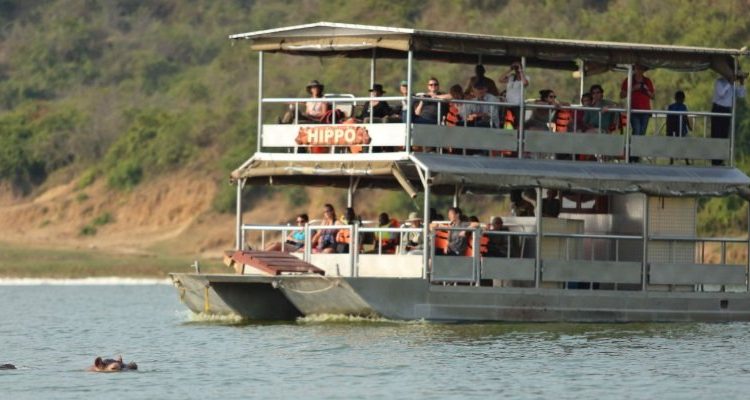
The famous Kazinga Channel boat cruise begins nearby and ranks among Uganda’s top wildlife activities. Guests often see hippos in large numbers, crocodiles on the banks, elephants drinking, buffaloes cooling in mud, and countless birds. This water-based safari complements land game drives perfectly.
The peninsula also gives quick access to Kasenyi Plains, another excellent wildlife area known for lions, antelope herds, and open savannah scenery. Crater lakes around the wider region add beauty and geological interest. Cultural visits and chimpanzee trekking in nearby Kyambura Gorge can also be included.
Accommodation on Mweya Peninsula often features sweeping views, comfort, and close contact with nature. Watching sunset over the channel after a day searching for leopards creates a truly memorable safari rhythm.
Because of its central location, Mweya works well for couples, families, photographers, birders, and first-time safari visitors. It blends accessibility with authentic wilderness.
Adira Safaris Africa uses Mweya Peninsula as a premium safari hub for many Uganda itineraries. Guests benefit from smooth logistics, diverse activities, and the exciting possibility of encountering one of the peninsula’s resident leopards. Few destinations offer so much variety in one beautiful setting.
Plan Your Mweya Leopard Safari with Adira Safaris Africa
The Mweya Peninsula leopard den story captures the mystery and beauty of Queen Elizabeth National Park. These elegant cats live quietly within the landscape, using bush cover, prey-rich plains, and hidden shelters around the peninsula. Their presence adds suspense, excitement, and prestige to every safari stay.
Adira Safaris Africa specializes in expertly crafted Uganda safaris that showcase the very best of Queen Elizabeth National Park. We arrange transport, accommodation, game drives, boat cruises, cultural visits, and personalized wildlife experiences for travelers of all interests and budgets.
Guests can combine Mweya leopard searches with tree-climbing lions in Ishasha, gorilla trekking in Bwindi, chimpanzee trekking, or Murchison Falls adventures for a complete Uganda journey. Our professional guides understand animal behavior, seasonal movement, and the best viewing areas to improve your safari success.
We focus on comfort, safety, authentic experiences, and responsible tourism. Every itinerary is designed to create lasting memories while supporting conservation and local communities.
If you dream of staying where leopards roam nearby and waking to the sounds of Africa, Mweya Peninsula is the place to be. Let Adira Safaris Africa guide you to Queen Elizabeth National Park for a safari filled with beauty, wildlife, and unforgettable moments.