

Culture in Ngorongoro
July 24, 2026
Oldupai Gorge, Tanzania
July 25, 2026
Mahale National Park
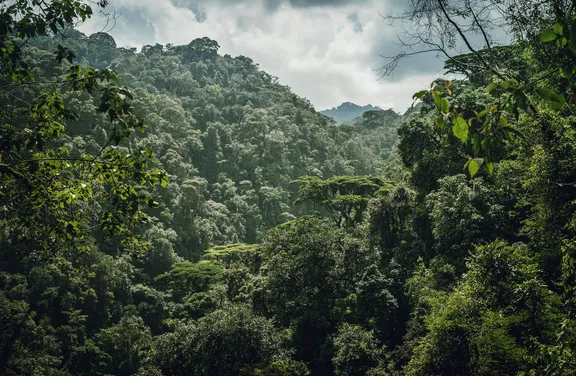
Mahale National Park is one of Tanzania’s most spectacular and remote tourist destinations. Located on the eastern shores of Lake Tanganyika in western Tanzania, the park offers a rare combination of breathtaking mountain landscapes, dense tropical forests, crystal-clear freshwater beaches, and incredible wildlife encounters. Covering approximately 1,650 square kilometers, Mahale National Park is best known for its large population of wild chimpanzees, making it one of the finest places in Africa for chimpanzee trekking. Unlike many other safari destinations that focus on the Big Five, Mahale offers a unique adventure where visitors explore lush forests, hike scenic mountain trails, and observe primates in their natural habitat. Its remote location and untouched wilderness make it an ideal destination for travelers seeking an exclusive and authentic African safari experience.
One of the biggest attractions in Mahale National Park is chimpanzee trekking. The park is home to over 1,000 wild chimpanzees, including the famous Mimikire community, which has been studied by researchers for decades. Guided trekking expeditions take visitors deep into the forest in search of these intelligent primates. Watching chimpanzees feed, groom each other, communicate through vocalizations, and swing effortlessly through the trees is an unforgettable experience. Since chimpanzees move freely in the forest, each trek is different and offers a sense of adventure. Professional park guides and experienced trackers help visitors locate the chimpanzees while sharing fascinating information about their behavior, social structures, and conservation efforts. Chimpanzee trekking in Mahale is considered one of Tanzania’s most rewarding wildlife experiences and is often the main reason travelers visit the park.
Apart from chimpanzees, Mahale National Park supports a rich variety of wildlife and birdlife. The forest is home to several other primate species, including red colobus monkeys, red-tailed monkeys, blue monkeys, vervet monkeys, and olive baboons. Bushbucks, bush pigs, warthogs, duikers, and other small mammals can also be spotted within the park. Although Mahale does not have the large concentrations of plains game found in Serengeti National Park, its diverse ecosystems provide excellent opportunities for nature lovers and wildlife enthusiasts. Birdwatchers can enjoy observing more than 350 bird species, including African fish eagles, kingfishers, hornbills, palm-nut vultures, and colorful forest birds. The combination of forest wildlife, mountain scenery, and lakeside habitats makes Mahale an exceptional destination for biodiversity.
Lake Tanganyika, the world’s longest freshwater lake and the second-deepest lake on Earth, adds another remarkable dimension to a visit to Mahale National Park. Its clear blue waters provide excellent opportunities for swimming, kayaking, snorkeling, and sport fishing. Visitors can relax on the park’s peaceful sandy beaches after a morning of chimpanzee trekking or take a boat cruise to admire the stunning scenery along the shoreline. The lake is home to hundreds of colorful cichlid fish species, many of which are found nowhere else in the world. The calm waters and beautiful mountain backdrop create a peaceful atmosphere that is rarely found in other safari destinations. Many travelers consider Mahale one of the few places where they can combine wildlife adventures with a relaxing beach experience.
The Mahale Mountains dominate the park’s landscape and offer excellent hiking opportunities for adventurous travelers. The highest peak, Mount Nkungwe, rises to over 2,460 meters above sea level and provides spectacular panoramic views of Lake Tanganyika and the surrounding forests. Hiking trails pass through dense tropical vegetation, flowing streams, waterfalls, and scenic viewpoints. Along the way, visitors may encounter various wildlife species while enjoying the peaceful sounds of the forest. These mountain hikes provide a rewarding experience for nature enthusiasts who want to explore beyond the chimpanzee trails and appreciate the park’s incredible natural beauty.
Mahale National Park is also rich in cultural heritage. The park takes its name from the Mahale Mountains, which are considered spiritually significant by the local Tongwe people, who lived in the region long before the park was established. Today, visitors can learn about the history, traditions, and cultural connection between local communities and the surrounding environment through guided cultural experiences in nearby villages outside the park. These visits provide valuable insight into traditional lifestyles, local customs, and conservation efforts that help protect this unique ecosystem while benefiting surrounding communities.
Because of its remote location, reaching Mahale National Park is part of the adventure. Most visitors travel by scheduled or charter flights to nearby airstrips before continuing by boat across Lake Tanganyika to the park. Although the journey requires careful planning, the reward is an uncrowded wilderness where visitors can enjoy nature in complete tranquility. Luxury safari lodges and eco-friendly camps provide comfortable accommodation while maintaining a low environmental impact. Their secluded locations allow guests to experience the sights and sounds of the African wilderness in a peaceful setting.
The best time to visit Mahale National Park is during the dry season from June to October, when chimpanzees tend to remain on the lower forest slopes, making them easier to locate. Trails are also drier and more comfortable for trekking. The wet season, from November to May, transforms the forest into a lush green paradise with excellent birdwatching opportunities, although hiking trails may become more challenging. Regardless of the season, Mahale National Park offers an extraordinary safari experience that combines wildlife, stunning landscapes, freshwater adventures, and cultural encounters. For travelers seeking an unforgettable destination beyond the traditional safari circuit, Mahale National Park remains one of Tanzania’s hidden gems and a must-visit destination.