
Hadzabe Bushmen in Serengeti
July 24, 2026
Mahale National Park
July 24, 2026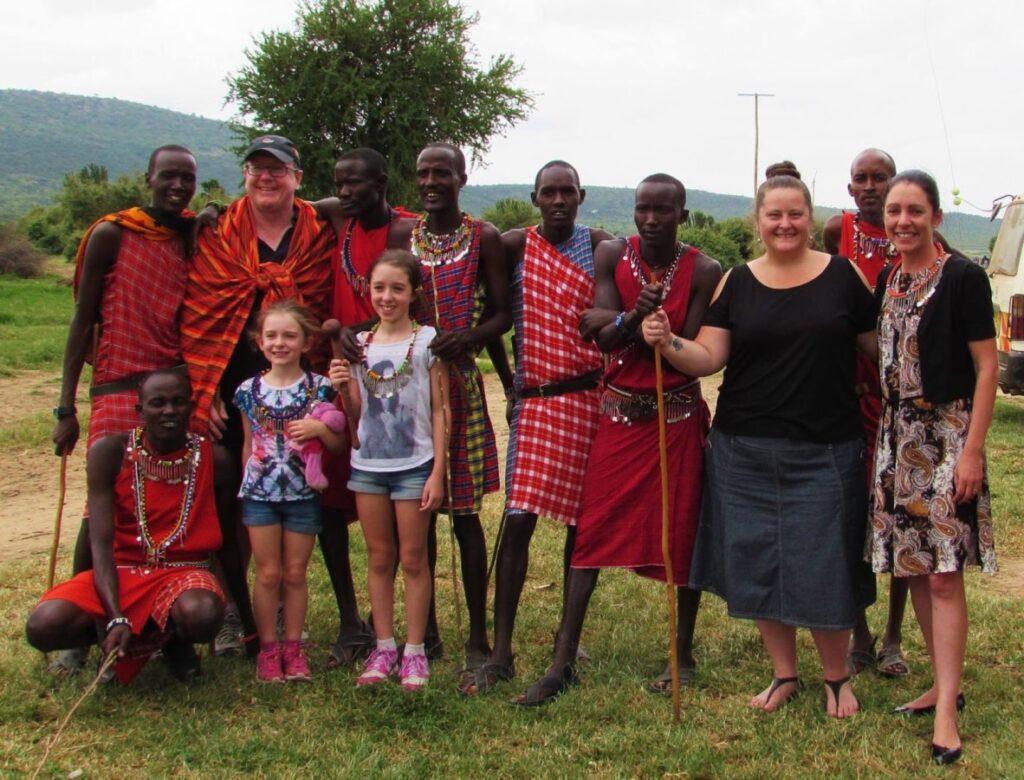
Culture in Ngorongoro
The Ngorongoro Conservation Area is not only one of Tanzania’s most spectacular wildlife destinations but also a place rich in cultural heritage. Unlike many national parks where human settlement is prohibited, Ngorongoro is home to several indigenous communities that have lived in harmony with nature for generations. This unique coexistence between people, wildlife, and the environment makes Ngorongoro one of the few places in Africa where visitors can enjoy both an exceptional safari and an authentic cultural experience. Tourists who visit the area have the opportunity to interact with local communities, learn about their traditions, and gain a deeper appreciation of Tanzania’s diverse cultural heritage.
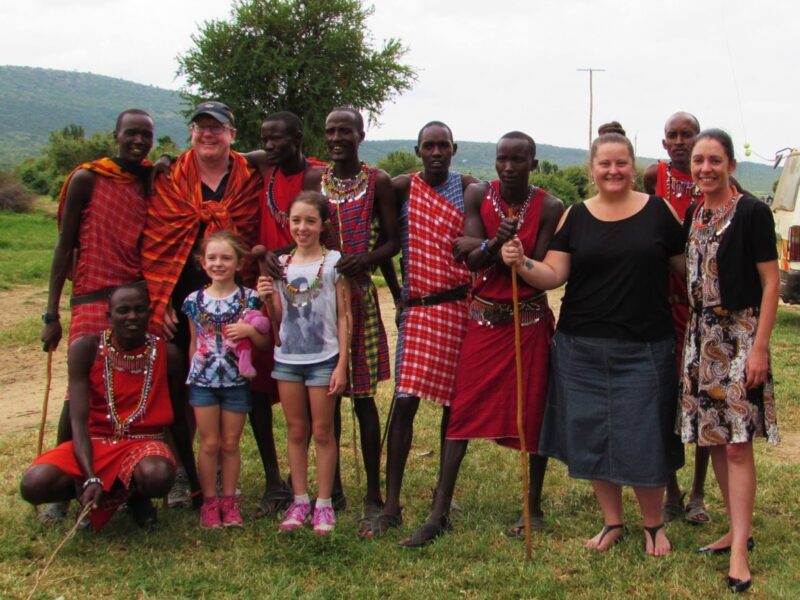
The Maasai people are the most well-known indigenous community in the Ngorongoro Conservation Area. They are famous for their colorful red clothing, intricate beadwork, traditional dances, and strong connection to livestock. For centuries, the Maasai have practiced a semi-nomadic pastoral lifestyle, relying mainly on cattle, goats, and sheep for their livelihood. Their customs, beliefs, and way of life have been preserved through generations, making them one of East Africa’s most iconic cultural groups. Visiting a Maasai village gives travelers the chance to experience daily life in the community while learning about their customs, social structure, and traditions.
One of the highlights of a cultural visit is participating in a guided tour of a traditional Maasai boma, which is a homestead built using natural materials such as mud, sticks, and grass. During the visit, local guides explain how families live together, how homes are constructed, and the important role that cattle play in Maasai culture. Visitors also learn about traditional ceremonies, marriage customs, and the responsibilities of different members of the community. These firsthand experiences provide valuable insight into a culture that continues to thrive despite the changes of the modern world.
Tourists are often welcomed with energetic traditional songs and the famous Maasai jumping dance, known as Adumu. Young warriors perform impressive vertical jumps while singing in rhythm, showcasing their strength, endurance, and cultural pride. Visitors are usually invited to join the dance, creating a fun and memorable interaction with the local community. These performances are not only entertaining but also represent an important part of Maasai identity and social traditions.
Another rewarding aspect of cultural tourism in Ngorongoro is exploring the community’s traditional craftsmanship. Maasai women create beautiful handmade beadwork, including necklaces, bracelets, earrings, belts, and decorative ornaments. Each design and color combination carries cultural meaning and reflects different stages of life or social status. Visitors can purchase these handmade souvenirs directly from local artisans, supporting community livelihoods while taking home a meaningful reminder of their journey. Other locally made crafts, such as carved wooden items and woven baskets, also showcase the artistic skills of the people living in the region.
Cultural visits also provide opportunities to learn about traditional medicine, local food preparation, and livestock management. Community members explain how they use medicinal plants found in the surrounding landscape to treat common illnesses and maintain good health. Visitors may also observe traditional methods of milking cattle, preparing local meals, and preserving food. These demonstrations highlight the close relationship between the Maasai people and the natural environment, which has sustained them for generations.
Beyond the Maasai, the Ngorongoro region is also home to other indigenous groups, including the Hadzabe and Datoga, who can be visited on excursions around nearby Lake Eyasi. These communities offer additional cultural experiences, allowing visitors to learn about traditional hunting, blacksmithing, and ancient survival skills. Combining these visits with a Ngorongoro safari creates a richer understanding of the region’s cultural diversity and history.
A cultural experience in Ngorongoro perfectly complements the area’s famous wildlife safaris. After exploring the breathtaking Ngorongoro Crater and spotting the Big Five, visitors can connect with the people who have shared this remarkable landscape with wildlife for centuries. The combination of stunning scenery, abundant wildlife, and authentic cultural encounters makes Ngorongoro one of Tanzania’s most rewarding travel destinations. Respectful interaction with local communities creates unforgettable memories while supporting sustainable tourism and helping preserve the traditions and heritage of the people who call Ngorongoro home.