
Understanding the Food Chain of Wildlife
April 24, 2026
Muhavura Volcano Crater in Mgahinga Gorilla National Park
April 25, 2026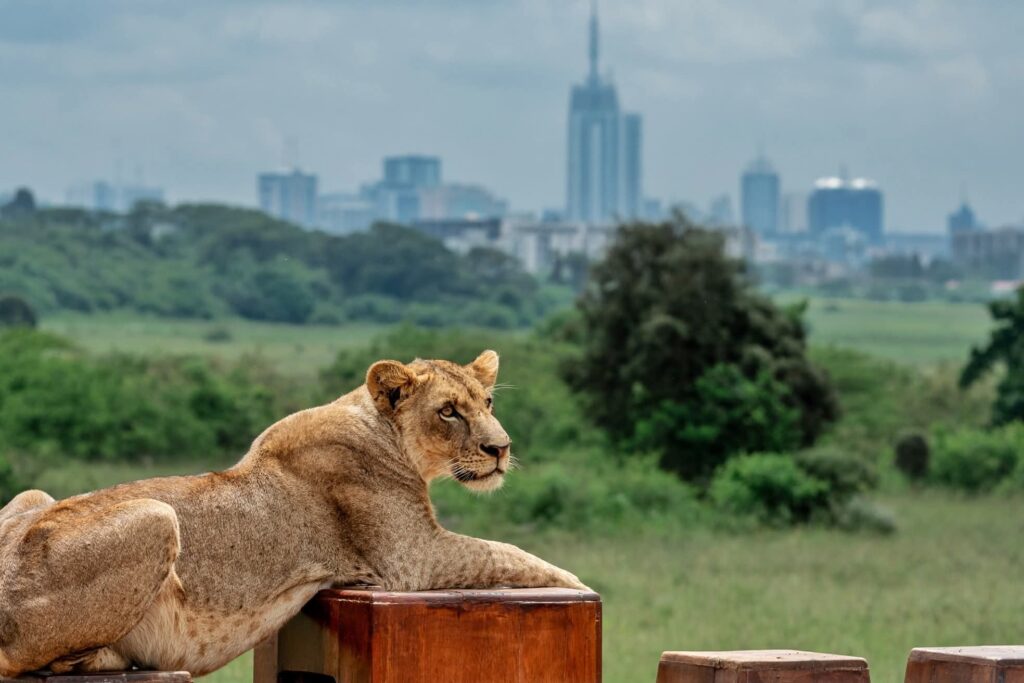
How to Interact with Wildlife Safely and Responsibly
Wildlife interaction remains one of the most exciting parts of any safari experience. Travelers visit destinations such as Queen Elizabeth National Park and Bwindi Impenetrable National Park to observe animals in their natural habitats. Some animals may appear calm or even friendly. This behavior can make visitors feel comfortable and eager to interact more closely. However, true wildlife interaction does not mean physical contact. It means observing, respecting, and understanding animals without disturbing their natural behavior. Safe interaction protects both the visitor and the wildlife. It also ensures that future generations can enjoy the same authentic experiences.
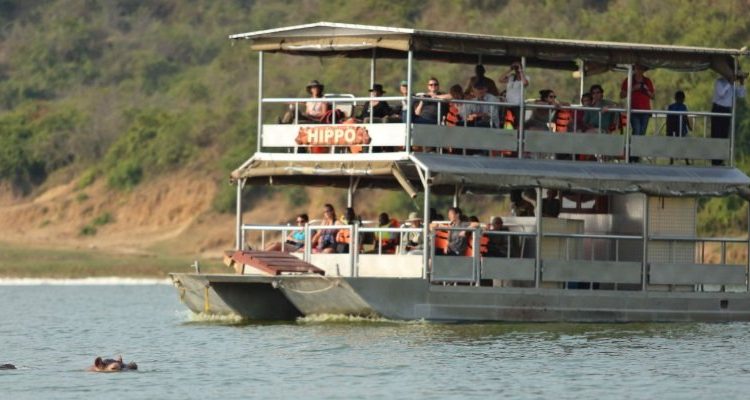
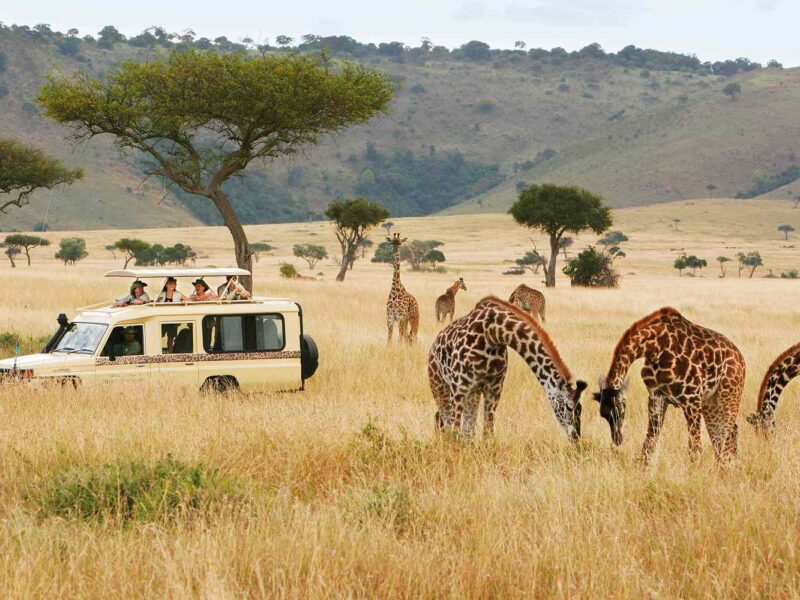
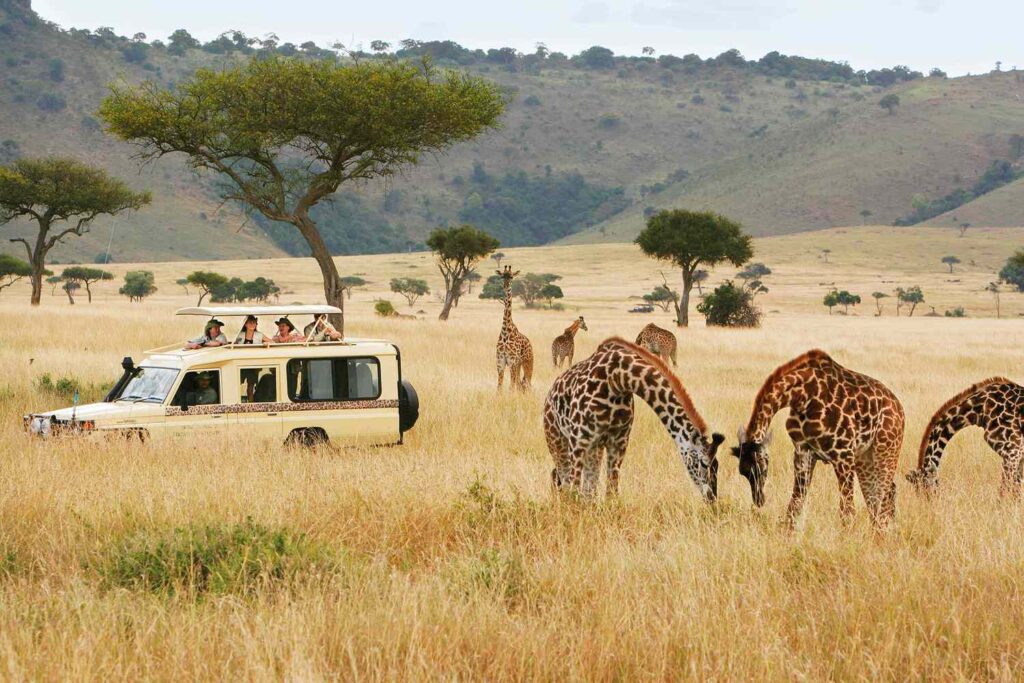
Animals in the wild do not behave like domesticated pets. Even when they seem relaxed, they remain unpredictable. A calm elephant or a curious antelope may react suddenly when they feel threatened. Visitors must keep a safe distance at all times. This rule applies in all protected areas, including Murchison Falls National Park and Kidepo Valley National Park. Tour guides understand animal behavior and help visitors maintain safe viewing distances. Following their instructions reduces risks and enhances the overall safari experience. Observing animals quietly from a distance allows you to witness natural behaviors such as feeding, grooming, and social interaction.
Understanding animal behavior plays a key role in safe wildlife interaction. Each species shows signs that indicate comfort, stress, or aggression. For example, elephants may flap their ears or raise their trunks when they feel uneasy. Buffaloes may stare directly and stamp their feet as a warning. Recognizing these signs helps visitors respond appropriately. In Queen Elizabeth National Park, guides often explain these signals during game drives. This knowledge allows travelers to appreciate wildlife without causing disturbance. It also builds a deeper connection with nature based on respect rather than interference.
Keeping a respectful distance protects animals from unnecessary stress. Wildlife depends on natural routines for survival. Human interference can interrupt feeding, mating, or caring for young. In areas like Bwindi Impenetrable National Park, strict guidelines control interactions with endangered species such as mountain gorillas. Visitors must maintain a specific distance and limit time spent with these animals. These rules help prevent the spread of diseases and reduce stress on wildlife. Responsible interaction supports conservation and ensures that animals remain healthy in their natural environments.
Feeding wild animals may seem harmless, but it creates long-term problems. Animals that rely on human food lose their natural hunting or foraging skills. This behavior can lead to dependency and increase the risk of conflict with humans. In many parks, including Murchison Falls National Park, feeding wildlife is strictly prohibited. Food scraps can also harm animals by introducing unhealthy substances into their diet. Visitors should always store food securely and dispose of waste properly. Respecting this rule helps maintain the natural balance of ecosystems.
Noise control is another important aspect of wildlife interaction. Loud sounds can frighten animals and disrupt their natural behavior. Visitors should speak softly and avoid sudden movements. In quiet environments such as the forests of Bwindi Impenetrable National Park, silence enhances the experience. It allows travelers to hear natural sounds such as bird calls and rustling leaves. This creates a more immersive and rewarding safari. Calm behavior also increases the chances of observing wildlife up close without causing alarm.
Photography offers a powerful way to interact with wildlife without physical contact. Capturing images allows visitors to preserve memories while respecting animals’ space. However, responsible photography requires patience and awareness. Flash photography can startle animals, especially at night. In parks like Queen Elizabeth National Park, guides often advise against using flash near wildlife. Maintaining a steady and quiet approach helps you capture natural moments. Ethical photography tells a story without interfering with the subject.
Guided tours provide the safest and most informative way to interact with wildlife. Professional guides possess deep knowledge of ecosystems and animal behavior. They know how to approach animals without causing stress. In destinations such as Kidepo Valley National Park, guided safaris increase the chances of spotting rare species while ensuring safety. Guides also share insights about conservation efforts and local culture. This enriches the experience and creates a meaningful connection between visitors and the environment.
Respecting park rules forms the foundation of responsible wildlife interaction. Each protected area sets guidelines to protect both visitors and animals. These rules include staying inside vehicles during game drives, keeping designated distances, and avoiding restricted areas. In Murchison Falls National Park, these regulations help manage large wildlife populations and maintain safety. Ignoring these rules can lead to dangerous situations and harm conservation efforts. Responsible visitors follow guidelines and encourage others to do the same.
Sustainable tourism plays a vital role in wildlife conservation. When visitors interact responsibly with wildlife, they contribute to the protection of natural habitats. Tourism revenue supports conservation programs, anti-poaching efforts, and community development. In regions surrounding Queen Elizabeth National Park, local communities benefit from tourism through employment and business opportunities. This creates a positive relationship between people and wildlife. Responsible interaction strengthens this connection and promotes long-term sustainability.
It is important to understand that “friendly” behavior in wildlife does not mean safe interaction. Animals may approach humans out of curiosity or because they have become accustomed to human presence. This situation often results from repeated exposure to tourists. While it may seem exciting, close interaction can lead to dangerous outcomes. Visitors should always prioritize safety and respect boundaries. Maintaining distance ensures that animals remain wild and self-sufficient.
The role of education cannot be overlooked in wildlife interaction. Learning about ecosystems, species, and conservation challenges enhances the safari experience. Knowledge empowers visitors to make responsible choices. In Bwindi Impenetrable National Park, educational briefings prepare tourists for gorilla trekking. These sessions explain rules, safety measures, and conservation efforts. Informed visitors become ambassadors for wildlife protection, spreading awareness beyond their سفر.
Adira Safaris Africa encourages all travelers to embrace ethical wildlife interaction. Respect, patience, and awareness define a meaningful safari experience. Observing animals in their natural habitat creates lasting memories without causing harm. Responsible tourism ensures that wildlife continues to thrive in destinations such as Kidepo Valley National Park and Queen Elizabeth National Park.
In conclusion, interacting with wildlife requires a careful balance between curiosity and responsibility. Animals may appear friendly, but they remain wild and unpredictable. Safe interaction focuses on observation rather than physical contact. By keeping distance, respecting rules, and supporting conservation efforts, visitors can enjoy authentic and rewarding experiences. Adira Safaris Africa remains committed to promoting sustainable tourism practices that protect wildlife and preserve the beauty of Africa’s natural landscapes for generations to come.