
Margherita Glacier
June 3, 2026
Batwa Storytelling in Bwindi
June 4, 2026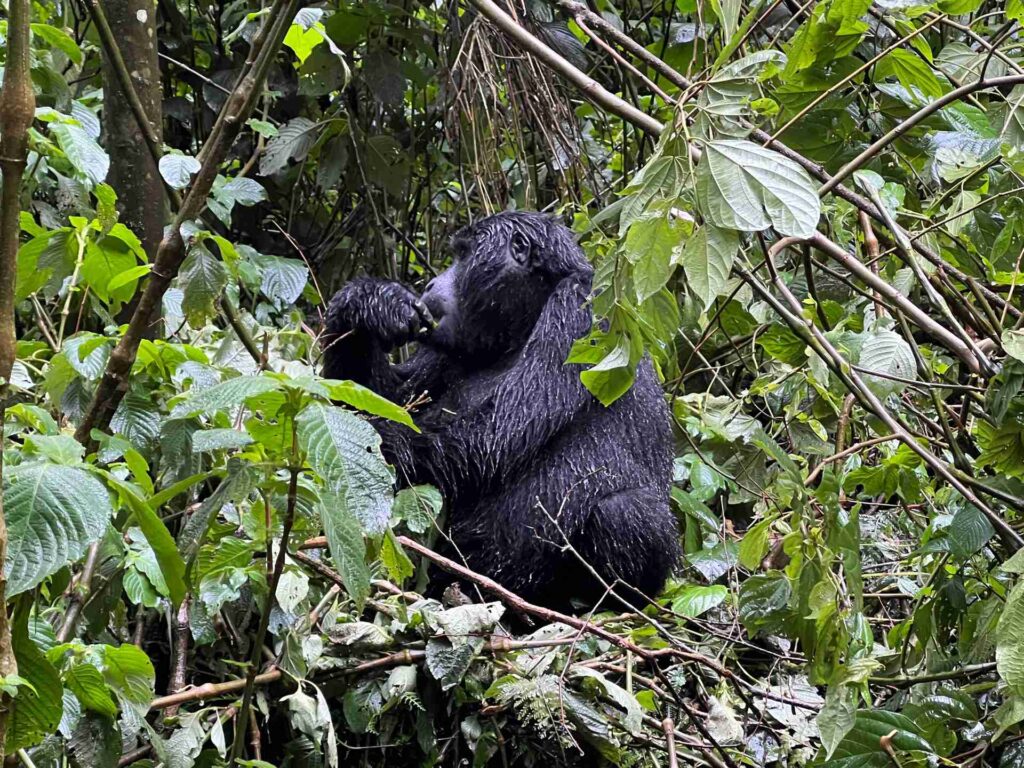
Gorilla Rain Behaviour
Gorillas are among the most fascinating primates in the world. Their intelligence, social structure, and adaptability continue to attract researchers and wildlife enthusiasts from across the globe. One of the most interesting aspects of gorilla life is how they respond to changing weather conditions, especially rain. Mountain gorillas and other gorilla species live in tropical forests where rainfall occurs throughout much of the year. To survive and remain comfortable in these wet environments, gorillas have developed unique behavioural adaptations. One of the most remarkable adaptations is their ability to build roof nests.
Gorilla rain behaviour reveals the intelligence and survival skills of these great apes. Rain affects their movement, feeding patterns, resting habits, and nesting activities. Unlike many animals that simply seek shelter under trees, gorillas actively construct nests that help protect them from rain and moisture. These nests provide comfort and insulation while allowing the gorillas to conserve energy during wet weather conditions.
Visitors who participate in gorilla trekking often witness signs of these nesting activities. Rangers and trackers frequently identify previous nesting sites while following gorilla families through dense forests. Understanding how gorillas react to rain gives visitors a deeper appreciation of their behaviour and the challenges they face in their natural habitat.
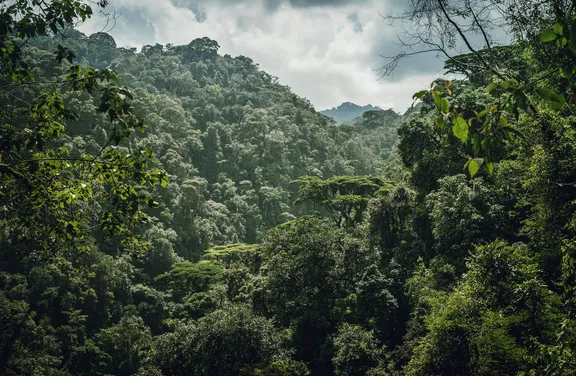
The tropical forests where gorillas live receive significant rainfall throughout the year. These forests include mountainous regions, bamboo zones, and thick vegetation areas. Frequent rainfall creates damp conditions that could affect the health and comfort of gorillas if they lacked effective coping mechanisms. Their nesting behaviour demonstrates a sophisticated response to these environmental challenges.
Gorilla rain behaviour also highlights the strong connection between these primates and their forest ecosystems. Every aspect of their daily routine reflects their ability to adapt to natural conditions. From selecting suitable nesting materials to choosing protected nesting locations, gorillas show remarkable awareness of their environment.
Why Gorillas Build Roof Nests
One of the most unique aspects of gorilla rain behaviour is the construction of roof nests. During periods of heavy rainfall, gorillas sometimes create nests with overhead coverings made from branches, leaves, and vegetation. These roof structures help reduce direct exposure to rain and keep the nest area relatively dry.
Roof nests offer several important benefits. First, they protect gorillas from prolonged exposure to cold and wet conditions. Although gorillas possess thick fur, continuous rainfall can lower body temperature and create discomfort. A roof nest helps maintain a more comfortable resting environment.
Second, roof nests provide protection for vulnerable group members. Young gorillas, infants, and elderly individuals benefit greatly from additional shelter. Mothers often select nesting locations that offer maximum protection for their offspring. In some cases, they may build nests with extra vegetation to improve insulation and comfort.
Third, roof nests help preserve energy. Constant exposure to rain requires additional body heat to stay warm. By reducing contact with rainwater, gorillas conserve valuable energy that can instead support feeding, movement, and social activities. This energy conservation becomes particularly important during extended rainy periods.
Researchers have observed that gorillas do not build roof nests every day. The behaviour appears more frequently when weather conditions become especially wet or when rainfall is expected to continue overnight. This flexibility demonstrates the gorillas’ ability to assess environmental conditions and respond appropriately.
The construction process itself showcases impressive problem-solving skills. Gorillas carefully select suitable materials and arrange them to create effective coverage. Different individuals may contribute to nest building, although each gorilla generally constructs its own sleeping nest. The final structure reflects both instinctive behaviour and learned experience.
Roof nests also illustrate the intelligence of gorillas. The ability to modify nest designs according to weather conditions suggests a level of environmental awareness that few animal species display. These adaptations help gorillas thrive in some of Africa’s most challenging forest environments.
How Gorillas Build Their Rain Nests
The process of building a rain nest begins during the late afternoon or early evening. As daylight fades, gorillas start searching for suitable nesting locations. They carefully assess the surrounding environment before selecting a site that offers safety, comfort, and protection from weather conditions.
Once a location is chosen, the gorilla gathers branches, leaves, vines, and other vegetation from nearby plants. The animal bends and interweaves these materials to form a stable platform. For roof nests, additional branches and leafy vegetation create a canopy above the sleeping area.
Ground nests are common among mountain gorillas, although younger individuals may occasionally build nests in low vegetation. The nest platform provides cushioning and insulation from the cold, damp ground. The roof structure adds another layer of protection by limiting direct rainfall.
The entire construction process often takes only a few minutes. Despite this speed, the resulting nest remains remarkably effective. Each nest reflects the gorilla’s experience and familiarity with its environment. Older gorillas often build stronger and more elaborate nests compared to younger individuals.
Rain nests vary depending on weather intensity and available materials. During light rain, a simple overhead covering may be sufficient. During heavy rainfall, gorillas may create thicker roofs with multiple layers of vegetation. This adaptability allows them to respond effectively to changing conditions.
Nest building is an essential daily activity for gorillas. Every evening, they construct new nests rather than returning to previous ones. This habit helps maintain cleanliness and reduces the accumulation of parasites. It also allows gorillas to select the most suitable location based on current weather conditions.
For wildlife researchers, studying nest construction provides valuable insights into gorilla behaviour. Nest characteristics can reveal information about group size, age composition, movement patterns, and environmental conditions. Rain nests, in particular, help researchers understand how gorillas adapt to seasonal weather changes.
The Impact of Rain on Gorilla Daily Activities
Rain influences many aspects of gorilla life beyond nesting behaviour. Feeding patterns often change during wet weather. Gorillas may adjust their foraging schedules to avoid the heaviest rainfall periods. They sometimes feed intensively before rain begins and seek sheltered locations during storms.
Movement patterns also change. Heavy rainfall can make forest terrain slippery and more difficult to navigate. Gorillas often reduce long-distance travel during intense rain and remain within areas that provide abundant food resources. This strategy minimizes energy expenditure and reduces exposure to adverse conditions.
Social interactions continue during rainy weather, although gorillas may spend more time resting. Grooming, playing, and communication remain important activities within the group. The strong social bonds among family members help maintain group cohesion regardless of weather conditions.
Infants depend heavily on their mothers during rainy periods. Mothers provide physical warmth and protection while travelling and resting. Roof nests offer additional security for young gorillas, helping them remain dry and comfortable throughout the night.
Rain can also affect visibility within the forest. Gorillas rely on their familiarity with the environment to navigate safely during storms. Their extensive knowledge of feeding areas, nesting sites, and travel routes allows them to function effectively even in challenging weather.
Despite these adjustments, gorillas remain active throughout the year. Rain rarely stops their daily routines completely. Instead, they adapt their behaviour to accommodate changing environmental conditions. This flexibility contributes significantly to their survival in tropical forest habitats.
The ability to cope with rain demonstrates the resilience of gorillas. Their behavioural adaptations reflect millions of years of evolution in environments characterized by frequent rainfall and fluctuating weather patterns.
Gorilla Trekking and Observing Rain Behaviour
Gorilla trekking offers visitors a unique opportunity to learn about gorilla rain behaviour firsthand. Protected areas such as Bwindi Impenetrable National Park, Mgahinga Gorilla National Park, and Volcanoes National Park receive rainfall throughout the year, making rain-related behaviours a common observation.
Trekkers often encounter fresh nests along forest trails. Experienced guides explain how these structures indicate recent gorilla activity. The condition of the nest, the type of materials used, and its location provide valuable clues about the gorillas’ movements and behaviour.
Rain should not discourage visitors from undertaking gorilla trekking adventures. In fact, rainy conditions often enhance the forest experience. The vegetation appears greener, waterfalls become more active, and wildlife activity remains high. Gorillas continue their normal routines, allowing visitors to observe authentic behaviours.
Proper preparation ensures a comfortable trekking experience. Waterproof clothing, sturdy hiking boots, and protective gear help visitors navigate wet forest conditions. Local guides and trackers provide expert assistance throughout the trek.
Observing roof nests and other rain adaptations adds educational value to gorilla trekking experiences. Visitors gain a deeper understanding of the challenges gorillas face and the remarkable strategies they use to overcome them. These observations often become some of the most memorable aspects of a safari.
Conservation efforts benefit from increased awareness of gorilla behaviour. Understanding how gorillas interact with their environment encourages support for habitat protection and sustainable tourism initiatives. Every trekking experience contributes to the broader goal of preserving gorilla populations for future generations.
Conclusion
Gorilla rain behaviour demonstrates the extraordinary adaptability and intelligence of these magnificent primates. Their ability to build roof nests highlights a sophisticated response to the challenges of living in wet tropical forests. These nests provide protection from rain, improve comfort, conserve energy, and support the wellbeing of vulnerable group members.
Rain influences many aspects of gorilla life, including feeding, movement, social interactions, and nesting activities. Rather than allowing weather conditions to disrupt their routines, gorillas adjust their behaviour in ways that promote survival and comfort. Their flexible responses showcase a deep connection with their environment and an impressive capacity for adaptation.
For visitors undertaking gorilla trekking adventures, understanding rain behaviour adds depth and meaning to the experience. Observing nesting sites and learning about weather-related adaptations provides valuable insights into gorilla ecology and conservation. Every roof nest tells a story of resilience, intelligence, and survival in one of Africa’s most remarkable ecosystems.
At Adira Safaris Africa, we encourage travelers to explore the fascinating world of gorillas while supporting responsible tourism and conservation efforts. By understanding behaviours such as roof nest construction, visitors gain a greater appreciation for these endangered great apes and the forests they call home.