
Rainy Season Gorillas in Bwindi
May 5, 2026
Caldera Full Moon Hike
May 6, 2026
Forest Elephant Trackers in Bwindi
Bwindi Impenetrable National Park is one of Africa’s most remarkable rainforest destinations. It is famous for mountain gorillas, rich birdlife, ancient trees, and exceptional biodiversity. Many travelers visit Bwindi for gorilla trekking, but the forest holds many other wonders that often go unnoticed. One of the most surprising discoveries in this ecosystem is the presence of dung beetles that track gorilla groups. These tiny insects play a major role in keeping the forest healthy and balanced. They are sometimes referred to as forest elephant trackers because of their ability to locate fresh dung quickly and follow animal movement patterns within the forest.
Dung beetles may look small and simple, but they are among the hardest working creatures in Bwindi. They locate droppings from gorillas and other wildlife, then feed on it, bury it, and recycle nutrients back into the soil. Their activity helps seeds germinate, supports forest regeneration, and reduces waste buildup. In a dense rainforest like Bwindi, this work is essential. Without dung beetles, the forest floor would be overwhelmed with waste, and many plant species would struggle to grow.
For visitors on Uganda safaris, learning about these insects adds depth to the wildlife experience. Bwindi is not only about the famous gorillas. It is a complete ecosystem where even the smallest species contribute to the survival of larger animals. The connection between gorillas and dung beetles shows how nature works as one system. Every animal, bird, insect, and plant has a purpose.
At Adira Safaris Africa, we encourage travelers to look beyond the obvious attractions. Gorilla trekking is unforgettable, but understanding the hidden life of Bwindi makes the journey even more meaningful. Forest elephant trackers remind us that nature’s greatest stories are not always told by the largest animals. Sometimes, the smallest creatures carry the biggest importance.
What Are Forest Elephant Trackers in Bwindi?
The term forest elephant trackers in Bwindi may sound unusual, but it refers to dung beetles that actively search for animal dung in the forest. These insects use a powerful sense of smell to detect fresh droppings from wildlife such as gorillas, elephants, antelopes, and other mammals. Once they find dung, they quickly move toward it and begin their work. Scientists and guides often study their movement because it can reveal where animals have recently passed.
In Bwindi, gorilla groups move through thick vegetation each day as they feed, rest, and build nests. Wherever they go, they leave signs behind, including broken branches, footprints, and dung. Dung beetles are among the first creatures to respond. They gather around the droppings within a short time and start breaking it down. This behavior helps researchers understand animal movement patterns and ecosystem health.
These beetles come in many shapes, colors, and sizes. Some roll dung into balls and push it away for storage or breeding. Others tunnel directly beneath the droppings and bury portions underground. Some species live within the dung itself. Each type has a special role, and together they ensure that organic waste returns to the soil.
The name forest elephant trackers also reflects the fact that dung beetles follow signs left by large forest mammals. In areas where forest elephants once roamed more widely, dung beetles depended on them as an important food source. Today, they continue to serve the same ecological function with many animal species, including gorillas in Bwindi.
For safari travelers, these beetles may not be as visible as gorillas or birds, but they are just as fascinating. They show how the forest survives through cooperation. When you trek through Bwindi, you walk through a living system where even tiny insects are constantly working to keep the environment healthy.
The Connection Between Dung Beetles and Gorilla Groups
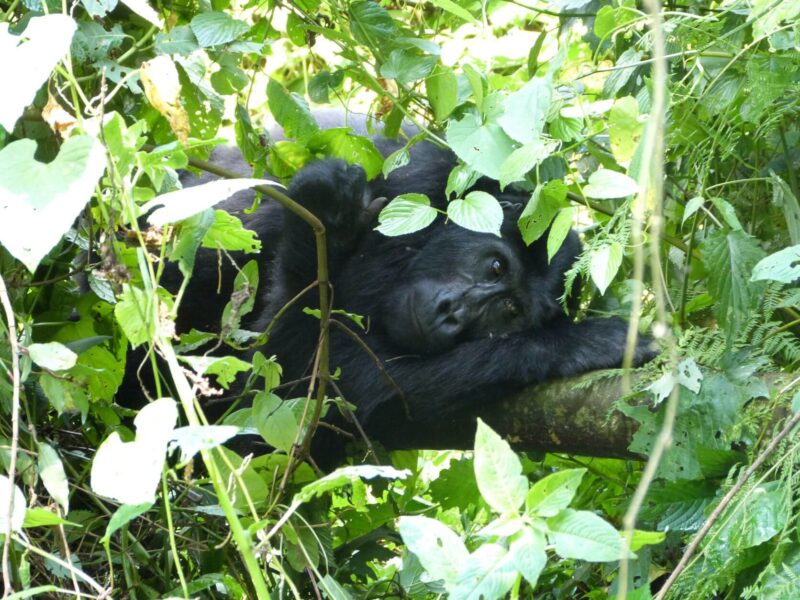
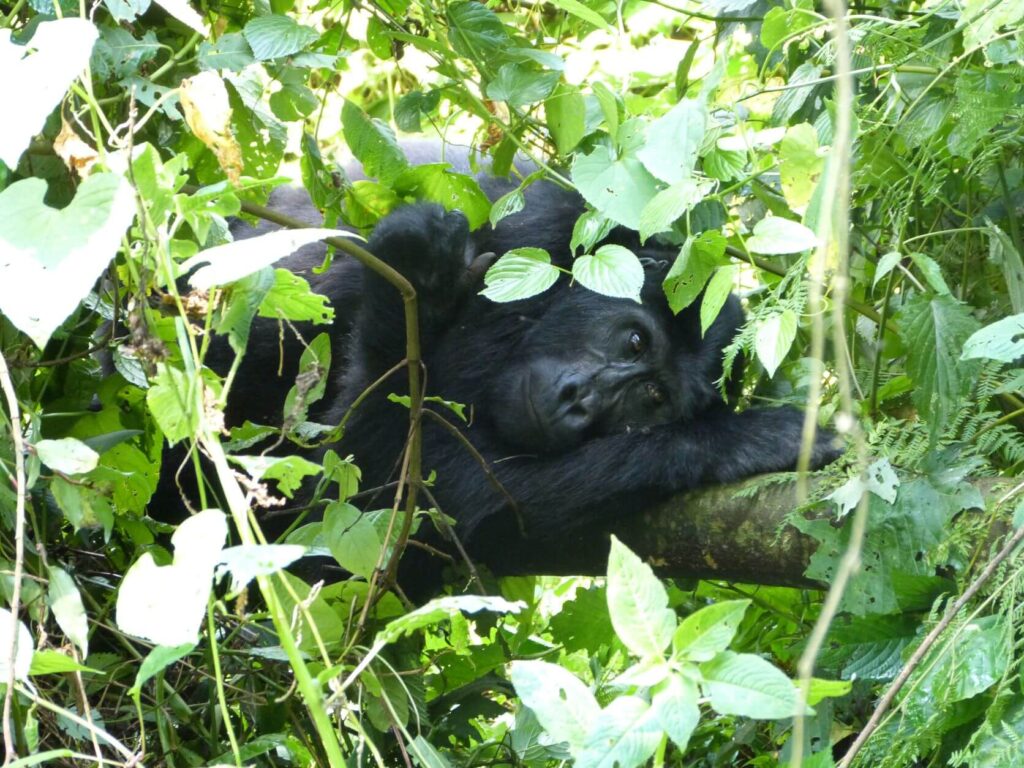
Mountain gorillas are the star attraction in Bwindi Impenetrable National Park. Visitors travel from around the world to observe these gentle primates in their natural habitat. Yet few people realize that gorilla groups support many other species, including dung beetles. Every time gorillas feed and move through the forest, they create opportunities for smaller animals to thrive.
Gorillas eat leaves, shoots, fruits, stems, and bark. Their plant-based diet produces dung rich in organic material. This makes gorilla droppings valuable to dung beetles. Once fresh dung appears on the forest floor, beetles quickly arrive and begin processing it. They feed on it, lay eggs in it, or bury it underground. This natural cycle turns waste into nutrients that enrich the soil.
Because gorilla groups move daily, dung beetles often follow their trails. They respond to scent and freshness rather than sight. As a result, areas recently visited by gorillas become active zones for beetle activity. Researchers sometimes use this relationship to study ecological interactions and biodiversity patterns in the forest.
This connection benefits both sides. Beetles gain food and breeding material. The forest gains cleaner ground, fewer parasites, and richer soil. Gorillas indirectly benefit from healthier vegetation growth because nutrient recycling supports plant regeneration. In time, the plants nourished by decomposed waste may become future gorilla food sources.
This relationship shows that wildlife conservation is never about one species alone. Protecting gorillas also protects the countless organisms linked to them. When travelers support gorilla tourism in Uganda, they also support habitats for insects, birds, amphibians, and plants that depend on the same ecosystem.
Adira Safaris Africa believes these hidden links make Bwindi extraordinary. Gorilla trekking is powerful, but understanding how gorillas connect with even the smallest creatures creates a deeper respect for nature. In Bwindi, life is interconnected at every level.
Why Dung Beetles Are Important to Bwindi Forest
Dung beetles are some of the most valuable insects in tropical forests. Their daily activity may seem small, but the impact is enormous. In Bwindi, they help maintain soil quality, reduce disease risks, improve seed dispersal, and support overall biodiversity. Without them, the rainforest would face serious ecological problems.
One of their main roles is nutrient recycling. Animal dung contains organic matter that can feed the soil. If left untouched, it would decompose slowly. Dung beetles speed up the process by breaking it apart and burying it underground. This returns nutrients to the earth faster, helping plants grow stronger and healthier.
They also improve soil structure. When tunneling beneath dung piles, beetles loosen the ground and allow water and air to move through the soil more easily. Healthy soil supports roots, microorganisms, and forest vegetation. In a rainforest ecosystem, this process is essential for long-term growth.
Another major benefit is disease control. Dung left on the surface can attract flies and parasites. By removing and burying waste quickly, beetles reduce breeding grounds for harmful insects. This creates a cleaner environment for wildlife and helps lower parasite spread.
Dung beetles also aid seed dispersal. Many animals eat fruits and pass seeds in their droppings. When beetles move or bury dung, they carry those seeds into the soil. Some seeds then germinate in ideal conditions. This helps trees and plants spread across the forest.
For Bwindi, where biodiversity is globally important, these insects are silent conservation workers. They receive little attention, yet they help sustain the entire ecosystem. Visitors who learn about them often leave with a new appreciation for the complexity of rainforest life.
At Adira Safaris Africa, we love sharing stories like these because they reveal the true richness of Uganda’s wild places. The forest is not sustained only by gorillas or large mammals. Tiny beetles also help keep Bwindi alive.
Wildlife Experiences in Bwindi Beyond Gorilla Trekking
Most travelers know Bwindi for gorilla trekking, but the park offers much more than primate encounters. It is a place where every trail reveals hidden life. Birdsong fills the canopy, butterflies move through sunlit clearings, and insects work across the forest floor. Dung beetles, the so-called forest elephant trackers, are part of this deeper safari experience.
Nature walks in Bwindi give visitors a chance to notice details often missed during gorilla treks. Guided forest walks focus on trees, medicinal plants, bird species, monkey calls, and insect behavior. A knowledgeable guide can explain how beetles locate dung, why they roll it, and how they help regenerate the forest. These moments turn a simple walk into a fascinating ecological lesson.
Bird lovers also enjoy Bwindi because it hosts more than 350 bird species, including many Albertine Rift endemics. While watching birds, guests often encounter signs of other wildlife such as duikers, bush pigs, and monkeys. Every species adds another layer to the forest story.
Community visits around Bwindi are also rewarding. Local communities share traditional knowledge, dances, farming methods, and conservation efforts. Many residents understand the forest deeply and respect its delicate balance. Their stories often highlight how every creature has value, from gorillas to beetles.
Photographers appreciate Bwindi for its misty scenery, giant ferns, moss-covered trees, and dramatic light filtering through the canopy. The rainforest atmosphere creates stunning images even without large animals in sight.
At Adira Safaris Africa, we encourage slow travel in Bwindi. Take time to observe, listen, and learn. Gorilla trekking may be the headline attraction, but the full experience comes from understanding the many lives that make this forest unique. Even a tiny beetle can become a memorable part of your safari.
Best Time to Visit Bwindi and Explore Its Biodiversity
Bwindi Impenetrable National Park can be visited throughout the year, but some seasons offer easier trekking conditions and better opportunities for exploring biodiversity. Choosing the right time depends on your interests, fitness level, and preferred travel style.
The dry seasons usually run from June to August and December to February. These months are popular for gorilla trekking because trails are less muddy and movement through the forest is easier. Visibility can also be better, making wildlife viewing and photography more comfortable. Many travelers choose these months for classic Uganda safari experiences.
The wet seasons, from March to May and September to November, bring more rainfall and lush green landscapes. Trails can become slippery, but the forest feels vibrant and alive. This is a wonderful time for birdwatching, botanical walks, and observing insects such as dung beetles, which often become more active in moist conditions. Fewer visitors may also mean a quieter experience.
Bwindi’s weather can change quickly because of altitude and rainforest conditions. Even in dry months, rain is possible. Visitors should always carry waterproof clothing, hiking boots, and layers for cool mornings or evenings.
If your goal is to understand the ecosystem fully, any season can be rewarding. Dry months favor trekking comfort. Wet months highlight forest productivity and rich biodiversity. Both seasons offer memorable encounters with nature.
Adira Safaris Africa helps travelers plan the best itinerary based on season, budget, and interests. Whether you want gorilla permits, birding adventures, cultural visits, or forest ecology experiences, we create journeys that match your expectations.
Bwindi is not a destination for only one time of year. It is a living rainforest with changing moods and beauty in every season. Whenever you visit, the forest elephant trackers, gorillas, birds, and ancient trees continue their timeless cycles.
Plan Your Bwindi Safari with Adira Safaris Africa
A journey to Bwindi is more than a trip. It is an immersion into one of Africa’s richest natural landscapes. From mountain gorillas to the smallest dung beetles, every part of the forest tells a story of balance, resilience, and life. Visitors who come with curiosity leave with a deeper connection to nature.
At Adira Safaris Africa, we specialize in memorable Uganda safaris designed with care and professionalism. We arrange gorilla trekking permits, accommodation, transport, birding tours, cultural experiences, and tailor-made itineraries across Uganda and East Africa. Our team understands Bwindi and helps travelers enjoy both its famous highlights and hidden wonders.
We believe great safaris combine adventure with learning. That is why we share unique stories like the forest elephant trackers in Bwindi. These dung beetles remind us that conservation depends on every species, not only the largest or most famous animals.
Whether you are planning your first gorilla safari or returning to explore more of Uganda, Bwindi offers something extraordinary. Misty hills, ancient forest trails, rare wildlife, warm communities, and unforgettable encounters await you.
Choose Adira Safaris Africa for a well-organized, insightful, and rewarding safari experience. Let us guide you into the heart of Bwindi, where gorillas roam, forests breathe, and even the tiniest trackers play a mighty role.