

Hot Air Balloon Rides in Maasai Mara National Park
June 17, 2026
Culture in Amboseli National Park
June 17, 2026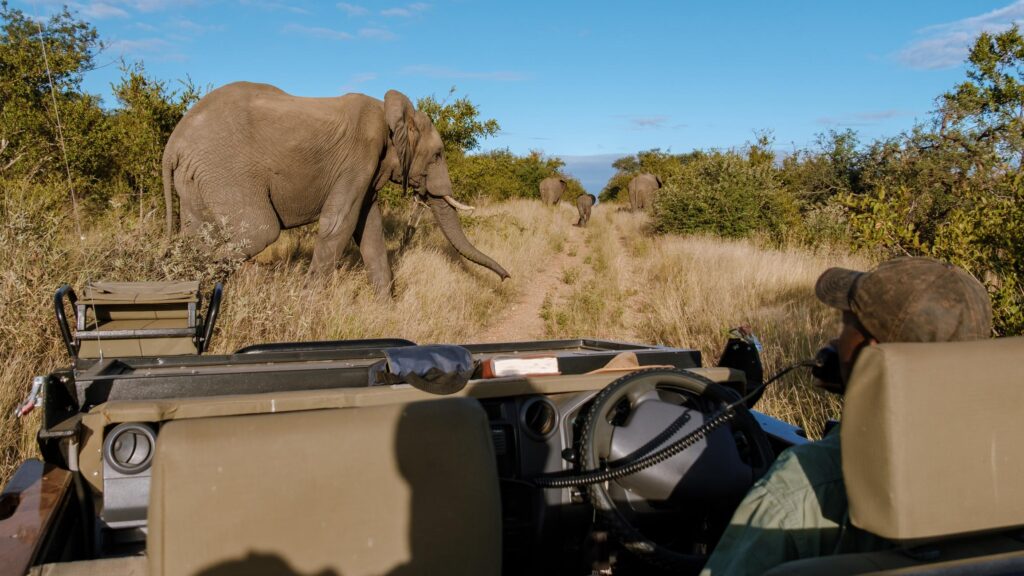
Elephant Tuskers in Amboseli National Park
Amboseli National Park stands among Kenya’s most celebrated wildlife destinations. The park attracts visitors from across the world because of its spectacular elephant population, breathtaking landscapes, and stunning views of Mount Kilimanjaro. Among the many wildlife treasures found in this remarkable ecosystem, none capture the imagination of travelers more than the famous elephant tuskers. These magnificent giants represent some of the largest and most impressive elephants remaining in Africa today. Their enormous tusks, which can grow so large that they nearly touch the ground, make them icons of conservation and symbols of Africa’s natural heritage.
Elephant tuskers are rare. They belong to a special group of African elephants whose tusks weigh more than 100 pounds each. This exceptional characteristic makes them highly recognizable and greatly admired by wildlife enthusiasts, photographers, conservationists, and safari travelers. In the past, large tuskers roamed many parts of Africa. However, decades of ivory poaching and habitat loss significantly reduced their numbers. Today, only a small number of these remarkable elephants remain, making every sighting a truly special experience.
Amboseli National Park has become one of the most important strongholds for these giants. The park provides suitable habitat, abundant food resources, reliable water supplies, and strong conservation protection. The efforts of the Kenya Wildlife Service (KWS), together with conservation organizations and local communities, have helped safeguard these rare elephants for future generations. Visitors who explore Amboseli often consider encountering a giant tusker one of the highlights of their safari.
At Adira Safaris Africa, we believe that elephant tuskers represent one of the most extraordinary wildlife experiences available in East Africa. Their presence adds a unique dimension to every safari and reminds visitors of the importance of wildlife conservation.
Understanding Elephant Tuskers
Elephant tuskers differ from ordinary elephants because of the extraordinary size of their tusks. A true tusker carries tusks that each weigh at least 100 pounds. This remarkable feature results from a combination of genetics, age, nutrition, and protection from threats such as poaching. Only a small number of elephants live long enough and possess the right genetic traits to develop tusks of such impressive proportions.
African elephants use their tusks for many purposes. They dig for water during dry seasons, strip bark from trees, move obstacles, defend themselves, and compete with rivals. For giant tuskers, these tasks become even more impressive because of the sheer size and weight of their ivory. Some tusks grow so large that the elephants must carefully carry them while walking through dense vegetation.
The development of giant tusks requires many years. Elephants grow slowly and can live for several decades. Tuskers often reach advanced ages before their tusks attain exceptional size. This long growth period explains why giant tuskers are so rare. Any threat during their lifetime can prevent them from reaching full maturity.
The scarcity of elephant tuskers makes them particularly valuable from both ecological and conservation perspectives. They serve as living reminders of what African elephant populations once looked like before widespread ivory hunting reduced the number of large-tusked individuals. Today, seeing one of these giants in the wild offers a glimpse into Africa’s natural history and highlights the importance of ongoing conservation efforts.
Why Amboseli is Famous for Elephant Tuskers
Amboseli National Park enjoys a global reputation as one of the best places to see large elephants and giant tuskers. Several factors contribute to this distinction. The park’s unique environment supports healthy elephant populations and allows many individuals to survive into old age. This longevity increases the chances of elephants developing exceptionally large tusks.
The Amboseli ecosystem contains open grasslands, wetlands, woodlands, and seasonal lakes. These habitats provide elephants with a diverse range of food sources throughout the year. Reliable water supplies from underground streams flowing from Mount Kilimanjaro further support wildlife during dry periods. This abundance of resources enables elephants to thrive in the region.
Another important factor involves long-term conservation and research. Amboseli hosts some of Africa’s most respected elephant monitoring programs. Researchers have studied elephants in the area for decades, documenting family relationships, behavior patterns, migration routes, and population changes. This extensive knowledge helps conservationists protect vulnerable individuals and identify potential threats before they become serious problems.
The open landscapes of Amboseli also make wildlife viewing easier. Visitors often observe elephants moving across the plains with the snow-capped peaks of Mount Kilimanjaro rising in the background. These dramatic scenes create some of Africa’s most iconic safari photographs. When a giant tusker appears in such a setting, the experience becomes even more memorable.
The combination of favorable habitat, scientific monitoring, conservation protection, and excellent viewing opportunities has established Amboseli as one of the most important locations for elephant tuskers in Africa.
The Role of Kenya Wildlife Service in Protecting Elephant Tuskers
The survival of elephant tuskers depends heavily on effective conservation measures. The Kenya Wildlife Service plays a leading role in protecting these magnificent animals. KWS works tirelessly to combat poaching, monitor elephant movements, safeguard habitats, and promote sustainable wildlife management across Kenya.
Poaching remains one of the greatest threats to elephants. Because tuskers carry exceptionally large ivory tusks, they have historically attracted the attention of illegal hunters. KWS has strengthened anti-poaching operations through increased patrols, advanced surveillance technologies, intelligence gathering, and collaboration with conservation partners. These efforts help deter criminal activities and improve protection for vulnerable wildlife populations.
KWS also monitors individual tuskers closely. Conservation teams often identify and track well-known elephants to ensure their safety. Rangers collect information about their movements, health, and social interactions. This monitoring enables rapid responses when elephants encounter threats or require assistance.
Community involvement forms another important aspect of conservation. KWS works with local communities living near protected areas. Educational programs help raise awareness about the importance of wildlife conservation and encourage coexistence between people and elephants. These partnerships reduce conflicts and create opportunities for local residents to benefit from tourism.
The success of these initiatives has helped Amboseli maintain its reputation as a sanctuary for large elephants. Although challenges remain, ongoing protection efforts continue to improve the outlook for elephant tuskers and other wildlife species. Visitors who see these giants in the wild witness the results of decades of dedicated conservation work.
Famous Tuskers of Amboseli
Over the years, Amboseli has become home to several legendary tuskers that gained international recognition among wildlife enthusiasts and conservationists. These elephants attracted attention due to their extraordinary size, impressive tusks, and remarkable life stories. Their images have appeared in documentaries, wildlife publications, and photography exhibitions around the world.
Many famous tuskers have become symbols of conservation success. Researchers and photographers often follow their lives for years, documenting their growth, behavior, and interactions with other elephants. These stories help people connect emotionally with wildlife and strengthen support for conservation efforts.
Some tuskers achieve celebrity status because of their unique appearance. Their massive ivory tusks make them instantly recognizable. Visitors travel from different countries hoping to see these famous giants during their safari adventures. A single sighting can become the highlight of an entire trip.
The presence of renowned tuskers also contributes to Amboseli’s tourism appeal. Wildlife photographers particularly value opportunities to capture images of these magnificent animals against the backdrop of Mount Kilimanjaro. Such photographs often become iconic representations of African wildlife.
While individual elephants may come and go over time, their legacy continues to inspire conservation efforts. Each new generation of tuskers carries forward the story of resilience, survival, and the importance of protecting Africa’s natural heritage.
Safari Experience of Tracking Elephant Tuskers
Searching for elephant tuskers in Amboseli National Park creates one of the most rewarding safari experiences in Kenya. Early morning and late afternoon game drives offer the best opportunities for sightings because elephants remain active during the cooler hours of the day.
As visitors explore the park, experienced guides use their knowledge of elephant behavior and movement patterns to locate these giants. The search itself adds excitement to the safari. Every turn of the road brings the possibility of encountering a magnificent tusker emerging from the grasslands or approaching a watering area.
When visitors finally spot a giant tusker, the experience often leaves a lasting impression. The sheer size of the animal becomes immediately apparent. Its enormous tusks create a powerful visual impact that photographs rarely capture fully. Observing these elephants in their natural environment allows travelers to appreciate their intelligence, strength, and calm demeanor.
Photography opportunities remain exceptional throughout the encounter. Amboseli’s open terrain provides unobstructed views, while Mount Kilimanjaro frequently creates a dramatic backdrop. Wildlife photographers often regard tusker photography in Amboseli as one of the finest experiences available anywhere in Africa.
Beyond photography, watching tuskers interact with family members offers valuable insights into elephant behavior. Visitors may observe social bonds, communication methods, feeding habits, and protective behaviors that reveal the complexity of elephant society.
Conservation Challenges Facing Elephant Tuskers
Despite significant conservation successes, elephant tuskers continue to face several challenges. Habitat loss remains a major concern as human populations expand around protected areas. Increasing development can reduce available wildlife corridors and limit elephant movements between different habitats.
Climate change also affects elephant populations. Changes in rainfall patterns may influence water availability and vegetation growth. Prolonged droughts can place additional pressure on wildlife and increase competition for resources.
Human-wildlife conflict presents another challenge. As elephants move beyond protected areas in search of food and water, they sometimes come into contact with agricultural communities. Crop damage can create tensions between people and wildlife. Conservation organizations work continuously to develop solutions that support both community livelihoods and elephant protection.
Illegal wildlife trafficking remains a concern despite substantial progress in anti-poaching efforts. Continued vigilance is essential to ensure that tuskers remain safe from criminal networks involved in the ivory trade.
Addressing these challenges requires cooperation among governments, conservation organizations, researchers, local communities, and tourism operators. Long-term success depends on maintaining strong protection measures while promoting sustainable development and environmental stewardship.
Why Elephant Tuskers Matter to Conservation
Elephant tuskers represent more than just impressive wildlife attractions. They play an important role in conservation awareness and environmental education. Their rarity highlights the consequences of historical poaching and emphasizes the need for continued protection.
These giants also contribute to healthy ecosystems. Elephants act as ecosystem engineers by shaping vegetation, dispersing seeds, and creating pathways used by other animals. Their activities influence the structure and diversity of habitats across the landscape.
From a tourism perspective, tuskers attract visitors from around the world. Wildlife tourism generates revenue that supports conservation programs, creates employment opportunities, and contributes to local economies. The presence of iconic elephants therefore benefits both wildlife and surrounding communities.
Most importantly, elephant tuskers inspire people. Their size, beauty, and resilience create powerful connections between humans and nature. These emotional connections often motivate individuals to support conservation efforts and advocate for wildlife protection.
Conclusion
Elephant tuskers in Amboseli National Park rank among Africa’s most extraordinary wildlife treasures. These majestic giants represent a rare and valuable part of the continent’s natural heritage. Their enormous tusks, impressive size, and remarkable presence make them one of the most sought-after wildlife sightings in Kenya.
Amboseli provides an ideal refuge for these elephants through its rich habitats, reliable water sources, strong conservation programs, and dedicated protection efforts led by the Kenya Wildlife Service. Although only a few giant tuskers remain today, ongoing conservation initiatives continue to safeguard their future.
For travelers seeking an unforgettable safari experience, observing an elephant tusker in the wild offers a moment of awe and inspiration. The sight of these giants walking across the Amboseli plains beneath Mount Kilimanjaro creates memories that last a lifetime.
Adira Safaris Africa invites you to discover the magnificent elephant tuskers of Amboseli National Park and experience one of Kenya’s most iconic wildlife encounters while supporting the conservation of these remarkable giants for generations to come