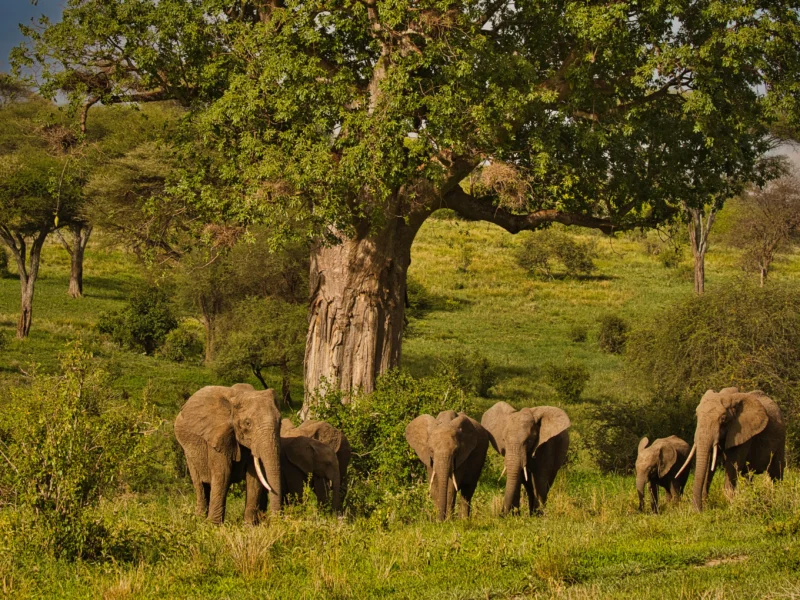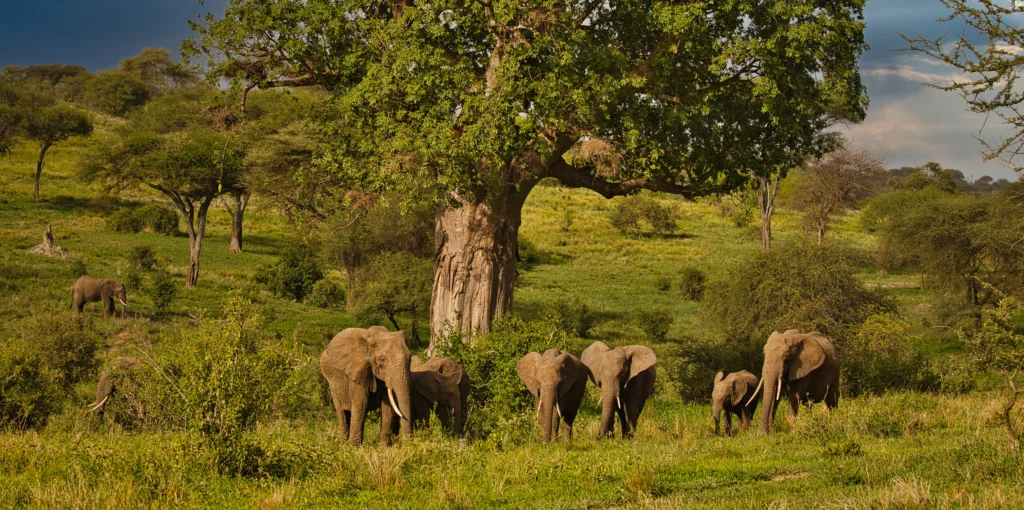


Elephant Tuskers in Amboseli National Park
June 17, 2026
Culture in Samburu National Park
June 17, 2026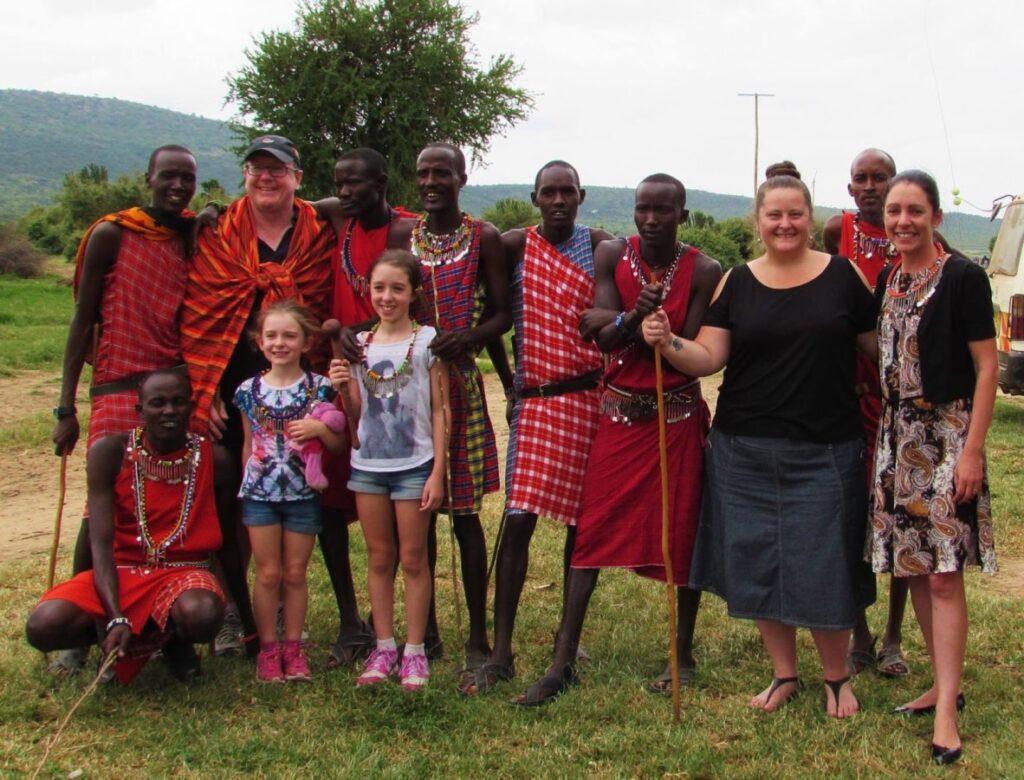
Culture in Amboseli National Park
Amboseli National Park is one of Kenya’s most famous safari destinations. The park attracts thousands of visitors every year because of its large elephant herds, breathtaking scenery, diverse wildlife, and spectacular views of Mount Kilimanjaro. While wildlife remains the main attraction, culture plays an equally important role in making a visit to Amboseli a truly memorable experience. The region surrounding the park is home to the Maasai people, one of Africa’s most recognized and respected indigenous communities. Their rich traditions, colorful lifestyle, and strong connection to nature create a fascinating cultural experience for tourists visiting the area.
Cultural tourism in Amboseli National Park offers much more than simple sightseeing. It provides visitors with an opportunity to learn about the daily lives, customs, beliefs, and traditions of the Maasai people. Through meaningful interactions, travelers gain a deeper understanding of local culture while communities benefit from tourism-related opportunities. This exchange creates a positive relationship that enriches both visitors and residents.
The cultural experiences available around Amboseli complement wildlife safaris perfectly. Tourists can spend the morning observing elephants and lions in the national park and later visit a traditional Maasai village to learn about local customs. This combination of nature and culture gives travelers a complete understanding of the Amboseli ecosystem and the people who have lived alongside wildlife for generations.
At Adira Safaris Africa, we believe that cultural experiences add great value to every safari. They allow travelers to connect with local communities, appreciate diverse traditions, and create lasting memories beyond wildlife encounters. Culture in Amboseli National Park remains one of the most rewarding and authentic experiences available to visitors exploring Kenya.
The Maasai People and Their Connection to Amboseli
The Maasai people have lived in the Amboseli region for centuries. Their history, traditions, and lifestyle remain closely connected to the landscapes that surround the national park. Unlike many communities that have shifted away from traditional practices, the Maasai continue to preserve much of their cultural heritage while adapting to modern changes.
Livestock plays a central role in Maasai society. Cattle represent wealth, social status, and cultural identity. For generations, Maasai families have practiced pastoralism, moving livestock across grazing lands in search of pasture and water. This traditional way of life has helped shape their deep understanding of the natural environment.
The relationship between the Maasai and wildlife is particularly remarkable. Despite living alongside elephants, lions, zebras, and other animals, the Maasai have developed ways to coexist with wildlife. Their knowledge of animal behavior, seasonal movements, and environmental conditions contributes significantly to conservation efforts in the Amboseli ecosystem.
Visitors often admire the Maasai for their colorful clothing, distinctive jewelry, and unique customs. Men commonly wear bright red shukas, while women create beautiful beadwork that carries cultural significance. These visual elements immediately capture the attention of tourists and create memorable cultural encounters.
The Maasai culture remains an important part of the Amboseli experience. Their presence adds depth to the destination and helps visitors understand the human side of this remarkable landscape. Through cultural interactions, travelers gain insights into traditions that have survived for generations and continue to thrive today.
Visiting Traditional Maasai Villages
One of the most popular cultural activities in Amboseli National Park involves visiting traditional Maasai villages, often known as manyattas. These visits provide tourists with a unique opportunity to experience local life firsthand and learn directly from community members.
Upon arrival, visitors often receive a warm welcome from Maasai hosts. Traditional songs, dances, and greetings introduce guests to the community and create an inviting atmosphere. The vibrant energy displayed during these performances reflects the pride that the Maasai take in their culture and traditions.
During village tours, visitors learn about the construction of traditional homes. Maasai women typically build the houses using locally available materials such as mud, sticks, grass, and cow dung. These structures provide shelter while adapting effectively to local environmental conditions. Tourists often find it fascinating to see how traditional architecture meets practical needs.
Village visits also offer opportunities to learn about family life, community organization, and traditional customs. Local guides explain the significance of ceremonies, age groups, marriage traditions, and leadership structures within Maasai society. These discussions help visitors appreciate the complexity and richness of the culture.
Many tourists value the chance to ask questions and engage in direct conversations with community members. These personal interactions create meaningful cultural exchanges and help break down stereotypes. Rather than simply observing culture from a distance, visitors become active participants in a learning experience that fosters mutual respect and understanding.
Traditional Maasai Dances and Cultural Performances
Traditional dances represent one of the most exciting aspects of cultural tourism in Amboseli. Music and dance play important roles in Maasai ceremonies, celebrations, and community gatherings. These performances allow visitors to witness cultural expressions that have been passed down through generations.
The famous jumping dance, known as Adumu, often attracts the greatest attention from tourists. During this performance, young Maasai warriors jump vertically into the air while maintaining an upright posture. The dance demonstrates strength, endurance, and skill while showcasing cultural pride. Visitors frequently admire the athletic ability displayed by participants.
Singing accompanies many traditional dances. Groups of men and women perform rhythmic chants that create a powerful and captivating atmosphere. These songs often convey stories, celebrate achievements, or mark important events within the community. The combination of singing, dancing, and traditional attire creates a vibrant cultural experience.
Tourists often have opportunities to participate in some performances. Joining local dances allows visitors to engage more actively with the culture and creates enjoyable memories. These shared experiences strengthen connections between guests and community members.
Cultural performances also support local livelihoods. Revenue generated from tourism helps communities preserve traditions while creating economic opportunities. As a result, visitors contribute directly to cultural preservation by participating in these experiences.
The energy, authenticity, and cultural significance of Maasai dances make them one of the highlights of any cultural visit in Amboseli.
Maasai Beadwork and Traditional Crafts
Maasai beadwork stands among the most recognizable forms of traditional African art. The intricate designs, vibrant colors, and symbolic meanings make these handcrafted items highly valued by both locals and tourists.
Women play a leading role in creating beadwork. They carefully design necklaces, bracelets, earrings, belts, and decorative ornaments using techniques passed down through generations. Each color used in the beadwork carries cultural significance. Red often symbolizes bravery and unity, while white represents peace and purity. Other colors reflect aspects of nature, livestock, and community life.
Visitors exploring Maasai villages often have opportunities to observe artisans at work. Watching the creation process provides valuable insights into the skill, patience, and creativity involved in producing each piece. Many tourists develop a greater appreciation for the craftsmanship after witnessing the detailed work firsthand.
Purchasing traditional crafts offers more than a souvenir. It provides direct support to local families and helps sustain cultural traditions. Income from handicraft sales contributes to education, healthcare, and community development projects while encouraging the continuation of traditional artistic practices.
Beyond beadwork, visitors may also find handmade carvings, textiles, and decorative items that reflect Maasai culture. These products allow travelers to take home meaningful reminders of their cultural experiences in Amboseli.
The craft industry has become an important component of cultural tourism. It empowers local women, preserves traditional skills, and strengthens the connection between tourism and community development.
Cultural Tourism and Community Empowerment
Cultural tourism in Amboseli National Park creates significant benefits for local communities. Tourism generates income, creates employment opportunities, and supports development projects that improve quality of life for residents. These benefits encourage communities to maintain cultural traditions while actively participating in conservation efforts.
Many Maasai families earn income through cultural village visits, handicraft sales, guiding services, and cultural performances. These opportunities provide alternatives to traditional livelihoods and help diversify household income sources. As tourism grows, communities gain greater economic stability and resilience.
Education also benefits from tourism revenue. Some cultural tourism initiatives support schools, scholarships, and educational programs for local children. Improved access to education helps create opportunities for future generations while preserving cultural identity.
Women often experience significant empowerment through cultural tourism activities. Craft production, village management, and cultural enterprises allow women to earn income and contribute to community decision-making processes. This participation strengthens both households and communities.
Tourists benefit as well. By engaging with local communities, visitors gain authentic cultural experiences that enrich their understanding of Kenya. The exchange of knowledge and perspectives creates mutual appreciation and fosters cross-cultural connections.
The success of cultural tourism demonstrates how conservation, tourism, and community development can work together. This balanced approach helps protect cultural heritage while creating meaningful opportunities for local people.
The Role of Culture in Wildlife Conservation
Culture and conservation share a close relationship in the Amboseli ecosystem. The Maasai people’s traditional knowledge and respect for nature contribute significantly to wildlife protection efforts. Their understanding of local landscapes and animal behavior provides valuable insights that support conservation initiatives.
Many community-based conservation programs involve Maasai participation. Local residents help monitor wildlife, protect habitats, and reduce human-wildlife conflicts. Their involvement strengthens conservation outcomes and promotes sustainable management of natural resources.
Tourism plays an important role in supporting these efforts. Revenue generated through cultural and wildlife tourism creates incentives for communities to conserve wildlife and protect habitats. When local people benefit directly from tourism, they become active partners in conservation.
Visitors who experience both wildlife safaris and cultural activities gain a more complete understanding of the Amboseli ecosystem. They learn that conservation involves not only protecting animals but also supporting the communities that share the landscape with wildlife.
This integrated approach has contributed to Amboseli’s reputation as a successful conservation destination. The partnership between local communities, conservation organizations, tourism operators, and government agencies demonstrates the value of collaborative conservation.
Why Cultural Experiences Enhance an Amboseli Safari
A safari in Amboseli becomes far more rewarding when cultural experiences complement wildlife viewing. While animals and landscapes create excitement, cultural interactions add depth, meaning, and personal connection to the journey.
Meeting local people allows visitors to understand the human stories behind the landscape. Travelers learn how communities live, work, celebrate, and maintain traditions in an ever-changing world. These experiences often leave lasting impressions that extend beyond wildlife sightings.
Cultural visits also provide opportunities for meaningful conversations and personal connections. Visitors gain perspectives that guidebooks and documentaries cannot fully capture. The exchange of ideas and experiences enriches both guests and hosts.
For photographers, cultural experiences offer unique opportunities to capture colorful traditions, traditional attire, handcrafted art, and community life. These images complement wildlife photographs and help tell a more complete story of the Amboseli region.
Most importantly, cultural tourism promotes respect and understanding. It encourages travelers to appreciate diversity while recognizing the importance of preserving cultural heritage. These values contribute to more responsible and meaningful tourism experiences.
Conclusion
Culture in Amboseli National Park offers a fascinating interaction between tourists and local communities. The rich traditions of the Maasai people add a unique dimension to the safari experience and provide visitors with opportunities to learn, connect, and appreciate one of Africa’s most celebrated cultures.
From traditional village visits and cultural performances to beadwork demonstrations and community interactions, cultural tourism creates memorable experiences that complement wildlife adventures. These activities support local livelihoods, preserve cultural heritage, and strengthen conservation efforts throughout the Amboseli ecosystem.
For travelers seeking more than wildlife viewing, cultural experiences provide a deeper understanding of the people who have lived alongside nature for generations. The combination of spectacular wildlife, stunning scenery, and authentic cultural encounters makes Amboseli one of Africa’s most rewarding destinations.
Adira Safaris Africa invites you to explore the vibrant culture of Amboseli National Park and discover how meaningful interactions between tourists and local communities create unforgettable safari experiences while supporting sustainable tourism and cultural preservation.