
Mount Bisoke Crater
May 18, 2026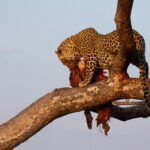
Leopards in Murchison Falls National Game Park
May 19, 2026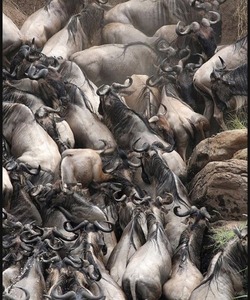
Dry Season Animal Convergence
Africa’s dry season creates one of the most remarkable wildlife experiences on the continent. During this period, animals gather around the remaining water sources and grazing grounds. Rivers, lakes, swamps, and permanent waterholes become meeting points for thousands of wild animals. This movement creates what many travelers and wildlife experts call dry season animal convergence. It is one of the best times for safari experiences because wildlife becomes easier to locate and observe in large numbers.
The dry season usually arrives between June and October in many African safari destinations. Rainfall reduces during this time. Grass becomes shorter and thinner. Seasonal water sources dry up. Animals then leave scattered areas and move toward places that still provide water and food. This natural movement brings predators and prey into the same regions. The result is dramatic wildlife action and unforgettable safari moments.
Travelers who visit Africa during the dry season enjoy clear views of wildlife. Vegetation becomes sparse. Trees lose some leaves. Bushes become thinner. These conditions improve visibility inside national parks and game reserves. Safari guides can easily track animals because they leave visible footprints near water sources and dusty trails. The concentration of animals also increases the chances of spotting rare species within a short time.
Dry season animal convergence supports the entire ecosystem. Herbivores gather around rivers and wetlands where green vegetation still survives. Carnivores follow these herbivores because they depend on them for food. Birds also migrate toward these areas to access fish, insects, and water. Every part of nature becomes active around these limited resources. The dry season therefore creates a complete wildlife spectacle that attracts photographers, researchers, and safari enthusiasts from around the world.
Why Animals Gather During the Dry Season
Animals gather during the dry season mainly because survival depends on water and food availability. Many parts of Africa experience long periods without rainfall. During these months, small streams disappear and temporary pools dry up. Only permanent rivers, lakes, and wetlands continue to provide water. Wild animals instinctively move toward these remaining resources.
Herbivores such as elephants, buffaloes, zebras, antelopes, and giraffes travel long distances in search of fresh grazing grounds. Short grass near water sources contains important nutrients that animals need during the dry season. These areas also provide easier access to drinking water. Large herds often move together because group movement offers protection from predators.
Predators closely follow herbivores during this season. Lions, leopards, hyenas, cheetahs, and wild dogs position themselves near waterholes and open plains where prey animals gather. Hunting becomes more successful because prey concentrations increase. Predators also benefit from reduced vegetation cover, which improves visibility during hunts.
Birdlife also changes during the dry season. Water birds gather around lakes, rivers, and swamps where fish remain available. Raptors patrol the skies searching for weakened animals and small prey. Migratory birds may also arrive in some regions depending on seasonal conditions. The dry season therefore supports rich biodiversity within concentrated areas.
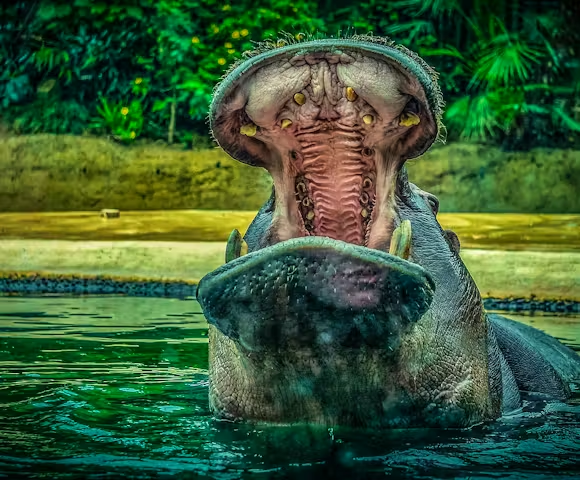
Dry season convergence also creates social interactions among animals. Elephants form large family groups near rivers. Buffaloes gather in massive herds for safety. Hippos crowd inside shrinking water pools. Crocodiles remain near riverbanks waiting for animals that come to drink. These interactions create dramatic safari scenes that visitors rarely witness during wetter months.
The search for survival drives every movement during this period. Nature becomes highly active and competitive. This natural cycle continues every year and shapes the migration patterns of many African wildlife species.
Best Places to Witness Dry Season Animal Convergence
Africa offers several exceptional destinations for viewing dry season animal convergence. National parks and game reserves with permanent water sources attract huge wildlife populations during this season. These locations provide some of the best safari experiences in the world.
In Serengeti National Park, the dry season supports one of Africa’s greatest wildlife spectacles. Large herds of wildebeests, zebras, and gazelles move across the plains in search of greener pasture and water. Predators remain close to these herds throughout the migration. The dry season also improves visibility across the endless savannah landscapes.
Masai Mara National Reserve becomes another major wildlife hotspot during the dry season. Animals gather around the Mara River and surrounding grasslands. River crossings attract global attention because crocodiles and predators wait near crossing points. Visitors enjoy excellent game drives because wildlife densities become very high.
In Kruger National Park, waterholes attract elephants, rhinos, buffaloes, lions, and leopards during the dry months. The park’s road network allows travelers to explore different ecosystems while observing concentrated wildlife activity. Dry vegetation also makes it easier to spot elusive predators hidden in the bush.
Uganda also offers remarkable dry season wildlife experiences. Queen Elizabeth National Park hosts large herds of buffaloes, elephants, and antelopes around the Kazinga Channel and surrounding plains. Hippos crowd the channel while predators patrol nearby grasslands. Game drives become highly productive because animals gather near accessible water sources.
Murchison Falls National Park attracts wildlife around the Nile River during the dry season. Elephants, giraffes, hartebeests, and crocodiles gather near riverbanks. Boat safaris offer close encounters with aquatic wildlife while game drives reveal concentrated animal movements.
In Hwange National Park, pumped waterholes become lifelines for wildlife during dry months. Huge elephant populations gather around these artificial water points. Predators remain nearby waiting for opportunities to hunt weakened prey animals.
These destinations show how dry season animal convergence transforms African wilderness areas into thriving centers of wildlife activity.
Wildlife Experiences During the Dry Season
The dry season creates excellent safari conditions for travelers who want unforgettable wildlife encounters. Animal concentrations increase around rivers, lakes, and waterholes. Visitors can therefore see multiple species within short distances during game drives and boat safaris.
Morning game drives become especially rewarding during the dry season. Animals remain active during cooler hours before temperatures rise later in the day. Predators often hunt early in the morning because prey animals gather around water sources. Travelers may witness lions stalking antelopes, leopards resting in trees, or hyenas competing for food.
Evening game drives also offer remarkable sightings. Animals return to drink before darkness falls. Elephants walk in long lines toward rivers while buffalo herds cover large sections of grasslands. Sunset lighting creates perfect photography opportunities across the African savannah.
Boat safaris become another major highlight during the dry season. Rivers and channels attract huge wildlife populations along the banks. Visitors can observe hippos, crocodiles, elephants, and water birds from close range. Boat excursions also provide calm and scenic experiences compared to traditional vehicle safaris.
Birdwatching becomes highly rewarding during this period. Waterbirds gather around wetlands while birds of prey search for vulnerable animals. Species diversity increases near permanent water sources. Travelers can therefore enjoy both wildlife viewing and birding within the same safari experience.
Photography conditions improve significantly during the dry season. Clear skies provide strong natural lighting. Dusty landscapes create dramatic safari scenes while shorter grass improves visibility. Wildlife photographers often prefer this season because animals remain concentrated within predictable areas.
Cultural experiences also complement wildlife safaris during the dry season. Many local communities continue daily activities around conservation areas. Visitors can learn about traditional lifestyles, cattle keeping, and local conservation efforts that support wildlife protection.
The dry season combines adventure, photography, relaxation, and wildlife education into one complete safari experience. Every day brings different sightings and natural interactions across the African wilderness.
Importance of Dry Season Animal Convergence to Conservation
Dry season animal convergence plays an important role in wildlife conservation and ecosystem balance. The movement of animals toward water sources supports natural ecological processes that maintain biodiversity across African landscapes.
Large herbivores help shape vegetation patterns during the dry season. Grazing animals trim grasslands and create open areas that support smaller species. Elephants open pathways through thick vegetation while searching for food and water. These natural activities improve habitat diversity within protected areas.
Predator-prey interactions also maintain ecological balance. Carnivores help control herbivore populations by hunting weaker animals. This process supports healthier wildlife populations and reduces overgrazing near water sources. Nature therefore regulates itself through seasonal animal movements.
Dry season convergence also supports scientific research and wildlife monitoring. Conservationists can easily study animal populations when species gather around predictable areas. Researchers track migration routes, breeding behavior, predator activity, and environmental changes during this period. These studies help improve wildlife management strategies across Africa.
Tourism generated during the dry season also contributes significantly to conservation funding. Many travelers visit Africa during these months because wildlife viewing becomes more rewarding. Park entrance fees, safari lodges, and tourism activities generate income that supports anti-poaching operations, habitat protection, and community conservation projects.
Local communities also benefit from wildlife tourism linked to dry season convergence. Employment opportunities increase in guiding, hospitality, transport, and handicraft industries. Communities that benefit from tourism often become active supporters of conservation programs because wildlife directly contributes to local livelihoods.
Climate patterns continue to influence dry season animal movements across Africa. Conservation organizations therefore work to protect water sources, migration corridors, and habitats that sustain wildlife during difficult seasons. Protecting these ecosystems remains essential for the future of African wildlife tourism.
Dry season animal convergence highlights the strong connection between nature, conservation, tourism, and local communities. It remains one of Africa’s greatest natural wonders and one of the continent’s most valuable ecological events.
Best Time to Experience Dry Season Animal Convergence
The best time to witness dry season animal convergence depends on the safari destination and regional climate patterns. In East Africa, the dry season usually occurs between June and October. This period offers excellent wildlife visibility and favorable weather conditions for safari activities.
In Uganda, the dry months of June to August and December to February provide rewarding game viewing experiences. National parks receive less rainfall during these periods. Animals gather near rivers and permanent water sources. Roads also remain more accessible for safari vehicles.
Kenya and Tanzania experience peak wildlife activity between July and October. This period coincides with the famous wildebeest migration across the Serengeti and Masai Mara ecosystems. Travelers can witness massive animal herds crossing rivers while predators follow closely behind.
Southern African countries such as Botswana, Zimbabwe, Zambia, and South Africa also experience exceptional dry season wildlife viewing between May and October. Vegetation becomes sparse while water sources shrink. Animals therefore concentrate heavily around rivers, wetlands, and pumped waterholes.
Travelers planning dry season safaris should book accommodations early because this period attracts many visitors. Luxury lodges, tented camps, and safari tours often receive high demand during peak wildlife seasons. Early planning helps secure the best safari experiences and accommodation options.
The dry season also offers comfortable safari conditions. Rain rarely interrupts game drives. Roads remain easier to navigate. Clear skies improve photography conditions while cooler mornings create pleasant safari temperatures.
Every safari destination offers unique dry season experiences. Some parks feature large elephant gatherings while others highlight predator activity or birdlife concentrations. Travelers can therefore choose destinations based on their wildlife interests and safari expectations.
Conclusion
Dry season animal convergence stands among Africa’s most spectacular wildlife phenomena. During this season, animals gather around remaining water and grazing areas in search of survival. Rivers, wetlands, lakes, and waterholes become centers of intense wildlife activity. Herbivores, predators, birds, and aquatic animals all interact within these concentrated ecosystems.
The dry season creates outstanding safari opportunities for travelers. Wildlife becomes easier to locate because vegetation thins and animals gather within predictable areas. Game drives, boat safaris, photography tours, and birdwatching experiences all become more rewarding during this period.
Africa’s famous national parks and reserves provide excellent locations for observing this natural event. From the plains of the Serengeti to the wetlands of Uganda and the waterholes of Southern Africa, every destination offers unique wildlife encounters during the dry season.
Dry season animal convergence also supports conservation efforts and local economies. Wildlife tourism generates income that protects habitats, supports communities, and funds conservation programs. Researchers also use this period to monitor wildlife populations and ecological changes.
For travelers seeking authentic African safari experiences, the dry season remains one of the best times to explore the continent. The gathering of animals around limited resources creates dramatic wildlife moments that showcase the beauty, struggle, and balance of nature.