
Culture in Mount Elgon National Park
April 8, 2026
Cultural Experience in Mgahinga National Park
April 8, 2026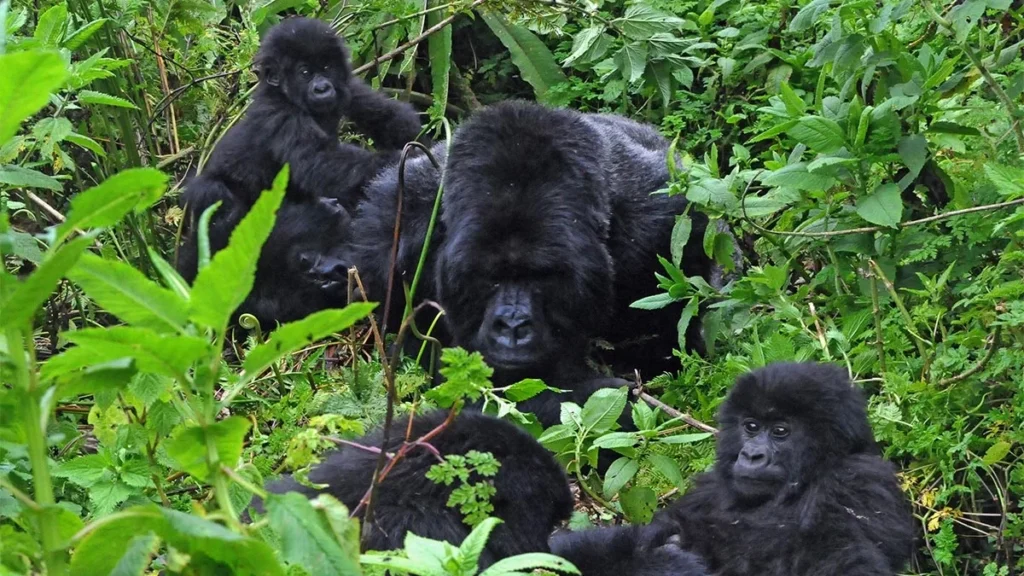
Culture in Bwindi National Park
Bwindi Impenetrable National Park stands as one of Africa’s most treasured natural destinations. The park lies in the western region of Uganda. It is famous worldwide for mountain gorilla trekking. Travelers visit this dense rainforest to experience close encounters with endangered gorillas. However, Bwindi offers much more than wildlife. It also preserves a rich cultural in Bwindi national park that adds depth to every safari experience.
Bwindi hosts about 450 mountain gorillas. This number represents nearly half of the global population. The park also supports over 120 mammal species and more than 350 bird species. These numbers highlight its ecological importance. Yet, beyond the wildlife, Bwindi protects the traditions of indigenous communities. These communities have lived in and around the forest for generations.
Among these groups, the Batwa pygmies stand out. They hold a deep spiritual and cultural connection to the forest. Their lifestyle, beliefs, and traditions reflect a unique way of life that existed long before modern conservation efforts. Visitors who explore Bwindi often discover that cultural encounters enrich their journey just as much as gorilla trekking.
This combination of biodiversity and culture makes Bwindi a complete destination. It offers both adventure and meaningful human connection. Travelers leave with a better understanding of Uganda’s natural and cultural heritage.
The Indigenous Batwa people of Bwindi
The Batwa people are among the oldest inhabitants of the Bwindi forest. People often refer to them as the “keepers of the forest.” This name reflects their deep knowledge of the जंगल and their traditional hunter-gatherer lifestyle. For centuries, they depended on the forest for food, medicine, and shelter.
The Batwa lived in harmony with nature. They hunted small animals and gathered fruits, honey, and medicinal plants. They understood the forest’s rhythms and respected its balance. Their culture evolved around this close relationship with nature. Songs, dances, and storytelling all reflect their connection to the land.
When Bwindi became a protected national park, the Batwa moved out of the forest. This change affected their traditional way of life. Today, they live in communities surrounding the park. Despite this shift, they continue to preserve their cultural identity. They share their traditions with visitors and pass their knowledge to younger generations.
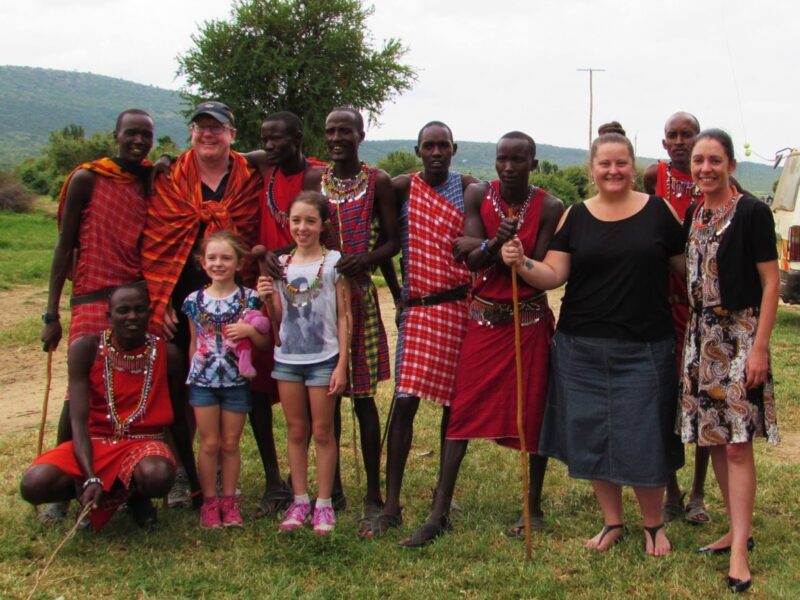
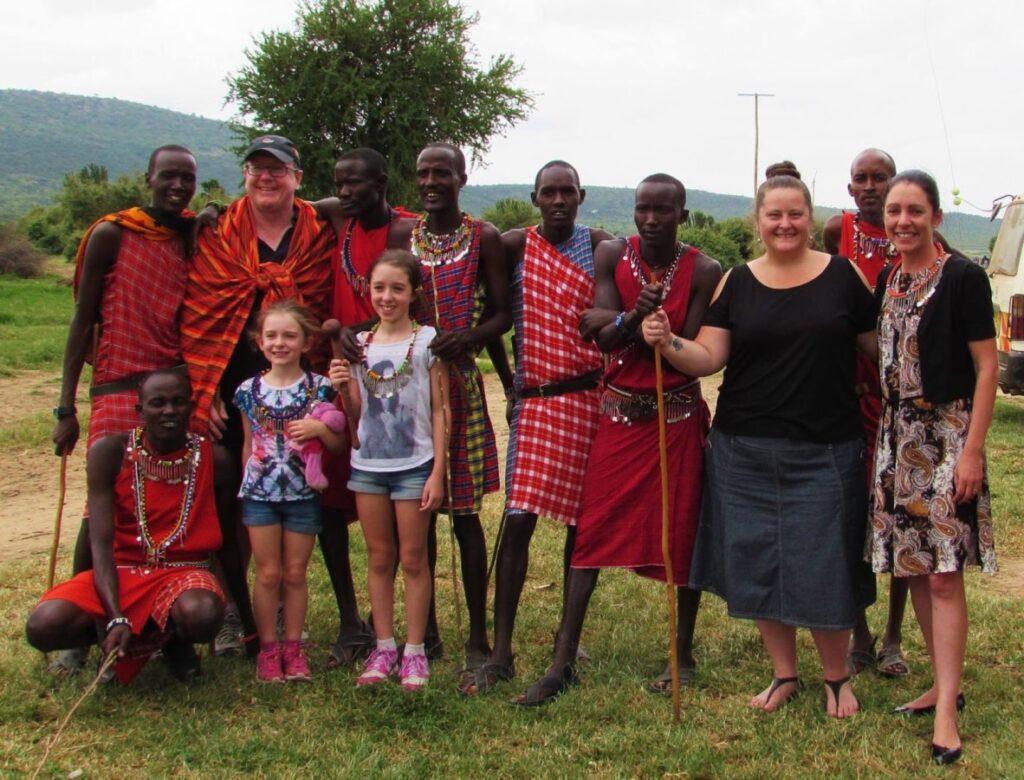
The Batwa community welcomes tourists with warmth and openness. Visitors often feel a strong sense of connection during cultural visits. These experiences create awareness about their history and current challenges. At the same time, tourism provides income that supports their livelihoods.
Learning about the Batwa offers insight into a culture that values simplicity, resilience, and respect for nature. It adds a human story to the natural beauty of Bwindi.
Cultural Experiences with the Batwa Community
A visit to Bwindi National Park feels incomplete without engaging in Batwa cultural experiences. These activities allow visitors to step into the daily lives of the Batwa people. They also create meaningful interactions that go beyond sightseeing.
Tourists can explore traditional Batwa homesteads. These homes reflect their original forest lifestyle. Guides explain how the Batwa built shelters using natural materials. Visitors learn how they started fires, prepared food, and survived. These demonstrations offer a hands-on understanding of their history.
Storytelling plays a key role in Batwa culture. Elders share stories about their ancestors and their connection to the forest. These stories often carry lessons about respect, survival, and community. Listening to them creates a deeper appreciation for their heritage.
Music and dance also form an important part of the experience. The Batwa perform traditional songs using simple instruments. Their dances express joy, unity, and cultural pride. Visitors often join in, creating a lively and memorable atmosphere.
These cultural visits do more than entertain. They educate and inspire. They also support the Batwa community through tourism income. This support helps improve their living conditions while preserving their traditions.
For travelers, these experiences create lasting memories. They provide a rare opportunity to connect with one of Africa’s most unique cultures.
Relationship with the Bakiga people
The Batwa live alongside the Bakiga people, another important community in the Bwindi region. The Bakiga people form a larger population and practice farming as their main livelihood. Their presence adds another layer to the cultural diversity of the area.
The relationship between the Batwa and Bakiga communities has evolved over time. Today, both groups coexist and interact regularly. The Bakiga people have influenced the Batwa in areas such as agriculture and trade. At the same time, the Batwa continue to maintain their distinct cultural identity.
Visitors to Bwindi often encounter both communities. This interaction provides a broader understanding of life in southwestern Uganda. It highlights how different cultures adapt and coexist in the same environment.
The Bakiga culture also offers unique experiences. Visitors can learn about traditional farming practices, local cuisine, and community life. These experiences complement Batwa cultural visits and create a well-rounded cultural tour.
Understanding these relationships adds depth to any Bwindi safari. It shows how culture and community shape the region just as much as wildlife and landscapes.
The Role of Culture in Bwindi Tourism
Culture plays a vital role in the tourism experience at Bwindi National Park. While gorilla trekking attracts most visitors, cultural tourism enriches their stay. It provides a deeper connection to the destination and its people.
Tour operators like Adira Safaris Africa integrate cultural experiences into travel itineraries. These experiences balance adventure with learning. Visitors do not only observe wildlife; they also engage with local communities. This approach creates a more meaningful and responsible travel experience.
Cultural tourism also benefits local communities. It generates income and creates employment opportunities. Guides, performers, and artisans all gain from tourist visits. This support helps improve living standards and encourages cultural preservation.
Moreover, cultural experiences promote respect and understanding. Visitors learn about different ways of life. They gain appreciation for traditions that differ from their own. This exchange fosters global awareness and connection.
Bwindi’s cultural offerings enhance its appeal as a travel destination. They transform a simple wildlife trip into a holistic journey. Travelers leave with both unforgettable memories and valuable insights.
Why Culture Matters in Bwindi National Park
Culture adds a human dimension to the natural beauty of Bwindi. It tells the story of people who have lived in harmony with the forest for generations. This story complements the park’s wildlife and landscapes.
The Batwa people represent resilience and adaptation. Their journey from forest dwellers to modern communities reflects strength and determination. Sharing their culture keeps their history alive and relevant.
For visitors, cultural experiences create a deeper emotional connection. They move beyond observation and become part of the experience. This connection makes travel more meaningful and memorable.
Culture also supports conservation efforts. When communities benefit from tourism, they value and protect natural resources. This relationship ensures the long-term sustainability of Bwindi National Park.
In Bwindi, culture and nature work together. They create a unique destination that offers both adventure and understanding. This combination sets Bwindi apart from many other national parks.
Conclusion
Bwindi Impenetrable National Park offers more than just gorilla trekking. It presents a rich cultural landscape shaped by indigenous communities. The Batwa people and their traditions bring life and meaning to the forest.
Visitors who engage with these cultures gain a deeper appreciation of Uganda’s heritage. They experience not only the beauty of nature but also the strength of human connection. Cultural tourism in Bwindi supports local communities and preserves traditions for future generations.
Adira Safaris Africa invites travelers to explore this unique blend of wildlife and culture. Bwindi stands as a destination where every journey tells a story. It is a place where nature and culture come together to create an unforgettable experience.