
Warthog Walk in Lake Mburo National Park
May 9, 2026
Walk with Elephants in Lake Mburo National Park
May 9, 2026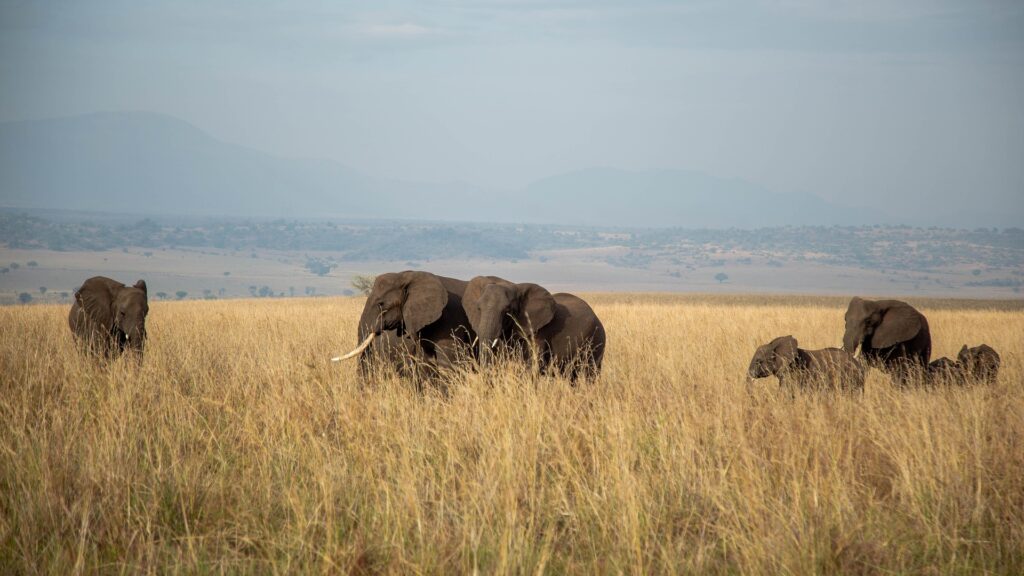
Bwindi Forest Elephants
Bwindi Impenetrable National Park is famous around the world for mountain gorillas, ancient rainforest beauty, and rich biodiversity. Yet deep within this misty forest lives another remarkable animal that many travelers rarely know about. These are the Bwindi forest elephants, small and secretive elephants that move quietly through dense vegetation. They are often described as tiny two meter elephants because they are shorter and more compact than the larger savannah elephants seen in open parks. Their rare presence adds another layer of wonder to Bwindi.
Unlike elephants in open grasslands, forest elephants prefer thick rainforest cover where they can feed, travel, and avoid danger. Their shy nature and the challenging terrain of Bwindi make sightings uncommon. Many tourists visit the park and never see one. That rarity makes every encounter special. For lucky travelers, seeing a forest elephant in the wild becomes one of the most unforgettable moments of a Uganda safari.
Bwindi’s forest elephants play an important role in the ecosystem. They open paths through vegetation, spread seeds, and help maintain natural balance in the rainforest. Though smaller in height, they remain powerful wild animals with deep intelligence and strong instincts.
Adira Safaris Africa introduces travelers to the hidden treasures of Uganda, and Bwindi forest elephants are among the most fascinating. They remind visitors that Bwindi is more than a gorilla destination. It is a living forest full of mystery, rare wildlife, and unforgettable natural experiences.
What Makes Bwindi Forest Elephants Different
Forest elephants differ from the well-known savannah elephants that roam open plains in other parts of Africa. The elephants of Bwindi Impenetrable National Park are smaller, more compact, and adapted to life in thick rainforest. Many people describe them as tiny two meter elephants because their shoulder height is lower than that of the giant bush elephants found in savannah regions.
Their smaller size helps them move through narrow forest paths, dense vines, steep slopes, and thick undergrowth. Large open-land elephants would struggle more in such terrain. Bwindi forest elephants developed body features that support movement in a crowded habitat. They often have straighter tusks, rounded ears, and a more compact frame suited for forest life.
Behavior also sets them apart. Savannah elephants often gather in visible herds across open landscapes. Forest elephants are harder to detect and usually remain hidden by vegetation. They move quietly, use cover well, and avoid human contact whenever possible. This secretive behavior is one reason tourists rarely see them.
Their diet reflects forest living too. They feed on bark, leaves, fruits, roots, and vegetation found in rainforest habitats. As they travel, they drop seeds in different places, helping plants regenerate across the forest.
Though smaller than their savannah relatives, forest elephants still command respect. They are strong, intelligent, and wild animals that know the forest better than any visitor ever could. Their uniqueness makes them one of Bwindi’s least known but most valuable species.
Why Tourists Rarely See Bwindi Forest Elephants
Many visitors come to Bwindi hoping for wildlife encounters, yet forest elephant sightings remain rare. Several reasons explain why these animals stay hidden from most tourists. Their elusive behavior, thick habitat, and limited numbers all play a part.
First, Bwindi is a dense rainforest. Trees, vines, bamboo patches, and heavy undergrowth block visibility. Even when an elephant stands nearby, the forest may hide it completely. In open savannah parks, animals can be seen from far away. In Bwindi, wildlife can disappear behind vegetation within seconds.
Second, forest elephants are naturally shy. They avoid people and often move away when they hear voices or footsteps. Years of living in challenging habitats have sharpened their caution. This helps them survive but makes sightings difficult.
Third, tourist activities in Bwindi focus mainly on gorilla trekking, birding, and nature walks. Forest elephants are not the main attraction, so travelers may spend limited time searching for them. Sightings usually happen by chance during treks or while moving between forest trails.
Their population is also much smaller than elephant numbers in major savannah parks. This lowers the chances of encounters. However, signs of their presence often appear. Rangers may show guests footprints, dung, feeding marks, broken branches, or forest paths used by elephants.
Because sightings are rare, they feel even more rewarding. Travelers who glimpse a Bwindi forest elephant experience something many visitors never do. That moment becomes a true wilderness memory and a story worth sharing for years.
The Role of Forest Elephants in Bwindi Ecosystem
Forest elephants do much more than live quietly in the rainforest. They shape the health of Bwindi Impenetrable National Park in important ways. Their daily movements, feeding habits, and natural behavior help keep the ecosystem balanced.
One major role is seed dispersal. Elephants eat fruits and vegetation from many plant species. As they travel through the forest, they spread seeds in new areas through dung. This supports plant growth and helps maintain forest diversity. Some tree species depend heavily on animals like elephants for regeneration.
Forest elephants also create natural pathways. Their movement through thick vegetation opens routes used by smaller animals and even by people on some old forest tracks. These paths improve movement within dense habitats and shape the structure of the forest.
When elephants feed on branches, bark, and shrubs, they influence plant growth patterns. This prevents some species from dominating and allows space for other plants to thrive. Their presence supports a healthier mix of vegetation.
Water access can also improve through their activity. In some habitats, elephants clear muddy spots or pathways near streams, helping other wildlife reach water sources.
Because of these ecological benefits, protecting forest elephants means protecting the wider rainforest system. Their disappearance would affect many plants and animals over time. They are key engineers of the forest, even if most people never see them.
Best Ways to Experience Bwindi Wildlife Including Elephants
The best way to explore Bwindi is through guided activities led by trained experts. While forest elephant sightings can never be guaranteed, several experiences increase your chance of understanding their world and noticing signs of their presence.
Gorilla trekking remains the top activity in Bwindi. During treks to mountain gorilla families, guides often point out tracks, dung, broken branches, or trails made by elephants. Even without a direct sighting, these clues reveal that elephants share the same forest.
Nature walks and community trails also provide excellent opportunities. Quiet walking groups move slowly through sections of forest where guides can interpret wildlife signs. These walks allow guests to appreciate sounds, smells, and details often missed during faster travel.
Birding tours help visitors spend more time in different habitats. Since birdwatchers move patiently and quietly, they sometimes encounter rare wildlife unexpectedly.
Staying multiple nights in Bwindi also improves chances. More time means more activities, more trail exposure, and better odds of witnessing rare species movement.
Travelers should always follow ranger instructions. Forest elephants are wild animals and deserve space. Safety and respect come first in every encounter.
Best Time to Visit Bwindi for Wildlife Viewing
Bwindi welcomes visitors all year, but some seasons provide easier trekking and better wildlife experiences. Dry seasons usually run from June to August and December to February. During these months, trails become less muddy and forest walks feel easier.
Shorter periods of rain may still occur, but movement improves overall. Clearer trails help guides cover ground more efficiently during trekking and nature walks. This can improve chances of noticing wildlife signs.
Rainy seasons bring lush scenery and dramatic forest beauty. The vegetation becomes greener, streams flow strongly, and bird activity rises. Although trails may become slippery, the forest feels vibrant and alive.
Because forest elephants stay hidden throughout the year, there is no guaranteed season for sightings. However, longer stays and multiple guided walks always increase opportunities.
Adira Safaris Africa helps travelers choose the best season based on comfort, gorilla permits, wildlife interests, and total safari itinerary.
Why Choose Adira Safaris Africa
Adira Safaris Africa creates authentic Uganda safari experiences with expert planning and personal service. Travelers visiting Bwindi benefit from knowledgeable guidance, reliable logistics, and customized itineraries.
The company arranges gorilla permits, accommodation, transport, and safari extensions to parks such as Queen Elizabeth, Kibale, and Lake Mburo. Guests enjoy smooth travel planning and professional support from arrival to departure.
Adira Safaris Africa values conservation and meaningful travel. Guides share insights about wildlife, culture, and forest ecosystems that enrich every journey.
Whether you seek gorilla trekking, birding, rare wildlife, or scenic adventure, the team builds a trip around your goals and budget.
Conclusion
Bwindi forest elephants are among Uganda’s rarest and most mysterious animals. These tiny two meter elephants live quietly in the deep rainforest and tourists rarely see them. Their smaller size, shy behavior, and hidden habitat make them one of Bwindi’s true secrets.
Yet their value is immense. They shape the forest, spread seeds, open paths, and support the health of one of Africa’s greatest rainforests. A sighting of one is rare, but even knowing they live within Bwindi adds wonder to every visit.
Book your Uganda adventure with Adira Safaris Africa and discover the hidden magic of Bwindi Forest Elephants along with the many treasures of Bwindi Impenetrable National Park