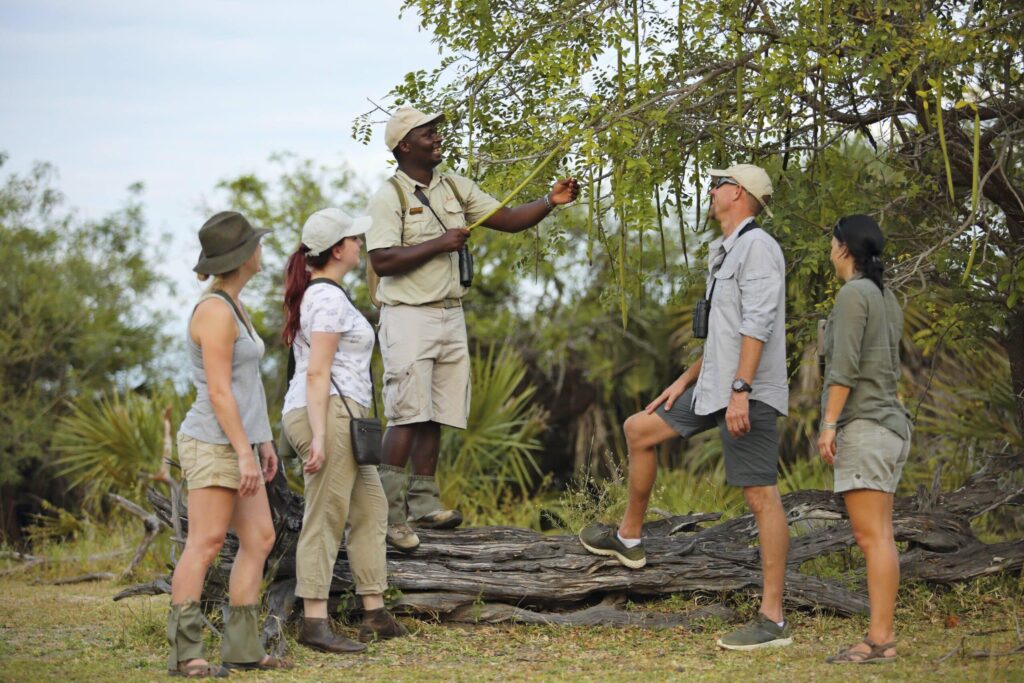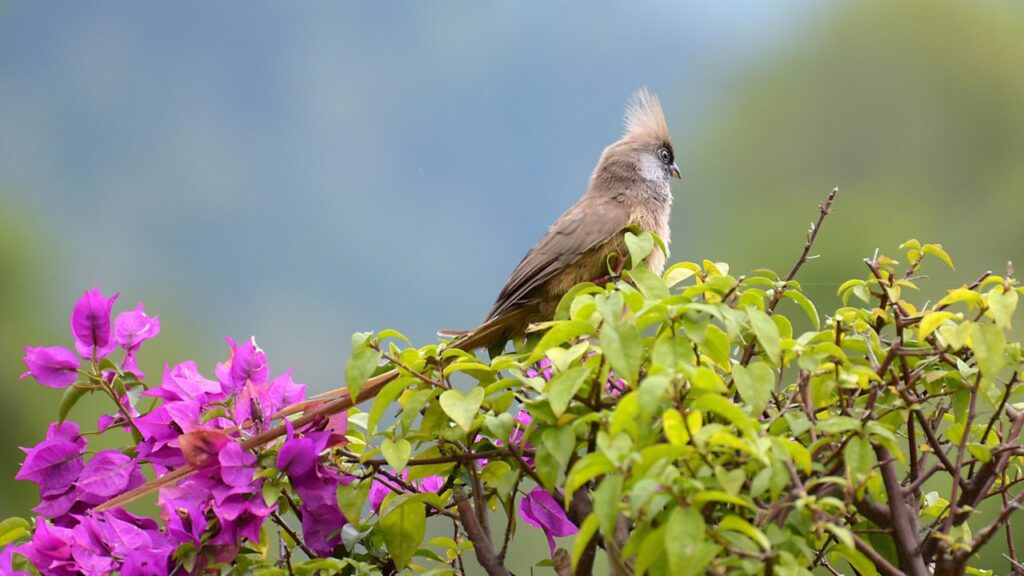

BOAT SAFARI IN KATAVI NATIONAL PARK
July 29, 2026
Sunset Sailing in Stone Town
July 31, 2026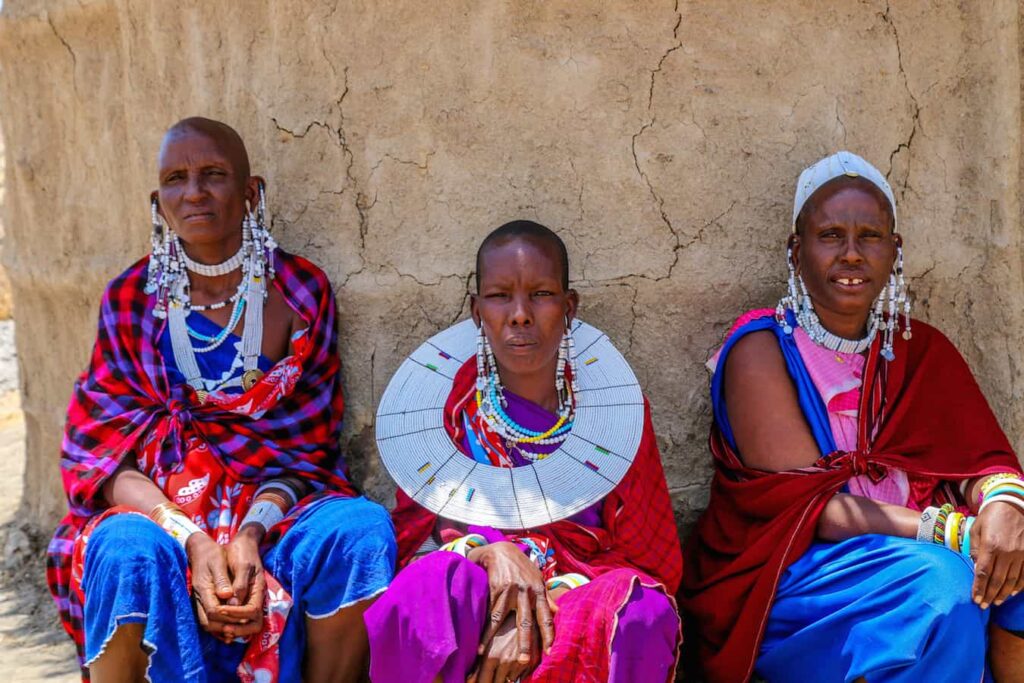
DATOGA COMMUNITIES IN TANZANIA
The Datoga communities are among the fascinating local communities that tourists can engage with during a cultural safari in northern Tanzania. A visit to the Datoga offers travellers a chance to move beyond the usual wildlife experience and discover the people, traditions, skills, and daily activities that form an important part of Tanzania’s cultural heritage. The Datoga people live in different parts of northern Tanzania, including areas around Lake Eyasi and the Ngorongoro Conservation Area. Their communities provide a meaningful cultural experience for visitors who want to learn more about traditional pastoral life and local craftsmanship. The Ngorongoro Conservation Area Authority identifies the Datoga as a pastoral community with a strong connection to livestock, while another group within the community specialises in traditional blacksmithing.
A cultural visit to the Datoga community gives tourists an opportunity to interact directly with local people. Visitors can learn how families organise their daily lives, how they care for livestock, how they produce traditional crafts, and how different skills support the community. The experience creates a personal connection between travellers and the people who call this part of Tanzania home. Instead of simply passing through the landscape, tourists can stop and listen to local stories, observe traditional activities, and ask questions through a respectful cultural exchange.
The Datoga are particularly known for their pastoral traditions and blacksmithing skills. Cattle, goats, sheep, and donkeys play important roles in the livelihoods of many Datoga families. The community also has skilled blacksmiths who make items such as knives, arrows, spears, jewellery, and other useful objects. These skills make a Datoga cultural visit especially interesting because tourists can witness traditional knowledge that continues to have practical value.
For travellers exploring Tanzania with Adira Safaris Africa, visiting the Datoga communities can add a valuable cultural dimension to a safari. It provides an opportunity to understand Tanzania through its people as well as its wildlife.
Where the Datoga Communities Live
The Datoga people live mainly in northern Tanzania, with important communities found around the Lake Eyasi basin and areas associated with the Ngorongoro Conservation Area. Lake Eyasi lies in a semi-arid part of the Great Rift Valley and provides an interesting setting for cultural tourism. The area is home to both Datoga and Hadzabe communities, making it an important destination for travellers interested in learning about local cultures.
The landscape around Lake Eyasi differs from some of the better-known safari environments in northern Tanzania. Visitors can experience open, dry landscapes, local settlements, vegetation, and seasonal changes around the lake. The environment has influenced the way local communities live and use available natural resources. For the Datoga, livestock remains central to their traditional way of life. Their knowledge of grazing, water sources, livestock care, and movement through the landscape reflects generations of experience in a challenging environment.
A cultural visit therefore becomes more than a simple stop at a village. The landscape itself helps visitors understand the community. The dry conditions make livestock management an important skill. Families need to understand where animals can find pasture and water. They also need to maintain strong social connections that support community life.
Tourists who visit the Datoga can observe how homes, livestock, crafts, and family activities fit together. The Ngorongoro Conservation Area Authority describes traditional Datoga houses as rectangular structures made from wooden poles, twigs, and mud. Such traditional construction reflects the use of locally available materials and the community’s ability to adapt to its surroundings.
The location also makes the Datoga experience easy to combine with other northern Tanzania attractions. Travellers visiting the Lake Eyasi area can learn about the Datoga while also exploring the natural environment around the lake. This combination makes the region particularly appealing to tourists who want a safari that includes wildlife, scenery, and cultural encounters.
Meeting and Interacting with the Datoga People
One of the main reasons tourists visit Datoga communities is the opportunity to interact with local people. A cultural encounter provides a chance to learn directly from community members rather than only reading about their traditions in books or online. Visitors can ask questions, listen to explanations, watch demonstrations, and learn how different activities contribute to everyday life.
Interaction should always take place respectfully. Tourists enter the community as guests, so they should remember that they are visiting people’s homes and places of daily life. A good cultural experience creates a two-way exchange. Visitors learn about the community, while the community benefits from responsible tourism and meaningful engagement with guests.
A Datoga cultural visit can introduce tourists to different aspects of traditional life. Depending on the community and the activities available on the day, visitors may see livestock keeping, traditional homes, craft making, beadwork, and blacksmithing. The experience can also include conversations about family life, local customs, and the changing world around the community.
The interaction can be especially valuable for families travelling with children. Young travellers can learn that different communities have different ways of organising daily life. They can see how people use local resources, care for animals, make useful objects, and pass skills from one generation to another.
Photographs can also help visitors remember the experience, but tourists should always ask for permission before photographing people. A respectful approach helps build trust and ensures that cultural tourism does not turn people into objects for photographs.
At Adira Safaris Africa, we believe cultural tourism should encourage learning and mutual respect. A visit to the Datoga community should allow tourists to appreciate the people and their heritage while supporting the local economy. When handled responsibly, these encounters can become some of the most meaningful memories of a Tanzania safari.
Datoga Pastoral Culture and Livestock Keeping
Livestock plays a central role in traditional Datoga life. The community has a strong pastoral heritage, and many Datoga families depend on cattle, goats, sheep, and donkeys. The Ngorongoro Conservation Area Authority confirms that Datoga pastoralists earn their livelihoods through keeping these animals.
For tourists, learning about livestock keeping provides a different perspective on Tanzania. Wildlife safaris often focus on wild animals such as elephants, lions, giraffes, and buffaloes. A cultural visit introduces visitors to domesticated animals and the people whose livelihoods depend on them. Cattle are not simply animals kept for food. They can form an important part of social and economic life.
Visitors can learn how families care for their animals and how livestock fits into the community’s daily routine. Herding requires knowledge of the environment. People need to understand grazing areas, water availability, weather patterns, and animal behaviour. These skills become particularly important in the dry landscapes around Lake Eyasi.
Livestock also connects the community with other economic activities. The Datoga use different resources to support their families, and some community members engage in crafts and blacksmithing. The community’s pastoral and craft traditions therefore work together in different ways.
The experience can also help tourists understand why land and natural resources matter to local communities. Water and grazing areas are important not only for wildlife but also for people and their livestock. Cultural tourism can therefore encourage visitors to appreciate the relationship between communities and the landscapes in which they live.
A knowledgeable local guide can explain these relationships during a cultural visit. Instead of simply observing cattle or goats, tourists can understand their importance to the community.
For visitors who want a deeper understanding of northern Tanzania, learning about Datoga pastoral culture adds an important human element to the safari experience.
Traditional Datoga Blacksmithing
Traditional blacksmithing is one of the most distinctive aspects of Datoga culture. Some Datoga families specialise in producing metal objects and traditional tools. The Ngorongoro Conservation Area Authority identifies Datoga blacksmiths as specialists who produce items such as arrows, knives, spears, and jewellery.
A cultural visit can give tourists an opportunity to watch these skilled craftspeople at work. The process can be fascinating because it demonstrates how knowledge and practical skills pass between generations. Visitors can observe how raw metal is heated, shaped, and transformed into useful objects and ornaments.
The blacksmithing tradition also illustrates the importance of specialised skills within the community. The Datoga blacksmiths trade their products within and beyond their communities. The Ngorongoro Conservation Area Authority notes that blacksmiths may trade their products for goats, lambs, honey, and other goods.
Tourists can learn about the tools used in the process and understand how traditional metalworking supports livelihoods. They can also purchase selected locally made crafts when the community offers them for sale. Buying directly from local craftspeople can support household incomes and encourage the continuation of traditional skills.
For photographers, the blacksmithing process can create interesting images of hands, tools, metal, fire, and finished products. However, visitors should ask permission before taking photographs, especially when photographing individuals.
The experience also highlights an important principle of cultural tourism. Traditional skills should not only exist as performances for visitors. They should remain meaningful to the people who practise them. Responsible tourists should therefore approach the activity with genuine curiosity and respect.
Seeing a Datoga blacksmith work can be one of the most memorable parts of a cultural safari. It allows visitors to witness a practical skill that connects the community’s past with its present.
Traditional Datoga Crafts and Jewellery
Craftsmanship forms another important part of a Datoga cultural experience. Community members produce a range of handmade items, including jewellery, ornaments, tools, and other objects. The Ngorongoro Conservation Area Authority notes that Datoga blacksmiths specialise in making jewellery alongside practical tools such as knives, arrows, and spears.
Visitors may also encounter traditional beadwork and handmade decorations during cultural visits. The Ngorongoro Lengai Geopark notes that Datoga women make clothing from animal skins and decorate them with beadwork, while some community members produce necklaces and other souvenirs for visitors.
These crafts provide tourists with more than souvenirs. They offer a way to understand local creativity and the use of traditional materials. Every handmade object can reflect skills, patience, and knowledge developed over many years.
Tourists who purchase locally made products can also contribute directly to community livelihoods. Rather than buying mass-produced souvenirs, visitors can choose items made by local craftspeople. This can create a more meaningful connection between the traveller and the destination.
Visitors should also respect the value of the work. Handmade products take time and skill to produce. Tourists should ask questions about the materials and production methods instead of treating the items as ordinary commercial goods.
The craft experience can also encourage conversations between tourists and community members. Visitors can ask how an item is made, what it is used for, and how the skill has developed over time.
For Adira Safaris Africa, cultural tourism is an opportunity to help travellers experience Tanzania in a deeper way. A visit to Datoga craftspeople allows tourists to see how culture, creativity, livelihood, and tradition can come together.
Datoga Traditional Homes and Village Life
A visit to a Datoga community can introduce tourists to traditional homes and the way families organise their living spaces. The Ngorongoro Lengai Geopark describes traditional Datoga homes as rectangular structures built using wooden supports, twigs, and mud.
These homes reflect practical knowledge about local materials and the surrounding environment. Building with materials available nearby reduces the need to transport heavy construction materials over long distances. It also demonstrates how communities can use their surroundings to create functional living spaces.
Tourists can learn about the layout of the settlement and the relationship between homes, livestock, and other daily activities. A village visit can show that culture does not exist only in ceremonies or special events. It exists in ordinary activities such as cooking, building, caring for animals, making crafts, and spending time with family.
Visitors should approach these homes with respect. They should not enter private spaces without permission or handle personal belongings. A good cultural guide can explain where tourists can walk and which areas remain private.
This type of encounter can also help visitors understand the difference between visiting a cultural community and visiting a museum. A village is a living environment. People continue to work, raise families, make decisions, and adapt to changing circumstances.
The experience becomes more meaningful when tourists listen rather than simply observe. Conversations with local people can provide insights that visitors cannot gain from a guidebook.
A cultural safari with Adira Safaris Africa can therefore help tourists discover the Datoga community through its everyday life. The experience provides a respectful opportunity to learn about traditional homes, family life, livestock, crafts, and the relationship between people and the environment.
Learning About Datoga Culture and Traditions
Culture forms the heart of a Datoga community visit. Tourists can learn about customs, beliefs, social structures, livelihoods, crafts, and traditional knowledge. The Ngorongoro Conservation Area Authority records that the Datoga have strong spiritual traditions and maintain connections with sacred places.
Visitors should approach such traditions with respect. Not every cultural practice exists for public viewing, and tourists should not expect community members to display sacred or private traditions simply for entertainment. A responsible cultural visit focuses on learning from activities and information that the community chooses to share.
The Datoga experience can also help tourists understand the diversity of Tanzania. Tanzania has many ethnic communities, each with its own languages, customs, livelihoods, and histories. Meeting the Datoga provides a chance to appreciate this diversity.
Cultural tourism also creates opportunities for conversation. Tourists can ask questions about daily life, traditional occupations, food, clothing, livestock, and crafts. These conversations can help visitors understand the community beyond common stereotypes.
A good cultural guide plays an important role in this process. The guide can introduce visitors properly, explain local customs, and help avoid misunderstandings. This creates a comfortable environment for both tourists and community members.
The experience should not encourage visitors to judge one culture according to another. Instead, it should encourage curiosity and respect. Every community has its own history and reasons for developing particular traditions.
For travellers, this can become one of the most educational parts of a Tanzania safari. Wildlife may introduce visitors to Tanzania’s natural heritage, while the Datoga introduce them to its living cultural heritage.
Cultural Tourism Around Lake Eyasi
Lake Eyasi provides an important setting for cultural tourism involving the Datoga community. The region is known for its Datoga and Hadzabe communities and offers travellers an opportunity to learn about different ways of life.
A visit to the area can therefore complement traditional wildlife destinations such as the Serengeti and Ngorongoro Conservation Area. Instead of focusing only on wildlife viewing, travellers can spend time learning about local people and their relationship with the environment.
The landscape around Lake Eyasi also creates a strong connection between culture and nature. The area has a dry climate and changing water conditions. Local communities have developed livelihoods suited to these conditions. Datoga pastoralists depend on livestock and need detailed knowledge of the landscape to manage animals successfully.
Visitors can appreciate this connection while travelling through the region. The scenery, local settlements, livestock, and cultural activities all form part of the wider experience.
Lake Eyasi also attracts tourists interested in combining cultural tourism with nature walks and bird watching. The lake environment supports a variety of bird species, and the surrounding landscape offers opportunities to explore on foot.
This makes the region suitable for travellers who want a safari that combines several experiences without losing focus on local culture.
Adira Safaris Africa can help visitors include a Datoga cultural experience within a broader northern Tanzania itinerary. A carefully planned route can combine cultural encounters with wildlife destinations while allowing enough time for meaningful interaction.
Why Tourists Should Visit the Datoga Communities
There are many reasons to include a Datoga cultural encounter in a Tanzania safari. The first is the opportunity to meet local people and learn about their everyday lives. This provides a human connection that wildlife viewing alone cannot offer.
The second reason is the chance to learn about traditional pastoralism. Livestock remains central to many Datoga families, and visitors can gain a better understanding of how people manage animals in a dry environment.
The third reason is the opportunity to see traditional blacksmithing. The Datoga are recognised for skilled metalworking, including the production of tools, weapons, and jewellery.
The fourth reason is the opportunity to experience local crafts. Visitors can see handmade items and, where appropriate, purchase products directly from community members.
Most importantly, the Datoga experience provides a chance to learn. Tourists can return home with more than photographs. They can return with a better understanding of the people who live in northern Tanzania.
Cultural tourism also gives visitors an opportunity to support local communities. When tourism programmes operate responsibly, local people can benefit through guiding, crafts, cultural activities, and other services.
A visit should always respect the community’s privacy and dignity. Tourists should ask before taking photographs, follow local guidance, avoid intrusive behaviour, and respect areas that community members consider private or sacred.
When visitors approach the experience with an open mind, the Datoga community can become one of the highlights of a Tanzania safari.
Responsible and Respectful Interaction with the Datoga
Responsible tourism should guide every cultural encounter. Tourists should remember that the Datoga are a living community, not a tourist attraction created for visitors. People have homes, families, beliefs, work, and personal boundaries.
Visitors should therefore ask permission before photographing people. They should also avoid entering homes or private spaces without an invitation. If a community member does not want a photograph or does not want to answer a question, tourists should respect that decision.
Tourists should also avoid making assumptions about the community based on a short visit. A cultural encounter provides only a glimpse into a much larger and more complex way of life. Visitors should listen carefully and allow local people to explain their own traditions.
Purchasing local crafts can provide another way to support community livelihoods. When possible, tourists should buy directly from the people who make the products. This helps keep more of the tourism value within the local community.
Visitors should also avoid littering. Cultural sites and villages deserve the same respect as national parks and wildlife reserves. Keeping the environment clean helps protect the community and the destination.
Responsible tourism can create positive relationships between visitors and hosts. Tourists gain knowledge and meaningful memories, while local communities gain opportunities to benefit from tourism.
Adira Safaris Africa encourages travellers to approach cultural experiences with respect, curiosity, patience, and humility. A successful visit should leave both the visitor and the host community feeling valued.
Plan a Datoga Cultural Experience with Adira Safaris Africa
A visit to the Datoga communities can add an important cultural dimension to a Tanzania safari. The experience allows tourists to meet local people, learn about pastoral traditions, observe traditional blacksmithing, discover handmade crafts, and understand how communities maintain cultural knowledge while adapting to a changing world.
The Datoga are especially associated with northern Tanzania and the Lake Eyasi and Ngorongoro areas. Their pastoral lifestyle and traditional craftsmanship provide a fascinating contrast to the wildlife experiences found in Tanzania’s national parks.
For tourists, the most valuable part of the experience is the opportunity to engage with people directly. A conversation with a local community member can sometimes become more memorable than a simple sightseeing stop. Watching a blacksmith shape metal or learning about livestock keeping can help visitors understand the skills that support daily life.
Cultural tourism also helps travellers see Tanzania as more than a wildlife destination. The country has a rich human heritage that deserves attention alongside its famous landscapes and animals. Meeting the Datoga can help visitors appreciate this broader story.
Adira Safaris Africa can include a Datoga community visit in a carefully planned Tanzania safari itinerary. The experience can work particularly well alongside a visit to Lake Eyasi, Ngorongoro, Manyara, Tarangire, or other destinations in northern Tanzania.
When you visit the Datoga, come prepared to learn. Listen to the community. Ask respectful questions. Take photographs only with permission. Support local crafts where possible. Most importantly, treat the experience as a meeting between people rather than simply another activity on a safari programme.
A Datoga cultural experience can leave you with a deeper appreciation of Tanzania’s people, traditions, skills, and landscapes.
Conclusion
The Datoga communities offer tourists a meaningful opportunity to engage with local people during a Tanzania cultural safari. Their traditional pastoral lifestyle, skilled blacksmithing, crafts, traditional homes, and connection with the landscape make them an important part of the cultural heritage of northern Tanzania. The Ngorongoro Conservation Area Authority recognises both Datoga pastoralists and Datoga blacksmiths, highlighting the diversity of livelihoods and skills within the community.
A visit to the Datoga is different from a traditional game drive. Instead of searching for wildlife, tourists spend time meeting people and learning about their way of life. They can discover the importance of cattle and other livestock, watch traditional metalworking, see handmade crafts, learn about traditional homes, and enjoy conversations with community members.
The experience becomes particularly meaningful around Lake Eyasi, where the Datoga live alongside other local communities. The landscape provides an important background for understanding their pastoral traditions and relationship with natural resources.
For responsible travellers, cultural tourism offers an opportunity to support local communities while gaining a deeper understanding of Tanzania. However, visitors should always respect privacy, ask permission before taking photographs, follow local guidance, and avoid treating traditional life as entertainment.
At Adira Safaris Africa, we believe that a complete Tanzania safari should allow travellers to experience both the country’s natural and cultural heritage. A visit to the Datoga communities can bring you closer to the people behind the landscape and help you understand the traditions that continue to shape life in northern Tanzania.
Whether you are interested in traditional pastoralism, blacksmithing, local crafts, community life, or cultural interaction, the Datoga can provide a memorable experience. Their knowledge, skills, traditions, and relationship with the environment offer travellers a different way to understand Tanzania.