
BOAT SAFARI IN LAKE MANYARA NATIONAL PARK
July 29, 2026
DATOGA COMMUNITIES IN TANZANIA
July 29, 2026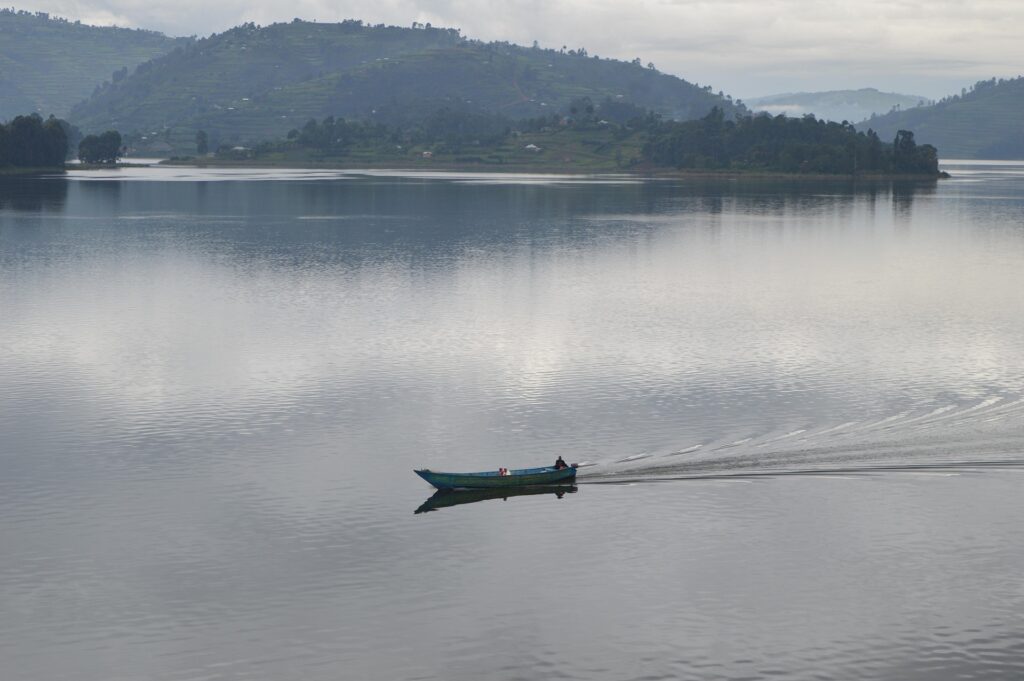
BOAT SAFARI IN KATAVI NATIONAL PARK
A boat safari in Katavi National Park offers an interesting way to experience the natural beauty of one of Tanzania’s most remote wilderness destinations. Katavi is famous for its untouched landscapes, large concentrations of wildlife, seasonal floodplains, lakes, rivers, and quiet wilderness atmosphere. The park offers visitors a chance to move away from busy tourist routes and experience nature in a more secluded setting. A water-based safari, where officially authorised and available, adds another perspective to this remarkable destination. Instead of viewing the park only from a safari vehicle, visitors can appreciate its waterways, wetlands, wildlife, and birdlife from a different position.
Katavi National Park lies in western Tanzania and covers a vast wilderness area. The park contains open grasslands, miombo woodlands, seasonal floodplains, rivers, and natural water sources that attract wildlife. During the dry season, many animals gather around the remaining water sources. Hippos and crocodiles are especially associated with the park’s waterways, while birds gather around wetlands and shallow pools. These water environments play an important role in supporting the park’s wildlife.
A boat safari can therefore provide a unique opportunity to appreciate the connection between water and wildlife. Visitors can observe the landscape from the water while enjoying the peaceful surroundings. They can also look for waterbirds and watch wildlife behaviour near the shoreline. The experience can suit travellers who enjoy photography, bird watching, nature, and quiet exploration.
However, visitors should confirm the current availability of boat excursions before including this activity in a Katavi itinerary. Current visitor information lists game drives as the main activity and guided walking safaris as another popular experience. TANAPA also promotes boat excursions in selected national parks and waterways, so availability depends on the specific location, official authorisation, operating conditions, and the season.
For travellers seeking an unusual safari experience, a properly authorised boat excursion can add another memorable dimension to a visit to Katavi.
Exploring Katavi’s Waterways by Boat
Katavi’s waterways form an important part of its wilderness environment. During the rainy season, areas of the park can become lush and wet. Seasonal lakes and floodplains fill with water, creating productive habitats for wildlife. As the dry season continues, many water sources shrink. Animals then concentrate around the remaining pools, rivers, and wetlands. This seasonal change creates some of the most dramatic wildlife scenes in Katavi.
A boat excursion, when available and authorised, gives visitors an opportunity to appreciate these aquatic environments from the water. The view differs greatly from a traditional game drive. From a vehicle, visitors usually focus on animals on the plains or around waterholes. From a boat, the water itself becomes part of the safari experience. The movement of the boat allows visitors to explore the shoreline and observe the surrounding landscape from a lower and more open viewpoint.
The experience can also feel peaceful. Katavi receives far fewer visitors than Tanzania’s most famous northern parks. This low visitor presence contributes to its remote wilderness character. Travellers can often enjoy long periods without seeing large numbers of safari vehicles.
The waterways also support a variety of wildlife. Hippos can gather in pools, while crocodiles may rest along muddy banks. Birds use wetland areas for feeding, resting, and nesting. Elephants and other mammals may approach water when conditions allow. These encounters can make a water-based safari particularly interesting for visitors who want to observe animal behaviour rather than simply tick species off a list.
The experience also highlights the importance of water in a dry-season ecosystem. Water determines where many animals spend their time. It supports plants and insects that form part of the food chain. It also creates habitats for birds and aquatic animals.
Wildlife Viewing During a Katavi Boat Safari
Wildlife viewing remains one of the major reasons travellers visit Katavi National Park. The park has a reputation for spectacular concentrations of wildlife, especially during the dry season. Large herds of buffalo, elephants, hippos, and other animals can gather around water and floodplain areas. Lions and other predators also live within the park.
A water-based safari can provide a different perspective on this wildlife. Animals often depend heavily on water, especially during the dry months. When water becomes scarce, wildlife gathers around remaining water sources. Hippos can occur in large groups in shrinking pools. Crocodiles may remain along the edges of rivers and waterholes. Elephants may approach water to drink and cool themselves.
These scenes demonstrate how wildlife adapts to seasonal changes. A boat excursion can allow visitors to observe the environment without disturbing animals. The guide or boat operator can explain the behaviour of different species and help visitors understand why animals gather in particular areas.
Katavi is particularly famous for its hippos. During the dry season, hippos can gather in impressive numbers as other water sources disappear. This creates a remarkable wildlife spectacle. Visitors may see hippos resting in water, interacting with each other, opening their mouths, or moving through shallow pools. Crocodiles may also lie quietly along the edges of waterways.
The park also supports elephants, buffaloes, giraffes, zebras, impalas, topi, warthogs, sable, roan antelopes, and other species. The presence of predators such as lions and leopards adds to the wider wildlife experience.
A boat safari should complement rather than replace land-based game viewing. Game drives remain the main activity in Katavi and provide access to a much wider range of habitats. A water experience can simply add another perspective to the overall safari.
Hippos and Crocodiles Along Katavi’s Waterways
Hippos and crocodiles are among the most fascinating animals associated with Katavi’s waterways. The park’s rivers, lakes, and seasonal pools provide suitable habitats for these animals. During the dry season, hippos may gather in very large groups as water becomes limited. This concentration creates dramatic scenes and demonstrates the importance of water to Katavi’s wildlife.
Hippos spend much of their time in water during the heat of the day. They may rest close together in pools and shallow water. Visitors can sometimes see only their heads and backs above the surface. At other times, hippos may open their mouths widely or interact with other members of the group. These behaviours can provide excellent opportunities for wildlife observation.
Crocodiles offer a completely different experience. They often remain still for long periods along the edge of the water. Their natural camouflage can make them difficult to notice. A careful guide can help visitors identify them resting on muddy banks or partially submerged in the water.
Visitors should always maintain a safe distance from both species. Hippos can appear calm but can become aggressive when they feel threatened. Crocodiles also remain powerful wild predators. No visitor should attempt to approach, touch, feed, or attract either animal.
A professional guide plays an important role during water-based wildlife viewing. The guide understands animal behaviour and knows how to maintain a safe distance. Visitors should follow all instructions given by the guide, boat operator, and park authorities.
The presence of hippos and crocodiles also makes responsible boating essential. Boats should operate within approved areas and follow official regulations. Visitors should avoid loud noises and sudden movements that could disturb animals.
Observing these animals from a safe and respectful distance allows travellers to enjoy one of Katavi’s most impressive natural spectacles while protecting the wildlife and the people involved in the safari.
Bird Watching During a Katavi Boat Safari
Bird watching can add another exciting element to a boat safari in Katavi. The park contains wetlands, floodplains, woodland, and grassland habitats that support a wide range of bird species. Water environments are particularly attractive to birds because they provide food, shelter, and nesting opportunities.
A boat excursion can provide a useful viewpoint for observing birds around water. Visitors may see birds along riverbanks, near shallow pools, or around wetland vegetation. Species associated with Katavi’s aquatic environments include African fish eagles, yellow-billed storks, African jacanas, kingfishers, and other water-loving birds.
The African fish eagle can be one of the most exciting birds to encounter near water. Its distinctive call can carry across the landscape. It often uses elevated branches as lookout points and searches the water for food. Kingfishers provide another interesting sight because they often perch close to water before diving to catch prey.
African jacanas are also fascinating wetland birds. Their long toes help them move across floating vegetation. Watching one move across water plants can give visitors a close look at how birds adapt to their environment.
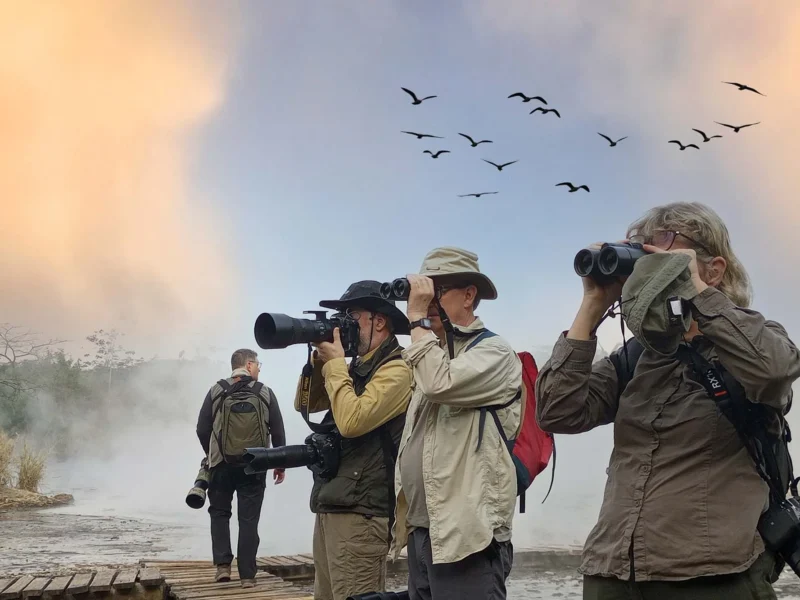
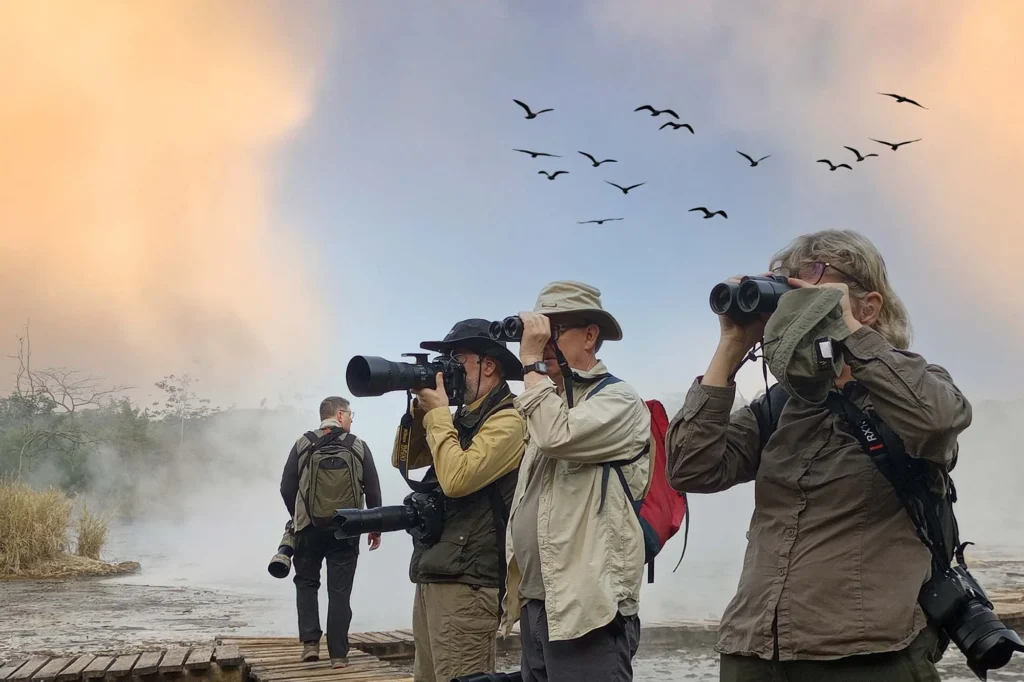
Birding from a boat requires patience. Some birds remain still for long periods, while others move quickly through vegetation. A good pair of binoculars can help visitors identify distant birds. A camera with a suitable zoom lens can also help capture photographs without disturbing the animals.
Birding adds another dimension to the safari because it encourages visitors to notice smaller details. Instead of focusing only on large mammals, travellers begin to listen for calls and look for movement among trees, reeds, and riverbanks.
For bird lovers, this can make a Katavi safari even more rewarding. The waterways provide an opportunity to combine scenic exploration, wildlife viewing, and bird watching in one experience.
Photography During a Boat Safari in Katavi
Photography is another reason why travellers may enjoy a boat safari. Katavi’s waterways create opportunities for landscape, wildlife, and bird photography. The combination of water, vegetation, wildlife, and open wilderness can produce memorable photographs.
A boat offers a different photographic perspective from a safari vehicle. Visitors can photograph the shoreline from the water and capture reflections when the surface remains calm. They can also photograph birds flying over the water, hippos resting in pools, and crocodiles along riverbanks.
Landscape photography can focus on the relationship between the water and the surrounding wilderness. Katavi’s open plains and woodlands create beautiful natural backgrounds. During the rainy season, the landscape can appear lush and green. During the dry season, the scenery becomes more open and golden, while wildlife concentrations around water can increase.
Bird photographers should carry a camera with a long zoom lens. This allows them to capture detailed images while maintaining a respectful distance. Binoculars can help locate birds before taking photographs.
Water protection should also remain a priority. Cameras and phones should stay inside suitable waterproof bags when they are not in use. Boat movement can create unexpected splashes, even when the water appears calm.
Visitors should also avoid standing suddenly or leaning too far over the boat to obtain a photograph. Safety should always come before getting the perfect image.
Good wildlife photography requires patience. Visitors should allow animals to behave naturally rather than trying to attract their attention. They should never make loud noises, throw objects, or use food to bring animals closer.
A responsible photographer can capture beautiful memories while still respecting wildlife and the environment.
The Beauty of Katavi’s Remote Wilderness
Katavi’s remote character forms an important part of its appeal. The park does not receive the same level of tourist traffic as the better-known safari destinations in northern Tanzania. This gives it a quiet atmosphere that appeals to travellers who want a more private wilderness experience.
A boat excursion can complement this sense of remoteness. The sound of water and wildlife can replace the noise of busy tourist areas. Visitors can spend time observing the landscape without feeling rushed.
The surrounding environment also adds to the experience. Katavi contains extensive grasslands and miombo woodlands, while seasonal floodplains transform with changing rainfall patterns. During the wet season, some areas become lush and green. During the dry season, water becomes scarce and animals gather around remaining water sources.
This seasonal contrast creates a dynamic landscape. The same area can look completely different at different times of the year. A traveller who visits during the wet season may see green vegetation and temporary wetlands. A traveller who visits during the dry season may see large wildlife concentrations around shrinking water sources.
The remote nature of Katavi also makes preparation important. The park lies far from many of Tanzania’s major tourist centres, and access requires more planning than visiting some northern parks. Visitors should work with an experienced safari operator who understands the logistics of travelling to western Tanzania.
The reward is a wilderness experience that feels less commercial and more secluded. For travellers who value privacy, nature, and authentic wildlife encounters, Katavi can be an excellent destination.
Best Time for a Boat Safari in Katavi
The best time for exploring Katavi depends on the type of experience a visitor wants. The dry season from around July to October is widely regarded as an excellent period for wildlife viewing. During these months, water becomes increasingly important because animals gather around remaining rivers, pools, and other water sources.
This seasonal concentration can create spectacular wildlife encounters. Hippos may gather in large numbers in shrinking pools. Buffaloes and elephants may concentrate around water. Predators can also become easier to locate because prey animals gather in predictable areas.
The wet season brings a different experience. Rain transforms the landscape and encourages fresh vegetation. Seasonal wetlands and shallow lakes can appear across areas of the park. Birds can benefit from these conditions, and the landscape can become particularly attractive for photographers.
However, visitors planning a boat safari should understand that water activities depend on official authorisation and operational conditions. Water levels, weather, safety considerations, park regulations, and availability can all influence whether a boat excursion operates on specific dates.
Therefore, travellers should confirm the activity before finalising their itinerary. Adira Safaris Africa can help visitors plan around the current conditions and available activities.
The best season ultimately depends on your priorities. If you mainly want large concentrations of wildlife, the dry season offers strong opportunities. If you prefer green landscapes, seasonal wetlands, and birdlife, the wetter period may offer a different appeal.
Safety During a Katavi Boat Safari
Safety should always come first during any water-based wildlife activity. Visitors should only use authorised boats and qualified operators. They should also follow all instructions given by the boat crew, safari guide, and park authorities.
Wild animals can behave unpredictably. Hippos and crocodiles deserve particular caution because they spend much of their time around water. Visitors should never attempt to approach them or encourage them to move closer to the boat.
Guests should remain seated when instructed. They should avoid leaning over the sides of the boat and should keep personal belongings secure. Cameras and phones should remain safely stored when the boat moves through areas where water may splash.
Life-saving equipment should form part of an authorised boating operation. TANAPA’s boating guidelines for national parks require appropriate safety measures and equipment for authorised boat excursions. The guidelines also emphasise safety briefings and proper supervision.
Visitors should listen carefully to the safety briefing before departure. The operator can explain where passengers should sit and how they should respond in an emergency.
Weather conditions can also influence boating safety. Strong winds, heavy rain, poor visibility, or difficult water conditions may require changes to the planned activity. Visitors should respect the decision of the operator or park authority if they postpone or cancel a boating activity.
Safety rules exist to protect both visitors and wildlife. Following them does not reduce the enjoyment of the safari. Instead, it allows everyone to experience the wilderness with greater confidence.
A professional safari company can also help visitors understand the safety requirements before they travel. This preparation makes the experience more comfortable and enjoyable.
What to Carry for a Katavi Boat Safari
Visitors should prepare carefully for a water-based safari. Comfortable and practical clothing can make the experience more enjoyable. Neutral-coloured clothing works well for wildlife activities because it does not create unnecessary visual disturbance.
Sun protection is also important. Visitors should carry a hat, sunglasses, and sunscreen. The open environment around water can expose passengers to direct sunlight for extended periods.
Binoculars are highly recommended for bird watching and distant wildlife observation. A camera with a zoom lens can also help visitors capture photographs without approaching animals too closely.
Because the activity involves water, waterproof protection is essential for electronics. A dry bag or waterproof pouch can protect cameras, mobile phones, travel documents, and other sensitive items from splashes.
Visitors should also carry drinking water. Staying hydrated is particularly important during warm days in western Tanzania.
Comfortable shoes can help when boarding and leaving the boat. Visitors should follow the operator’s instructions during these movements.
A small personal bag is usually better than carrying large luggage onto a boat. Large suitcases can take up valuable space and make movement difficult.
Travellers should also bring patience and an interest in nature. Wildlife does not follow a timetable. Birds may fly away before a photograph. Hippos may remain hidden in water. The landscape may change with the weather.
The most rewarding safari experiences often come from slowing down and appreciating what nature offers. A good preparation allows visitors to focus on the experience instead of worrying about equipment or comfort.
Responsible Tourism During a Katavi Boat Safari
Responsible tourism helps protect Katavi’s waterways and wildlife. Visitors should remember that they are entering a natural ecosystem rather than a controlled attraction. Every action can affect the environment.
Tourists should never throw rubbish into the water. Plastic, food packaging, and other waste can harm wildlife and pollute the ecosystem. Visitors should keep all rubbish until they can dispose of it properly.
Feeding wildlife should also remain strictly off-limits. Animals should find food naturally. Human food can change their behaviour and encourage them to approach boats or people.
Visitors should also avoid loud noises. Birds and other animals use waterways for feeding, resting, and breeding. Excessive noise can disturb them.
Boats should operate only within approved areas and under the required regulations. Visitors should not request that boat operators move closer to animals simply to obtain better photographs.
Responsible photography matters too. A photograph should never come at the cost of wildlife welfare. Visitors should not chase birds, approach nesting sites, or disturb animals for a better view.
TANAPA promotes responsible boating and wildlife experiences across its national parks. Its boating material highlights the importance of safety, environmental responsibility, and appropriate operation on Tanzania’s waterways.
Responsible tourism also helps protect Katavi for future generations. When visitors respect the park, they support conservation efforts and contribute to the long-term value of Tanzania’s wilderness.
A responsible boat safari should leave visitors with memories and photographs while leaving the natural environment as undisturbed as possible.
Combining Boat Experiences with Game Drives in Katavi
A boat excursion can complement a traditional Katavi safari. Game drives remain the principal activity in the park and provide the best way to explore its extensive land habitats.
During a game drive, visitors can explore grasslands, woodland, floodplains, and areas around water sources. They can search for elephants, buffaloes, lions, giraffes, zebras, hippos, antelopes, and many other animals.
Walking safaris offer another perspective. A guided walk allows visitors to pay attention to smaller details that they might overlook from a vehicle. They can learn about plants, animal tracks, insects, birds, and other features of the ecosystem.
A water-based activity, where authorised, can then provide another viewpoint. It focuses attention on the aquatic environment and the wildlife that depends on water.
Combining different activities creates a more complete understanding of Katavi. Visitors do not simply see animals. They experience how the park’s different habitats connect.
For example, a game drive can show an elephant herd moving across the plains. A water experience can show how animals depend on rivers or pools during dry periods. Bird watching can demonstrate the importance of wetlands. A walking safari can reveal tracks and plants that support the wider ecosystem.
This combination makes the safari more educational and memorable.
Adira Safaris Africa can help travellers create an itinerary that matches their interests and travel time. The company can also help confirm whether specific activities, including boating, are operating and authorised during the planned visit.
Why Visit Katavi for a Water-Based Safari Experience?
Katavi appeals to travellers who want to experience a quieter and more remote side of Tanzania. The park offers impressive wildlife, dramatic seasonal changes, extensive wilderness, and a relatively low number of visitors compared with Tanzania’s busiest safari destinations.
Its waterways provide a major part of this wilderness story. Rivers, seasonal lakes, floodplains, and pools influence where animals live and move. During the dry season, water becomes especially important. Wildlife gathers around the remaining sources, creating some of the most memorable scenes in western Tanzania.
A water-based experience can help visitors appreciate these environments from another perspective. The view from the water differs from the view from a safari vehicle. Visitors can focus on the shoreline, birds, hippos, crocodiles, vegetation, and the changing landscape.
The experience can also appeal to photographers. Water creates reflections and open views. Birds provide movement and colour. Wildlife around the shoreline can create excellent opportunities for photographs.
For nature lovers, the experience provides time to slow down and observe the environment. Katavi does not require visitors to rush from one sighting to another. Its remote character encourages travellers to appreciate the wilderness at a more relaxed pace.
However, the activity must always depend on official availability. Current Katavi visitor information continues to identify game drives and walking safaris as the main activities, so travellers should confirm whether a boat excursion is currently authorised and available before making it a central part of their plans.
This does not reduce the appeal of Katavi. The park remains a remarkable destination for wildlife and wilderness experiences, with water-based exploration offering an additional possibility when conditions and regulations allow.
Plan Your Katavi Safari with Adira Safaris Africa
Katavi National Park offers travellers an opportunity to explore one of Tanzania’s most remote and rewarding wilderness areas. Its extensive grasslands, miombo woodlands, floodplains, rivers, seasonal lakes, and wildlife-rich water sources create a unique safari environment. The park’s wildlife includes elephants, buffaloes, hippos, crocodiles, lions, giraffes, zebras, antelopes, and many other species.
A boat safari, where officially authorised and available, can add a new perspective to this experience. It allows visitors to appreciate the park’s waterways and surrounding landscape from the water. Bird watchers can search for water-associated species. Photographers can capture reflections, wildlife, and dramatic landscapes. Nature lovers can enjoy the peaceful atmosphere of the waterways.
The experience can become even more rewarding when combined with Katavi’s main safari activities. Game drives provide access to the park’s land habitats, while walking safaris offer a closer look at nature. A water excursion can then complement these activities by focusing on the aquatic environment.
Adira Safaris Africa can help you plan your Katavi safari according to your interests, travel dates, and available activities. Because water-based activities depend on current regulations and operational conditions, we recommend confirming availability before your trip.
Katavi is not simply a place to see wildlife. It is a destination where travellers can experience the rhythm of a wild ecosystem. During the dry season, animals gather around water. During the rains, the landscape changes dramatically. Birds fill wetlands and woodlands. Predators follow concentrations of prey. Every season brings a different story.
If a boat excursion operates during your visit, it can provide an exciting addition to this story. You can experience the waterways, observe wildlife from a different perspective, and appreciate the important role that water plays in Katavi’s ecosystem.