

Mikumi National Park
July 15, 2026
Katavi National Park, Tanzania
July 16, 2026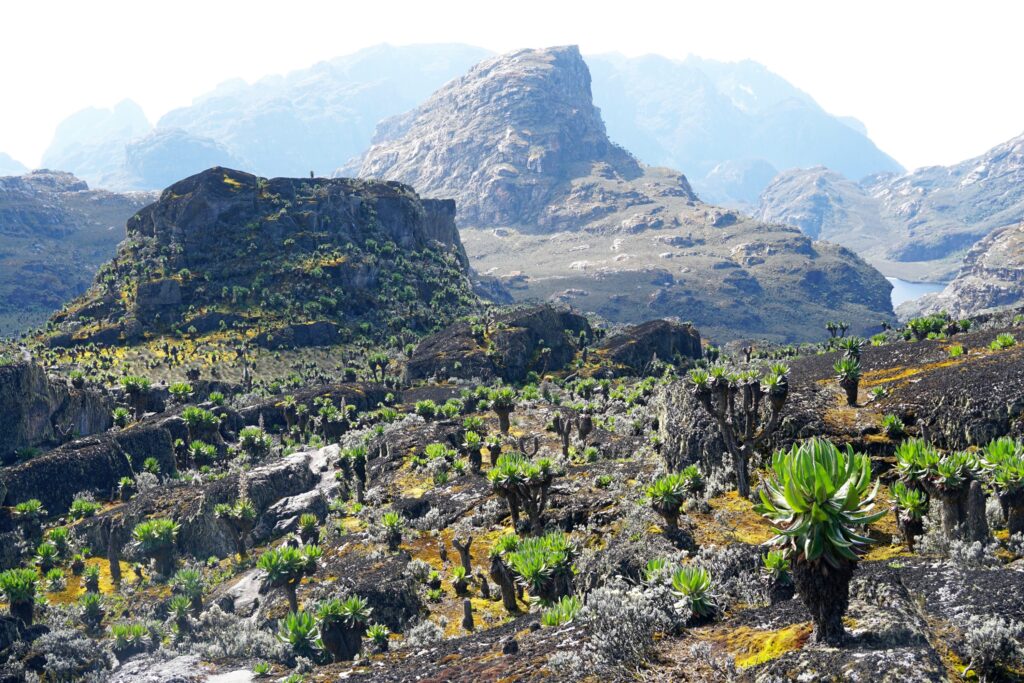
Udzungwa Mountains National Park, Tanzania
Udzungwa Mountains National Park is one of the most remarkable tourist destinations in Tanzania. The park stands out because of its rich biodiversity, beautiful mountain scenery, lush tropical forests, and spectacular waterfalls. Unlike many famous national parks in Tanzania, Udzungwa Mountains National Park does not focus on traditional game drives. Instead, it offers unforgettable hiking adventures, nature walks, bird watching, and wildlife viewing in one of East Africa’s most important forest ecosystems. It is an ideal destination for travelers who enjoy nature, photography, mountain trekking, and peaceful outdoor experiences.
The national park lies in south-central Tanzania and covers approximately 1,990 square kilometers. It forms part of the famous Eastern Arc Mountains, a chain of ancient mountains that scientists recognize as one of the world’s most important biodiversity hotspots. The forests in the park have existed for millions of years. This long history has allowed many unique plant and animal species to evolve. Many of these species live nowhere else on Earth. Because of this exceptional biodiversity, Udzungwa Mountains National Park attracts researchers, conservationists, bird lovers, and eco-tourists from around the world.
The landscape changes dramatically throughout the park. Visitors can walk through thick tropical rainforests, bamboo forests, open woodlands, mountain grasslands, crystal-clear streams, and deep valleys. The scenery becomes more impressive as hiking trails climb into the mountains. Every section of the park offers something different to discover. The cool mountain air, peaceful surroundings, and fresh forest atmosphere create an enjoyable experience for everyone.
One of the most interesting facts about Udzungwa Mountains National Park is that it has no roads inside the protected area for safari vehicles. This makes it different from many other Tanzanian parks such as the Serengeti or Ngorongoro Conservation Area. Visitors explore the park on foot with experienced guides. This approach allows travelers to enjoy nature at a slower pace. They can hear birds singing, observe butterflies, admire giant trees, and discover wildlife hidden within the forest.
Udzungwa Mountains National Park is also an important water catchment area. Many rivers originate in these mountains and supply fresh water to nearby communities and agricultural areas. The forests help regulate rainfall, protect soils, and support healthy ecosystems throughout the region. Conservation efforts continue to protect this valuable environment for future generations.
History of Udzungwa Mountains National Park
Udzungwa Mountains National Park officially became a national park in 1992. The Tanzanian government established the park to protect one of Africa’s richest tropical forests and conserve its unique wildlife. Before receiving national park status, the area already served as an important forest reserve. Scientists had discovered many rare animals and plants that existed nowhere else. This encouraged stronger conservation efforts to preserve the fragile ecosystem.
The park forms part of the Eastern Arc Mountains, which rank among the oldest mountain ranges in Africa. These mountains have remained relatively stable for millions of years. During periods of climate change, the forests survived while many surrounding areas became dry. As a result, plants and animals continued evolving in isolation. This process created many endemic species that only occur within the Eastern Arc Mountains.
Today, Udzungwa Mountains National Park protects hundreds of important plant species and serves as a refuge for rare mammals, birds, reptiles, amphibians, and insects. Researchers continue discovering new species in the park. This ongoing scientific interest highlights the global importance of the area. Conservation organizations, local communities, and the Tanzania National Parks Authority work together to preserve this unique natural heritage.
The park also supports sustainable tourism. Tourism creates employment opportunities for local communities through guiding services, accommodation facilities, transportation, handicrafts, and cultural experiences. These benefits encourage local people to participate in conservation while protecting the forests that support their livelihoods.
Wildlife in Udzungwa Mountains National Park
Although Udzungwa Mountains National Park is not famous for the Big Five, it offers outstanding wildlife viewing opportunities. The park is especially well known for its rich population of primates. It protects more than ten species of primates, making it one of Africa’s best destinations for monkey watching.
One of the park’s greatest attractions is the endangered Sanje mangabey. Scientists only discovered this monkey species in the 1970s. It lives exclusively in the Udzungwa Mountains. Visitors often encounter groups moving through the forest canopy while searching for fruits, leaves, and insects. Another remarkable species is the Iringa red colobus monkey, which is also endemic to the Udzungwa Mountains. Seeing these rare primates in their natural habitat creates an unforgettable wildlife experience.
Other primates found in the park include black-and-white colobus monkeys, vervet monkeys, blue monkeys, yellow baboons, and several galago species. The forests also provide habitat for elephants, buffaloes, bushbucks, duikers, leopards, civets, genets, giant forest squirrels, and numerous smaller mammals. While some larger mammals remain shy because of the dense vegetation, experienced guides know where visitors have the best chances of spotting wildlife.
Bird lovers also find Udzungwa Mountains National Park extremely rewarding. More than 400 bird species have been recorded here. Several of these birds are endemic to the Eastern Arc Mountains. Colorful forest birds, hornbills, turacos, sunbirds, eagles, kingfishers, and many migratory species make the park one of Tanzania’s finest bird-watching destinations. The combination of dense forest habitats and mountain ecosystems creates excellent conditions for both resident and seasonal bird species.
The park also supports hundreds of butterfly species, reptiles, amphibians, and thousands of unique plant species. Every forest trail offers opportunities to discover new forms of life, making each hike both educational and exciting.