
Culture in Amboseli National Park
June 17, 2026
Culture in Aberdare
June 19, 2026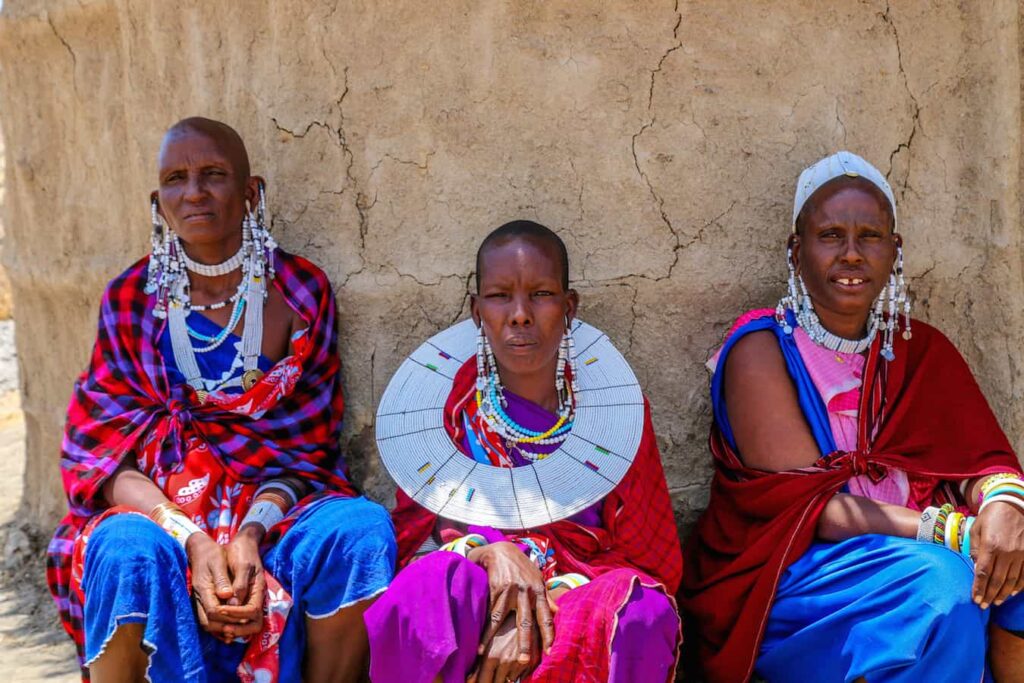
Culture in Samburu National Park
Samburu National Park is one of Kenya’s most fascinating safari destinations. Located in the northern part of the country along the banks of the Ewaso Nyiro River, the park is famous for its breathtaking landscapes, unique wildlife species, and rich cultural heritage. While many travelers visit Samburu to see rare animals such as the Grevy’s zebra, reticulated giraffe, Somali ostrich, gerenuk, and Beisa oryx, the cultural experiences found in the region make the destination even more rewarding. The area is home to the Samburu people, a proud and vibrant community whose traditions, customs, and way of life have remained deeply rooted in their history for generations.
Culture in Samburu National Park offers visitors a unique opportunity to interact with local communities and gain a deeper understanding of life in northern Kenya. These cultural encounters create meaningful connections between tourists and local people while providing valuable opportunities for learning and exchange. Visitors discover traditions, beliefs, skills, and lifestyles that differ greatly from those found in many modern urban environments.
A safari in Samburu becomes more memorable when wildlife experiences combine with cultural activities. Travelers not only enjoy spectacular game viewing but also engage with the people who have lived alongside wildlife in this semi-arid region for centuries. These interactions help visitors appreciate the strong relationship between culture, conservation, and sustainable tourism.
At Adira Safaris Africa, we believe that cultural tourism adds depth and value to every safari experience. The warm hospitality of the Samburu people, combined with their rich traditions and fascinating way of life, creates unforgettable memories for visitors exploring Samburu National Park.
The Samburu People and Their Rich Cultural Heritage
The Samburu people belong to one of Kenya’s most respected pastoral communities. They share ancestral connections with the Maasai but have developed distinct cultural traditions that make them unique. For generations, the Samburu have lived in the rugged landscapes of northern Kenya, adapting successfully to the challenges of a dry environment while preserving their cultural identity.
Livestock remains at the center of Samburu life. Cattle, goats, sheep, and camels provide food, income, and social status. Families depend on their animals for survival and often move across the landscape in search of grazing land and water. This pastoral lifestyle has shaped many aspects of Samburu culture, including social structures, ceremonies, traditions, and daily routines.
The Samburu maintain a strong sense of community and family. Elders play important leadership roles and guide decision-making processes within the community. Respect for elders remains a fundamental cultural value that influences social relationships and community harmony.
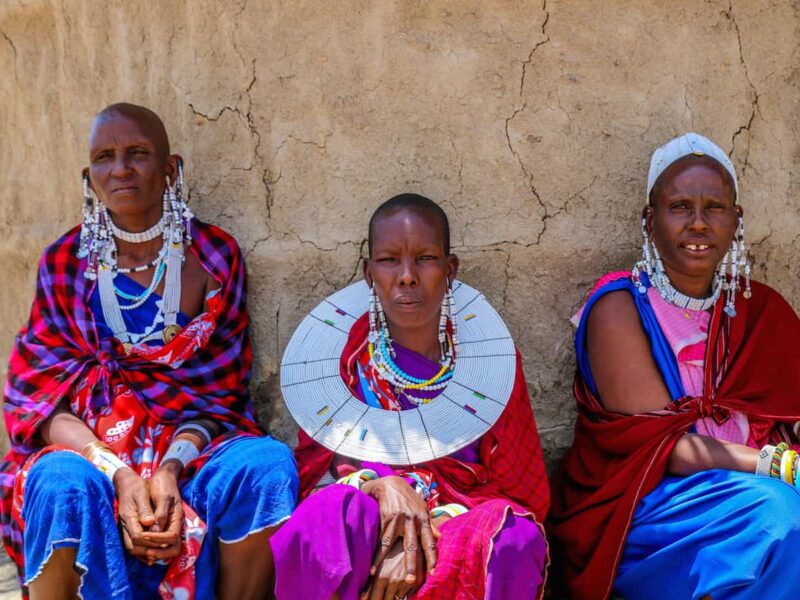
Visitors often notice the colorful clothing worn by the Samburu people. Bright red, blue, purple, and orange garments create striking visual displays that reflect cultural pride and identity. Men and women also wear elaborate beadwork that carries symbolic meaning and demonstrates artistic skill.
The Samburu culture remains vibrant because community members continue to pass traditions from one generation to another. This commitment to preserving cultural heritage allows tourists to experience authentic traditions that have endured for centuries. Through cultural visits, travelers gain valuable insights into a way of life that remains closely connected to nature and community values.
Visiting Traditional Samburu Villages
One of the most popular cultural experiences near Samburu National Park involves visiting traditional Samburu villages. These visits provide tourists with a rare opportunity to enter local communities and learn directly from the people who call this region home.
Upon arrival, visitors usually receive a warm and enthusiastic welcome. Community members often greet guests with traditional songs, dances, and expressions of hospitality. This friendly reception immediately creates a welcoming atmosphere and introduces travelers to the vibrant spirit of the Samburu people.
During village tours, local guides explain how families organize their daily lives and manage their livestock. Visitors learn about traditional housing structures known as manyattas. Women typically build these homes using locally available materials such as mud, sticks, grass, and animal hides. The structures provide protection from the harsh climate while reflecting generations of practical knowledge.
Tourists also gain insight into family life, marriage customs, social responsibilities, and traditional leadership systems. These discussions help visitors understand the values that guide community life and shape cultural identity. The opportunity to ask questions and engage in direct conversations creates a deeper level of understanding than simply reading about the culture.
Village visits encourage meaningful interaction between tourists and local residents. Rather than observing culture from a distance, travelers become active participants in a cultural exchange. These personal encounters often leave lasting impressions and create memories that remain long after the safari ends.
For many visitors, a Samburu village visit becomes one of the most rewarding aspects of their journey because it offers genuine human connections alongside wildlife experiences.
Traditional Dances and Cultural Performances
Traditional dances and cultural performances represent an important part of Samburu heritage. Music, singing, and dancing play significant roles in ceremonies, celebrations, social gatherings, and community events. These performances allow visitors to experience the energy and creativity that define Samburu culture.
The dances often involve rhythmic movements, coordinated group participation, and traditional songs. Men and women perform together or separately depending on the occasion. The performances showcase cultural pride while preserving customs that have existed for generations.
Colorful attire enhances the visual appeal of these cultural presentations. Beaded necklaces, bracelets, earrings, and traditional garments create vibrant displays that capture the attention of visitors. Every detail reflects cultural significance and artistic expression.
Singing forms an essential part of many performances. The songs often tell stories, celebrate achievements, honor traditions, or communicate important cultural messages. The powerful voices and rhythmic chants create an atmosphere that many tourists find both captivating and memorable.
Visitors frequently have opportunities to join the dances and interact with performers. Participating in these activities allows travelers to engage more deeply with local culture and creates enjoyable shared experiences. These moments of interaction help build friendships and mutual understanding between guests and community members.
Traditional performances also provide economic benefits for local communities. Revenue generated through cultural tourism supports families and encourages the preservation of cultural heritage. This connection between tourism and cultural preservation helps ensure that traditions continue to thrive in future generations.
Samburu Beadwork and Traditional Craftsmanship
Samburu beadwork ranks among the most beautiful and distinctive forms of traditional African art. The intricate designs, vibrant colors, and cultural symbolism make these handcrafted items highly valued by both local communities and international visitors.
Women play a central role in creating beadwork. They spend many hours designing necklaces, bracelets, earrings, belts, and decorative ornaments using skills passed down through generations. Each piece reflects creativity, patience, and cultural knowledge.
The colors used in beadwork carry important meanings. Different shades symbolize aspects of nature, community life, livestock, courage, beauty, and social status. Understanding these meanings helps visitors appreciate the cultural significance behind each design.
Tourists visiting Samburu villages often observe artisans working on their creations. Watching the process provides insight into the craftsmanship involved and highlights the dedication required to produce each piece. Many visitors develop a deeper appreciation for the artistry after seeing the work firsthand.
Purchasing beadwork and other handmade crafts supports local families and contributes directly to community development. Income generated through craft sales helps improve livelihoods while encouraging the continuation of traditional skills. Many travelers value the opportunity to take home authentic souvenirs that represent their cultural experiences.
Beyond beadwork, visitors may also find traditional carvings, decorative items, and handcrafted products that reflect Samburu culture. These crafts serve as lasting reminders of meaningful interactions with local communities.
The Relationship Between Culture and Wildlife Conservation
One of the most fascinating aspects of Samburu National Park is the strong connection between local culture and wildlife conservation. The Samburu people have lived alongside wildlife for generations and possess extensive knowledge of the natural environment. Their understanding of animal behavior, seasonal changes, and ecosystem dynamics contributes significantly to conservation efforts.
Community-based conservation initiatives have become increasingly important in the Samburu region. Local residents actively participate in wildlife monitoring, habitat protection, and conservation education programs. Their involvement strengthens efforts to protect endangered species and preserve natural resources.
Tourism creates incentives for conservation by generating income from wildlife and cultural experiences. When local communities benefit from tourism, they gain additional motivation to support conservation initiatives and protect wildlife habitats. This relationship creates a positive cycle that benefits both people and nature.
Many cultural visits include discussions about conservation challenges and successes. Visitors learn how communities coexist with wildlife and contribute to sustainable management practices. These insights help travelers understand the complex relationship between conservation and community development.
The partnership between conservation organizations, local communities, tourism operators, and government agencies has played a vital role in preserving the Samburu ecosystem. Cultural tourism strengthens these efforts by highlighting the importance of local participation in wildlife protection.
Community Empowerment Through Cultural Tourism
Cultural tourism provides significant benefits for local communities around Samburu National Park. Tourism creates employment opportunities, supports small businesses, and generates income that contributes to community development projects. These benefits help improve living standards while encouraging cultural preservation.
Many families earn income through cultural performances, village visits, guiding services, handicraft production, and tourism-related activities. These opportunities diversify income sources and reduce dependence on traditional livelihoods alone.
Women often benefit greatly from cultural tourism. Through beadwork production and craft sales, they gain financial independence and contribute directly to household income. This economic empowerment strengthens families and supports community development.
Tourism revenue also helps fund educational initiatives, healthcare services, and infrastructure improvements. Communities use these resources to create better opportunities for future generations while maintaining their cultural identity.
Visitors play an important role in this process. By participating in cultural experiences and purchasing local products, tourists contribute directly to community welfare. These interactions create a mutually beneficial relationship that supports sustainable tourism development.
The success of cultural tourism in Samburu demonstrates how responsible travel can generate positive outcomes for both visitors and local communities.
Why Cultural Experiences Enhance a Samburu Safari
Wildlife remains a major attraction in Samburu National Park, but cultural experiences add a unique dimension that transforms an ordinary safari into an extraordinary journey. Meeting local people allows visitors to understand the human side of the landscape and appreciate the rich traditions that shape life in northern Kenya.
Cultural interactions provide opportunities for learning that extend beyond wildlife observation. Travelers gain insight into local customs, values, history, and daily life. These experiences create deeper connections with the destination and foster greater appreciation for cultural diversity.
Photography enthusiasts particularly enjoy cultural visits because they offer colorful and authentic subjects. Traditional attire, beadwork, ceremonies, and village life provide excellent opportunities for storytelling through photography.
The personal connections formed during cultural visits often become some of the most memorable moments of a safari. Conversations with community members, participation in dances, and shared experiences create lasting impressions that visitors carry home with them.
Combining wildlife adventures with cultural encounters creates a balanced and enriching travel experience. Visitors leave with a more complete understanding of the region and a stronger appreciation for the relationship between people, culture, and nature.
Conclusion
Culture in Samburu National Park offers a lovely and meaningful interaction between tourists and local communities. The vibrant traditions of the Samburu people enrich every safari experience and provide visitors with valuable opportunities to learn about one of Kenya’s most fascinating cultures.
From traditional village visits and cultural performances to beadwork demonstrations and community interactions, cultural tourism creates memorable experiences that complement wildlife adventures. These activities support local livelihoods, preserve cultural heritage, and strengthen conservation efforts throughout the region.
The warmth, hospitality, and cultural pride of the Samburu people leave lasting impressions on visitors from around the world. Through authentic interactions, travelers gain a deeper understanding of life in northern Kenya and develop meaningful connections with local communities.
Adira Safaris Africa invites you to explore the rich culture of Samburu National Park and experience the unique blend of wildlife, tradition, and hospitality that makes this remarkable destination one of Kenya’s most rewarding safari experiences.