

Culture in Aberdare
June 19, 2026
Culture in Lake Nakuru National Park
June 19, 2026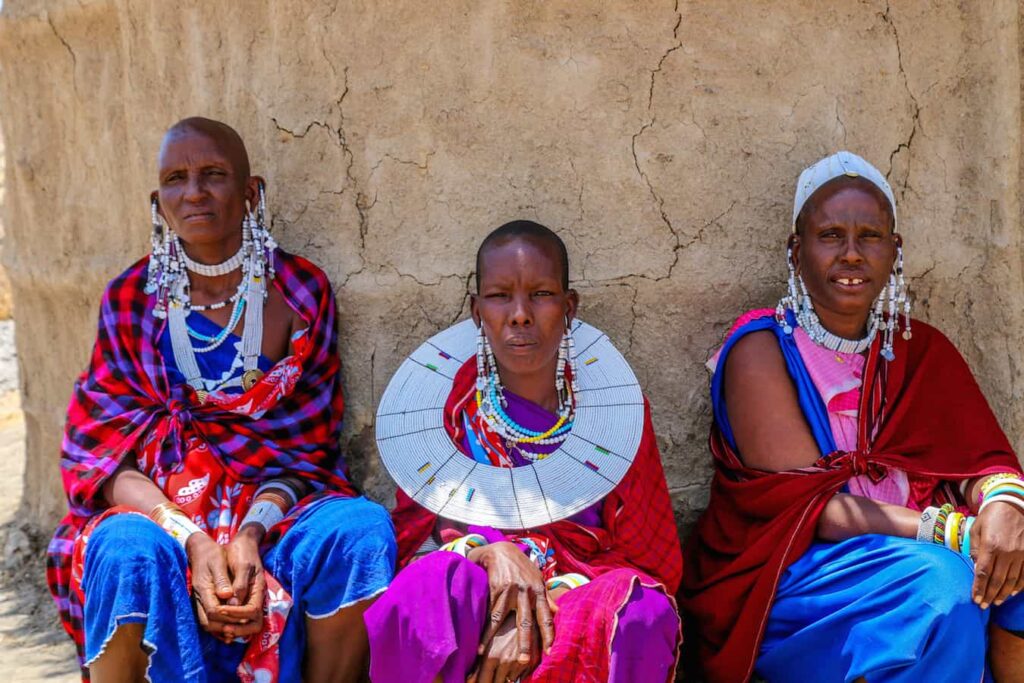
Culture in Maasai Mara National Park
The Maasai Mara National Park is one of Africa’s most celebrated wildlife destinations. It attracts thousands of visitors each year who come to witness incredible wildlife, breathtaking landscapes, and the famous Great Migration. Beyond its abundant wildlife, the Maasai Mara offers a rich cultural experience that allows tourists to connect with the local communities who have lived in harmony with nature for generations. Culture in Maasai Mara National Park forms an important part of the safari experience because it gives visitors an opportunity to learn about the traditions, customs, and lifestyle of the Maasai people. These cultural interactions create meaningful memories and provide a deeper understanding of the region’s heritage.
The Maasai people are among the most recognized indigenous communities in Africa. Their vibrant traditions, colorful clothing, distinctive customs, and strong connection to their ancestral land make them an important part of the Maasai Mara experience. Tourists who visit the region often have the opportunity to interact directly with local Maasai communities through organized cultural visits and village tours. These experiences allow visitors to go beyond wildlife viewing and engage with the people whose culture has shaped the identity of the region for centuries.
At Adira Safaris Africa, we believe that cultural tourism adds depth and authenticity to every safari. A visit to Maasai Mara becomes more meaningful when travelers learn about the lives of the local people, participate in traditional activities, and gain insight into the customs that define Maasai culture. These interactions promote cultural exchange, encourage mutual respect, and support community-based tourism initiatives that benefit local families. Through cultural experiences, visitors discover that Maasai Mara is not only a wildlife paradise but also a region rich in history, traditions, and human connections.
The Maasai People and Their Heritage
The Maasai people have a long and fascinating history that is deeply connected to the grasslands and savannahs of Kenya and Tanzania. For generations, they have maintained a semi-nomadic lifestyle centered on livestock keeping, particularly cattle, which hold great cultural and economic importance within the community. The Maasai view cattle as a symbol of wealth, status, and prosperity. Their way of life reflects a close relationship with nature and a strong commitment to preserving their cultural identity.
Visitors to Maasai Mara often learn about the history and traditions of the Maasai through guided cultural experiences. Local guides share stories about their ancestors, explain traditional customs, and discuss how the community has adapted to modern changes while preserving its heritage. These conversations provide valuable insights into the values that guide Maasai society, including respect for elders, community cooperation, bravery, and responsibility.
The Maasai are known for their distinctive appearance. Men and women often wear brightly colored shukas, which are traditional garments that have become symbolic of Maasai culture. Their beadwork, jewelry, and decorative accessories reflect creativity and cultural expression. Each design may carry specific meanings related to age, social status, family background, or personal achievements.
Cultural visits give tourists an opportunity to experience these traditions firsthand. Guests can observe daily activities, learn about family structures, and understand how cultural values influence everyday life. These interactions create authentic experiences that help visitors appreciate the rich heritage of one of Africa’s most iconic communities. Through these encounters, travelers gain a deeper respect for the Maasai people and their enduring cultural traditions.
Visiting a Traditional Maasai Village
One of the most popular cultural experiences in Maasai Mara National Park is a visit to a traditional Maasai village, commonly known as a Manyatta. This interactive experience allows tourists to step into the daily life of the Maasai community and gain firsthand knowledge of their customs and traditions. A village visit offers a unique opportunity to engage directly with local residents and learn about their way of life in an authentic setting.
Upon arrival, visitors often receive a warm welcome from community members. Traditional songs and dances create an inviting atmosphere and introduce guests to Maasai cultural expressions. Community guides explain the layout of the village and provide information about the construction of traditional homes. These houses are typically built using locally available materials such as mud, sticks, grass, and cow dung. Visitors can enter the homes and observe how families organize their living spaces.
The village experience also includes discussions about livestock management, family life, education, and community responsibilities. Tourists learn how cattle play a central role in Maasai culture and how families care for their animals. Local residents share stories about daily routines, traditional ceremonies, and important cultural practices that continue to shape community life.
Visitors often appreciate the opportunity to ask questions and engage in meaningful conversations with community members. This interaction creates a genuine cultural exchange that benefits both tourists and local residents. Through village visits, travelers gain a better understanding of the traditions that have sustained Maasai communities for generations while supporting local tourism initiatives that contribute to community development.
Traditional Maasai Music and Dance
Music and dance play an important role in Maasai culture. They serve as expressions of identity, celebration, communication, and community unity. Tourists visiting Maasai Mara often enjoy cultural performances that showcase traditional songs and dances passed down through generations. These performances provide an exciting and memorable way to experience Maasai heritage.
One of the most famous aspects of Maasai dance is the traditional jumping dance, often performed by Maasai warriors. During this energetic display, participants jump vertically while maintaining a straight posture. The dance demonstrates strength, endurance, and skill. It also serves as a symbol of pride and cultural identity. Visitors are often fascinated by the impressive athletic ability displayed during these performances.
Traditional songs accompany many dances and ceremonies. These songs often tell stories about community life, historical events, livestock, bravery, and relationships. The rhythmic chants and harmonies create a unique musical experience that reflects the cultural values of the Maasai people. Community members may explain the meanings behind specific songs, helping visitors understand their cultural significance.
Many performances encourage tourist participation. Guests can join the dances, learn basic movements, and interact with performers. This interactive approach makes the experience more engaging and enjoyable. Rather than simply watching from a distance, visitors become active participants in a cultural tradition.
These performances create lasting memories and strengthen cultural appreciation. Through music and dance, tourists experience the energy, pride, and community spirit that define Maasai culture. The experience adds an important cultural dimension to any safari adventure in Maasai Mara National Park.
Maasai Crafts and Traditional Art
The Maasai community is renowned for its craftsmanship and artistic traditions. Handmade crafts represent an important aspect of cultural expression and provide a valuable source of income for local families. Tourists visiting Maasai Mara often have opportunities to explore local markets and craft centers where artisans display their work.
Beadwork stands out as one of the most recognizable forms of Maasai art. Skilled artisans create colorful necklaces, bracelets, earrings, belts, and decorative items using intricate patterns and designs. Each piece reflects creativity, cultural symbolism, and traditional knowledge. Colors often carry specific meanings related to age, social status, or important life events.
Visitors can observe artisans at work and learn about the techniques used to create these beautiful pieces. Some cultural programs offer interactive workshops where guests can participate in bead-making activities. These hands-on experiences provide a deeper appreciation for the skill and patience required to produce traditional crafts.
In addition to beadwork, Maasai artisans create carvings, decorative items, clothing accessories, and handmade souvenirs that reflect local culture. Purchasing these products supports community livelihoods and helps preserve traditional skills. Visitors take home meaningful souvenirs while contributing directly to local economic development.
The craft industry also helps empower women within the community. Many women participate in craft production and use the income generated from sales to support their families. Through cultural tourism, these artistic traditions continue to thrive and provide opportunities for future generations.
Exploring Maasai crafts allows visitors to connect with the creative side of the culture. Each handmade item tells a story and reflects a rich heritage that remains vibrant and relevant in the modern world.
Traditional Maasai Cuisine and Culinary Experiences
Food plays an important role in understanding any culture, and the Maasai community offers visitors a chance to explore traditional culinary practices. Cultural visits often include opportunities to learn about local food preparation, traditional ingredients, and the significance of various foods within Maasai society.
The Maasai diet has traditionally centered on livestock products, including milk and meat, which reflect the community’s pastoral lifestyle. Over time, the diet has expanded to include grains, vegetables, and other foods influenced by changing lifestyles and interactions with neighboring communities. Visitors learn about these dietary traditions and how they continue to shape everyday life.
Community members often explain food preparation methods and discuss the role of meals in family gatherings and social events. These conversations provide valuable insights into the cultural significance of food and hospitality. Visitors gain a better understanding of how culinary traditions contribute to community identity and cohesion.
Sharing meals creates opportunities for meaningful interaction between tourists and local families. Food brings people together and encourages conversation, storytelling, and cultural exchange. Through these experiences, visitors develop a deeper connection with the local community and gain a more personal understanding of Maasai culture.
Traditional culinary experiences add another layer of authenticity to a Maasai Mara safari. They allow travelers to experience local hospitality while learning about customs that have been passed down through generations.
The Importance of Cultural Tourism in Maasai Mara
Cultural tourism plays a vital role in preserving Maasai traditions and supporting community development. While wildlife tourism remains the primary attraction in Maasai Mara National Park, cultural experiences provide additional opportunities for local communities to benefit from tourism activities. This approach creates a more sustainable tourism model that supports both conservation and cultural preservation.
Revenue generated from village visits, cultural performances, handicraft sales, and community programs contributes directly to local livelihoods. These benefits encourage communities to maintain their traditions while improving access to education, healthcare, and other essential services. Cultural tourism also helps preserve valuable knowledge, customs, and artistic practices that might otherwise face challenges in a rapidly changing world.
For visitors, cultural experiences create a more complete understanding of Maasai Mara. Travelers gain insights into the relationship between people, wildlife, and the environment. They learn how local communities contribute to conservation efforts and how traditional knowledge supports sustainable living practices.
At Adira Safaris Africa, we promote responsible cultural tourism that respects local traditions and encourages meaningful interactions. We work closely with communities to ensure that cultural experiences remain authentic, respectful, and beneficial to everyone involved.
The culture of Maasai Mara National Park offers visitors an extraordinary opportunity to connect with one of Africa’s most iconic communities. Through village visits, music, dance, crafts, storytelling, and shared experiences, tourists gain a deeper appreciation of the people who call this remarkable region home. These cultural encounters transform a safari into a rich and unforgettable journey that celebrates both nature and heritage.