
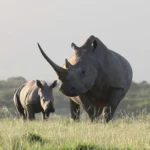
White and Black Rhinos in Lake Nakuru National Park
June 9, 2026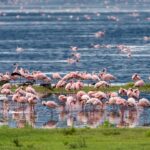
Flamingos in Lake Nakuru National Park
June 10, 2026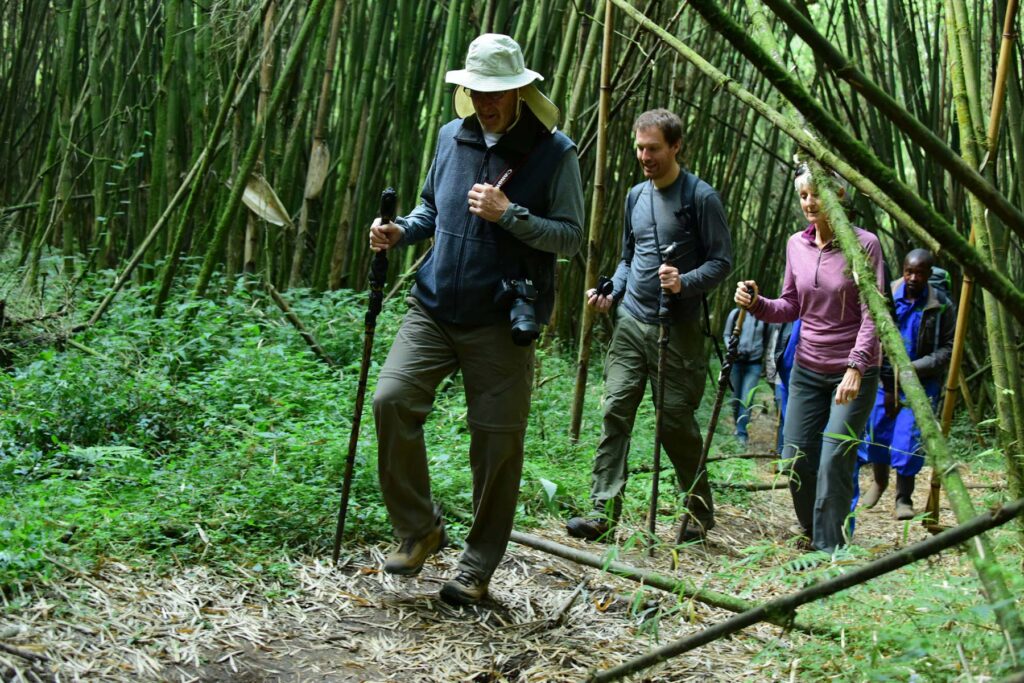
Bamboo Troops in Lake Nakuru National Park
Lake Nakuru National Park stands among Kenya’s most celebrated wildlife destinations. The park attracts thousands of visitors every year because of its rich biodiversity, beautiful landscapes, and remarkable wildlife experiences. While many travelers know the park for its rhinos, lions, buffaloes, and flamingos, another fascinating attraction captures the attention of nature lovers and wildlife enthusiasts. These are the Bamboo Troops that inhabit parts of the park’s forested areas. The Bamboo Troops add a unique dimension to wildlife viewing and offer visitors an opportunity to observe interesting animal behavior within a natural environment.
The Bamboo Troops consist mainly of monkeys and other primates that thrive in areas dominated by bamboo vegetation and forest ecosystems. These animals form social groups that move together through the park while searching for food, water, and shelter. Their playful behavior, communication skills, and social interactions create memorable experiences for tourists exploring Lake Nakuru National Park. Visitors often encounter these troops along forest trails, picnic areas, and sections of the park where bamboo and indigenous vegetation provide suitable habitats.
The presence of Bamboo Troops contributes significantly to the ecological balance of the park. These animals help disperse seeds throughout the forest ecosystem. As they feed on fruits and other plant materials, they spread seeds to different locations, supporting forest regeneration and plant diversity. Their activities play an important role in maintaining healthy habitats for many other wildlife species found within Lake Nakuru National Park.
Tourists who visit the park enjoy watching the Bamboo Troops as they leap between trees, groom one another, and care for their young. These natural behaviors provide excellent opportunities for photography and wildlife observation. The troops often demonstrate strong social bonds, making them one of the most engaging attractions within the park. Their presence enhances the overall safari experience and gives visitors a deeper appreciation of Kenya’s rich wildlife heritage.
Habitat and Environment of the Bamboo Troops
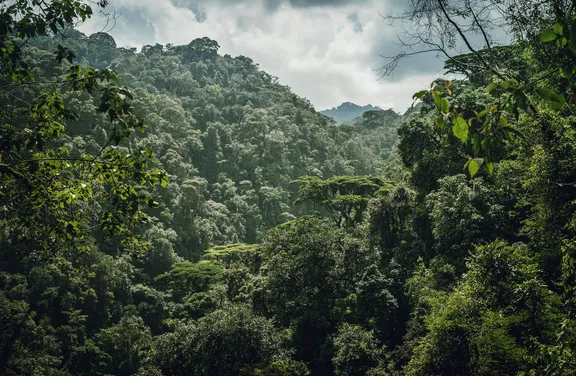
The Bamboo Troops thrive in areas where bamboo forests and indigenous woodlands provide adequate food and protection. Lake Nakuru National Park offers a favorable environment that supports these animals throughout the year. The park contains diverse vegetation zones that range from grasslands and acacia woodlands to riverine forests and bamboo-covered sections. These habitats provide shelter from predators while supplying abundant food resources.
Bamboo forests create ideal living conditions for these troops because they offer both nutrition and security. The dense vegetation protects the animals from harsh weather conditions and provides safe places for resting and raising young offspring. The interconnected tree canopies allow the troops to move efficiently from one area to another without spending excessive time on the ground.
The availability of fresh water within Lake Nakuru National Park also contributes to the survival of these animals. Rivers, streams, and seasonal water sources support the vegetation that forms part of their diet. During different seasons, the troops adjust their movement patterns based on food availability and environmental conditions. This adaptability helps them survive throughout the year despite changing weather patterns.
The forested sections of the park support many other wildlife species that coexist with the Bamboo Troops. Birds, insects, reptiles, and small mammals all benefit from the healthy forest ecosystem. This creates a dynamic natural environment where visitors can enjoy diverse wildlife encounters during their safari adventures. The relationship between the Bamboo Troops and their habitat highlights the importance of conservation efforts aimed at protecting natural ecosystems within Lake Nakuru National Park.
Visitors who explore these forested areas gain valuable insight into how different species interact with their environment. The Bamboo Troops serve as excellent examples of adaptation and survival in a protected wildlife habitat. Their continued presence demonstrates the effectiveness of conservation measures implemented within the park.
Behavior and Social Structure of the Bamboo Troops
One of the most fascinating aspects of the Bamboo Troops is their complex social structure. These animals live in organized groups that often consist of several individuals of different ages and genders. Each troop functions as a close-knit community where members cooperate to find food, protect one another, and care for younger animals.
Social interaction plays a central role in the daily lives of the Bamboo Troops. Members communicate using a variety of vocal sounds, facial expressions, and body movements. These forms of communication help maintain group cohesion and allow individuals to respond effectively to potential threats or opportunities. Visitors often observe troop members engaging in grooming activities, which strengthen social bonds and promote group harmony.
The troops spend much of their day searching for food. Their diet includes fruits, leaves, shoots, seeds, flowers, and other plant materials found within their habitat. They move through the forest with remarkable agility, using their climbing abilities to access food sources located high in the trees. Young animals learn these essential survival skills by observing and interacting with older members of the troop.
Protection of the group remains a shared responsibility among troop members. Adults remain alert to potential dangers while younger animals stay close to the group for safety. This cooperative behavior increases the chances of survival and contributes to the overall success of the troop.
The playful nature of the Bamboo Troops makes them especially attractive to visitors. Young individuals often engage in chasing games, climbing competitions, and mock wrestling matches. These activities help develop physical skills while strengthening social relationships within the group. Observing these behaviors offers tourists a unique opportunity to witness the complexity of animal societies in their natural environment.
Bamboo Troops and Tourism in Lake Nakuru National Park
The Bamboo Troops have become an important attraction for visitors seeking unique wildlife experiences in Lake Nakuru National Park. While the park remains famous for large mammals and birdlife, these primates provide an additional layer of excitement and diversity to safari activities. Their accessibility and active behavior make them particularly appealing to photographers, families, researchers, and wildlife enthusiasts.
Many visitors appreciate the opportunity to observe the Bamboo Troops at close range. Unlike some wildlife species that remain hidden for extended periods, these animals often move openly through forested areas, creating excellent viewing opportunities. Their energetic behavior keeps tourists engaged and provides countless moments for memorable wildlife photography.
Guided nature walks and game drives frequently include stops in areas where Bamboo Troops are commonly found. Professional guides share valuable information about the animals’ behavior, ecological role, and conservation significance. These educational experiences enhance visitor understanding and encourage greater appreciation for wildlife conservation efforts.
The Bamboo Troops also contribute to sustainable tourism development within the region. Their popularity attracts visitors interested in nature-based experiences, generating revenue that supports park management and conservation initiatives. Tourism income helps fund habitat protection, wildlife monitoring, community engagement programs, and environmental education activities.
For many travelers, encounters with the Bamboo Troops become highlights of their safari adventure. Watching these intelligent animals interact within their natural habitat creates lasting memories and strengthens connections between people and nature. The attraction serves as a reminder that every species contributes to the richness and beauty of Kenya’s protected areas.
Conservation Importance of the Bamboo Troops
Conservation efforts within Lake Nakuru National Park play a vital role in protecting the Bamboo Troops and their habitat. These animals depend on healthy forest ecosystems for survival, making habitat conservation essential for maintaining stable populations. The protection of bamboo forests and indigenous woodlands ensures that future generations can continue to observe and appreciate these remarkable creatures.
Habitat loss remains one of the greatest threats facing wildlife populations around the world. Protected areas such as Lake Nakuru National Park provide safe environments where species can thrive without the pressures associated with human encroachment and habitat destruction. Effective management practices help preserve the natural resources that support the Bamboo Troops and countless other wildlife species.
Environmental education programs encourage visitors and local communities to participate in conservation efforts. By learning about the ecological importance of the Bamboo Troops, people develop a stronger commitment to protecting wildlife and natural habitats. Conservation awareness contributes to long-term sustainability and helps ensure the continued success of protected areas.
Research and monitoring programs also support conservation objectives. Scientists study troop behavior, population trends, habitat use, and ecological interactions to better understand the needs of these animals. This information guides management decisions and helps park authorities address emerging conservation challenges.
The Bamboo Troops represent more than just a tourist attraction. They symbolize the importance of biodiversity conservation and demonstrate the interconnected nature of healthy ecosystems. Their survival depends on continued protection of the habitats that sustain them.
Conclusion
The Bamboo Troops of Lake Nakuru National Park offer visitors a unique and rewarding wildlife experience. Their fascinating social behavior, playful interactions, and ecological significance make them one of the park’s most interesting attractions. These animals enrich the biodiversity of Lake Nakuru National Park while contributing to the health and sustainability of the forest ecosystem.
Visitors who encounter the Bamboo Troops gain valuable insight into the complexity of wildlife communities and the importance of habitat conservation. Whether observed during a game drive, nature walk, or photographic safari, these remarkable animals leave lasting impressions on travelers from around the world.
As conservation efforts continue to protect Lake Nakuru National Park, the Bamboo Troops will remain an important part of the park’s natural heritage. Their presence enhances tourism, supports biodiversity, and showcases the beauty of Kenya’s wildlife. A visit to Lake Nakuru National Park would not be complete without experiencing the charm and excitement of the Bamboo Troops, one of the park’s most captivating attractions.