

Bamboo Troops in Lake Nakuru National Park
June 10, 2026
Ewaso Nyiro River Crocodiles
June 10, 2026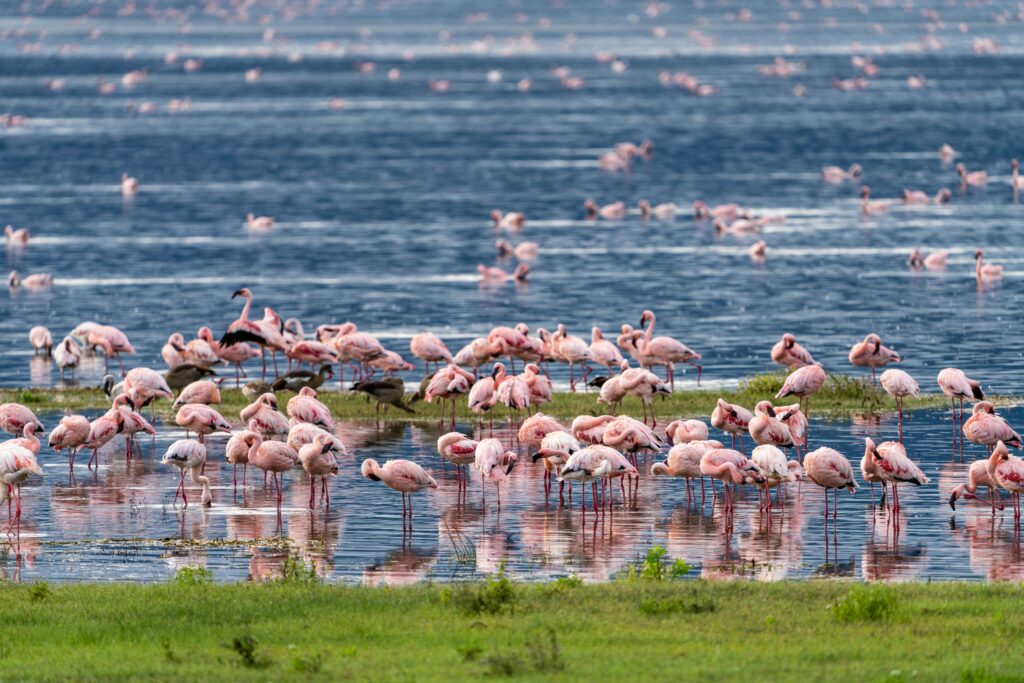
Flamingos in Lake Nakuru National Park
Flamingos are among the most famous attractions in Lake Nakuru National Park. These elegant birds have helped make the park one of Kenya’s most visited wildlife destinations. For decades, travelers from around the world have visited the park to witness the spectacular sight of thousands of flamingos gathering along the shores of Lake Nakuru. Their bright pink plumage, graceful movements, and large numbers create one of the most memorable wildlife spectacles in Africa.
Located in the heart of Kenya’s Great Rift Valley, Lake Nakuru National Park offers a unique habitat that supports a wide variety of bird species. However, flamingos remain the park’s most celebrated residents. The sight of these birds covering sections of the lake shoreline creates a breathtaking natural display that attracts photographers, birdwatchers, nature lovers, and safari enthusiasts throughout the year.
The presence of flamingos contributes significantly to the international reputation of Lake Nakuru National Park. Many visitors associate the park with the image of pink-colored shores created by thousands of feeding birds. This remarkable phenomenon has made Lake Nakuru one of the most photographed wildlife destinations in East Africa. Visitors often describe the experience as one of the highlights of their Kenyan safari adventure.
Flamingos not only enhance the beauty of the park but also contribute to its ecological diversity. Their feeding activities support the natural balance of the lake ecosystem. These birds form an important part of the park’s rich biodiversity and help demonstrate the ecological significance of Lake Nakuru as a protected conservation area.
For many tourists, a visit to Lake Nakuru National Park begins with the excitement of seeing flamingos in their natural environment. Their beauty, elegance, and impressive numbers continue to inspire visitors and reinforce the importance of wildlife conservation in Kenya.
Why Lake Nakuru Attracts Flamingos
Lake Nakuru provides favorable conditions that attract flamingos throughout different periods of the year. The lake is a shallow alkaline water body that supports the growth of algae and microscopic organisms. These organisms form the primary food source for flamingos and help sustain large populations of birds within the park.
The alkaline nature of the lake creates an environment where blue-green algae flourish. Flamingos feed by filtering water through their specialized beaks, extracting tiny organisms and nutrients. This feeding method allows them to thrive in habitats that many other bird species cannot utilize effectively. The abundance of food resources often determines the number of flamingos present at the lake during different seasons.
Water levels also influence flamingo populations within the park. Seasonal changes can affect food availability and feeding conditions. As a result, flamingo numbers may increase or decrease depending on environmental conditions. Despite these natural fluctuations, Lake Nakuru remains one of the most important flamingo habitats in East Africa and continues to attract significant populations throughout the year.
The surrounding environment further enhances the suitability of Lake Nakuru for flamingos. The protected status of the national park reduces disturbances and provides a safe environment for feeding and resting. The lake’s open shoreline allows visitors to observe the birds without difficulty while maintaining a respectful distance from their natural habitat.
The combination of abundant food, suitable water conditions, and effective conservation management makes Lake Nakuru National Park an ideal destination for flamingos. These factors continue to support the presence of one of Africa’s most iconic bird species and ensure that visitors enjoy unforgettable wildlife viewing opportunities.
The Beauty and Characteristics of Flamingos
Flamingos rank among the most recognizable birds in the world. Their striking pink coloration, long legs, curved necks, and unique feeding behavior distinguish them from other bird species. At Lake Nakuru National Park, these characteristics create a visually stunning attraction that captivates visitors from every corner of the globe.
The pink coloration of flamingos comes from pigments found in their diet. As they consume algae and small aquatic organisms, these pigments accumulate in their feathers and skin. Birds with access to abundant food resources often display brighter colors, creating the vibrant pink appearance that tourists admire. When thousands of flamingos gather together, their collective coloration transforms parts of the shoreline into a breathtaking sea of pink.
Flamingos possess remarkable adaptations that allow them to survive in alkaline lakes. Their specialized beaks function as natural filters that separate food particles from water and mud. They often feed with their heads upside down while moving slowly through shallow water. This unique feeding technique enables them to access food sources unavailable to many other birds.
These birds also demonstrate impressive social behavior. Flamingos live in large colonies and often move together while feeding, resting, or flying. Their synchronized movements create spectacular displays that attract photographers and bird enthusiasts. Visitors frequently witness groups of flamingos taking flight simultaneously, creating dramatic scenes against the backdrop of Lake Nakuru’s beautiful landscape.
Their graceful appearance and fascinating behavior contribute significantly to their popularity. Every encounter offers visitors an opportunity to appreciate the complexity and beauty of one of nature’s most extraordinary bird species.
Flamingo Viewing Experience in Lake Nakuru National Park
The experience of observing flamingos in Lake Nakuru National Park remains one of the most rewarding wildlife encounters in Kenya. Visitors can enjoy excellent viewing opportunities from various locations throughout the park. The lake shoreline, viewing points, and designated observation areas provide ideal positions for watching these magnificent birds in their natural habitat.
Early morning often offers some of the best flamingo viewing experiences. During this time, the birds actively feed in shallow water while soft sunlight enhances the beauty of their pink plumage. The calm atmosphere of the morning allows visitors to observe natural behaviors with minimal disturbance. Photographers particularly appreciate these conditions because they create excellent opportunities for capturing stunning wildlife images.
Throughout the day, flamingos continue their activities along the lake. Visitors may observe feeding, grooming, resting, and social interactions among large groups of birds. Their constant movement creates a dynamic and engaging wildlife spectacle. Every moment presents a new opportunity to witness interesting behaviors and interactions within the flock.
Several viewpoints within Lake Nakuru National Park provide elevated perspectives overlooking the lake. These locations allow visitors to appreciate the scale of flamingo populations and the beauty of the surrounding landscape. The combination of pink birds, blue water, green vegetation, and distant escarpments creates unforgettable scenery that highlights the natural beauty of the Great Rift Valley.
Guided game drives enhance the viewing experience by providing valuable information about flamingo ecology, behavior, and conservation. Experienced guides help visitors locate the best viewing areas and explain the significance of these birds within the broader ecosystem. Their knowledge enriches the safari experience and deepens appreciation for the park’s wildlife.
Importance of Flamingos to Tourism in Lake Nakuru National Park
Flamingos play a crucial role in the tourism industry of Lake Nakuru National Park. Their global popularity attracts thousands of visitors each year and contributes significantly to the park’s reputation as one of Kenya’s premier wildlife destinations. Many travelers include Lake Nakuru in their safari itineraries specifically to see these remarkable birds.
The attraction created by flamingos supports local economies through tourism-related activities. Hotels, lodges, safari operators, tour guides, and local businesses benefit from the steady flow of visitors who come to experience the park’s famous birdlife. This economic impact helps support conservation initiatives and promotes sustainable tourism development within the region.
Wildlife photography represents another important aspect of flamingo tourism. Professional photographers and hobbyists travel from around the world to capture images of the birds against the scenic backdrop of Lake Nakuru. Their photographs help promote the destination internationally and inspire more people to visit the park.
Educational tourism also benefits from the presence of flamingos. Students, researchers, conservationists, and birdwatchers visit the park to study bird behavior, ecology, and environmental conservation. These activities contribute to scientific knowledge and strengthen public awareness about the importance of protecting natural habitats.
The continued presence of flamingos ensures that Lake Nakuru National Park remains a leading wildlife destination in Africa. Their contribution to tourism extends beyond economic value and helps foster a deeper appreciation for wildlife conservation and environmental stewardship.
Conservation of Flamingos in Lake Nakuru National Park
The conservation of flamingos remains an important priority within Lake Nakuru National Park. Protecting these birds requires maintaining healthy lake ecosystems and preserving the environmental conditions that support their survival. Conservation efforts focus on safeguarding water quality, protecting habitats, and promoting sustainable management practices.
Park authorities work closely with conservation organizations to monitor bird populations and assess environmental changes that may affect flamingo habitats. Regular monitoring helps identify potential challenges and allows managers to implement appropriate conservation measures. These efforts contribute to the long-term protection of both flamingos and the broader ecosystem.
Environmental education programs encourage visitors and local communities to support conservation initiatives. By learning about the ecological importance of flamingos, people develop greater appreciation for wildlife protection and sustainable resource management. Awareness campaigns help build support for conservation efforts and promote responsible tourism practices.
Protected area management also plays a critical role in flamingo conservation. The national park provides a secure environment where wildlife can thrive with minimal disturbance. Effective regulations help reduce human impacts and preserve the natural conditions that attract flamingos to Lake Nakuru.
The success of these conservation efforts demonstrates the importance of protecting natural habitats for future generations. Flamingos serve as symbols of the park’s ecological value and highlight the need for continued commitment to wildlife conservation.
Conclusion
Flamingos remain the most iconic attraction in Lake Nakuru National Park and continue to captivate visitors with their beauty, elegance, and remarkable numbers. Their presence transforms the lake into one of Africa’s most spectacular wildlife destinations and creates unforgettable experiences for travelers from around the world.
The unique environmental conditions of Lake Nakuru provide an ideal habitat for these extraordinary birds. Their feeding habits, social behavior, and vibrant coloration contribute to the ecological richness and visual appeal of the park. Whether viewed from the shoreline, observation points, or during guided game drives, flamingos offer one of the most rewarding wildlife experiences in Kenya.
Beyond their beauty, flamingos play an important role in supporting tourism, environmental education, and conservation efforts. Their popularity helps generate awareness about the importance of protecting natural ecosystems and preserving biodiversity.
A visit to Lake Nakuru National Park offers the rare opportunity to witness one of nature’s greatest bird spectacles. The sight of thousands of flamingos gathering along the lake remains a symbol of Kenya’s incredible wildlife heritage and continues to inspire admiration among visitors from every part of the world.