
Wildlife in Samburu National Park
June 9, 2026
Bamboo Troops in Lake Nakuru National Park
June 10, 2026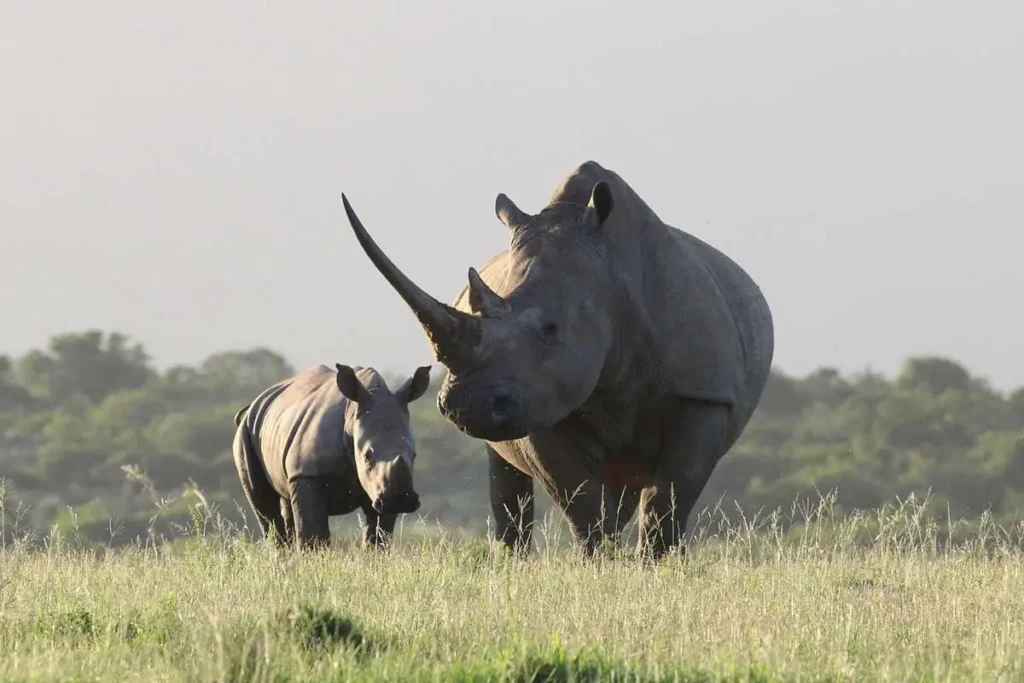
White and Black Rhinos in Lake Nakuru National Park
Lake Nakuru National Park stands among Kenya’s most celebrated wildlife destinations. Located in the heart of the Great Rift Valley, the park attracts thousands of visitors every year because of its diverse wildlife, beautiful landscapes, and successful conservation programs. Among its greatest attractions are the white rhinos and black rhinos that roam freely across the park’s grasslands, woodlands, and bushy habitats. These magnificent animals rank among the most sought-after wildlife sightings for tourists visiting Kenya.
Lake Nakuru National Park has earned international recognition as one of Africa’s leading rhino sanctuaries. The park provides a secure environment where both white and black rhinos thrive under constant protection. As rhino populations declined in many parts of Africa due to poaching and habitat loss, conservation authorities established strong protection measures in Lake Nakuru. Today, the park serves as an important refuge for these endangered species and plays a critical role in ensuring their survival.
Tourists visiting the park enjoy excellent opportunities to view rhinos throughout the year. Unlike some larger wildlife reserves where rhino sightings may require extended searches, Lake Nakuru offers a high chance of encountering these animals during game drives. Visitors can often observe rhinos grazing peacefully, resting beneath trees, or moving through the bush in search of food.
The presence of both white and black rhinos makes Lake Nakuru unique among Kenya’s national parks. Each species displays distinct physical features, feeding habits, and behaviors. These differences create an exciting and educational safari experience for wildlife enthusiasts. For many travelers, seeing these powerful creatures in their natural environment becomes one of the most memorable highlights of a Kenyan safari.
The History of Rhino Conservation in Lake Nakuru National Park
The story of rhino conservation in Lake Nakuru National Park represents one of Kenya’s greatest wildlife conservation successes. During the twentieth century, rhino populations across Africa declined dramatically. Illegal poaching for rhino horns threatened the survival of both black and white rhino species. Conservationists recognized the urgent need to establish secure habitats where rhinos could live and reproduce safely.
Lake Nakuru National Park became one of the chosen sanctuaries for rhino protection. Wildlife authorities introduced strong anti-poaching measures and increased security throughout the park. Rangers began monitoring rhino populations closely while conservation programs focused on habitat management and population growth.
The fenced boundaries of the park played an important role in protecting rhinos from external threats. This controlled environment allowed wildlife managers to monitor movements and ensure the safety of individual animals. Over time, these efforts led to a steady increase in rhino numbers.
Today, Lake Nakuru National Park hosts one of Kenya’s largest concentrations of rhinos. Visitors from around the world travel to the park specifically to observe these rare animals. The success of rhino conservation in Lake Nakuru demonstrates how dedicated protection efforts can help endangered species recover.
The park also serves as an important center for conservation education. Visitors learn about the challenges rhinos face and the importance of protecting wildlife habitats. By supporting tourism in the park, travelers contribute directly to conservation initiatives that help secure the future of rhinos in Kenya and across Africa.
White Rhinos in Lake Nakuru National Park
White rhinos represent one of the most impressive wildlife attractions in Lake Nakuru National Park. These giant herbivores are the larger of the two African rhino species. Adult white rhinos can weigh more than two tons and possess broad mouths that are specially adapted for grazing on grass.
Visitors often find white rhinos in open grassland areas where they spend much of their day feeding. Their broad square-shaped lips allow them to crop grass efficiently. Unlike black rhinos, which browse shrubs and trees, white rhinos prefer short grasses and open habitats.
White rhinos generally display calm and social behavior. They often gather in small groups, especially females with their young. Tourists can frequently observe several white rhinos grazing together across the plains. These group sightings provide excellent photography opportunities and memorable wildlife experiences.
One reason why white rhinos are relatively easy to spot in Lake Nakuru National Park is their preference for open landscapes. Their large size also makes them visible from considerable distances. During game drives, guides often locate white rhinos feeding peacefully near roads or resting beneath scattered trees.
Despite their enormous size, white rhinos move surprisingly quickly when necessary. They can run at impressive speeds over short distances. However, they generally prefer a relaxed lifestyle focused on feeding, resting, and social interaction.
The growing population of white rhinos in Lake Nakuru reflects the success of long-term conservation efforts. Visitors who encounter these magnificent animals gain a deeper appreciation for the importance of wildlife protection and sustainable tourism.
Black Rhinos in Lake Nakuru National Park
Black rhinos offer a different but equally exciting safari experience in Lake Nakuru National Park. Although they are smaller than white rhinos, black rhinos remain powerful and impressive animals. They possess a distinctive hooked upper lip that helps them browse leaves, twigs, and shrubs.
Unlike white rhinos, black rhinos prefer dense vegetation and bushy habitats. They spend much of their time feeding on shrubs and small trees. Their browsing habits allow them to occupy different ecological niches within the same environment.
Black rhinos tend to be more solitary and secretive than white rhinos. Adult individuals often live alone and maintain territories. This behavior can make sightings more challenging, which adds excitement to the safari experience. Spotting a black rhino often feels like a special achievement for wildlife enthusiasts.
Visitors exploring woodland and bushland areas of Lake Nakuru frequently encounter black rhinos moving quietly through vegetation. Their excellent sense of smell and hearing helps them detect potential threats. Although their eyesight is relatively poor, they remain highly alert and responsive to their surroundings.
Black rhinos play a crucial role in maintaining ecological balance. By feeding on shrubs and woody plants, they help shape vegetation patterns within the park. Their browsing activities contribute to habitat diversity and support other wildlife species.
Conservationists classify black rhinos as critically endangered in many regions. Lake Nakuru National Park therefore serves as an essential refuge for their survival. Every successful sighting highlights the importance of continued conservation efforts and responsible wildlife management.
Differences Between White and Black Rhinos
Many visitors assume that white rhinos and black rhinos differ in color. In reality, both species display similar gray coloration. The names originate from historical misunderstandings and linguistic interpretations rather than actual color differences.
The most noticeable distinction lies in their mouths. White rhinos possess broad square-shaped lips designed for grazing grass. Black rhinos have pointed hooked lips that allow them to browse leaves and branches. This difference reflects their distinct feeding habits and ecological roles.
White rhinos are generally larger and heavier than black rhinos. Their heads appear lower because they spend much of their time grazing close to the ground. Black rhinos carry their heads higher as they browse vegetation at various heights.
Behavior also differs between the two species. White rhinos often tolerate the presence of other rhinos and may form small groups. Black rhinos usually prefer solitary lifestyles and maintain stronger territorial behavior.
Visitors to Lake Nakuru National Park enjoy the rare opportunity to compare both species during the same safari. Observing these differences helps travelers understand the remarkable diversity that exists within Africa’s rhino populations.
Learning about the unique characteristics of each species enhances the safari experience. It also highlights the importance of protecting both white and black rhinos as essential components of Africa’s wildlife heritage.
Best Rhino Viewing Experiences in Lake Nakuru National Park
Lake Nakuru National Park offers some of the finest rhino viewing opportunities in Africa. The park’s relatively compact size and healthy rhino populations increase the chances of successful sightings. Many visitors encounter rhinos within the first few hours of their safari.
Early morning game drives often provide the best viewing opportunities. During these cooler hours, rhinos remain active and spend time feeding before seeking shade later in the day. Late afternoon game drives also offer excellent chances to observe rhinos as temperatures begin to decline.
The park’s open grasslands support large numbers of white rhinos. These areas allow visitors to observe the animals clearly while maintaining a safe distance. Black rhinos often appear in bushier sections where patient observation can lead to rewarding sightings.
Wildlife photographers particularly appreciate the opportunities available in Lake Nakuru. The combination of scenic landscapes, dramatic lighting, and abundant rhino populations creates ideal conditions for photography. Capturing images of rhinos against the backdrop of the Great Rift Valley remains a highlight for many visitors.
Professional safari guides play a key role in locating rhinos and interpreting their behavior. Their knowledge helps visitors understand feeding patterns, social interactions, and conservation challenges. Guided game drives therefore enhance both wildlife viewing and educational experiences.
For travelers interested in rhino conservation, Lake Nakuru provides one of the most rewarding safari destinations in Kenya.
Why Rhinos Make Lake Nakuru National Park a Must-Visit Destination
White and black rhinos have transformed Lake Nakuru National Park into one of Africa’s premier wildlife destinations. Their presence attracts visitors from around the world and contributes significantly to the park’s conservation success story. Few places offer such reliable opportunities to observe both species in a protected natural environment.
The chance to see these magnificent creatures up close creates unforgettable memories for safari travelers. Watching a white rhino grazing peacefully across the grasslands or spotting a black rhino browsing through dense vegetation provides a sense of wonder that few wildlife experiences can match.
Beyond their tourism value, rhinos symbolize the importance of conservation. Their survival depends on continued protection, habitat preservation, and public support. Every visitor who experiences rhino sightings in Lake Nakuru gains a greater appreciation for wildlife conservation efforts.
Lake Nakuru National Park combines exceptional rhino viewing with beautiful scenery, diverse wildlife, and excellent safari infrastructure. This combination makes it one of Kenya’s most rewarding destinations for nature lovers and wildlife enthusiasts.
At Adira Safaris Africa, we organize unforgettable safari experiences that allow visitors to discover the incredible white and black rhinos of Lake Nakuru National Park. Our experienced guides help travelers enjoy close wildlife encounters while learning about the conservation efforts that protect these remarkable animals. A rhino safari in Lake Nakuru offers adventure, education, and memories that last a lifetime.