

Katwe Salt Crystallisation in Queen Elizabeth National Park
June 4, 2026Lake Nakuru National Park
June 5, 2026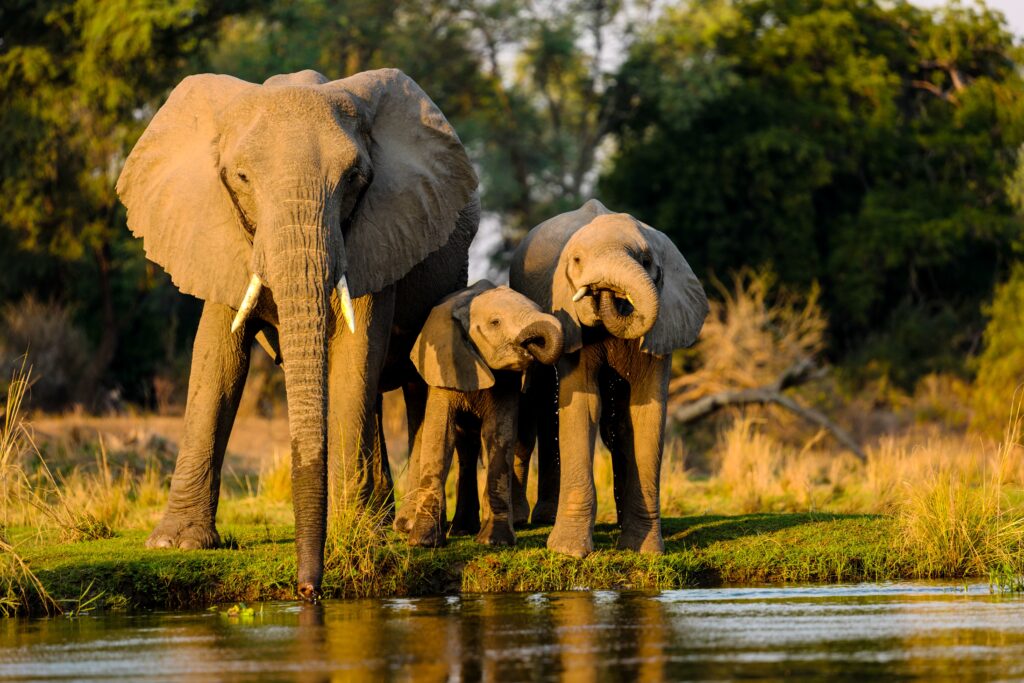
Elephant Tusk Ivory
Elephants are among the most recognizable animals in Africa. Their enormous size, intelligence, social behavior, and impressive tusks make them one of the most admired wildlife species on the continent. One of the most fascinating features of an elephant is its tusk ivory. These remarkable structures do much more than create a distinctive appearance. They serve important functions in the elephant’s daily life and help wildlife researchers, guides, and conservationists identify individual elephants and estimate their age.
Elephant tusks are elongated incisor teeth that continue to grow throughout the animal’s lifetime. Unlike most teeth, tusks remain visible outside the mouth and can reach impressive lengths in mature individuals. The growth pattern of tusks provides valuable information about an elephant’s age, health, lifestyle, and social status. Experienced wildlife guides often recognize specific elephants by examining the size, shape, thickness, and condition of their tusks.
In many wildlife destinations across Africa, tourists enjoy observing elephants and learning how experts identify different individuals. Every elephant possesses unique tusk characteristics. Some have long, straight tusks, while others display curved, crossed, broken, or uneven tusks. These distinctive features allow researchers to monitor elephant populations and track specific animals over long periods.
The relationship between age and tusk development makes elephant tusk ivory an important tool for wildlife observation. Younger elephants have small tusks that gradually increase in size as they mature. Older elephants often display larger and heavier tusks, although environmental conditions, genetics, and individual health also influence tusk growth.
Understanding elephant tusk ivory provides visitors with a deeper appreciation of these magnificent animals. It also highlights the importance of elephant conservation and the need to protect these iconic creatures for future generations.
What Are Elephant Tusks?
Elephant tusks are modified incisor teeth that grow continuously throughout an elephant’s life. They consist primarily of ivory, a dense material made of dentine. The tusks begin developing before birth and emerge when young elephants are still calves. As the elephant grows, the tusks continue to lengthen and thicken year after year.
Both male and female African elephants typically possess tusks, although the size often varies between individuals. Males usually develop larger tusks because of their greater body size and longer growth periods. Females also grow tusks, but they often remain smaller and lighter than those of mature bulls.
Tusks serve many practical purposes. Elephants use them to dig for water during dry seasons, strip bark from trees, move obstacles, and access food sources. They also use tusks for defense against predators and during social interactions with other elephants. Mature bulls frequently rely on their tusks during dominance contests and displays of strength.
The ivory within the tusk grows in layers. Each year, new material forms around the existing structure, causing the tusk to become larger. This gradual growth creates patterns that can provide clues about the elephant’s age and life history. Scientists sometimes study tusk growth to better understand population dynamics and environmental conditions.
Tusks also reflect an elephant’s lifestyle. Individuals that frequently dig, feed on woody vegetation, or engage in physical interactions often show distinctive wear patterns. Some elephants develop broken or shortened tusks due to accidents, fighting, or years of use. These variations contribute to the uniqueness of each animal.
For wildlife enthusiasts, observing tusks offers an excellent opportunity to learn more about elephant behavior and biology. The tusks reveal valuable information about the individual elephant while showcasing one of nature’s most extraordinary adaptations.
How Elephant Tusks Help Determine Age
One of the most useful aspects of elephant tusk ivory is its role in age estimation. Wildlife researchers and experienced guides often use tusk development as one of several indicators when determining the approximate age of an elephant.
Young elephant calves usually possess very small tusks that barely extend beyond the lips. During the first few years of life, these tusks remain relatively short and thin. As the elephant enters adolescence, the tusks become more visible and begin growing at a faster rate.
Juvenile elephants typically display moderate tusk growth. Their tusks extend outward but remain smaller than those of fully mature adults. At this stage, researchers can distinguish younger elephants from older individuals based on tusk length, thickness, and overall body size.
Adult elephants often develop substantial tusks that continue growing throughout their lives. Mature bulls may carry exceptionally large tusks that reach impressive lengths and weights. These large tusks usually indicate advanced age and long-term survival in the wild.
Older elephants frequently show signs of wear on their tusks. Years of digging, feeding, and interaction with the environment create distinctive marks and abrasions. In some cases, tusks may become chipped, broken, or uneven due to decades of use. These features help researchers estimate not only age but also life experiences.
While tusk size alone cannot provide an exact age, it serves as an important indicator when combined with other physical characteristics. Experts also examine body size, head shape, skin condition, and behavior to develop more accurate age estimates.
For safari visitors, learning about tusk development adds an educational dimension to wildlife viewing. Understanding how tusks change over time helps tourists appreciate the life stages and longevity of African elephants.
Individual Identification Through Tusk Characteristics
Every elephant possesses unique tusk features. These differences allow researchers, guides, and conservationists to identify specific individuals within a population. In many protected areas, wildlife monitoring programs rely heavily on tusk characteristics to track elephants over many years.
Tusk length provides one of the most obvious identifying features. Some elephants develop exceptionally long tusks, while others have shorter tusks despite similar ages. Genetics often play a significant role in these differences.
The shape of the tusks also varies greatly. Some curve inward, while others extend outward or remain relatively straight. Certain elephants develop asymmetrical tusks where one grows longer or thicker than the other. These distinctive patterns create reliable identification markers.
Broken tusks offer another useful characteristic. An elephant that loses part of a tusk due to injury or wear becomes easily recognizable. These breaks often remain visible for many years and help researchers identify specific individuals during population surveys.
The angle at which tusks project from the face can also differ significantly. Some elephants carry tusks that point downward, while others display tusks that curve outward or forward. Combined with body features, these characteristics create unique profiles for each animal.
Conservation organizations frequently maintain photographic databases of elephants based on tusk patterns. Researchers compare new photographs with existing records to monitor movement, reproduction, survival, and population changes.
Tour guides often become familiar with well-known elephants in their areas. They may recognize certain individuals based solely on tusk appearance and share these stories with visitors during game drives. Such observations enhance safari experiences and create memorable wildlife encounters.
The Importance of Tusk Ivory in Elephant Behavior
Tusks influence many aspects of elephant behavior. They serve as essential tools that help elephants survive and thrive in diverse environments. Understanding these functions helps explain why tusk development remains closely connected to age and maturity.
Elephants frequently use their tusks when searching for food. They strip bark from trees, dig up roots, and break branches to access nutritious vegetation. Larger tusks often allow older elephants to exploit a wider range of food sources.
During dry seasons, elephants use their tusks to dig water holes in riverbeds and dry ground. This behavior benefits not only elephants but also many other wildlife species that depend on the water sources they create.
Social interactions also involve tusk use. Mature bulls engage in sparring contests that help establish dominance hierarchies. These interactions usually involve pushing and wrestling rather than serious fighting. The size and strength of tusks often influence the outcome of these encounters.
Mothers may use their tusks to protect calves from threats. The tusks provide an effective defense against predators and other dangers. Their presence contributes to the overall security of elephant family groups.
Older elephants with larger tusks often hold important positions within social structures. Their experience and physical presence can influence group behavior and decision-making. This connection between tusk development and social status highlights the significance of ivory growth throughout an elephant’s life.
The multiple functions of tusks demonstrate why they remain one of the most important anatomical features of African elephants. Their role extends far beyond appearance and contributes directly to survival, reproduction, and social organization.
Conservation and the Protection of Elephants
Elephant tusk ivory has unfortunately made elephants targets for illegal poaching. Throughout history, demand for ivory products has threatened elephant populations across Africa. Conservation efforts now focus on protecting elephants and reducing illegal ivory trade.
Protected areas, wildlife authorities, and conservation organizations work together to safeguard elephant populations. Rangers patrol habitats, monitor elephant movements, and enforce anti-poaching laws. These efforts have helped stabilize many populations and improve conservation outcomes.
Tourism plays a valuable role in elephant conservation. Visitors who participate in wildlife safaris contribute to conservation funding and support local communities that benefit from protecting wildlife. Sustainable tourism creates economic incentives for preserving elephant habitats.
Education also remains important. By learning about elephant biology, behavior, and tusk development, visitors gain a greater appreciation for the need to conserve these magnificent animals. Awareness helps build support for long-term conservation initiatives.
Researchers continue to study tusk characteristics to better understand elephant populations. Their findings contribute to management strategies that promote healthy ecosystems and sustainable wildlife protection.
Protecting elephants ensures that future generations can continue to observe these extraordinary animals in their natural habitats. Conservation efforts benefit not only elephants but also countless other species that share the same ecosystems.
Elephant Tusk Ivory and Safari Experiences
For many travelers, seeing elephants in the wild ranks among the highlights of an African safari. Observing tusk size, shape, and condition adds an extra layer of excitement to wildlife viewing. Visitors often enjoy learning how guides identify individual elephants and estimate their ages using tusk characteristics.
National parks and wildlife reserves throughout East Africa offer excellent opportunities to observe elephants. During game drives, guides explain the role of tusks in feeding, social behavior, and survival. These insights transform simple sightings into meaningful educational experiences.
Photographers particularly appreciate elephants with distinctive tusks. Unique tusk shapes create memorable images and help visitors recognize specific animals during future sightings. Many travelers leave with a newfound appreciation for the individuality of each elephant.
Learning about tusk ivory also enhances understanding of conservation challenges and successes. Visitors gain a deeper connection to the wildlife they encounter and often become strong supporters of elephant protection initiatives.
Conclusion
Elephant tusk ivory represents one of the most remarkable features of African elephants. These continuously growing structures provide valuable information about age, maturity, health, and individual identity. Researchers, conservationists, and safari guides use tusk characteristics to monitor populations and better understand elephant behavior.
The size, shape, and condition of tusks help distinguish one elephant from another while offering important clues about life history and social status. As elephants grow older, their tusks develop unique characteristics that make each individual recognizable.
At Adira Safaris Africa, we encourage travelers to observe elephants closely during their safari adventures. Understanding how tusks help identify age and individuality adds depth to every wildlife encounter. It also strengthens appreciation for the conservation efforts that protect Africa’s iconic elephants and ensure their survival for generations to come.