

Cheetah Spotting at Dawn in Lake Mburo National Park
May 22, 2026
Rock Hyrax Canopy in Kidepo Valley National Park
May 22, 2026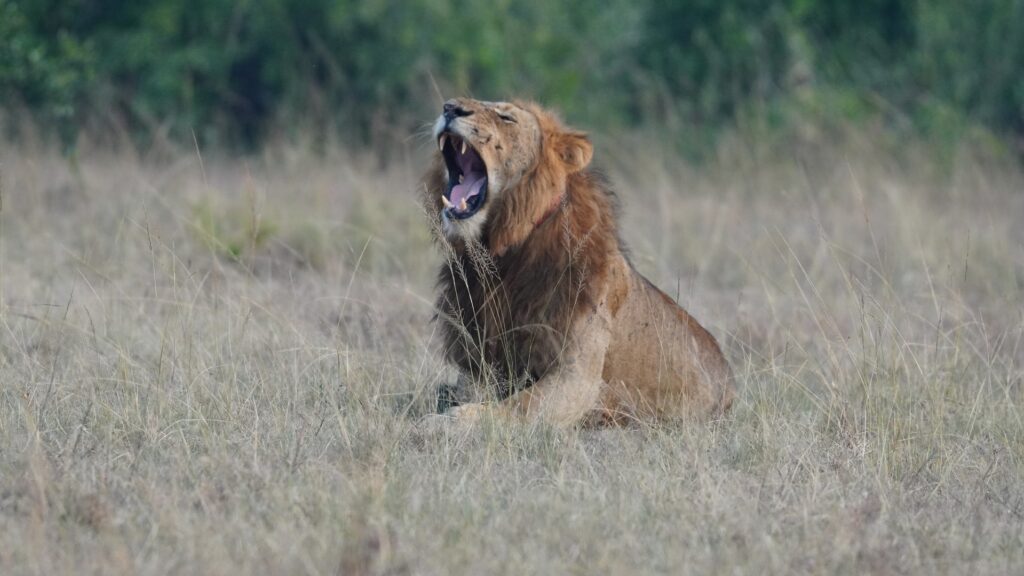
Savannah Grasslands in Queen Elizabeth National Park
The savannah grasslands in Queen Elizabeth National Park stand among the most beautiful and wildlife-rich landscapes in East Africa. These wide open plains cover large parts of the park and create the perfect habitat for many wild animals, birds, and plant species. The grasslands attract thousands of visitors every year who come to enjoy game drives, photography, nature viewing, and unforgettable safari experiences. The vast savannah stretches give visitors a true African wilderness feeling. The golden grasses, scattered acacia trees, volcanic craters, and distant hills create stunning scenery throughout the year.
Located in western Uganda between Lake George and Lake Edward, Queen Elizabeth National Park covers about 1,978 square kilometers. The park features different ecosystems, but the savannah grasslands remain one of its biggest attractions. These grasslands support a large population of wildlife and offer excellent game viewing opportunities. Visitors can easily spot animals moving freely across the plains during morning and evening game drives.
The savannah grasslands also play a major role in Uganda’s tourism industry. They attract nature lovers, researchers, bird watchers, filmmakers, and adventure travelers from around the world. The open landscapes make wildlife viewing easier compared to thick forests. This gives tourists better chances to see animals in their natural environment. The peaceful atmosphere and natural beauty of the grasslands create memorable safari experiences for travelers exploring Uganda.
Adira Safaris Africa offers well-organized safari experiences to Queen Elizabeth National Park. Visitors enjoy guided game drives, wildlife photography tours, birding adventures, and cultural encounters around the park. The savannah grasslands remain one of the highlights that make every safari in Queen Elizabeth National Park exciting and rewarding.
Location of the Savannah Grasslands in Queen Elizabeth National Park
The savannah grasslands spread across several sectors of Queen Elizabeth National Park in western Uganda. The park lies about 6 to 7 hours by road from Kampala and about 2 to 3 hours from Kasese. The grasslands dominate areas such as Kasenyi Plains, Ishasha Sector, and sections near Katwe and Mweya Peninsula. These areas provide some of the best wildlife viewing experiences in the country.
Kasenyi Plains remain among the most popular savannah regions inside the park. The area contains vast open grasslands where large herds of Uganda kobs, buffaloes, elephants, and other animals graze freely. Lions also hunt in these plains, making Kasenyi a prime destination for game drives. The open landscape allows tourists to view wildlife clearly and capture excellent safari photographs.
The Ishasha Sector, found in the southern part of the park, also contains beautiful savannah grasslands mixed with fig trees and woodland vegetation. This area is famous for the rare tree-climbing lions that rest on large fig trees during hot hours of the day. The grasslands in Ishasha support many antelope species, elephants, and buffaloes. The peaceful environment and fewer crowds make the area attractive to visitors seeking quiet safari experiences.
The savannah grasslands near Mweya Peninsula offer breathtaking views of the surrounding landscape. Tourists often combine game drives in these plains with boat cruises along the Kazinga Channel. The grasslands here host different animal species and provide scenic views of crater lakes, rolling hills, and distant mountains.
These grasslands receive sunshine throughout the year and remain accessible in both dry and wet seasons. The roads leading through the plains allow visitors to explore various parts of the park comfortably during guided safari tours organized by Adira Safaris Africa.
Wildlife Found in the Savannah Grasslands
The savannah grasslands in Queen Elizabeth National Park support one of the richest wildlife populations in Uganda. The open plains provide food, shelter, and breeding grounds for many animal species. Visitors on safari can enjoy close encounters with wildlife while exploring the grasslands during morning or evening game drives.
Large mammals dominate the savannah ecosystem. African elephants move across the grasslands in family groups while feeding on grasses and shrubs. Buffaloes also roam freely in large herds and often gather near water sources. Uganda kobs remain among the most common antelopes seen in the grasslands. These beautiful animals attract predators such as lions and leopards.
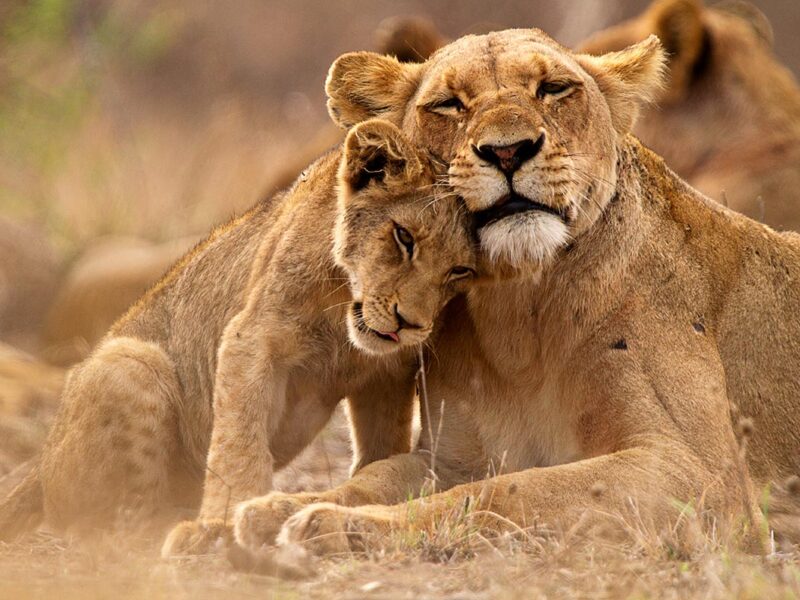
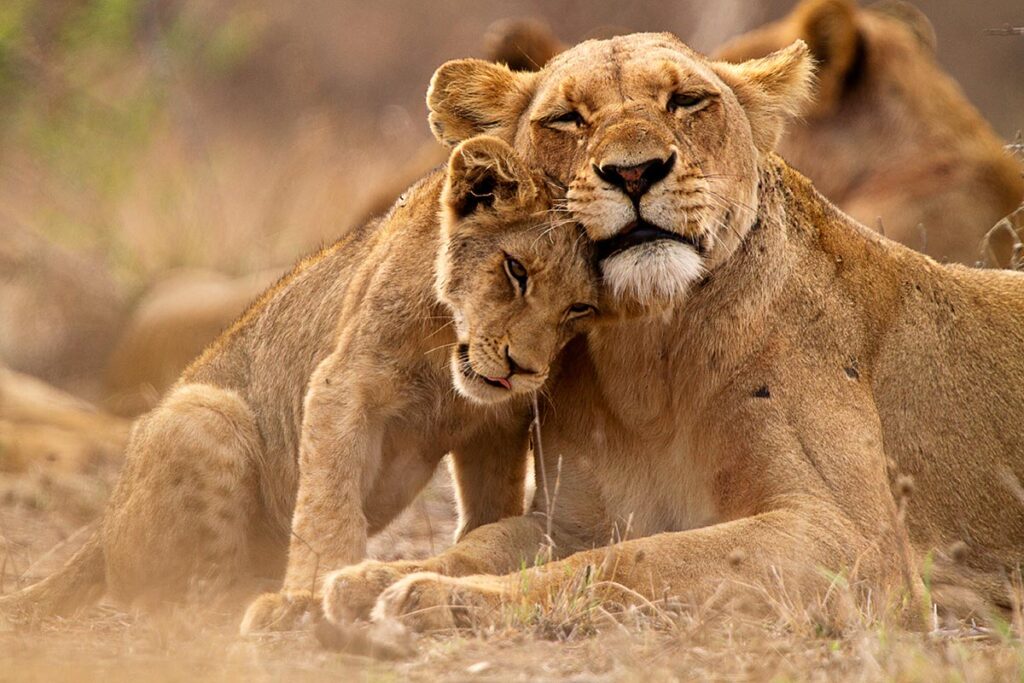
Lions rank among the top attractions in the savannah plains. The Kasenyi Plains and Ishasha Sector offer excellent opportunities to see lions resting, hunting, or interacting within their prides. The tree-climbing lions in Ishasha provide a rare wildlife experience that attracts tourists from across the world. Leopards also live within the savannah ecosystem although they are harder to spot due to their secretive nature.
The grasslands support other antelope species including waterbucks, bushbucks, and topis. Warthogs often move through the plains while hyenas search for food during early mornings and late evenings. Hippos and crocodiles can also be seen near water bodies connected to the savannah environment.
The diversity of wildlife makes the savannah grasslands one of the best safari destinations in East Africa. The open landscapes improve visibility and allow tourists to enjoy uninterrupted wildlife viewing. Professional guides from Adira Safaris Africa help visitors track animals and understand their behavior during safari activities.
The abundance of wildlife also supports conservation efforts in Queen Elizabeth National Park. Tourism generated from safari visits helps fund wildlife protection and community development programs around the park. The savannah grasslands therefore contribute both to biodiversity conservation and local livelihoods.
Birdlife in the Savannah Grasslands
Queen Elizabeth National Park is one of the best birding destinations in Africa. The savannah grasslands support a large number of bird species due to the availability of food, water, and nesting areas. Bird watchers visiting the park enjoy excellent opportunities to spot both resident and migratory birds within the open plains.
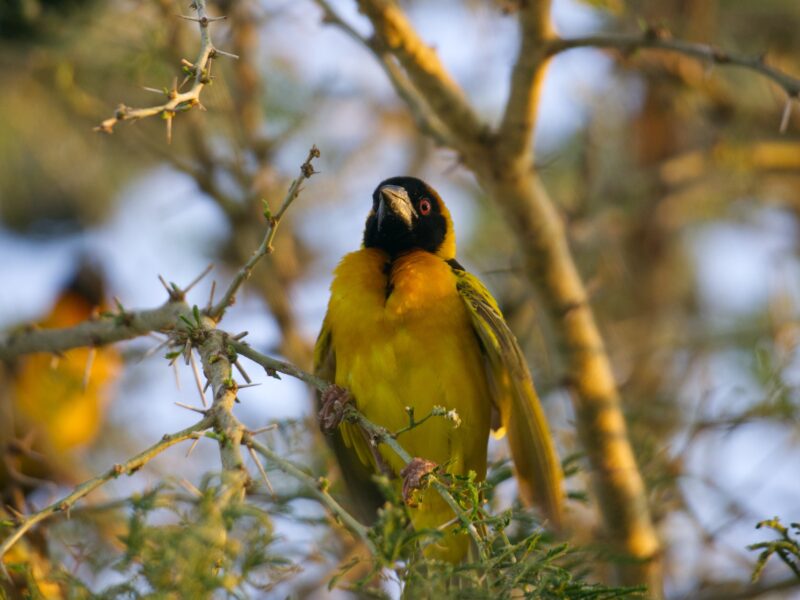
The grasslands host colorful and unique bird species that thrive in savannah habitats. Tourists commonly see African fish eagles, martial eagles, crowned cranes, secretary birds, and black-headed gonoleks. Raptors often soar above the plains while searching for prey. The grasslands also attract vultures that feed on carcasses left behind by predators.
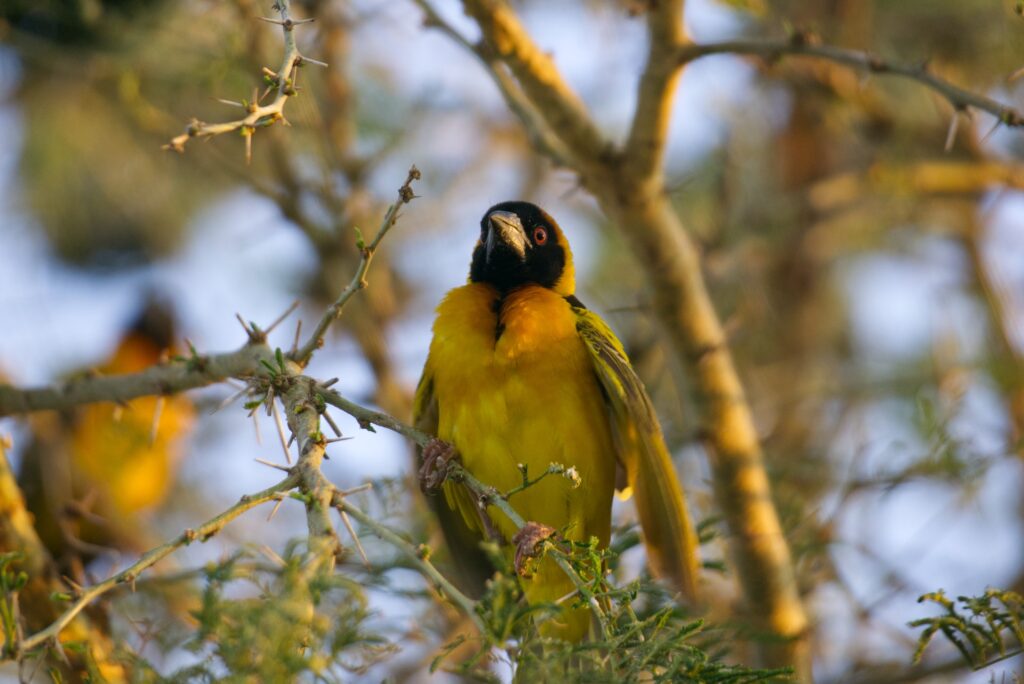
Ground birds such as francolins, lapwings, and bustards move through the grasslands searching for insects and seeds. Weaver birds build nests on scattered acacia trees while bee-eaters add bright colors to the savannah landscape. During the rainy season, migratory birds arrive in large numbers and increase the park’s bird diversity.
The Kazinga Channel area near the grasslands also supports water birds including pelicans, cormorants, herons, and kingfishers. Visitors combining boat cruises with savannah game drives enjoy diverse birding experiences within a short time. Bird photography becomes especially rewarding due to the open environment and good lighting conditions in the plains.
Birding safaris in the savannah grasslands suit both experienced birders and beginners. Professional guides from Adira Safaris Africa help visitors identify bird species and locate the best birding spots within the park. Early morning bird walks and game drives offer the highest chances of spotting rare and active birds.
The rich birdlife increases the ecological importance of the savannah grasslands in Queen Elizabeth National Park. Conservation efforts continue to protect these habitats and maintain healthy bird populations for future generations and tourism activities.
Vegetation and Landscape of the Savannah Grasslands
The vegetation of the savannah grasslands in Queen Elizabeth National Park creates one of the most scenic landscapes in Uganda. The area mainly consists of open grass plains mixed with scattered acacia trees, shrubs, and seasonal wetlands. This natural environment supports large populations of herbivores and predators that depend on the savannah ecosystem for survival.
Tall grasses dominate many sections of the plains during the rainy season. These grasses provide grazing grounds for buffaloes, elephants, antelopes, and other animals. During the dry season, the grass becomes shorter and golden brown, creating beautiful safari scenery that photographers love. The changing appearance of the grasslands throughout the year adds beauty to the park’s landscapes.
Acacia trees remain common within the savannah ecosystem. These trees provide shade to wildlife during hot afternoons and act as resting places for birds. In the Ishasha Sector, large fig trees grow within the grasslands and support the famous tree-climbing lions. The mixture of trees and open plains creates diverse habitats that attract different animal species.
The savannah landscape also includes volcanic crater lakes, rolling hills, and distant mountain views. Some areas offer panoramic scenery overlooking lakes and valleys. Sunrise and sunset views across the grasslands create unforgettable safari moments for visitors exploring the park.
The vegetation supports ecological balance within the park. Grazing animals help maintain the grasslands while predators control herbivore populations. Seasonal rainfall patterns influence plant growth and animal movements across the savannah plains.
The natural beauty of the savannah grasslands makes Queen Elizabeth National Park one of Uganda’s top safari destinations. Visitors enjoy peaceful surroundings, fresh air, and spectacular scenery while exploring the wilderness with Adira Safaris Africa.
Safari Activities in the Savannah Grasslands
The savannah grasslands in Queen Elizabeth National Park offer a wide range of safari activities for travelers seeking wildlife adventures in Uganda. These activities allow visitors to explore the park’s natural beauty and experience close encounters with animals in their natural habitat.
Game drives remain the most popular activity in the savannah plains. Visitors explore the grasslands in safari vehicles during morning, afternoon, or evening drives. Early morning game drives provide excellent chances to spot predators such as lions, leopards, and hyenas before they hide from the daytime heat. Evening drives also offer opportunities to view animals becoming active again after resting during the day.
Wildlife photography thrives in the savannah grasslands due to the open landscape and abundant wildlife. Photographers capture stunning images of elephants, lions, antelopes, birds, and scenic landscapes. The golden light during sunrise and sunset creates perfect photography conditions across the plains.
Bird watching also attracts many visitors to the savannah ecosystem. Birders enjoy spotting numerous species while guided by experienced local experts. Nature walks in selected areas give tourists opportunities to observe smaller wildlife, plants, and birds closely while learning about the ecosystem.
Tourists often combine savannah game drives with boat cruises along the Kazinga Channel. This activity allows visitors to see hippos, crocodiles, elephants, buffaloes, and water birds near the shoreline. The combination of land and water safaris creates a complete wildlife experience within Queen Elizabeth National Park.
Cultural tours around the park also add value to safari experiences. Visitors interact with local communities, learn traditional practices, and experience the culture of people living near the savannah regions. These cultural encounters help support community tourism and conservation programs.
Adira Safaris Africa organizes customized safari packages that include comfortable accommodation, professional guides, transportation, and unforgettable wildlife experiences within the savannah grasslands of Queen Elizabeth National Park.
Best Time to Visit the Savannah Grasslands
The savannah grasslands in Queen Elizabeth National Park can be visited throughout the year. However, the dry seasons often provide the best conditions for wildlife viewing and safari activities. The main dry months occur from June to September and from December to February. During this time, animals gather near water sources, making them easier to spot in the open plains.
The shorter grasses during the dry season improve visibility across the savannah. Visitors enjoy clearer views of wildlife and better photography opportunities. Roads within the park also remain easier to navigate during dry weather, allowing comfortable game drives through different sections of the grasslands.
The rainy seasons occur from March to May and from October to November. During this period, the grasslands become greener and more beautiful. Many animals give birth during the wet months because food becomes abundant. Bird watching also improves due to the arrival of migratory species. Although some roads may become muddy, the park remains accessible and less crowded compared to peak tourist seasons.
Each season offers unique safari experiences in the savannah grasslands. Travelers interested in photography often enjoy the green scenery during the rainy months while wildlife enthusiasts prefer the dry season for easier animal viewing. Visitors should choose travel periods based on their safari interests and preferences.
Adira Safaris Africa helps travelers plan suitable safari itineraries depending on weather conditions, wildlife movements, and personal travel goals. Professional guides ensure visitors enjoy memorable experiences regardless of the season.
Conservation Importance of the Savannah Grasslands
The savannah grasslands in Queen Elizabeth National Park play a major role in wildlife conservation and environmental protection in Uganda. These grasslands support diverse ecosystems that provide habitats for mammals, birds, reptiles, and insects. Protecting the savannah helps preserve biodiversity and maintain ecological balance within the region.
The grasslands provide feeding grounds for herbivores such as buffaloes, elephants, and antelopes. Predators including lions and leopards depend on these herbivores for survival. The ecosystem therefore supports complex food chains that sustain wildlife populations across the park.
Conservation efforts within Queen Elizabeth National Park focus on protecting habitats, controlling poaching, and reducing human-wildlife conflict. Tourism revenue generated from safari activities contributes to conservation programs and community development projects. Local communities also benefit from employment opportunities created through tourism and park management.
Environmental education programs help create awareness about the importance of protecting the savannah ecosystem. Researchers continue to study wildlife behavior, vegetation changes, and ecological challenges affecting the grasslands. These studies help improve conservation strategies and promote sustainable tourism practices.
Climate change and increasing human activities continue to threaten natural habitats in many parts of Africa. Protecting the savannah grasslands in Queen Elizabeth National Park remains essential for preserving Uganda’s wildlife heritage for future generations.
Adira Safaris Africa supports responsible tourism that respects nature and promotes conservation. Visitors exploring the savannah grasslands contribute to wildlife protection efforts while enjoying unforgettable safari experiences in one of Africa’s finest national parks.