
Dry Season Animal Convergence
May 19, 2026
Gahinga Hike
May 19, 2026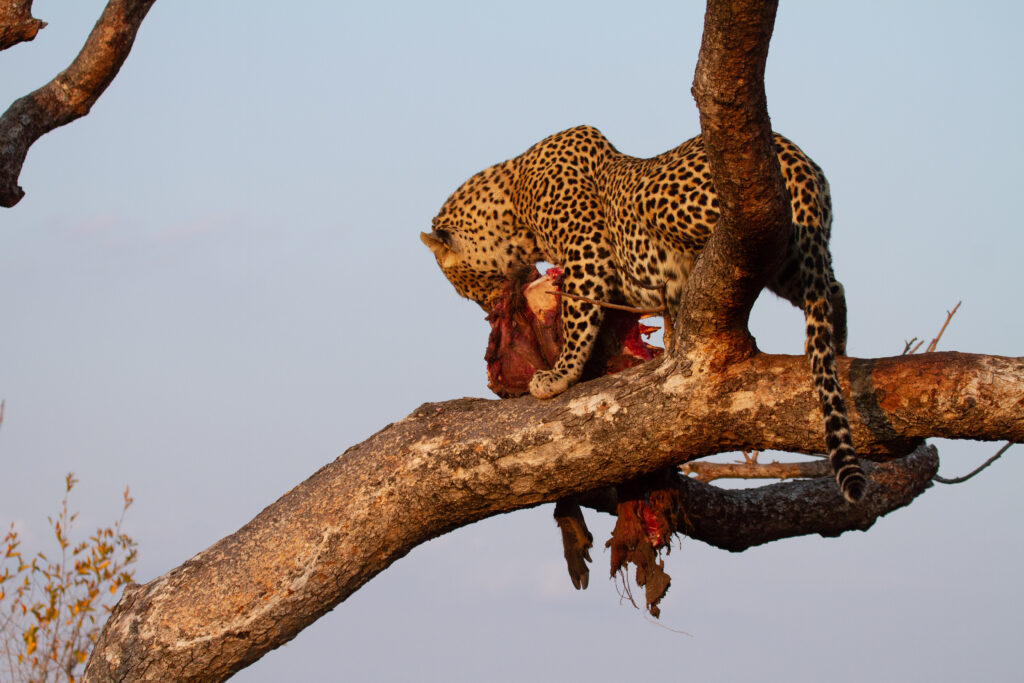
Leopards in Murchison Falls National Game Park
Murchison Falls National Park stands as Uganda’s largest and oldest conservation area. The park attracts travelers from around the world because of its rich wildlife, dramatic landscapes, and powerful waterfalls along the Nile River. Among the many animals that live in this vast wilderness, the leopard remains one of the most fascinating predators. Leopards in Murchison Falls National Game Park create excitement for visitors because of their beauty, stealth, and remarkable tree-climbing behavior.
Leopards rank among Africa’s famous big cats. They move quietly through grasslands, woodlands, riverbanks, and savannah plains while searching for prey. In Murchison Falls National Park, these elusive animals thrive in different habitats that provide cover, food, and safe resting places. Although leopards prefer solitary lifestyles, travelers on safari often search eagerly for signs of their presence. A single leopard sighting creates unforgettable memories during a Uganda wildlife safari.
One of the most interesting behaviors of leopards in Murchison Falls National Game Park is their ability to climb trees. Unlike many predators, leopards spend a lot of time resting on tree branches. They also drag prey into trees to protect it from scavengers such as hyenas and lions. This tree-climbing behavior makes them unique and highly admired among wildlife enthusiasts and photographers.
The park’s northern sector provides excellent chances of spotting leopards. Open savannah grasslands, acacia woodlands, and riverine forests support healthy prey populations that attract these powerful cats. Early morning and evening game drives often increase the chances of leopard sightings because they become more active during cooler hours.
Leopards represent the hidden beauty of the African wilderness. Their mysterious nature, impressive hunting skills, and graceful tree-climbing abilities make them one of the top attractions in Murchison Falls National Park. Travelers who explore this remarkable destination often hope to witness these magnificent predators resting in trees or moving silently through the savannah.
Habitat of Leopards in Murchison Falls National Game Park
Leopards adapt easily to different environments, and this ability helps them survive in various parts of Murchison Falls National Park. The park covers vast landscapes that include savannah plains, woodland areas, riverbanks, forests, and wetlands. These habitats provide ideal conditions for leopards because they support prey populations and offer excellent hiding places.
The northern section of the park remains one of the best areas for leopard sightings. Open grasslands mixed with acacia trees create perfect hunting grounds for these predators. Leopards often use tall grass and shrubs as cover while stalking prey. The scattered trees also provide safe resting places during hot daytime hours.
Riverine forests near the Nile River support another important leopard habitat. Dense vegetation along the riverbanks creates cool environments where leopards can hide from the heat. These areas also attract animals that come to drink water, making them ideal hunting zones for big cats.
Leopards prefer areas where prey remains abundant. Murchison Falls National Park hosts large populations of Uganda kob, waterbucks, bushbucks, warthogs, and other antelope species. These animals form an important part of the leopard’s diet. The availability of prey allows leopards to establish territories within the park.
Trees play a very important role in leopard survival. Leopards climb trees to rest, observe surroundings, escape danger, and protect hunted prey. Large fig trees and acacia trees often support these activities within the park. Safari visitors sometimes spot leopards lying comfortably on thick branches during daytime game drives.
The park’s combination of water sources, vegetation, and prey animals creates a balanced ecosystem that supports healthy leopard populations. Although leopards remain difficult to spot because of their secretive behavior, their presence indicates a strong and thriving wilderness environment.
Murchison Falls National Park continues to protect these habitats through conservation efforts and wildlife management programs. Preserving the natural environment remains essential for the long-term survival of leopards and other wildlife species in Uganda.
Why Leopards Climb Trees
Tree climbing forms one of the most remarkable behaviors of leopards in Murchison Falls National Game Park. Leopards possess strong muscles, sharp claws, and excellent balance that allow them to move easily up and down trees. This ability gives them several advantages in the wild.
One major reason leopards climb trees involves protection of their prey. After hunting animals such as antelopes or warthogs, leopards often drag the carcass into a tree. This action protects the food from scavengers like hyenas and lions. Leopards can feed peacefully while resting on branches away from competitors on the ground.
Leopards also climb trees to rest and avoid daytime heat. The elevated branches provide cooler environments and better airflow during hot afternoons. From these positions, leopards can observe their surroundings without exposing themselves to danger. Travelers on safari sometimes see leopards stretched across tree branches while relaxing during daylight hours.
Tree climbing also supports hunting strategies. Leopards use elevated positions to monitor prey movements below. They remain patient and silent while waiting for suitable hunting opportunities. Their spotted coats blend perfectly with tree shadows and surrounding vegetation, making them difficult to detect.
Young leopard cubs learn climbing skills from their mothers at an early age. Mothers guide cubs through tree climbing lessons that help them survive in the wild. These skills become important for escaping threats and finding secure resting places.
Unlike lions, which spend most of their time on the ground, leopards rely heavily on trees throughout their lives. This behavior makes them unique among Africa’s big cats. In Murchison Falls National Park, the sight of a leopard resting high in a tree often becomes a highlight of the safari experience.
Photographers especially admire this behavior because tree-climbing leopards create dramatic and beautiful safari images. The contrast between the spotted coat and tree branches creates unforgettable wildlife scenes across the African savannah.
Leopard Hunting Behavior in Murchison Falls National Game Park
Leopards rank among Africa’s most skilled hunters. Their hunting style depends on stealth, patience, and surprise rather than speed or group cooperation. In Murchison Falls National Game Park, leopards mainly hunt during early mornings, evenings, and nighttime hours when temperatures become cooler.
Leopards usually hunt alone. They move silently through grasslands and woodland areas while searching for prey. Their spotted coats help them blend with shadows and vegetation, allowing them to approach animals without detection. Once close enough, leopards launch sudden attacks with powerful bursts of speed.
Uganda kob remain one of the common prey species for leopards in the park. Waterbucks, bushbucks, monkeys, warthogs, and smaller mammals also form part of their diet. Leopards adapt easily and may hunt different animals depending on availability and opportunity.
Unlike cheetahs that rely on long chases, leopards focus on short-distance ambush attacks. They use strong jaws to suffocate prey quickly before dragging the carcass to safer locations. In many cases, they carry prey into trees to protect it from scavengers.
Leopards possess incredible strength. A single leopard can drag prey much heavier than its own body weight up a tree. This behavior demonstrates their muscular power and survival instincts. Safari guides in Murchison Falls National Park often search tree branches carefully because hidden prey may reveal a nearby leopard.
Their secretive hunting behavior makes leopard sightings exciting and unpredictable. Travelers may suddenly encounter a leopard crossing a safari track or resting quietly after a successful hunt. Every sighting creates suspense because these cats move silently and disappear quickly into vegetation.
The leopard’s hunting skills help maintain ecological balance within the park. Predators control herbivore populations and contribute to the natural cycle of life in the wilderness. Their role remains important in preserving healthy ecosystems across Murchison Falls National Park.
Best Time to See Leopards in Murchison Falls National Game Park
Travelers can visit Murchison Falls National Park throughout the year, but some seasons offer better leopard viewing opportunities than others. The dry seasons remain the best periods for wildlife safaris because animals gather near water sources and vegetation becomes less dense.
The main dry seasons occur from December to February and from June to September. During these months, grass becomes shorter, improving visibility across the park. Leopards also move more frequently near open areas and water points where prey animals gather.
Early morning game drives offer excellent chances of spotting leopards. These cats remain active before sunrise and during cooler morning temperatures. Evening game drives also increase opportunities because leopards begin hunting as daylight fades.
Night game drives create another exciting way to search for leopards in Murchison Falls National Park. Specialized spotlights help guides detect glowing leopard eyes in darkness. Night safaris reveal behaviors rarely seen during daytime hours, including hunting and territorial movements.
The northern sector of the park remains one of the best leopard viewing regions. Areas around Pakuba, Buligi, and the Albert Nile delta often produce rewarding sightings. Experienced safari guides know how to track leopard movements by studying footprints, alarm calls, and animal behavior.
Patience remains important during leopard tracking. Leopards avoid human activity and spend much of the day hidden in thick vegetation or resting in trees. However, the excitement of finally spotting one makes the experience highly rewarding.
Photography conditions also improve during dry seasons because clear skies provide better lighting. Travelers can capture stunning images of leopards resting on tree branches or moving through golden grasslands.
Every safari in Murchison Falls National Park offers unique experiences. While leopard sightings can never be guaranteed, the park continues to provide some of Uganda’s best opportunities to observe these magnificent tree-climbing predators.
Conservation of Leopards in Murchison Falls National Game Park
Leopard conservation remains very important in Uganda’s protected areas. Murchison Falls National Park provides a safe environment where these big cats can survive and reproduce naturally. Conservation efforts help protect leopard habitats, prey populations, and migration corridors within the park.
Illegal hunting remains one of the major threats facing leopards in Africa. Poachers sometimes target wildlife for bushmeat or illegal trade. Human-wildlife conflict also affects leopard populations near surrounding communities. Conservation organizations and wildlife authorities therefore work together to strengthen protection measures.
The Uganda Wildlife Authority plays a major role in protecting wildlife within Murchison Falls National Park. Rangers conduct patrols to prevent poaching and monitor animal populations. Tourism revenue also supports conservation activities and park management programs.
Community involvement contributes greatly to leopard conservation. Local communities near the park benefit from tourism through employment opportunities and community projects. These benefits encourage positive attitudes toward wildlife conservation and habitat protection.
Researchers continue to study leopard behavior, movement patterns, and population numbers within the park. Camera traps and tracking technologies help scientists understand how leopards use different habitats. This information supports better conservation planning and wildlife management.
Tourism also raises awareness about the importance of protecting leopards and their ecosystems. Visitors who experience leopard sightings often develop greater appreciation for African wildlife conservation. Responsible tourism therefore contributes directly to the future survival of these predators.
Protecting trees and woodland habitats remains especially important because leopards depend heavily on these environments. Tree climbing forms an essential part of their behavior and survival strategy. Habitat destruction could therefore reduce suitable areas for resting, hunting, and raising cubs.
Conservation efforts continue to ensure that future generations can enjoy the beauty and mystery of leopards in Murchison Falls National Park.
Safari Experience for Leopard Viewing
A safari focused on leopard viewing in Murchison Falls National Park offers adventure, excitement, and unforgettable wildlife encounters. Travelers often begin game drives early in the morning when leopards remain active after nighttime hunting.
Professional safari guides use experience and tracking skills to search for signs of leopard activity. They observe animal tracks, alarm calls from antelopes, and movements within vegetation. Guides also scan tree branches carefully because leopards frequently rest above the ground.
Game drives across the Buligi tracks, Pakuba region, and Nile delta provide excellent opportunities for leopard sightings. These areas support abundant prey animals and scattered trees that attract big cats.
Boat safaris along the Nile River complement wildlife viewing experiences within the park. Although leopards appear less frequently during boat trips, travelers enjoy close encounters with hippos, crocodiles, elephants, and numerous bird species along riverbanks.
Luxury lodges and safari camps within the park provide comfortable accommodation for travelers exploring leopard habitats. Some lodges overlook wildlife corridors where animals move freely during mornings and evenings. Guests may occasionally hear leopard calls at night from nearby bush areas.
Photography safaris attract many wildlife enthusiasts to Murchison Falls National Park. Leopards resting in trees create dramatic images that showcase the beauty of African predators. Patience and timing remain essential for successful wildlife photography.
Every leopard sighting feels special because these animals remain elusive and unpredictable. Their graceful movements, spotted coats, and tree-climbing abilities create magical safari moments for visitors exploring Uganda’s largest national park.
Conclusion
Leopards in Murchison Falls National Park remain among the park’s most admired wildlife attractions. Their secretive nature, powerful hunting skills, and remarkable tree-climbing behavior make them unique within the African wilderness.
The park’s rich ecosystems provide ideal habitats for these magnificent predators. Savannah plains, woodlands, riverine forests, and scattered acacia trees support healthy leopard populations and abundant prey animals. Leopards use these environments for hunting, resting, and raising cubs.
Tree climbing remains one of the most fascinating leopard behaviors in Murchison Falls National Park. Leopards climb trees to rest, monitor surroundings, escape danger, and protect hunted prey from scavengers. This behavior creates unforgettable safari moments for travelers and photographers.
Visitors exploring the park during dry seasons often enjoy better chances of spotting leopards. Early morning and evening game drives provide rewarding wildlife experiences as leopards become more active during cooler hours.
Conservation efforts continue to protect leopard habitats and wildlife populations within the park. Tourism also supports these initiatives while creating awareness about the importance of preserving Africa’s natural heritage.
For travelers seeking thrilling wildlife encounters in Uganda, leopard tracking in Murchison Falls National Park offers an unforgettable safari adventure filled with mystery, beauty, and excitement.