
Wildlife in Volcanoes National Park
May 14, 2026
Night Monkey Safari in Rwanda
May 16, 2026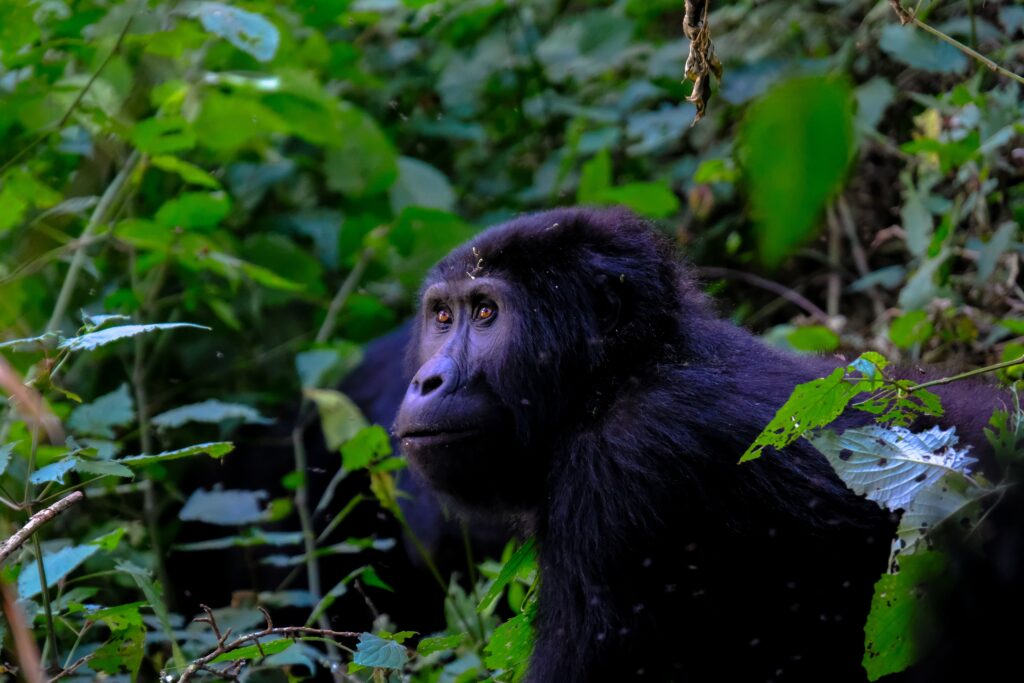
Wildlife in Nyungwe National Park
Nyungwe National Park is one of the most important wildlife destinations in Rwanda. The park lies in the southwestern part of the country and protects one of the oldest montane rainforests in Africa. It is famous for rich biodiversity, scenic landscapes, and remarkable wildlife encounters. Travelers who visit Nyungwe discover a natural world filled with primates, birds, butterflies, reptiles, and many forest mammals.
Nyungwe National Park covers a vast area of mountains, valleys, waterfalls, bamboo zones, swamps, and thick tropical forest. This variety of habitats allows many species to survive and thrive. The park holds great ecological value because it protects water catchment areas and supports climate balance in the region. It also forms part of the larger Albertine Rift ecosystem, known for rare and endemic wildlife species.
Many visitors know Nyungwe for chimpanzee trekking, but the park offers much more than chimpanzees. Several monkey species live in the forest canopy. Small mammals move quietly through the undergrowth. Colorful birds call from the trees, while butterflies drift across forest trails. Every walk in Nyungwe brings new discoveries.
The park also plays a major role in Rwanda’s tourism industry. It attracts nature lovers, photographers, birdwatchers, researchers, and adventure travelers. Activities such as canopy walks, guided forest hikes, and primate tracking make the wildlife experience even more rewarding.
Wildlife in Nyungwe National Park reflects the beauty and richness of Rwanda’s natural heritage. Visitors who explore this rainforest often describe it as peaceful, fresh, and full of life. Adira Safaris Africa proudly recommends Nyungwe National Park for travelers who want authentic forest wildlife experiences in East Africa.
Primates in Nyungwe National Park
Primates are the most famous wildlife group in Nyungwe National Park. The park is home to one of Africa’s highest concentrations of primate species. This makes it a leading destination for travelers who enjoy observing intelligent and social animals in the wild.
Chimpanzees are the main attraction. These energetic primates move through the forest in communities and often communicate through loud calls, drumming sounds, and expressive gestures. Chimpanzee trekking allows visitors to hike with guides in search of a habituated group. Once found, guests watch them feed, climb trees, groom each other, and interact naturally. The experience feels exciting because chimpanzees are active and fast-moving.
Nyungwe also supports large troops of Angolan colobus monkeys. Some groups contain hundreds of individuals, creating one of the most impressive monkey sightings in Africa. Their black and white fur and graceful tree movement make them highly attractive to photographers.
Other monkey species in the park include L’Hoest’s monkeys, blue monkeys, vervet monkeys, owl-faced monkeys, grey-cheeked mangabeys, and red-tailed monkeys. Each species has unique behavior, diet, and habitat preference. Some stay high in the canopy, while others forage closer to the ground.
Primates play a key role in rainforest health. They spread seeds through feeding habits and help maintain forest regeneration. Their presence also indicates a healthy ecosystem.
For many travelers, seeing several primate species in one destination is rare. Nyungwe National Park offers that opportunity. It gives guests a deep understanding of rainforest life and the importance of protecting it.
Mammals and Forest Wildlife
Although primates attract most attention, Nyungwe National Park also shelters many other mammals. Dense vegetation makes sightings less common than on open savannah safaris, but the forest supports a rich variety of hidden wildlife.
Small antelope species such as duikers live in the undergrowth. These shy animals move quietly through forest trails and feed on leaves, fruits, and shoots. Visitors sometimes spot them during early morning walks or near quiet clearings.
Bush pigs and other wild pigs also inhabit the forest. They forage in soil for roots, insects, and plant matter. Their digging behavior helps aerate the ground and contributes to forest ecology.
Nyungwe may also support predators such as servals, genets, civets, and mongooses. These species are elusive and mostly active at night. Though rarely seen, they remain important in balancing prey populations.
Rodents, bats, and insect-eating mammals form another large part of the ecosystem. Bats help pollinate plants and disperse seeds, while small mammals support food chains within the forest.
Many travelers expect only large animals on safari, but rainforest wildlife works differently. In Nyungwe, diversity matters more than size. The forest rewards patience, quiet observation, and appreciation for natural systems.
Guided nature walks help visitors notice tracks, sounds, feeding signs, and hidden movement in the trees or bushes. These details create a deeper wildlife experience than simple game viewing.
Nyungwe National Park proves that forests hold extraordinary life even when animals remain unseen. Every sound and movement in the forest hints at the many species living within it.
Birdlife in Nyungwe National Park
Nyungwe National Park is one of the best birding destinations in Africa. The park hosts hundreds of bird species, including many Albertine Rift endemics. Birdwatchers from around the world visit Nyungwe to search for rare and colorful species.
The mix of rainforest, wetlands, bamboo areas, and mountain slopes creates ideal habitats for birds. Visitors may see turacos gliding through trees, sunbirds feeding on flowers, hornbills calling from the canopy, and forest robins moving in shaded undergrowth.
Nyungwe is especially important for endemic species with limited ranges. This gives serious birders a valuable chance to add special sightings to their life lists. Guided birding walks improve success because expert guides know calls, feeding zones, and nesting areas.
Even travelers who are not dedicated birders enjoy Nyungwe’s birdlife. Dawn chorus in the forest is often unforgettable. Bright plumage and musical calls add beauty to every hike.
Birds also help the ecosystem through seed dispersal, insect control, and pollination. Their abundance reflects the health of the rainforest.
For visitors who want to combine chimpanzees with birdwatching, Nyungwe offers one of the finest combinations in East Africa.
Reptiles, Butterflies, and Small Creatures
Nyungwe’s biodiversity goes far beyond mammals and birds. The park also supports reptiles, amphibians, insects, and butterflies. These smaller creatures are vital to the balance of the rainforest.
Chameleons, tree frogs, lizards, and snakes live in different forest zones. Many remain hidden among leaves and branches. Guided walks often help visitors notice species they would otherwise miss.
Butterflies are especially beautiful in Nyungwe. Bright colors flutter along trails, streams, and sunny openings in the forest. Their presence adds movement and beauty to the landscape. They also play a major role in pollination.
Insects such as ants, beetles, and bees support decomposition, pollination, and soil health. Though small, they help keep the rainforest functioning.
Travelers who appreciate complete ecosystems often enjoy searching for these smaller species. They reveal how every part of nature connects.
Conservation of Wildlife in Nyungwe National Park
Wildlife in Nyungwe National Park survives because of active conservation. Rwanda protects the forest through ranger patrols, scientific research, tourism management, and community partnerships. These efforts reduce illegal activities and preserve natural habitats.
The park is important for water catchment and climate stability. Protecting wildlife also protects rivers, soil, and surrounding communities. This makes Nyungwe valuable beyond tourism.
Tourism revenue supports conservation programs and local livelihoods. Guides, lodge staff, drivers, and craft sellers all benefit from visitors. When communities gain from tourism, support for wildlife protection grows stronger.
Education programs also help future generations understand the value of forests and biodiversity.
Why Visit Nyungwe National Park for Wildlife
Nyungwe National Park offers one of the most rewarding wildlife experiences in Rwanda. It combines chimpanzees, many monkey species, hidden forest mammals, rich birdlife, butterflies, and dramatic rainforest scenery. Few places in Africa provide such biodiversity in one protected area.
The park also offers adventure through canopy walks, scenic trails, and guided treks. This makes every visit active and memorable.
Adira Safaris Africa proudly invites travelers to explore the wildlife of Nyungwe National Park. It is a destination where rainforest beauty, rare species, and conservation come together in an unforgettable journey through Rwanda.