

Kasenyi Warthogs in Queen Elizabeth National Park
May 9, 2026
Bwindi Forest Elephants
May 9, 2026
Warthog Walk in Lake Mburo National Park
A Warthog Walk in Lake Mburo National Park offers one of the most exciting wildlife experiences in Uganda. Unlike many parks where visitors view animals only from safari vehicles, Lake Mburo gives guests the rare chance to explore nature on foot. This creates a close connection with the landscape, the sounds of the bush, and the animals that live there. Among the most entertaining species to track during these guided walks are warthogs. Their bold faces, raised tails, quick runs, and active family groups make every encounter memorable.
Lake Mburo National Park is well known for walking safaris. The park has open grasslands, acacia woodland, rocky outcrops, and wetland areas that support many animals. Warthogs thrive in this environment because they find food, shelter, and wide spaces where they can detect danger early. Visitors often see them grazing on short grass, kneeling on their front legs while feeding, or moving quickly across the plains with tails held high.
Tracking warthogs on foot adds excitement that vehicle safaris cannot match. You notice fresh footprints, feeding signs, burrows, and movement in the grass. Every sound becomes important. Every step feels like part of the adventure. Guided by experienced rangers, travelers learn how these animals survive and behave in the wild.
Adira Safaris Africa offers well-planned wildlife experiences in Uganda, and the Warthog Walk in Lake Mburo National Park stands out as a special activity. It combines nature, adventure, learning, and unforgettable wildlife moments in one journey.
Why Lake Mburo National Park Is Perfect for Warthog Walks
Lake Mburo National Park is one of Uganda’s smallest savannah parks, yet it delivers some of the richest wildlife encounters. Its compact size, open terrain, and variety of habitats make it ideal for guided walking safaris. Unlike parks with dense vegetation or many dangerous predators, Lake Mburo provides safer and more practical conditions for exploring on foot with trained guides.
The park contains rolling grasslands, scattered acacia trees, valleys, lakeshores, and bushland. These landscapes create perfect habitat for warthogs. They feed on grasses, roots, bulbs, and shoots found in open areas. They also use burrows, often made by aardvarks, for shelter and protection. Because the terrain is open, visitors can spot warthogs from a distance and observe their movements clearly.
Lake Mburo is famous for animals often seen during walking safaris. Zebras, impalas, elands, topis, buffaloes, and many bird species share the park with warthogs. This means a Warthog Walk often becomes a full wildlife discovery experience. Guests may begin by tracking warthogs and end with sightings of many other species along the route.
Another reason the park is perfect for this activity is its accessibility. Lake Mburo lies between Kampala and western Uganda’s major safari circuit. Many travelers stop here on the way to or from gorilla trekking areas. A warthog walk adds adventure to the journey without requiring long detours.
The balance of wildlife, scenery, and safety makes Lake Mburo one of the best places in East Africa to track animals on foot. For travelers who want something different from a standard game drive, this park offers a refreshing and rewarding option.
What Makes Warthogs Exciting to Track on Foot
Warthogs may look funny at first glance, but they are clever, alert, and highly adapted wild animals. Tracking them on foot creates a thrilling experience because their behavior changes quickly. They remain aware of scents, sounds, and movement around them. This makes every encounter active and unpredictable.
One of the most fascinating sights is watching warthogs feed. They often bend onto their front knees while grazing. This posture helps them reach short grass close to the ground. Seeing this from a walking distance gives visitors a deeper understanding of how perfectly they fit their environment.
Their social behavior also makes tracking enjoyable. Warthogs often move in family groups called sounders. A female may lead piglets while older animals remain watchful. Young ones follow closely and learn survival skills from adults. These family scenes feel more personal when observed quietly on foot.
When startled, warthogs react with surprising speed. They sprint away with tails standing upright like flags. This helps group members follow one another through tall grass. Watching them burst into motion is exciting and unforgettable.
Tracking on foot also lets visitors notice signs that many people miss from a vehicle. Rangers may point out hoof prints, rooting marks in the soil, fresh droppings, or paths leading to burrows. These details turn a simple walk into a learning experience.
Warthogs are not aggressive by nature, but they remain wild and cautious. That is why guided walks follow strict safety procedures. Rangers know how to approach, where to stand, and when to keep distance. This creates a safe yet thrilling experience for guests.
What to Expect During a Warthog Walk
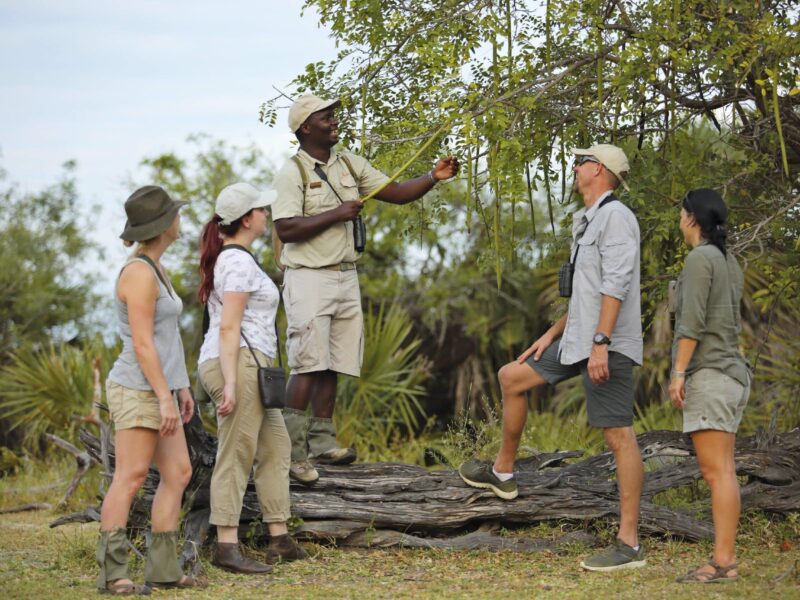
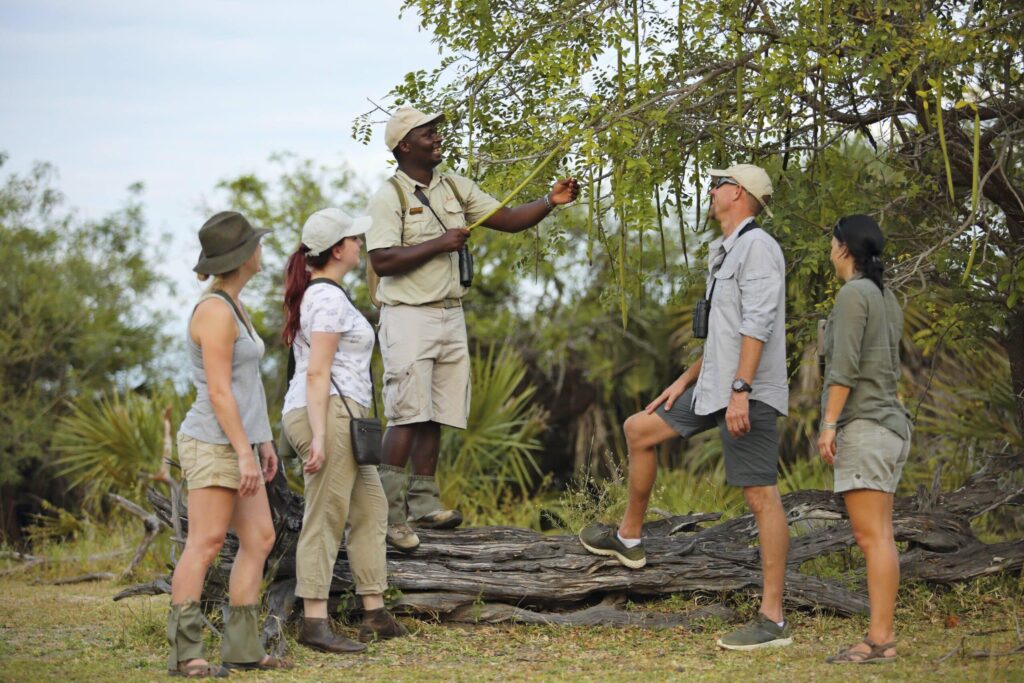
A Warthog Walk in Lake Mburo National Park usually begins early in the morning or later in the afternoon. These are cooler hours when animals stay active and conditions feel comfortable for walking. Guests meet trained ranger guides who explain safety rules, walking procedures, and what wildlife may appear during the activity.
The walk often starts from a lodge area or park trail. Guides move at a calm pace and scan the landscape constantly. They read signs in the bush, identify tracks, and choose routes based on fresh animal activity. This expert guidance increases the chance of finding warthogs and other wildlife.
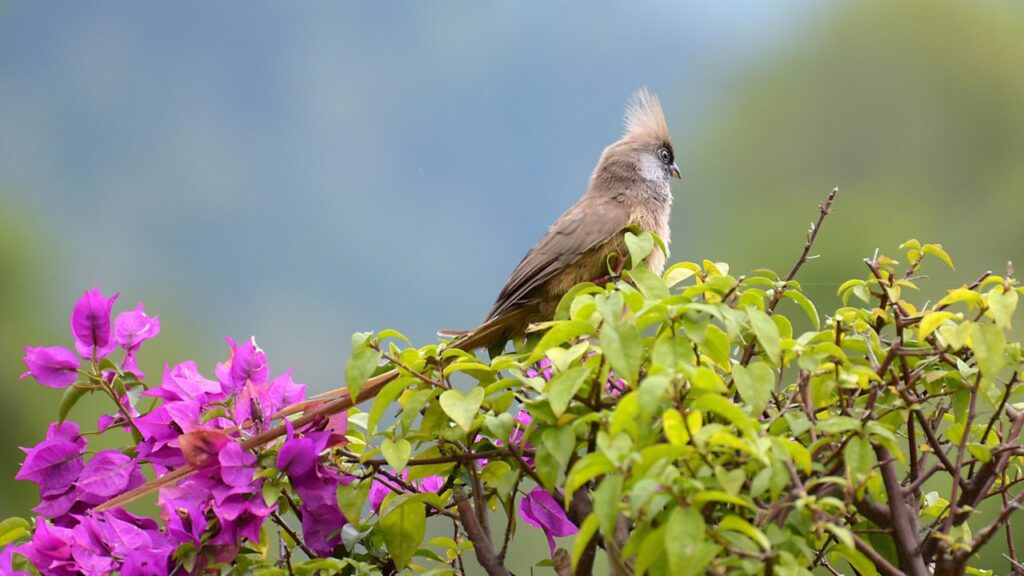
As the walk continues, visitors enjoy much more than animal sightings. They hear bird calls, smell wild plants, and notice details in the grassland that vehicles often pass quickly. The experience feels immersive and natural.
Once warthogs are located, guides help guests keep a respectful distance. Visitors may watch them feeding, moving as a family, or resting near cover. Good guides explain body language and behavior, making the sighting more meaningful.
Many walks also include sightings of zebras, impalas, bushbucks, and buffaloes at safe distances. The route may pass scenic viewpoints overlooking lakes or valleys, adding beauty to the adventure.
The pace suits most reasonably fit travelers. Walks are not extreme hikes, but comfortable shoes, water, and sun protection help greatly. Guests return with a stronger sense of connection to nature than many vehicle safaris provide.
Best Time for a Warthog Walk in Lake Mburo
Lake Mburo National Park welcomes visitors all year, but dry seasons often provide the best walking conditions. The main dry months usually run from June to August and December to February. During these periods, trails remain firmer, grass becomes shorter, and wildlife is easier to spot.
Shorter vegetation helps guides track warthogs through visible signs such as prints and movement paths. It also gives guests clearer views for photography. Warthogs spend more time in open areas searching for food and water, which increases sighting chances.
Morning walks are especially rewarding. Animals leave resting areas and begin feeding while temperatures remain cool. Soft sunrise light also creates excellent photo opportunities. Evening walks offer another strong option because wildlife becomes active again as the heat drops.
Rainy seasons still have advantages. The park turns lush and green, landscapes look beautiful, and birdlife becomes vibrant. Warthogs remain present throughout the year, though taller grass may reduce visibility in some places.
Adira Safaris Africa helps travelers choose the best season based on travel dates, comfort preferences, and safari plans across Uganda. Whether visiting in dry or wet months, a guided walk in Lake Mburo remains a memorable experience.
Why Choose Adira Safaris Africa
Adira Safaris Africa specializes in authentic Uganda safari experiences designed for comfort, adventure, and great wildlife viewing. Travelers who book a Warthog Walk in Lake Mburo National Park enjoy professional planning and knowledgeable support from start to finish.
The company works with experienced guides who understand wildlife behavior and park conditions. They help guests enjoy safe walks while learning about animals, habitats, and conservation. This transforms the activity from a simple walk into an educational journey.
Adira Safaris Africa also arranges transport, park entry, accommodation, and custom itineraries. Guests can combine Lake Mburo with gorilla trekking, Queen Elizabeth National Park, Bwindi, or other destinations in Uganda.
Every traveler has different goals. Some want photography. Others want adventure, family holidays, or short weekend escapes. Adira Safaris Africa designs trips to match these needs with professional care.
Conclusion
A Warthog Walk in Lake Mburo National Park offers a rare chance to track wildlife on foot in one of Uganda’s most beautiful parks. It brings travelers close to nature and reveals the behavior of warthogs in a way that vehicle safaris cannot match. Watching them graze, move as families, or sprint across the plains creates memories that last for years.
Lake Mburo’s open landscapes, rich wildlife, and guided walking opportunities make it the perfect place for this adventure. It suits travelers who want something active, personal, and rewarding.
Book your Uganda safari with Adira Safaris Africa and enjoy the thrill of tracking warthogs on foot in Lake Mburo National Park.