
Mweya Peninsula Leopard Den in Queen Elizabeth National Park
May 1, 2026
Pakuba Airstrip Lions in Murchison Falls National Park
May 1, 2026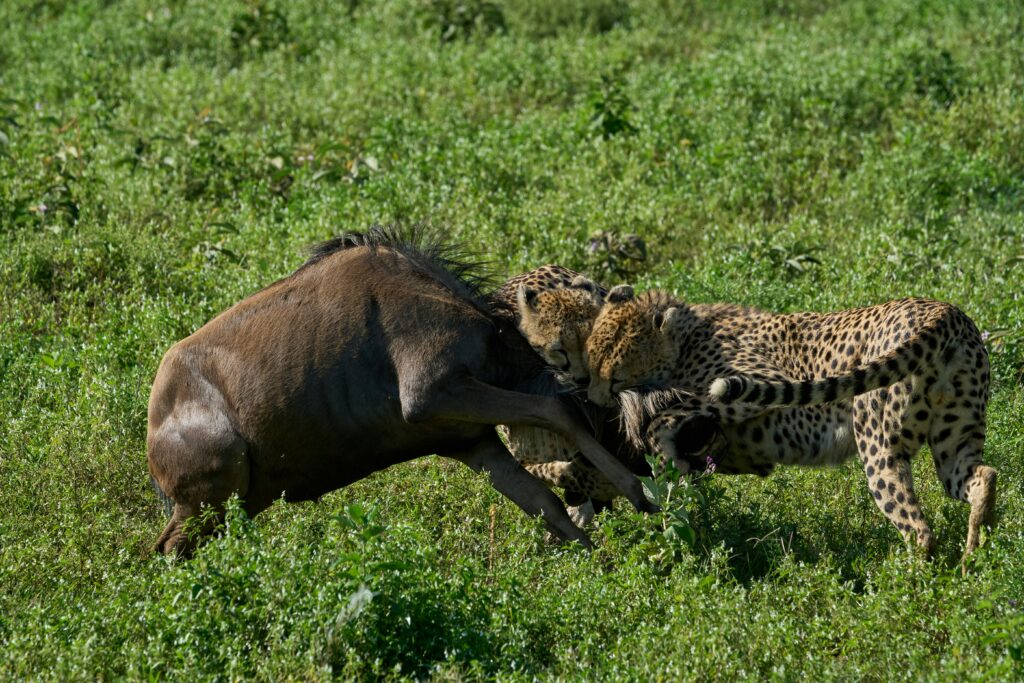
Rwonyo Camp Leopards in Kidepo Valley National Park
Kidepo Valley National Park ranks among the most remote and rewarding wildlife destinations in Africa. Located in the far northeastern corner of Uganda, the park offers dramatic savannah plains, rugged mountains, rich wildlife, and true wilderness experiences. Among its many fascinating stories, one stands out with humor and excitement. It is the story of the Rwonyo Camp leopards. These clever big cats became known for sneaking close to camp and stealing meat from tourists. The tale has circulated among guides, park staff, and travelers for years. It adds a thrilling and unforgettable layer to any safari in Kidepo Valley National Park.
Rwonyo Camp sits near the park headquarters and serves as one of the key visitor areas inside Kidepo. The camp area attracts travelers who want to stay close to nature while enjoying access to game drives and walking safaris. In the past, some visitors cooked food in open spaces or handled meat carelessly around camp. This created opportunities for opportunistic wildlife. Leopards, known for intelligence, stealth, and patience, quickly learned that campsites could offer easy rewards. They would move silently through the darkness, watch human activity from a safe distance, and seize meat when a chance appeared.
These incidents made the Rwonyo Camp leopards famous. They were not tame animals, nor were they aggressive pets. They remained wild predators using instinct and intelligence to exploit food opportunities. Their behavior highlighted the importance of proper food handling in wilderness areas. It also revealed just how adaptable leopards can be when living near human activity.
Today, the story of these meat-stealing cats continues to capture attention. Travelers visiting Kidepo often ask guides about them. While park management now follows stronger rules on food storage and campsite safety, the legend remains alive. Adira Safaris Africa proudly shares this remarkable wildlife story while helping guests explore Kidepo Valley National Park in a safe, respectful, and unforgettable way.
Where Rwonyo Camp is Located in Kidepo Valley National Park
Rwonyo Camp lies in the heart of Kidepo Valley National Park, close to the park headquarters and near some of the most scenic landscapes in Uganda. Kidepo Valley National Park covers vast savannah plains bordered by mountain ranges and seasonal rivers. Its isolated location has helped preserve one of the most authentic safari environments in East Africa. Wildlife roams freely across open grasslands, rocky outcrops, and acacia woodland. This setting makes Rwonyo Camp an ideal base for adventure seekers and nature lovers.
The camp area provides easy access to the Narus Valley, which is one of the best wildlife viewing zones in the park. Many animals gather here because of permanent water sources. Visitors often see elephants, buffaloes, giraffes, zebras, antelopes, lions, and many bird species. Leopards also move through the valley and nearby camp surroundings, especially at night when they hunt or patrol territory.
Rwonyo Camp gained popularity because it allowed visitors to sleep close to nature. In earlier years, the camp atmosphere felt raw and adventurous. Wildlife sounds echoed through the night. Hyenas laughed in the distance. Lions roared across the plains. Leopards moved quietly through the darkness. This direct connection with the wild gave Kidepo a reputation unlike many fenced or highly commercial safari parks.
The location of the camp near natural leopard habitat explains why the famous meat theft incidents happened there. Leopards already used nearby bushland and rocky cover for movement. The scent of food drifting from camp simply drew their attention. Their stealth allowed them to approach unnoticed and retreat quickly.
Adira Safaris Africa helps travelers experience the beauty of Rwonyo and the wider Kidepo ecosystem through carefully planned safaris. Guests enjoy wildlife drives, guided exploration, and the rare feeling of being in one of Africa’s last true wilderness parks.
Why Leopards Stole Meat from Tourists
Leopards are among the smartest and most adaptable predators in Africa. They survive in forests, mountains, savannahs, and even areas close to people. Their success comes from stealth, patience, and the ability to take advantage of opportunities. The Rwonyo Camp leopards showed all these traits when they stole meat from tourists.
The main reason was simple. Meat left exposed or handled carelessly presented an easy meal. Hunting wild prey requires energy, risk, and effort. A piece of meat near a campsite offered a quicker reward. Leopards naturally choose the option that saves energy when possible. This is common animal behavior in many parts of the world.
Leopards also move mostly at night or during low light. This gave them an advantage around camp. They could observe people from darkness, approach silently, and grab food before anyone reacted. Their padded feet make little sound. Their spotted coats blend well into shadows. Many people would never know a leopard was nearby until it had already disappeared.
Another reason involved scent. Leopards have sharp senses and can detect food smells from distance. Cooking meat, storing it poorly, or leaving scraps around camp likely attracted them. Once one successful theft happened, the animal may have repeated the behavior. Predators learn quickly when a strategy works.
These incidents do not mean the leopards were dangerous man-eaters or dependent on human food. They remained wild hunters. They simply exploited an easy opportunity created by human habits. This lesson remains important for all safari travelers today.
Adira Safaris Africa educates guests on proper camp behavior, food safety, and wildlife respect. Understanding why the Rwonyo Camp leopards acted this way helps travelers appreciate both the intelligence of leopards and the need for responsible tourism in wild places.
What Makes Leopards So Fascinating to Safari Travelers
Leopards are often the most desired sighting on an African safari. Unlike elephants or giraffes, they are elusive and secretive. Many visitors spend days searching before seeing one. This rarity makes every encounter special. The Rwonyo Camp leopards became famous because they combined that natural mystery with bold and clever behavior.
A leopard moves with grace and confidence. It climbs trees with ease, stalks prey in silence, and disappears into cover within seconds. Its rosette-patterned coat blends perfectly into grass, bush, and rocky terrain. Even when one sits in plain sight, people may struggle to notice it. This camouflage makes sightings thrilling and rewarding.
Leopards also show remarkable strength. They can drag prey heavier than themselves into trees to protect it from lions and hyenas. Their independence sets them apart from lions, which live in prides. A leopard survives mostly alone, relying on skill and intelligence.
Stories like those from Rwonyo Camp make leopards even more interesting. Travelers enjoy hearing how one silently entered camp, stole meat, and vanished before anyone understood what happened. Such tales reveal personality and problem-solving ability in wildlife.
In Kidepo Valley National Park, leopard sightings remain possible around rocky kopjes, riverbeds, and wooded edges of the Narus Valley. Night sounds and fresh tracks add excitement even when the cat stays hidden. The sense that a leopard may be nearby creates suspense many safari lovers cherish.
Adira Safaris Africa guides guests with patience and expert tracking knowledge to improve chances of seeing these magnificent cats. Whether through a direct sighting or through legendary camp stories, leopards leave a lasting impression on everyone who visits Kidepo.
How Wildlife Safety Has Improved Around Rwonyo Camp
Safari tourism has evolved greatly over the years. Parks and camps now understand more about wildlife behavior, guest safety, and sustainable operations. Because of this progress, the conditions that once allowed leopards to steal meat from tourists have changed significantly around Rwonyo Camp and similar destinations.
Modern camps follow strict food management practices. Staff store meat and supplies securely. Waste disposal systems reduce smells that attract predators. Cooking areas remain supervised. Guests receive clear guidance on never leaving food unattended. These simple steps make a major difference.
Park authorities also train rangers and hospitality teams in wildlife awareness. Staff monitor animal movement near visitor zones and respond quickly if predators approach too closely. Lighting, fencing in some areas, and designated dining spaces can further reduce conflict while still preserving the natural feel of the camp.
Education is another key improvement. Travelers today often arrive with greater awareness of safari etiquette. They understand that feeding wildlife, leaving scraps around camp, or attempting close encounters can create dangerous habits for animals. Responsible behavior protects both visitors and wildlife.
Despite these safety improvements, the wild atmosphere of Kidepo remains intact. Guests still hear nocturnal sounds and feel close to nature. The difference is that operations now balance adventure with smart management.
The legend of the Rwonyo Camp leopards therefore belongs to an earlier safari era. It remains an exciting story, but not a model for modern practice. Today’s focus is coexistence without rewarding wildlife for entering campsites.
Adira Safaris Africa works only with trusted lodges, camps, and professional teams that prioritize safety, conservation, and guest comfort. Travelers can enjoy the thrill of Kidepo’s wilderness while knowing responsible systems are in place throughout their safari experience.
Best Time to Visit Kidepo and Search for Leopards
Kidepo Valley National Park welcomes visitors throughout the year, but timing can improve wildlife viewing opportunities. The dry seasons usually provide the best conditions for game drives and predator sightings. During these months, grass becomes shorter and animals gather near water sources in the Narus Valley. This concentration can increase the chance of spotting leopards and other predators.
Morning game drives are highly rewarding. Leopards may still be active after night hunting and can sometimes be seen returning to cover. Late afternoon drives also work well because temperatures cool and animals begin moving again. Midday heat often sends leopards into shade where they become harder to see.
The wet seasons transform Kidepo into a green paradise. Landscapes look lush, skies appear dramatic, and birdlife flourishes. While leopard sightings may become harder due to thicker vegetation, the park remains beautiful and less crowded.
Travelers should remember that leopards are naturally elusive. No sighting is guaranteed. This is why longer stays often bring better success than rushed itineraries. Two or three nights in Kidepo give guides more time to track movement patterns and search productive areas.
Combining patience with expert guiding makes a huge difference. Skilled guides read tracks, alarm calls, and recent behavior signs to narrow search areas. Even when a leopard remains hidden, the process itself adds excitement to the safari.
Adira Safaris Africa recommends tailored itineraries that maximize wildlife viewing while allowing guests to enjoy scenery, culture, and relaxation. Whether you come for lions, elephants, or the legendary Rwonyo Camp leopards, Kidepo rewards travelers who give it time.
Plan Your Kidepo Safari with Adira Safaris Africa
The story of the Rwonyo Camp leopards captures everything that makes Kidepo Valley National Park special. It combines wilderness, intelligence in nature, suspense, and unforgettable memories. Few safari destinations still feel as raw and authentic as Kidepo. Here, wildlife remains truly wild, landscapes feel endless, and every game drive can bring surprise.
Adira Safaris Africa specializes in creating professional safari journeys to Kidepo Valley National Park and other top Uganda destinations. We arrange transport, accommodation, park activities, expert guides, and personalized itineraries for couples, families, photographers, solo travelers, and groups.
Guests can combine leopard searches with lion viewing, cultural visits to local communities, bird watching, scenic photography, and nature walks. Kidepo also pairs well with Murchison Falls National Park, Bwindi Gorilla trekking, or Queen Elizabeth National Park for a complete Uganda safari.
Our team values safety, comfort, local knowledge, and meaningful travel experiences. We help guests understand wildlife behavior and appreciate stories like the Rwonyo Camp leopards within the broader context of conservation and responsible tourism.
If you dream of visiting one of Africa’s hidden gems and hearing the night sounds of true wilderness, Kidepo Valley National Park awaits. Let Adira Safaris Africa guide your journey with professionalism, care, and passion for Uganda’s remarkable natural heritage.