
Katunguru Bridge in Queen Elizabeth National park
April 30, 2026
Bwindi Elephant Trail
April 30, 2026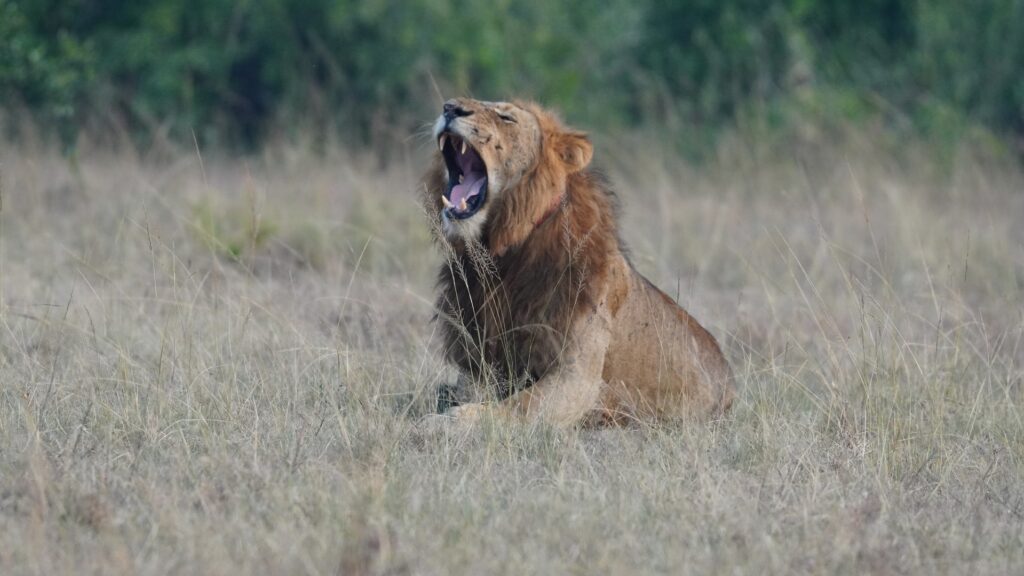
Lion Tracking Collars in Queen Elizabeth National Park
Lion tracking collars play a vital role in modern wildlife conservation. These devices help researchers monitor lion movements, behavior, and territory use across protected areas. In Queen Elizabeth National Park, lion tracking has evolved into a unique tourism activity. Visitors can now join guided drives that support real-time research. This experience blends adventure with conservation. It allows tourists to take part in meaningful scientific work while enjoying a close encounter with one of Africa’s most iconic predators.
Tourist tracking drives focus on locating specific lion prides using signals from tracking collars. Rangers and researchers use specialized receivers to pick up radio or GPS signals. These signals guide them through the savannah in search of lions. Tourists ride along in vehicles and observe the process step by step. The activity offers more than just wildlife viewing. It provides insight into how conservation works on the ground.
This approach benefits both researchers and visitors. Researchers gain additional support in monitoring lions across large landscapes. Tourists gain a deeper understanding of wildlife management. They learn about the challenges lions face and the efforts required to protect them. The experience also increases awareness about conservation issues.
Lion tracking drives stand out because they combine science, education, and tourism. They create a direct link between visitors and conservation efforts. This makes the experience more engaging and impactful. It also supports sustainable tourism practices that benefit wildlife and local communities.
Understanding Lion Tracking Collars
Lion tracking collars are advanced devices designed to monitor the movements of individual lions. Researchers place these collars around the necks of selected lions within a pride. Each collar transmits signals that help track the animal’s location. These signals can be picked up using handheld receivers or satellite systems.
The collars collect important data. They record movement patterns, hunting ranges, and resting areas. Researchers use this information to understand how lions interact with their environment. They also study how lions respond to changes such as human activity or climate conditions.
In Queen Elizabeth National Park, tracking collars help researchers follow specific prides across vast landscapes. The park covers a large area with diverse habitats. Lions move between open savannah, woodland, and crater lakes. Without tracking collars, finding them consistently would prove difficult.
The collars do not harm the lions. Wildlife veterinarians fit them carefully to ensure comfort and safety. They also monitor the collars regularly. When necessary, they remove or replace them. This ensures that the devices do not interfere with the lion’s natural behavior.
Tracking collars provide accurate and reliable data. This makes them an essential tool in conservation research. They help scientists make informed decisions about wildlife management. They also support efforts to protect lion populations in the long term.
How Tourist Tracking Drives Work
Tourist tracking drives follow a structured and guided process. Visitors join trained rangers and researchers early in the morning or late in the afternoon. These times increase the chances of locating active lions. The team begins by identifying the signal frequency of a collared lion.
Using a receiver and directional antenna, the ranger scans the area for signals. The device produces a sound that becomes stronger as the vehicle moves closer to the lion. The team adjusts direction based on signal strength. This creates a real-time tracking experience that feels both exciting and educational.
As the team moves through Queen Elizabeth National Park, they interpret the signals and the landscape. They consider factors such as terrain, vegetation, and recent lion activity. This process requires skill and experience. Tourists observe and learn how researchers make decisions in the field.
Once the team locates the pride, visitors can watch the lions from a safe distance. Rangers ensure that the viewing remains respectful and non-intrusive. Tourists often see lions resting, grooming, or interacting within the pride. These moments provide valuable insight into lion behavior.
The drive usually lasts a few hours. It offers a deeper and more focused experience than standard game drives. Visitors leave with a better understanding of how tracking technology supports conservation. They also gain a sense of participation in ongoing research efforts.
The Role of Tracking Collars in Research
Tracking collars contribute significantly to scientific research. They allow researchers to gather long-term data on lion populations. This data helps answer important questions about behavior, survival, and habitat use.
In Queen Elizabeth National Park, researchers use tracking data to map lion territories. They identify areas where prides overlap or compete. This helps in understanding social structures and interactions between different groups.
Tracking collars also help monitor lion health and survival rates. Researchers can detect unusual movement patterns that may indicate injury or illness. This allows for timely intervention when necessary. It improves the chances of survival for individual lions.
Another key benefit involves conflict management. Lions sometimes move near human settlements in search of prey. Tracking data helps authorities respond quickly to such situations. Rangers can guide lions back into protected areas. This reduces the risk of conflict with local communities.
The information collected supports conservation planning. It helps park authorities make informed decisions about habitat protection and tourism management. It also contributes to global research on lion conservation. This ensures that efforts in Uganda align with broader conservation goals.
Enhancing the Tourist Experience Through Participation
Lion tracking drives offer a unique form of experiential tourism. Visitors do not simply observe wildlife. They take part in the process of finding and studying lions. This creates a deeper connection with nature and conservation.
In Queen Elizabeth National Park, this experience stands out as one of the most engaging activities. Tourists gain firsthand knowledge of how researchers track and monitor lions. They learn about the tools and techniques used in the field.
The experience also builds appreciation for the complexity of wildlife conservation. Visitors see the effort required to locate and study lions. They understand that conservation involves more than just protecting animals. It requires data, planning, and continuous monitoring.
Tourists often find the experience more rewarding than a standard game drive. The process of tracking adds an element of anticipation and discovery. Each step brings them closer to the lions. This makes the final sighting more meaningful.
Participation also encourages responsible tourism. Visitors become more aware of their impact on the environment. They learn the importance of respecting wildlife and following guidelines. This promotes sustainable travel practices.
Conservation Benefits of Tourist Tracking Drives
Tourist tracking drives provide direct benefits to conservation efforts. Revenue generated from these activities supports park management and research programs. It helps fund equipment, ranger training, and wildlife monitoring.
The involvement of tourists also increases awareness. Visitors learn about the challenges facing lions. These include habitat loss, human-wildlife conflict, and poaching. This knowledge often inspires support for conservation initiatives.
In Uganda Wildlife Authority, tourism plays a key role in funding conservation. Activities like lion tracking create a sustainable source of income. This reduces reliance on external funding and ensures long-term stability.
Tracking drives also strengthen the relationship between conservationists and local communities. Revenue from tourism supports community projects and employment. This creates incentives for protecting wildlife and habitats.
By combining tourism with research, lion tracking drives create a win-win situation. They support conservation while offering a unique and educational experience for visitors.
Challenges in Lion Tracking and Conservation
Despite its benefits, lion tracking presents several challenges. Researchers must work in vast and sometimes difficult terrain. Locating lions requires time, skill, and patience. Signals may weaken or become difficult to interpret in certain areas.
Weather conditions can also affect tracking. Rain, heat, and vegetation changes influence lion movements. Researchers must adapt to these conditions to maintain accurate tracking.
Human-wildlife conflict remains a concern. Lions sometimes leave protected areas in search of prey. This creates risks for both lions and communities. Tracking data helps manage these situations, but challenges still exist.
Maintaining tracking equipment requires resources. Collars need regular monitoring and replacement. This adds to the cost of research and conservation.
Despite these challenges, tracking remains one of the most effective tools for studying and protecting lions. It provides valuable insights that support long-term conservation efforts.
Conclusion: A Unique Blend of Science and Safari
Lion tracking collars have transformed wildlife conservation in Queen Elizabeth National Park. They provide essential data that helps protect lion populations. At the same time, they create a unique opportunity for tourists to engage with conservation.
Tourist tracking drives offer more than just a safari experience. They allow visitors to participate in real research. They provide insight into the challenges and successes of wildlife conservation. This makes the experience both educational and memorable.
The collaboration between researchers, rangers, and tourists highlights the importance of collective effort. Conservation does not rely on one group alone. It requires support from many stakeholders.
Adira Safaris Africa invites you to take part in this extraordinary experience. Join a lion tracking drive and discover how science and tourism work together. Witness the process of finding a pride. Learn about the tools that make it possible. And contribute to the protection of one of Africa’s most iconic species.
Lion tracking drives represent the future of sustainable tourism. They combine adventure, education, and conservation in a meaningful way. They ensure that future generations can continue to experience the beauty and power of lions in the wild