
Tutum Cave Bats in Mount Elgon
April 27, 2026
Ranger Photobombs: The UWA Rule That Places a Guard in Every Gorilla Shot
April 28, 2026
River Semuliki Hippos- Africa’s Most Aggressive River Giants
The hippos that inhabit the Semuliki River stand out as some of the most aggressive in Africa. These animals differ noticeably in behavior from the more commonly known Nile hippopotamus found in other parts of the continent. While all hippos have a reputation for being territorial and dangerous, the River Semuliki population has developed an even sharper defensive instinct. This behavior links closely to their environment, survival pressures, and the unique ecological conditions of the Semuliki region.
The Semuliki River flows along the western border of Uganda, forming a natural boundary with the Democratic Republic of Congo. It cuts through dense forests and remote wilderness areas. These landscapes create limited grazing zones and tighter living spaces for wildlife. As a result, hippos here compete more intensely for territory and resources. This competition fuels their aggressive nature and makes them highly sensitive to disturbances.
Travelers who explore the Semuliki region often hear about these hippos before they see them. Local guides emphasize caution and awareness near the riverbanks. Unlike in other parks where hippos may seem calm during the day, River Semuliki hippos react quickly to perceived threats. They do not tolerate intrusion into their space. This makes them fascinating to observe but also demands strict safety measures.
Understanding these hippos requires a deeper look at their habitat, behavior, and interaction with the surrounding ecosystem. Their story reflects how environment shapes wildlife behavior. It also highlights why the Semuliki region remains one of Uganda’s most intriguing and lesser-explored safari destinations.
Habitat and Environmental Influence
The Semuliki River ecosystem plays a major role in shaping the behavior of its hippos. This river runs through the lowland forests of Semuliki National Park, one of Uganda’s most biologically diverse areas. The park features thick vegetation, swampy sections, and a hot, humid climate. These conditions differ greatly from the open savannah landscapes where many hippos live.
In open environments, hippos enjoy wide grazing fields and clear visibility. They spread out easily and avoid frequent confrontation. In contrast, the Semuliki region limits movement. Dense vegetation reduces visibility and increases uncertainty. Hippos cannot easily detect threats from a distance. As a result, they respond quickly and often aggressively to any disturbance.
Water levels in the Semuliki River also fluctuate throughout the year. During dry seasons, the river shrinks and forces hippos into smaller pools. This crowding increases tension among individuals. Competition for space intensifies, and dominance battles become more frequent. These conditions reinforce aggressive traits over time.
The riverbanks in Semuliki also host other wildlife, including crocodiles and forest elephants. This shared environment adds another layer of pressure. Hippos must constantly defend their territory not only from their own kind but also from potential predators and competitors. This continuous need for defense sharpens their instincts.
The isolation of the Semuliki ecosystem further influences hippo behavior. Unlike populations in more visited parks, these hippos experience minimal human interaction. They do not grow accustomed to people. Instead, they treat any human presence as a potential threat. This lack of habituation explains why they react more aggressively than hippos in heavily toured areas.
Behavior and Aggression Patterns
River Semuliki hippos display clear signs of heightened aggression. Their behavior differs in both intensity and frequency compared to other hippo populations. They defend their territory with little warning. Sudden charges, loud vocalizations, and rapid movements often characterize their reactions.
Hippos in general rank among the most dangerous animals in Africa. They can run faster than humans on land and move swiftly in water. In Semuliki, these traits become even more pronounced. The hippos here show lower tolerance for intrusion. Even minor disturbances can trigger defensive behavior.
Territorial males lead much of this aggression. They control sections of the river and guard access to females. In the Semuliki River, these territories tend to be smaller due to limited space. This creates more overlap between individuals. As a result, conflicts occur more often. Males frequently engage in fights to establish dominance.
Females also display strong protective instincts, especially when calves are present. A mother hippo will not hesitate to charge if she senses danger. In the dense environment of Semuliki, such encounters can happen unexpectedly. Limited visibility increases the likelihood of close-range interactions, which often escalate quickly.
Another notable behavior involves nocturnal activity. Hippos leave the water at night to graze. In Semuliki, this movement occurs within constrained areas. Encounters with other hippos or animals during these nighttime excursions can lead to sudden aggression. The unpredictability of these interactions adds to the overall risk associated with this population.
Understanding these behavior patterns helps visitors and researchers approach the area with respect. It also reinforces the need for experienced guides when exploring the river environment.
Comparison with Nile Hippos
The contrast between River Semuliki hippos and typical Nile hippos highlights the impact of environment on wildlife behavior. The Nile hippopotamus inhabits many rivers and lakes across sub-Saharan Africa. In places like the Nile River, hippos often coexist with regular human activity. Over time, some populations become more tolerant of boats and nearby presence.
In Semuliki, the situation differs greatly. The hippos maintain a stronger defensive stance. They do not share space easily. Their environment does not allow for wide dispersal, and their limited exposure to humans keeps their instincts sharp.
Nile hippos in open savannah parks often rely on distance as a safety buffer. Visitors can observe them from afar without triggering aggressive responses. In Semuliki, this buffer shrinks significantly. Dense vegetation and narrow waterways reduce the space between humans and wildlife. This proximity increases the likelihood of confrontation.
Diet and grazing patterns also differ slightly. While both populations feed mainly on grass, Semuliki hippos adapt to the available vegetation within forest edges and riverbanks. This adaptation may influence their movement patterns and territorial behavior.
These differences do not change the species itself but highlight how local conditions shape behavior. The Semuliki hippos represent a more intense expression of traits found across the species. They serve as a reminder that wildlife behavior varies greatly depending on habitat.
Safety Considerations for Visitors
Visiting the Semuliki region offers a unique and rewarding experience. However, it requires careful planning and strict adherence to safety guidelines. The aggressive nature of River Semuliki hippos makes caution essential.
Visitors should always travel with experienced guides who understand the terrain and animal behavior. Guides know how to read warning signs and maintain safe distances. They also choose routes that minimize risk.
Avoid approaching the riverbanks on foot without supervision. Hippos often rest in shallow waters close to the shore. Disturbing them at close range can trigger a charge. Always keep a safe distance and remain alert.
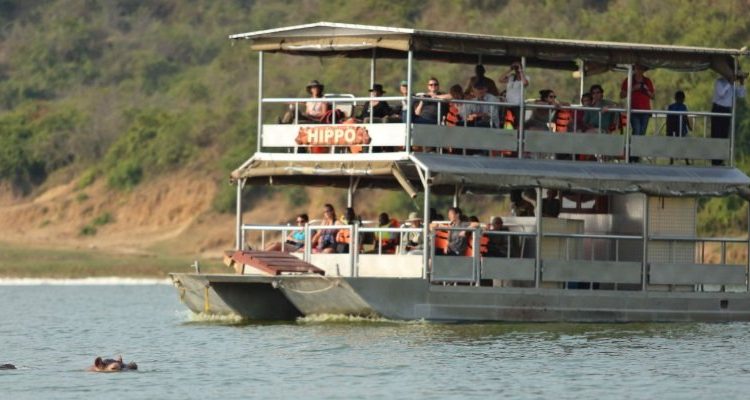
Boat trips, if available, should follow strict guidelines. Maintain a respectful distance from hippos at all times. Never attempt to provoke or attract them for photographs. Sudden movements and loud noises can cause stress and lead to aggressive reactions.
Nighttime movement near the river requires extra caution. Hippos leave the water to graze, and visibility becomes limited. Encounters during this time can be dangerous. It is best to avoid walking near the river after dark.
Respect for wildlife ensures both safety and a better experience. Observing hippos in their natural habitat offers valuable insight into their behavior. It also supports conservation efforts by promoting responsible tourism.
Conservation and Ecological Importance
River Semuliki hippos play an important role in maintaining the health of their ecosystem. Their presence supports nutrient cycling within the river. As they move between land and water, they transfer organic material that benefits aquatic life.
Their grazing habits also shape vegetation patterns along the riverbanks. By feeding on grasses, they help maintain open areas that support other species. This interaction contributes to the overall balance of the ecosystem.
Despite their aggressive nature, these hippos face threats similar to other wildlife populations. Habitat loss, climate change, and human encroachment pose ongoing challenges. Protecting areas like Semuliki National Park ensures that these animals continue to thrive.
Conservation efforts focus on preserving natural habitats and reducing human-wildlife conflict. Responsible tourism plays a key role in this process. Visitors who follow guidelines and respect wildlife contribute to long-term sustainability.
Research on River Semuliki hippos also provides valuable insights into animal behavior. Studying how environment influences aggression can help improve conservation strategies across different regions.
Why River Semuliki Hippos Matter
River Semuliki hippos represent more than just an aggressive wildlife population. They illustrate the powerful link between environment and behavior. Their story adds depth to Uganda’s rich biodiversity and highlights the uniqueness of the Semuliki region.
For travelers, they offer a rare opportunity to witness wildlife in a less commercialized setting. The experience feels raw and authentic. It brings visitors closer to nature and emphasizes the importance of respect and awareness.
For conservationists, these hippos provide a case study in adaptation and survival. They show how animals respond to environmental pressures and how ecosystems shape behavior over time.
The Semuliki River remains one of Uganda’s hidden gems. Its hippos stand as a symbol of its wild and untamed character. Exploring this region requires preparation, knowledge, and respect. In return, it offers an unforgettable glimpse into one of Africa’s most fascinating wildlife environments.
Conclusion
River Semuliki hippos stand apart due to their heightened aggression and unique environmental conditions. Their behavior reflects the challenges of living in a dense, competitive ecosystem. While they share the same species as the Nile hippos, their environment shapes them into more defensive and reactive animals.
Understanding these hippos enhances the safari experience. It encourages responsible travel and deeper appreciation of wildlife. With proper guidance and respect, visitors can safely observe these remarkable creatures.
Adira Safaris Africa invites travelers to explore the Semuliki region with awareness and curiosity. The journey offers more than just wildlife sightings. It provides insight into the delicate balance of nature and the forces that shape it