
Flamingo Disappearance in Queen Elizabeth National Park
April 24, 2026
How to Interact with Wildlife Safely and Responsibly
April 24, 2026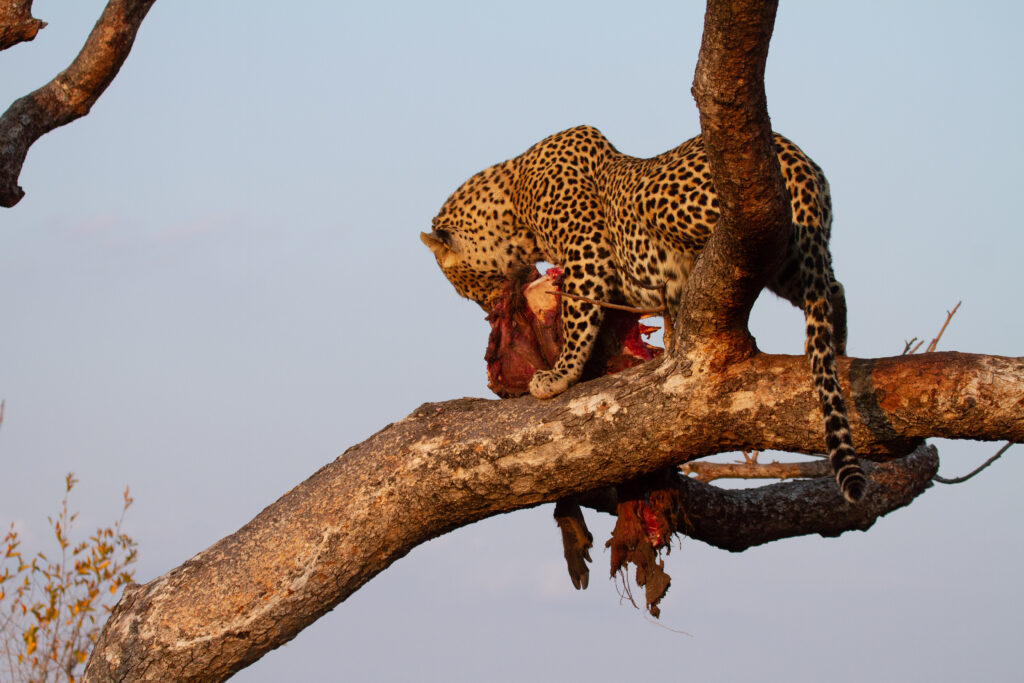
Understanding the Food Chain of Wildlife
The food chain forms the foundation of every wildlife ecosystem. It explains how animals depend on one another for survival. In natural environments such as Queen Elizabeth National Park and Murchison Falls National Park, the food chain connects all living organisms in a balanced system. Some animals feed on grass and plants. Others rely on fruits and seeds. A different group survives by hunting and feeding on other animals. This system creates a cycle of energy transfer that supports life in the wild. Each level of the food chain plays a specific role. When one part changes, the entire system feels the impact.
Plants form the first level of the food chain. They are known as producers because they create their own food through photosynthesis. Grasslands and forests in Queen Elizabeth National Park provide abundant vegetation. Sunlight, water, and soil nutrients allow plants to grow and thrive. These plants support a wide range of herbivores. Without this foundation, the entire wildlife system would collapse. Producers convert energy from the sun into a form that animals can consume. This process begins the flow of energy through the ecosystem.
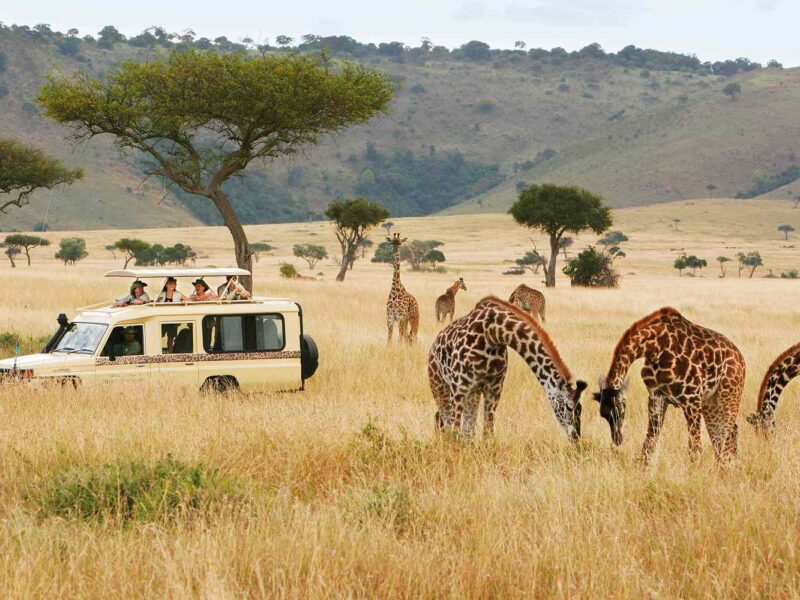
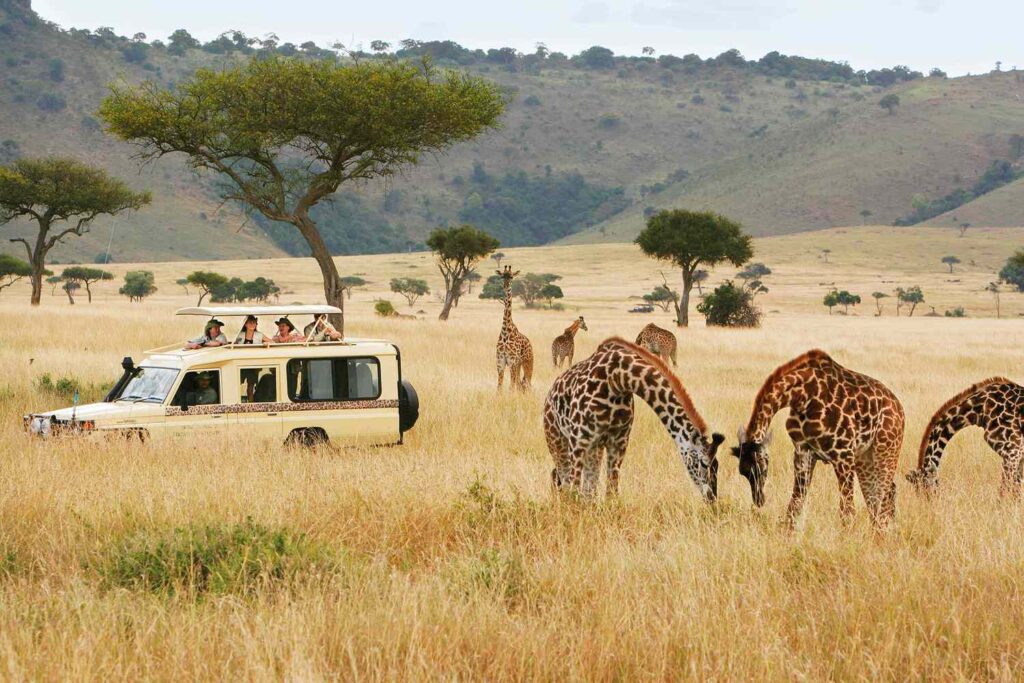
Herbivores occupy the second level of the food chain. These animals feed directly on plants. In Uganda’s national parks, common herbivores include antelopes, elephants, zebras, and buffaloes. They graze on grass or browse on leaves and fruits. In Kidepo Valley National Park, large herds of grazing animals shape the landscape through their feeding habits. Herbivores play a crucial role in controlling plant growth. They also serve as a primary food source for carnivores. Their survival directly influences the populations of predators in the ecosystem.
Carnivores form the next level of the food chain. These animals feed on herbivores and other smaller animals. Predators such as lions, leopards, and hyenas rely on hunting for survival. In Queen Elizabeth National Park, lions often prey on antelopes and buffaloes. This predator-prey relationship maintains balance within the ecosystem. Carnivores control herbivore populations and prevent overgrazing. This allows vegetation to regenerate and sustain the environment. Without predators, herbivore populations would grow rapidly and damage plant life.
Omnivores add another layer to the food chain. These animals feed on both plants and other animals. They adapt easily to different food sources. Examples include baboons and some bird species found in Murchison Falls National Park. Omnivores help stabilize ecosystems because they can switch diets based on availability. This flexibility allows them to survive in changing conditions. Their role connects different levels of the food chain and supports biodiversity.
Decomposers complete the food chain cycle. These organisms break down dead plants and animals. They include bacteria, fungi, and insects. In forests and savannahs, decomposers recycle nutrients back into the soil. This process supports plant growth and restarts the food chain. In ecosystems like Bwindi Impenetrable National Park, decomposition plays a vital role in maintaining soil fertility. Without decomposers, waste would accumulate, and nutrients would not return to the environment.
The food chain does not exist in isolation. It forms part of a larger system known as the food web. A food web shows how multiple food chains connect and interact. In Queen Elizabeth National Park, a single herbivore may feed on several plant species. At the same time, multiple predators may hunt the same prey. This complex network creates stability within the ecosystem. If one food source becomes scarce, animals can adapt by using alternative resources.
Interdependence defines the food chain of wildlife. Each species relies on others for survival. Herbivores depend on plants. Carnivores depend on herbivores. Decomposers depend on all living and dead matter. This connection ensures the continuous flow of energy. In Kidepo Valley National Park, seasonal changes affect food availability. Animals respond by migrating, changing diets, or adjusting behavior. These adaptations highlight the dynamic nature of the food chain.
Human activity can disrupt the food chain. Habitat destruction, pollution, and climate change alter ecosystems. When plant life declines, herbivores lose their food source. This affects predators that rely on those herbivores. In areas surrounding Murchison Falls National Park, conservation efforts aim to protect habitats and maintain ecological balance. Sustainable practices help reduce negative impacts and support wildlife populations.
Climate change also influences the food chain. Changes in rainfall and temperature affect plant growth. This impacts herbivores and, in turn, carnivores. In Queen Elizabeth National Park, shifting weather patterns can alter grazing areas and water availability. Animals must adapt to these changes to survive. Conservation strategies focus on preserving habitats and ensuring access to resources.
The role of predators often receives attention in discussions about the food chain. Predators maintain healthy populations by targeting weak or sick animals. This process strengthens the genetic quality of prey species. In Kidepo Valley National Park, predators help balance ecosystems and prevent disease spread. Their presence indicates a healthy environment.
Birds also play an important role in the food chain. Some birds feed on insects, while others act as scavengers. Scavengers such as vultures consume dead animals and prevent the spread of disease. In Queen Elizabeth National Park, bird species contribute to ecosystem health by controlling pests and recycling nutrients. Their activities support both plant and animal life.
Water ecosystems follow similar food chain principles. In lakes and rivers, algae and aquatic plants act as producers. Fish and small organisms feed on them. Larger fish and birds prey on smaller species. In areas near Murchison Falls National Park, aquatic food chains support diverse wildlife. These systems connect with land ecosystems, creating a unified natural environment.
Understanding the food chain helps visitors appreciate the complexity of wildlife ecosystems. Each safari experience offers a glimpse into this intricate system. Observing animals in their natural habitats reveals how they interact and depend on each other. In Bwindi Impenetrable National Park, visitors witness how forest ecosystems sustain a wide range of species.
Adira Safaris Africa encourages travelers to respect and protect wildlife ecosystems. Responsible tourism supports conservation efforts and preserves the natural balance of the food chain. By understanding how animals depend on one another, visitors develop a deeper appreciation for nature.
In conclusion, the food chain of wildlife represents a delicate and interconnected system. Plants, herbivores, carnivores, omnivores, and decomposers each play vital roles. Their interactions sustain life and maintain ecological balance. Protecting this system ensures the survival of wildlife and the preservation of natural habitats. Adira Safaris Africa remains committed to promoting awareness and conservation, helping to safeguard Africa’s rich biodiversity for future generations