

Hot Air Balloon Ride in Queen Elizabeth National Park
April 22, 2026
Why Lake Mburo National Park Has No Elephants
April 23, 2026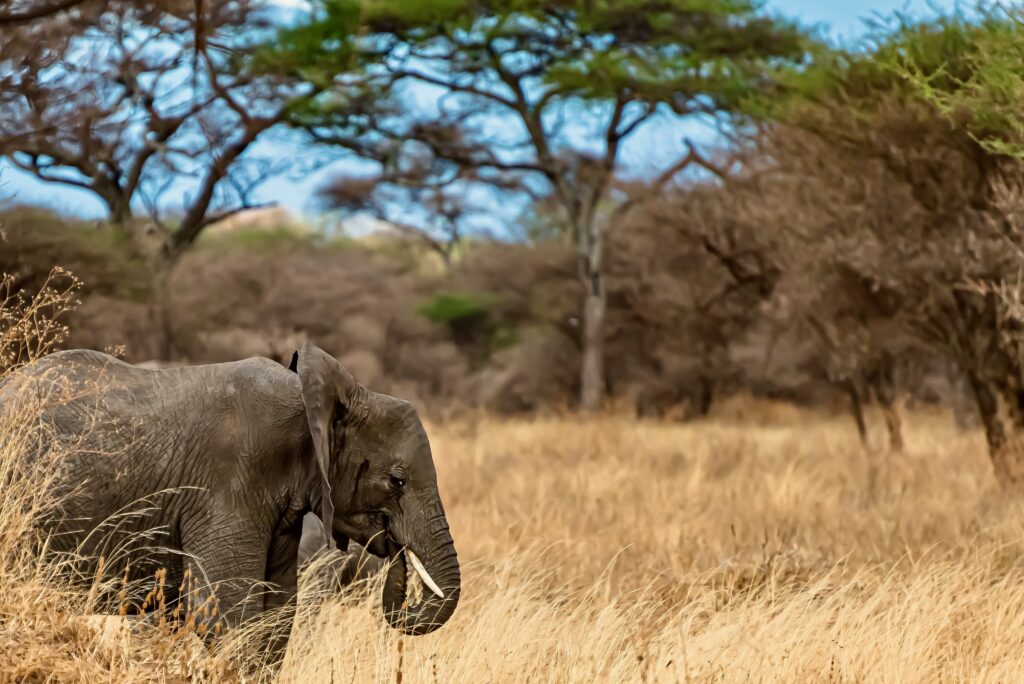
Kibale Forest Elephants
Kibale National Park is widely known for its rich primate population, especially chimpanzees. However, the park also hosts a lesser-known but fascinating species—forest elephants. These elephants differ greatly from the more familiar savannah elephants found in other parts of Uganda. Their presence adds depth to the biodiversity of Kibale and offers visitors a rare glimpse into a unique ecosystem.
Kibale’s dense tropical rainforest creates a habitat that shapes the behavior and physical characteristics of these elephants. The thick vegetation, limited visibility, and constant humidity influence how they move, feed, and interact. Unlike open savannahs, this environment demands adaptability and caution.
Forest elephants in Kibale remain elusive. Visitors rarely see them during standard tours. However, their presence becomes clear through signs such as footprints, broken vegetation, and feeding trails. These subtle indicators create a sense of mystery and excitement.
Adira Safaris Africa introduces travelers to this hidden aspect of Kibale. Through guided forest walks and expert interpretation, guests learn about these elephants without disturbing them. This approach ensures a respectful and enriching experience.
Physical Differences Between Forest and Savannah Elephants
African Forest Elephant found in Kibale National Park differ physically from the African Bush Elephant of the savannah. One of the most noticeable differences lies in size. Forest elephants are smaller and more compact. This body structure helps them move easily through dense vegetation.
Their ears also appear more rounded compared to the larger, fan-shaped ears of savannah elephants. Smaller ears reduce the risk of injury while navigating through thick forest. Their tusks grow straighter and point downward. This shape allows them to push through undergrowth and dig for minerals in the forest floor.
The darker skin tone of forest elephants helps them blend into the shaded forest environment. This natural camouflage adds to their elusive nature.
These physical traits show how the species has adapted to its habitat. Every feature supports survival in a challenging environment.
Adira Safaris Africa ensures that visitors understand these differences. Guides explain how physical traits connect to habitat and behavior. This knowledge enhances appreciation for the species.
Behavior and Temperament of Kibale Forest Elephants
Forest elephants in Kibale National Park display behavior that sets them apart from their savannah relatives. They tend to be more secretive and cautious. The dense forest limits visibility, so these elephants rely heavily on their senses of smell and hearing.
They move quietly through the forest, often in small family groups. This contrasts with the larger herds seen in open savannahs. Smaller group sizes help them navigate narrow paths and reduce noise.
Forest elephants can also appear more aggressive. This behavior often results from their environment rather than their nature. In dense forests, sudden encounters with humans or other animals can startle them. They react quickly to protect themselves and their young.
Their feeding habits include browsing on leaves, fruits, bark, and roots. They also play a key role in seed dispersal. By spreading seeds across the forest, they help maintain plant diversity.
Adira Safaris Africa emphasizes safety during forest activities. Guides teach visitors how to behave in elephant habitats. This ensures a secure and respectful experience for both humans and wildlife.
The Rarity of Forest Elephants in Kibale
African Forest Elephant remain rare in Kibale National Park. Their elusive nature and low population density make sightings uncommon. This rarity increases their value in conservation and research.
Several factors contribute to their limited numbers. Habitat loss, human encroachment, and historical poaching have affected populations across Africa. Although Kibale provides protection, these elephants still face challenges.
The dense forest also makes tracking difficult. Unlike savannah elephants, which roam open areas, forest elephants stay hidden. Researchers rely on indirect methods such as dung analysis and camera traps to study them.
Despite their rarity, their presence remains crucial. They influence forest structure and support biodiversity. Losing them would disrupt the ecosystem.
Adira Safaris Africa presents this rarity as part of the park’s charm. Visitors learn that not all wildlife experiences involve direct sightings. Understanding hidden species adds depth to the journey.
Role of Forest Elephants in the Ecosystem
Forest elephants play a vital role in maintaining the health of Kibale National Park. They act as natural gardeners of the forest. Their feeding habits shape vegetation patterns and promote growth.
When elephants consume fruits, they carry seeds across long distances. These seeds later grow into new plants. This process supports forest regeneration.
Their movement also creates pathways through dense vegetation. These paths help other animals move easily within the forest. Smaller species depend on these routes for survival.
By breaking branches and clearing undergrowth, elephants create gaps in the canopy. These gaps allow sunlight to reach the forest floor. This encourages the growth of diverse plant species.
The absence of forest elephants would affect many other organisms. Their role extends beyond their own survival. They support an entire network of life.
Adira Safaris Africa highlights this ecological importance during tours. Guests learn how each species contributes to the ecosystem. This understanding fosters respect for conservation.
Challenges Facing Kibale Forest Elephants
African Forest Elephant face several challenges in Kibale National Park. Human activities near the park create pressure on their habitat. Expansion of agriculture reduces available forest areas.
Human-wildlife conflict also occurs when elephants move beyond park boundaries. Farmers may view them as threats to crops. This creates tension between conservation and livelihoods.
Illegal hunting has affected elephant populations in the past. Although protection has improved, the threat still exists.
Climate change adds another layer of difficulty. Changes in rainfall patterns can affect food availability and water sources.
Addressing these challenges requires collaboration. Park authorities, conservation groups, and local communities must work together. Education and sustainable practices play key roles in protecting these elephants.
Adira Safaris Africa supports conservation efforts through responsible tourism. The company encourages practices that protect wildlife and habitats.
Exploring Kibale Forest and Elephant Habitats
Exploring Kibale National Park offers an immersive experience. Visitors walk through dense forest trails guided by experts. These walks reveal signs of elephant activity and other wildlife.
Chimpanzee tracking remains the main attraction. However, forest walks provide opportunities to learn about elephants and other species. Guides explain how to identify tracks, dung, and feeding marks.
Bird watching also adds value to the experience. The forest hosts numerous bird species that thrive in this environment.
The combination of activities creates a well-rounded safari. Visitors experience both visible and hidden aspects of the ecosystem.
Adira Safaris Africa ensures that each activity remains safe and informative. The company provides experienced guides who understand the forest environment.
Best Time to Visit Kibale Forest
The best time to visit Kibale National Park depends on weather and travel preferences. Dry seasons from June to August and December to February offer easier walking conditions. Trails remain less slippery, and activities become more comfortable.
Wet seasons bring lush greenery and vibrant landscapes. However, heavy rains can make trails challenging. Visitors should prepare for muddy conditions.
Forest elephants remain active throughout the year. Their movements depend on food availability rather than seasons.
Adira Safaris Africa helps travelers plan visits based on their preferences. The team provides guidance on what to expect during each season.
Why Choose Adira Safaris Africa
Adira Safaris Africa offers expertly guided tours to Kibale National Park. The company focuses on delivering authentic and educational experiences.
Professional guides provide detailed insights into forest elephants and their environment. They ensure that guests understand the uniqueness of this species.
The company values sustainability and conservation. Tours follow guidelines that protect wildlife and habitats.
Personalized service ensures comfort and convenience for travelers. Every detail receives attention, from planning to execution.
Conclusion
African Forest Elephant in Kibale National Park represent a rare and fascinating aspect of Uganda’s wildlife. Their smaller size, unique behavior, and elusive nature set them apart from savannah elephants.
Visitors who explore Kibale gain insight into a hidden world. They learn about the role of forest elephants in maintaining ecological balance.
Adira Safaris Africa ensures that every journey becomes meaningful and memorable. Kibale Forest elephants offer a unique experience that goes beyond traditional safaris.