
Accommodation Options in Bwindi Impenetrable National Park
January 9, 2026
What to Wear for Gorilla Trekking in Uganda and Rwanda
January 12, 2026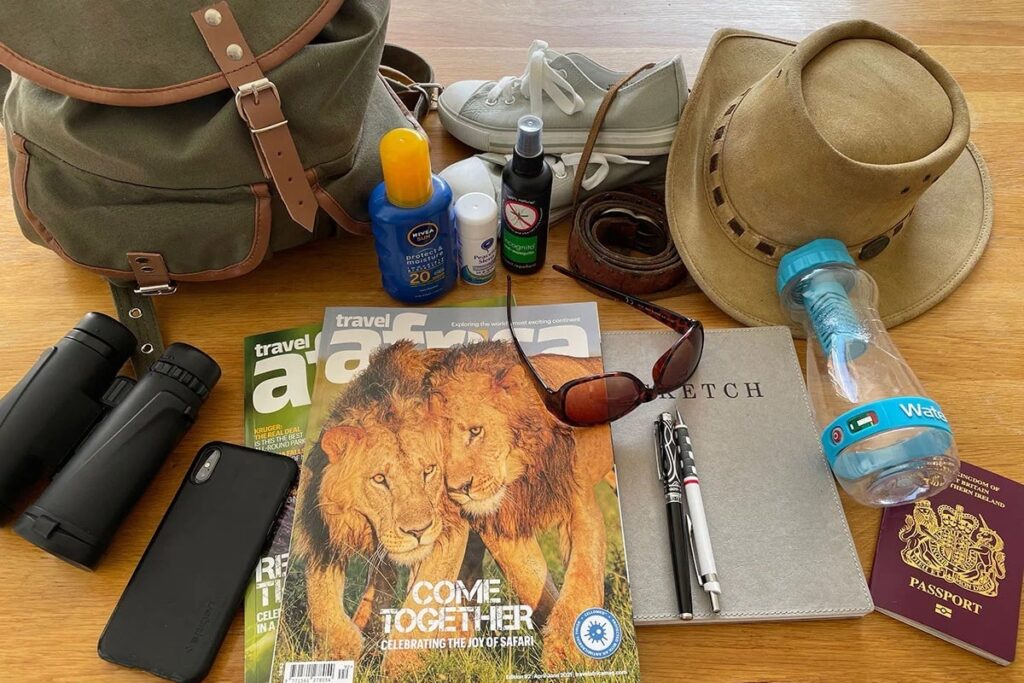
Gorilla trekking in Uganda and Rwanda is one of Africa’s most thrilling wildlife experiences. Walking through dense rainforest in search of endangered mountain gorillas is both physically demanding and deeply rewarding. However, your comfort, safety, and overall enjoyment depend heavily on what you pack.
Whether you’re trekking in Bwindi Impenetrable National Park or Mgahinga Gorilla National Park in Uganda, or Volcanoes National Park in Rwanda, this complete packing list by Adira Safaris will help you prepare properly for your once in a lifetime adventure.
Essential Clothing for Gorilla Trekking
Gorilla trekking takes place in mountainous rainforest terrain, where weather conditions can change quickly. Proper clothing is essential.
1. Long-Sleeved Shirts
Choose lightweight, breathable long sleeved shirts to protect your arms from scratches, insect bites, and stinging plants. Neutral colors like green, brown, or khaki are ideal.
2. Long Trekking Pants
Durable, quick-dry trekking pants offer protection from nettles, thorns, and mud. Avoid shorts, as vegetation is thick and often wet.
3. Waterproof Jacket or Poncho
Rain is common in gorilla habitats, even during the dry season. A lightweight waterproof jacket or poncho is a must.
4. Warm Layer
Early mornings can be cold, especially at higher altitudes. A fleece or light sweater will keep you warm before and after the trek.
Footwear: Comfort and Grip Matter
5. Waterproof Hiking Boots
Sturdy, ankle-support hiking boots with good grip are essential. Trails can be muddy, steep, and slippery. Make sure your boots are well broken in before the trek.
6. Trekking Socks
Pack thick, moisture wicking socks to prevent blisters and keep your feet dry. Gaiters are optional but helpful for keeping mud and insects out of your boots.
Accessories You Shouldn’t Forget
7. Garden Gloves or Trekking Gloves
Gloves protect your hands when grabbing vines, branches, or tree roots for support on steep sections.
8. Hat or Cap
A wide brimmed hat or cap protects you from sun and rain.
9. Sunglasses
Useful during open sections of the trek and while traveling between locations.

Personal Essentials & Health Items
10. Insect Repellent
Use a strong insect repellent to protect yourself from mosquitoes and forest insects.
11. Sunscreen
Even in the forest, sun exposure can be significant, especially at higher altitudes.
12. Personal Medications
Bring any prescription medication you require, along with basic pain relievers and motion sickness tablets if needed.
13. Hand Sanitizer & Wet Wipes
Useful before and after the trek, especially since facilities in the forest are limited.
Daypack Essentials
14. Small Backpack
A lightweight daypack is ideal for carrying water, snacks, and personal items. Porters are available and highly recommended to make your trek easier.
15. Reusable Water Bottle
Staying hydrated is crucial. Carry at least 1–2 liters of water.
16. Energy Snacks
Pack high-energy snacks such as protein bars, nuts, or dried fruit to keep your energy levels up during the hike.
Photography & Documentation Gear
17. Camera (No Flash)
You’ll want to capture the unforgettable moment of seeing mountain gorillas. Ensure your camera has good low light capability, as the forest can be dim. Flash photography is strictly prohibited.
18. Extra Batteries & Memory Cards
Cold and damp conditions drain batteries quickly. Carry spares.
19. Waterproof Camera Bag
Protect your camera and electronics from rain and humidity.
Optional but Highly Recommended Items
20. Walking Stick
Often provided at the park headquarters, but you can bring your own if preferred. It helps with balance on steep or muddy trails.
21. Binoculars
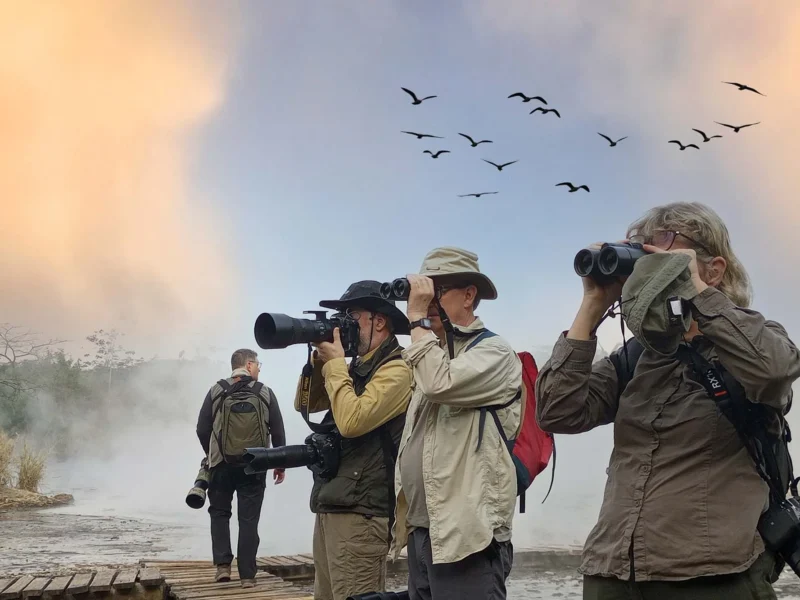
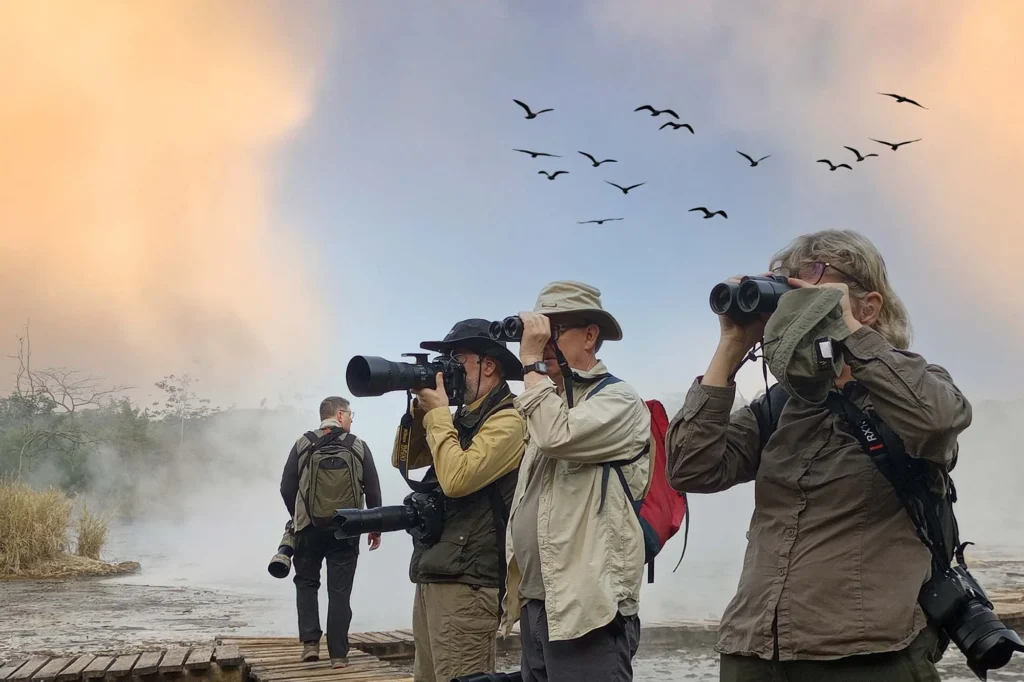
Useful for spotting birds and other wildlife during the trek.
22. Cash for Tips
It’s customary to tip guides, trackers, and porters. Carry small denominations in local currency or USD.
What Not to Pack
-
Brightly colored clothing
-
Strong perfumes or colognes
-
Plastic bags (banned in Rwanda and discouraged in Uganda)
-
Drones (strictly prohibited)
Final Packing Tips from Adira Safaris
-
Pack light but smart comfort is key.
-
Wear your trekking clothes on the morning of the hike.
-
Use a porter if available; it supports the local community and reduces fatigue.
-
Follow your guide’s instructions at all times for your safety and the gorillas’ protection.
Ready for Your Gorilla Trekking Adventure?
At Adira Safaris, we ensure every detail of your gorilla trekking safari is well planned from permits and accommodations to expert guides and packing advice. With the right preparation, your encounter with mountain gorillas will be nothing short of extraordinary.
Contact Adira Safaris today and let us help you plan a seamless and unforgettable gorilla trekking experience in East Africa.