
Golden Monkey Fur Shedding Season
May 25, 2026
Sempaya Springs in Semuliki
May 25, 2026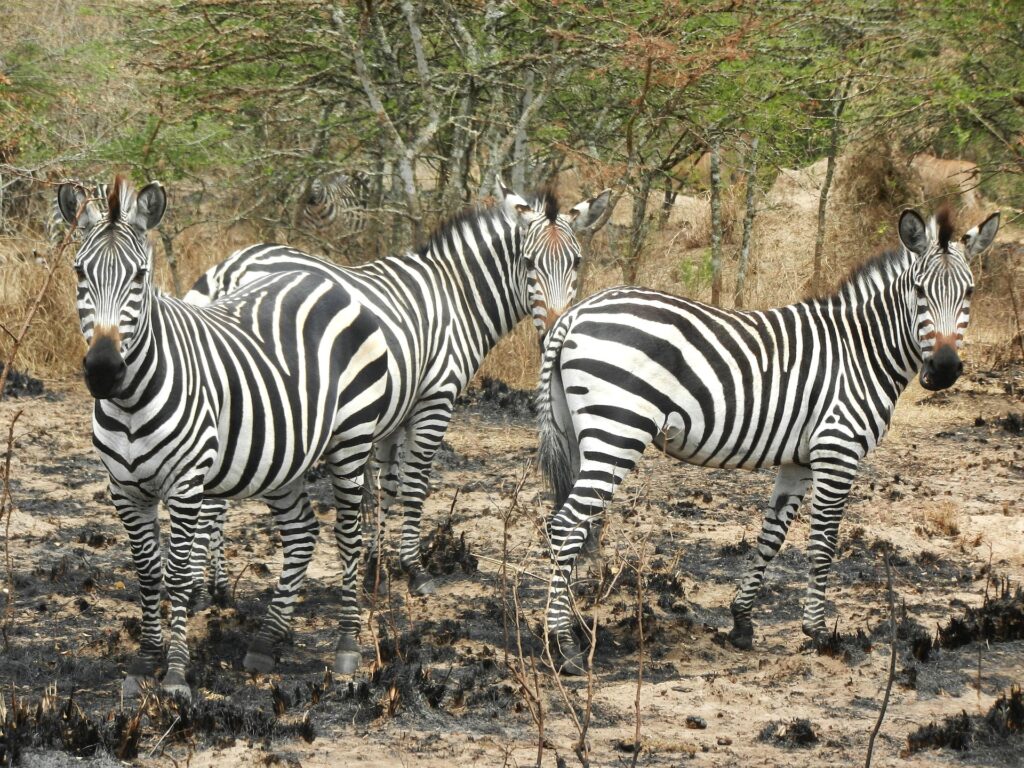
Zebra Stripe Pattern
The zebra stripe pattern remains one of the most fascinating wonders of African wildlife. Tourists who visit the savannah plains of Africa often admire zebras because of their striking black and white appearance. However, many travelers become even more excited when they discover that no two zebras ever have the same stripe pattern. Each zebra carries a completely unique design, much like a human fingerprint. This rare natural feature creates a thrilling wildlife experience for safari lovers, photographers, researchers, and nature enthusiasts.
Zebras roam across several famous African safari destinations including Serengeti National Park, Masai Mara National Reserve, Queen Elizabeth National Park, and Etosha National Park. Their bold stripes stand out beautifully against the grasslands and create one of the most recognizable wildlife images in the world. During game drives, tourists often spend time observing the different stripe arrangements among individual zebras within a herd.
The uniqueness of zebra stripes continues to attract scientific interest and public curiosity. Researchers study these patterns to understand genetics, animal behavior, adaptation, and survival in the wild. Travelers also enjoy learning about the many theories explaining why zebras evolved with such remarkable markings. The mystery behind their appearance adds excitement to every safari encounter.
Watching zebras move together across the plains creates a breathtaking sight. Their stripes blend into one another and form moving patterns that confuse predators and create visual beauty across the landscape. Visitors often find themselves captivated by the elegance and mystery of these animals.
Adira Safaris Africa offers unforgettable safari experiences that allow travelers to observe zebras closely in their natural habitats. Learning about zebra stripe patterns adds educational value and excitement to every wildlife adventure across East Africa’s beautiful national parks and savannah ecosystems.
Why No Two Zebras Have the Same Stripes
One of the most exciting facts about zebras is that every individual has its own stripe pattern. Just as fingerprints differ among humans, zebra stripes remain completely unique from one animal to another. Scientists use these stripe patterns to identify individual zebras during wildlife studies and conservation work.
The stripe pattern begins developing while the zebra is still growing inside its mother’s womb. Genetic factors influence the arrangement, thickness, direction, and spacing of the stripes. Small developmental differences during growth create endless variations among zebras. As a result, nature produces a unique design for every animal born into the wild.
Tourists on safari often enjoy comparing stripe patterns between zebras within the same herd. Some zebras display thick bold stripes while others have thinner or more closely packed lines. Certain zebras may also show shadow stripes or slight brown tones mixed with the black and white coloring. These differences make every wildlife sighting feel special and personal.
The uniqueness of zebra stripes also helps family members recognize one another. Young foals identify their mothers partly through stripe patterns shortly after birth. This recognition becomes important for survival within large moving herds where many zebras stay close together.
Researchers and wildlife photographers appreciate the individuality of zebra markings because it allows long-term monitoring of specific animals. Scientists can track movement patterns, behavior, migration, and social relationships by studying stripe arrangements carefully. This method helps conservation teams understand zebra populations more effectively without harming the animals.
The idea that no zebra ever repeats another’s stripe design fascinates many travelers because it highlights the creativity and complexity of nature. Visitors often leave safari destinations with a greater appreciation for wildlife diversity and natural adaptation.
Adira Safaris Africa helps travelers experience these remarkable animals closely while providing informative guided safaris that explain the science, beauty, and mystery behind zebra stripe patterns across Africa’s wilderness regions.
The Purpose of Zebra Stripes in the Wild
For many years, scientists and wildlife experts have studied zebra stripes to understand their purpose in nature. Although researchers continue exploring the subject, several strong theories explain why zebras evolved with these extraordinary patterns. Each explanation adds another layer of fascination to the zebra safari experience.
One popular theory suggests that zebra stripes help confuse predators such as lions and hyenas. When zebras move together in a herd, their stripes blend visually and create a moving illusion. Predators may struggle to focus on one individual zebra within the group, especially when the herd runs quickly across the plains. This confusion can reduce the chances of successful attacks.
Another important theory involves protection from insects. Studies indicate that biting flies such as tsetse flies and horseflies find it harder to land on striped surfaces. The contrasting black and white patterns may disrupt the insects’ vision and reduce their ability to approach the animals. This natural defense helps zebras avoid irritation and disease carried by biting insects.
Some scientists also believe the stripes assist with temperature regulation. Black stripes absorb heat while white stripes reflect sunlight. The temperature differences between the stripes may create small air movements across the zebra’s body, helping it stay cool under the hot African sun.
Social communication may provide another explanation for the stripe patterns. Zebras live in family groups and large herds where visual recognition matters greatly. The unique stripe arrangements may help zebras identify one another and maintain strong social bonds within the herd.
The mystery surrounding zebra stripes continues attracting attention because no single explanation answers every question completely. This uncertainty keeps the subject exciting for travelers and wildlife enthusiasts. Every safari encounter becomes more meaningful when tourists understand the possible survival advantages hidden within the zebra’s beautiful appearance.
Adira Safaris Africa gives visitors opportunities to observe zebra behavior in the wild while learning about the scientific theories that make these animals some of Africa’s most intriguing wildlife species.
Zebra Herds and the Beauty of Collective Movement
Watching a zebra herd move across the African savannah creates one of the most breathtaking wildlife scenes in nature. The synchronized movement of black and white stripes forms stunning visual patterns that captivate tourists during safari adventures. The beauty becomes even more impressive when large herds travel together during migration seasons.
Zebras are highly social animals that depend on group living for survival and protection. They often remain close together while grazing, drinking water, or traveling across open grasslands. Their stripe patterns combine visually and create a flowing wave-like effect as the herd moves through the landscape.
This collective movement confuses predators and strengthens the safety of the group. Lions and hyenas find it harder to isolate a single target when surrounded by constantly shifting stripes. The moving patterns create optical confusion that benefits the zebras during dangerous situations.
Tourists visiting destinations such as Serengeti National Park and Masai Mara National Reserve often witness thousands of zebras migrating together alongside wildebeests. These massive wildlife movements create unforgettable safari moments filled with energy, sound, and visual beauty.
The social bonds within zebra groups also contribute to their fascinating behavior. Family members groom one another, communicate through vocal sounds, and protect young foals carefully. The herd structure helps ensure safety and cooperation within the challenging environment of the African wilderness.
Photographers particularly enjoy capturing zebra herds because the stripe patterns create artistic natural images. The contrast between the animals and the golden grasslands produces dramatic safari photography opportunities. Sunrise and sunset light make the stripes appear even more striking across the landscape.
The experience of watching zebras interact within their social groups helps visitors appreciate the intelligence and complexity of wildlife behavior. Every herd displays unique movements and interactions that make each safari different from the next.
Adira Safaris Africa organizes professional safari tours that allow travelers to witness zebra herds in some of Africa’s most beautiful national parks while learning about their behavior, migration, and survival strategies.
Zebra Stripes and Wildlife Photography
Zebra stripe patterns create extraordinary opportunities for wildlife photography across Africa’s safari destinations. Photographers from around the world travel to East and Southern Africa specifically to capture the dramatic beauty of these animals within their natural habitats. The combination of black and white stripes against colorful landscapes produces visually powerful images.
Each zebra photograph becomes unique because no two animals share the same pattern. Photographers enjoy focusing on individual stripe details, facial expressions, herd formations, and interactions between zebras. Close-up images often reveal the incredible complexity of the stripe arrangements and highlight the uniqueness of each animal.
Lighting conditions greatly influence zebra photography. Early morning and late afternoon sunlight create soft shadows and rich contrasts that enhance the visual impact of the stripes. Golden savannah grasslands provide a warm background that makes the black and white markings stand out clearly.
The movement of zebra herds adds another exciting element to photography. Running zebras create dynamic scenes filled with energy and motion. Dust rising from the plains during migration seasons adds drama and atmosphere to wildlife images.
Photographers also enjoy capturing emotional moments among zebra families. Mothers protecting foals, herd members grooming one another, and playful young zebras create touching and memorable wildlife scenes. These moments reveal the social nature of zebras and bring life to safari photography.
Black and white photography styles work especially well with zebras because the stripe contrast remains naturally strong. Many photographers experiment with artistic compositions that focus entirely on pattern, texture, and movement rather than color.
The fascination with zebra stripes encourages visitors to look more closely at wildlife details during safari experiences. Tourists begin appreciating not only large dramatic animals but also the subtle beauty found within natural patterns and adaptations.
Adira Safaris Africa provides expertly guided safari experiences that help photographers and wildlife enthusiasts capture unforgettable zebra moments across Africa’s iconic national parks and savannah landscapes.
The Fascination of Zebra Stripes for Travelers
The mystery and beauty of zebra stripe patterns continue inspiring curiosity among travelers visiting Africa. Many tourists arrive expecting to see wild animals but leave deeply fascinated by the scientific and natural stories behind zebra stripes. Learning that every zebra carries a unique pattern transforms a simple safari sighting into a meaningful wildlife experience.
Travelers enjoy asking questions about why zebras evolved stripes, how the patterns develop, and what purpose they serve in nature. Guides often explain the different scientific theories while tourists observe the animals directly within the savannah environment. This combination of learning and adventure creates memorable safari experiences suitable for families, students, researchers, and wildlife lovers.
Children especially find zebra stripes exciting because the patterns appear almost unreal in their perfection and uniqueness. The idea that nature creates a different design for every zebra sparks imagination and appreciation for wildlife diversity.
The fascination also extends beyond science. Many visitors simply admire the beauty and elegance of zebras moving freely across open grasslands. Their calm behavior, social interactions, and striking appearance create peaceful and inspiring safari moments.
Zebras also symbolize the richness and uniqueness of African wildlife ecosystems. Their presence supports predator populations and contributes to the balance of savannah habitats. Observing zebras helps travelers understand the interconnected relationships within nature.
Safari experiences become more rewarding when tourists connect emotionally and intellectually with the animals they encounter. Zebra stripes provide one of the best examples of how nature combines beauty, mystery, and survival into one extraordinary species.
Adira Safaris Africa continues creating unforgettable wildlife experiences that allow travelers to discover the thrill behind zebra stripe patterns while exploring Africa’s breathtaking safari destinations. The experience leaves visitors with lasting memories, beautiful photographs, and a deeper appreciation for the wonders of the natural world.