Pakuba Airstrip Lions in Murchison Falls National Park
May 1, 2026
Peak Margarita Without Ropes
May 2, 2026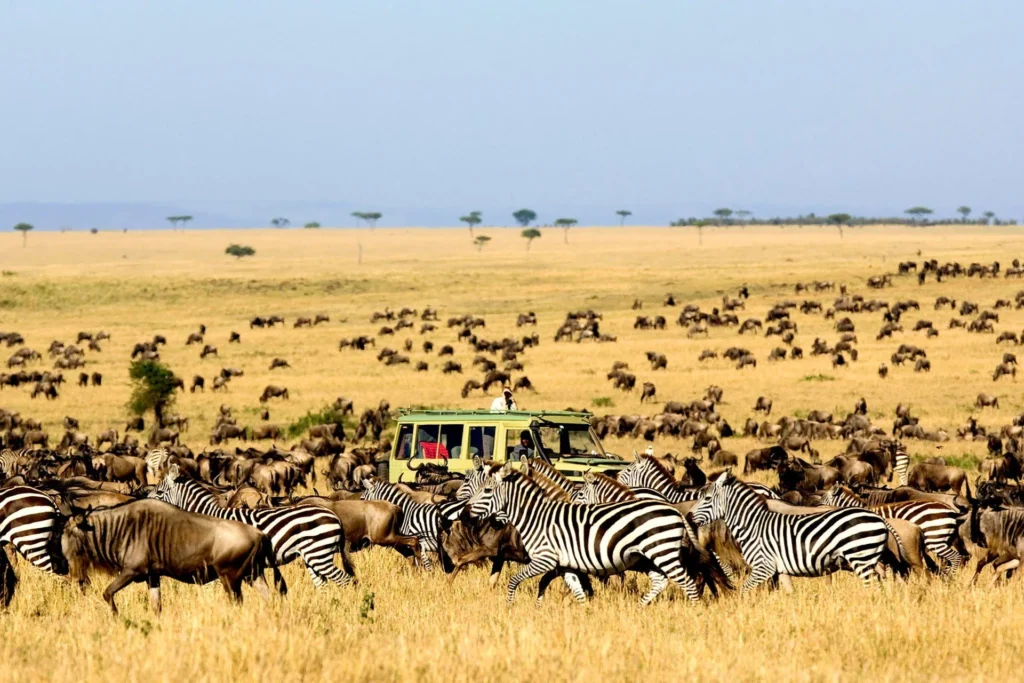
Zebra Migration in Lake Mburo National Park
Zebra migration in Lake Mburo National Park is one of the most interesting wildlife spectacles in Uganda. Every year, from June to August, large groups of zebras move across the park in search of fresh grazing areas, water sources, and safer feeding grounds. This seasonal movement creates exciting game viewing opportunities for travelers who want to witness active wildlife behavior in a beautiful savannah landscape. While many visitors know famous migrations in other parts of Africa, fewer people realize that Uganda also offers remarkable seasonal animal movement within its protected areas.
Lake Mburo National Park is the smallest savannah national park in Uganda, yet it holds rich biodiversity and stunning scenery. The park lies in western Uganda between Kampala and Bwindi Impenetrable National Park. Its location makes it a perfect stop for travelers heading to gorilla trekking or wildlife safaris. The park is known for zebras, impalas, buffaloes, elands, giraffes, hippos, and many bird species. Among these attractions, the movement of zebra herds between June and August adds extra excitement to the safari experience.
Unlike dramatic long-distance migrations across international borders, zebra migration in Lake Mburo National Park happens within the park ecosystem and surrounding connected habitats. The zebras follow changing grass conditions and rainfall patterns. Their movement helps them survive dry months and maintain access to food. For safari guests, this means herds gather in certain zones during this season, making sightings more dynamic and rewarding.
Adira Safaris Africa offers well-planned Uganda wildlife tours that include Lake Mburo National Park during the best zebra viewing months. This guide explains why zebras move from June to August, where to see them, what makes the migration special, and why this hidden Uganda wildlife experience deserves a place on your travel list.
Understanding Zebra Migration in Lake Mburo National Park
Zebra migration in Lake Mburo National Park refers to the seasonal movement of zebra herds across grazing areas during the months of June, July, and August. This movement is guided by natural survival needs rather than a fixed route. Zebras search for fresh grass, reliable water, and open areas where they can detect predators more easily. Their movement patterns change according to rainfall, vegetation growth, and pressure from other grazing animals.
The plains zebra is one of the signature species of Lake Mburo National Park. The park supports one of the most visible zebra populations in Uganda. These animals thrive in open grasslands, wooded savannah, and rolling hills where they can feed and move in groups. Zebras are social animals. They live in family units and larger herds, which makes their movement more noticeable during seasonal shifts.
From June to August, many areas begin to dry out. Grass quality changes, and some feeding grounds become less productive. Zebras respond by moving toward zones where grazing remains stronger. This may include valley floors, lakeshore grasslands, and sections of the park that hold moisture longer. As herds gather and shift together, visitors can observe coordinated wildlife movement that feels both natural and dramatic.
This migration may not match the scale of East Africa’s largest migrations, but it remains highly valuable for wildlife lovers. It reveals how animals adapt to local ecosystems. It also offers photographers and safari guests a chance to see large zebra groups in scenic settings.
For travelers seeking authentic nature experiences, zebra migration in Lake Mburo National Park is a rewarding reminder that great wildlife moments often happen in lesser-known destinations.
Why Zebras Move from June to August
The main reason zebras move from June to August in Lake Mburo National Park is the seasonal change in grass and water availability. These months often align with drier conditions in many parts of Uganda. As moisture levels drop, some grazing areas lose freshness and nutritional value. Zebras must move to survive and remain healthy.
Zebras are grazers. Their diet depends heavily on grass. They can eat tougher grass than some other animals, but they still prefer areas where forage remains abundant. During drier periods, grasses in exposed plains may become short, dry, or overused. Herds then move toward locations where soils retain moisture longer and new growth continues.
Water access also influences movement. Zebras need regular drinking sources, especially in warm weather. Areas near lakes, wetlands, or seasonal streams can attract more herds during June to August. In Lake Mburo National Park, the network of lakes and wetlands helps support wildlife during seasonal dry spells.
Safety is another factor. Zebras prefer open areas where they can detect danger early. When vegetation changes, some zones become less ideal for visibility or movement. Herds may shift into wider plains where group alertness works best.
Social behavior also supports migration. Zebras often move together in family groups and larger herds. When one group shifts to better feeding grounds, others may follow or join nearby movements.
For visitors, these natural reasons create excellent safari moments. Instead of scattered individual zebras, travelers may see concentrated herds moving across grasslands, feeding together, or resting near water sources. That makes June to August one of the best times to enjoy zebra activity in the park.
Best Places to See Zebra Migration in Lake Mburo National Park
Several areas within Lake Mburo National Park offer excellent chances to witness zebra migration from June to August. Because herds move according to grass and water conditions, sightings can vary each season. However, some zones remain consistently productive for zebra viewing.
The open savannah plains near Rwonyo are among the most popular wildlife viewing sections of the park. These grasslands often hold zebra herds, impalas, buffaloes, and warthogs. Early morning game drives in this area can reveal zebras grazing in soft sunrise light.
Lakeshore zones near Lake Mburo and connected wetlands also attract wildlife during drier months. Moist soils help sustain greener vegetation longer than exposed ridges. Zebras may gather in nearby feeding areas before moving again later in the day.
The Kazuma Track area is another rewarding route for safari drives. It offers elevated views across valleys and open country. Travelers often see herds spread across the landscape, especially when grasses remain favorable.
Western and southern sectors of the park can also produce excellent sightings depending on current conditions. Experienced guides monitor wildlife movement and know where herds have recently concentrated. This local knowledge greatly improves safari success.
Boat cruises on Lake Mburo do not focus on zebras directly, but combining a cruise with a game drive creates a fuller wildlife experience. Guests may enjoy hippos, crocodiles, water birds, and later continue to zebra zones by vehicle.
Because migration patterns shift, flexibility matters. Travelers who spend one or two nights in the park usually enjoy better chances than rushed day visitors. More time allows guides to adjust routes and follow recent herd activity.
What Makes This Zebra Migration Special
Zebra migration in Lake Mburo National Park is special because it offers an intimate and accessible wildlife experience. Unlike massive migrations that require long travel plans or crowded viewing circuits, Lake Mburo gives visitors close encounters in a compact and scenic park. Travelers can enjoy seasonal herd movement without needing an extreme expedition.
Another unique feature is the landscape. Lake Mburo blends rolling hills, acacia woodland, grassy plains, wetlands, and lakes. Watching zebra herds move through this varied terrain creates beautiful safari scenes. The combination of stripes, golden grass, blue water, and green hills is excellent for photography.
The park also allows activities beyond standard vehicle safaris. Lake Mburo is one of the few parks in Uganda where guided walking safaris are popular and safe in selected areas. Seeing zebras on foot with an armed ranger adds a deeper connection to nature. Horseback safaris are another famous attraction in the park, offering a rare chance to observe zebras quietly from a different perspective.
The zebra population itself is an important attraction. Lake Mburo is one of the best places in Uganda to see large numbers of zebras reliably. During migration months, sightings often become even more rewarding.
This seasonal movement also pairs well with broader Uganda itineraries. Travelers can combine zebra migration with gorilla trekking, chimpanzee tracking, or classic big game safaris. That makes Lake Mburo an ideal addition to a multi-destination journey.
For visitors who appreciate hidden gems, this migration stands out because it remains less commercialized yet highly memorable.
Best Time to Visit for Zebra Migration
The best time to visit for zebra migration in Lake Mburo National Park is from June to August. These months often bring drier conditions that encourage zebra movement between grazing areas. Herds may become easier to locate in productive feeding zones, especially with an experienced guide.
June usually marks the beginning of stronger seasonal movement. Fresh decisions by herds to shift grazing areas can create active scenes. July often provides excellent game viewing because vegetation may be shorter, making wildlife easier to spot. August can continue strong sightings depending on rainfall patterns.
Morning and late afternoon game drives are usually the best times of day. Wildlife tends to be more active when temperatures are cooler. Midday can still produce sightings, but animals often rest more during heat.
Travelers should book early for peak season dates, especially if combining the park with gorilla trekking or other popular Uganda safari destinations.
Even outside June to August, zebras remain present year-round. However, those seeking the seasonal movement experience should target these months.
Why Choose Adira Safaris Africa
Adira Safaris Africa offers professional Uganda safari experiences designed around the best wildlife seasons. We help travelers enjoy zebra migration in Lake Mburo National Park with expert planning, quality service, and knowledgeable guides.
Our team arranges transport, accommodation, park entry, game drives, boat cruises, and customized itineraries. We know the best times and routes for zebra viewing from June to August. Our guides understand animal behavior and current movement patterns, which improves the quality of each safari.
We also create combination tours that link Lake Mburo with Bwindi gorilla trekking, Queen Elizabeth National Park, Kibale chimpanzees, or Murchison Falls safaris. This allows guests to enjoy more of Uganda in one journey.
With Adira Safaris Africa, travelers receive personal attention, clear communication, and memorable wildlife experiences from start to finish.
Conclusion
Zebra migration in Lake Mburo National Park is one of Uganda’s underrated wildlife highlights. From June to August, zebra herds move across the park in search of fresh grazing and dependable water. This creates dynamic safari scenes and excellent viewing opportunities.
The migration is special because it happens in a scenic, accessible, and less crowded national park. Visitors can combine game drives, walking safaris, boat cruises, and even horseback adventures while enjoying close encounters with zebra herds.
With expert planning from Adira Safaris Africa, you can visit Lake Mburo at the perfect time and experience this seasonal wildlife movement in comfort and style. If you want a unique Uganda safari beyond the usual routes, zebra migration in Lake Mburo National Park deserves a top place on your itinerary.