
Wildlife in Maasai Mara National Park
June 8, 2026
Wildlife in Tsavo East and West National Parks
June 8, 2026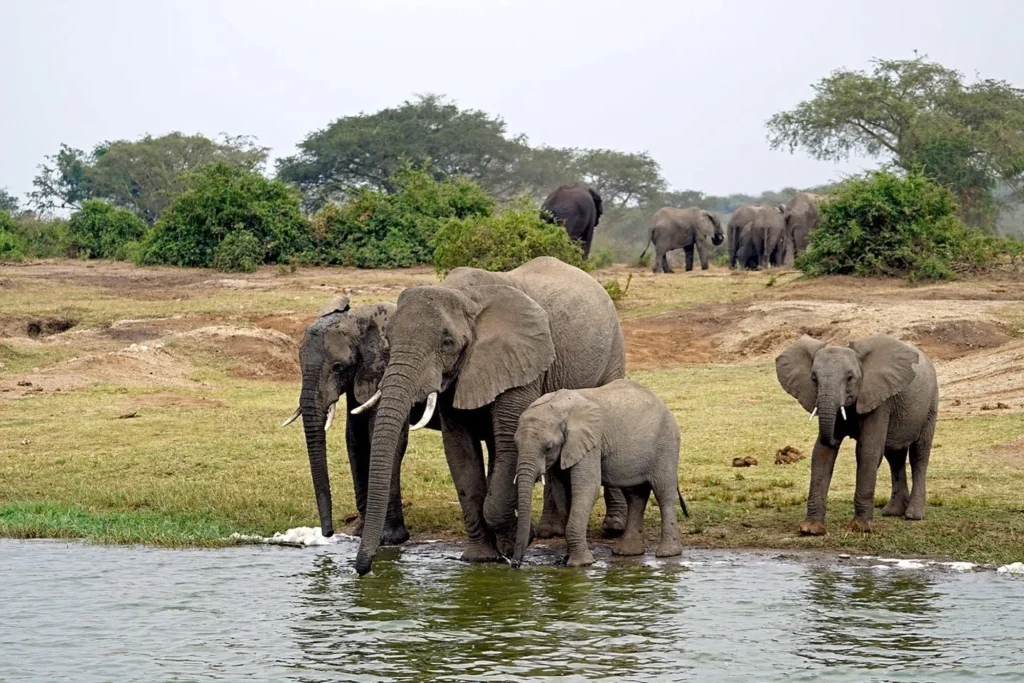
Wildlife in Amboseli National Park
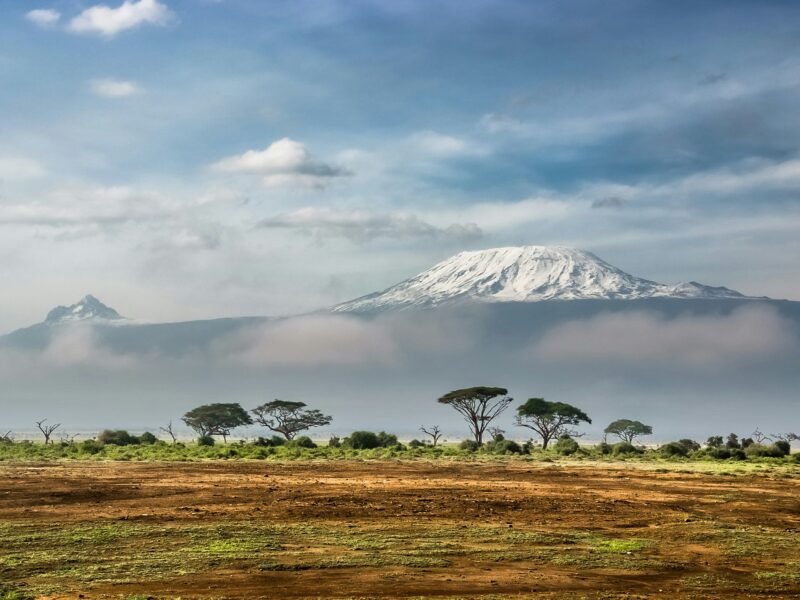
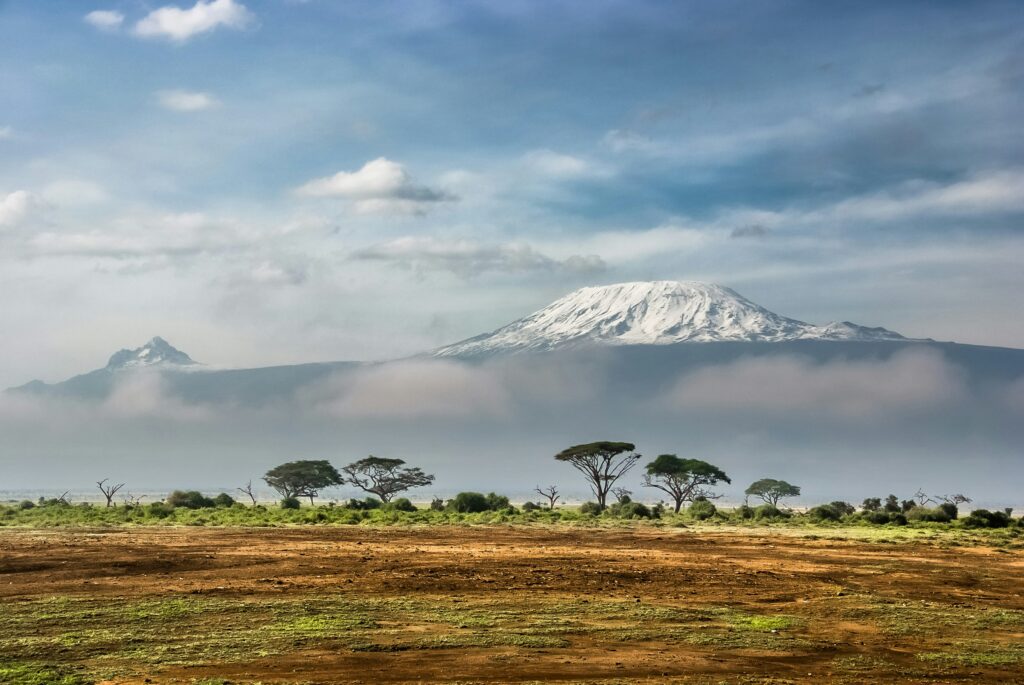
Wildlife in Amboseli National Park remains one of the biggest attractions that draw travelers from around the world to Kenya. The park stands among the country’s most famous safari destinations because of its rich wildlife population, spectacular landscapes, and exceptional game viewing opportunities. Located in southern Kenya near the Tanzania border, Amboseli National Park offers visitors an unforgettable chance to encounter Africa’s iconic animals against the breathtaking backdrop of Mount Kilimanjaro.
The park covers approximately 392 square kilometers and forms part of the larger Amboseli ecosystem. Despite its relatively small size, Amboseli supports an impressive variety of wildlife species. The park contains open plains, seasonal swamps, acacia woodlands, and marshlands that create ideal habitats for numerous animals. These diverse ecosystems allow wildlife to thrive throughout the year, making Amboseli one of the best locations for wildlife viewing in East Africa.
Tourists visit the park to witness large elephant herds, predators, antelope species, birds, and many other animals in their natural environment. The open landscape enhances visibility, allowing visitors to enjoy clear views during game drives. Wildlife sightings often occur within a short time after entering the park, which makes Amboseli an excellent destination for both first-time safari travelers and experienced wildlife enthusiasts.
The combination of abundant wildlife and stunning scenery creates memorable safari experiences. Visitors can watch animals roaming freely across the plains while Mount Kilimanjaro towers majestically in the background. This unique setting contributes to Amboseli’s reputation as one of Africa’s most photogenic national parks.
Adira Safaris Africa proudly offers guided safari experiences that allow travelers to explore the remarkable wildlife of Amboseli National Park while enjoying professional service and unforgettable encounters with nature.
The Famous Elephants of Amboseli National Park
Amboseli National Park is globally recognized for its large elephant population. Many wildlife enthusiasts consider the park one of the best places in Africa to observe elephants in their natural habitat. The elephants of Amboseli have become famous because of their impressive tusks, large family groups, and long-term conservation studies that have taken place within the park.
Visitors frequently encounter elephant herds moving across the plains, feeding in the swamps, or gathering near water sources. Some of these elephants possess exceptionally large tusks that attract photographers and wildlife researchers from around the world. Their size and beauty create unforgettable safari moments.
The elephants of Amboseli live in complex social structures led by experienced matriarchs. These family groups demonstrate remarkable communication and cooperation. Visitors often witness mothers caring for calves, juveniles playing together, and adults protecting younger members of the herd. Such interactions provide valuable insights into elephant behavior and family dynamics.
The park’s permanent swamps play a vital role in supporting elephant populations. Even during dry seasons, these wetlands provide water and vegetation that sustain wildlife. As a result, elephants remain visible throughout the year, making sightings highly reliable.
Conservation efforts have significantly contributed to the protection of Amboseli’s elephants. Researchers have monitored many individuals for decades, creating one of the most important elephant studies in the world. This long-term research has improved understanding of elephant ecology, behavior, and conservation needs.
For many visitors, seeing large elephant herds with Mount Kilimanjaro in the background becomes the highlight of their safari. These magnificent animals symbolize the beauty and wilderness that define Amboseli National Park.
Predators Found in Amboseli National Park
Although elephants receive much attention, Amboseli National Park also supports a variety of predators that contribute to the richness of its ecosystem. These carnivores help maintain ecological balance by regulating prey populations and supporting natural processes within the park.
Lions rank among the most sought-after predators in Amboseli. Visitors frequently encounter lion prides resting beneath trees, surveying the grasslands, or moving through the plains in search of prey. The park’s open habitat often allows excellent viewing opportunities, making lion sightings both rewarding and memorable.
Leopards inhabit the park as well, although they tend to be more elusive. These solitary cats prefer areas with thicker vegetation where they can remain concealed. Spotting a leopard often requires patience and an experienced guide, but such encounters usually become treasured safari memories.
Cheetahs also roam the open plains of Amboseli. Their preference for open landscapes makes the park suitable for hunting. Visitors may witness these graceful predators using their incredible speed to pursue antelope across the grasslands. Watching a cheetah in action provides one of the most exciting wildlife experiences available on safari.
Spotted hyenas play an important role within the ecosystem. These intelligent animals hunt effectively and also scavenge when opportunities arise. Their social structures and cooperative behavior make them fascinating subjects for wildlife observation.
Smaller predators such as jackals, servals, wildcats, and mongooses add further diversity to the park’s wildlife community. Each species contributes to the ecological balance that supports healthy wildlife populations. Together, these predators create dynamic interactions that enrich every safari experience in Amboseli National Park.
Herbivores That Thrive in Amboseli National Park
The herbivore population forms the foundation of Amboseli’s ecosystem. The park supports a wide variety of grazing and browsing animals that depend on its grasslands, wetlands, and woodlands for food and water. These species create the abundance that attracts predators and contributes to the park’s rich biodiversity.
Buffaloes are among the most common large herbivores found in Amboseli. Large herds often gather near swamps and water sources where food remains plentiful throughout the year. Their impressive size and social behavior make them popular among safari visitors.
Giraffes frequently browse on acacia trees across the park. Their towering height allows them to access vegetation unavailable to other herbivores. Watching giraffes move gracefully across the landscape against the backdrop of Mount Kilimanjaro creates iconic safari scenes.
Several antelope species inhabit the park. Visitors commonly encounter impalas, gazelles, waterbucks, reedbucks, and elands during game drives. These animals occupy different ecological niches and contribute significantly to the diversity of the ecosystem.
Zebras roam the plains in large groups and often graze alongside wildebeests. Their distinctive black-and-white stripes make them easy to recognize and highly attractive to photographers. Their social behavior and constant movement add life to the open grasslands.
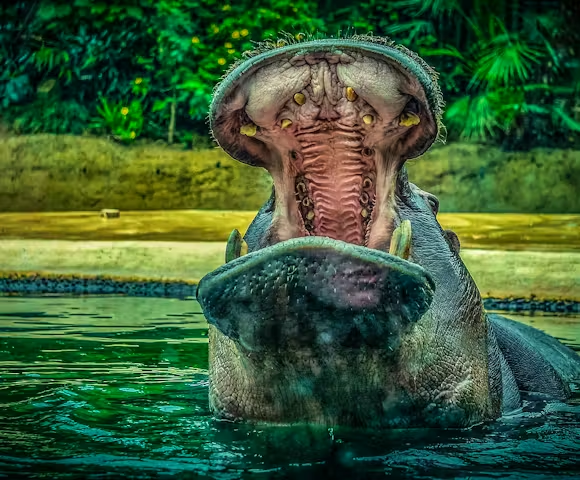
Warthogs also thrive within Amboseli. Their unique appearance and entertaining behavior often delight visitors. Hippos occupy some of the park’s permanent wetlands, while smaller herbivores contribute to the overall ecological complexity of the region.
Together, these herbivores support the intricate web of life that makes Amboseli National Park one of Kenya’s most rewarding wildlife destinations.
Birdlife in Amboseli National Park
Birdwatchers find Amboseli National Park particularly rewarding because of its remarkable bird diversity. The park supports more than 400 bird species, making it one of Kenya’s important birding destinations. The combination of wetlands, woodlands, grasslands, and seasonal lakes creates ideal habitats for both resident and migratory birds.
Large water birds thrive in the swamps and marshes. Visitors frequently observe pelicans, herons, storks, egrets, and ibises feeding in shallow waters. These wetland habitats attract numerous species throughout the year and create excellent opportunities for bird photography.
Birds of prey also flourish within the park. Eagles, hawks, vultures, and falcons soar above the plains while searching for food. Their impressive flight skills and hunting behavior add excitement to wildlife viewing experiences.
Colorful species brighten the landscape with vibrant plumage and unique calls. Kingfishers, bee-eaters, hornbills, rollers, and weavers provide excellent viewing opportunities for bird enthusiasts. The famous lilac-breasted roller often attracts photographers because of its striking colors.
Ostriches, the world’s largest birds, roam the open grasslands. Their size and distinctive appearance make them among the easiest birds to identify during game drives. Secretary birds also attract attention with their unusual hunting techniques and elegant appearance.
Birdwatching complements traditional wildlife safaris and provides visitors with a deeper appreciation of Amboseli’s biodiversity. Whether experienced birders or casual nature lovers, visitors discover numerous species that enrich their safari experience.
The Importance of Amboseli’s Swamps and Wetlands
The swamps and wetlands of Amboseli National Park play a crucial role in sustaining wildlife populations. These permanent water sources originate from underground streams fed by the melting snow and glaciers of Mount Kilimanjaro. Even during dry periods, these wetlands continue to support life throughout the ecosystem.
Wildlife congregates around the swamps because they provide reliable access to water and fresh vegetation. Elephants, buffaloes, hippos, antelopes, and numerous bird species depend on these habitats for survival. The wetlands create productive feeding grounds that attract animals throughout the year.
The swamps also support unique plant communities that differ from the surrounding grasslands. This vegetation increases habitat diversity and contributes to the park’s ecological richness. Many species rely on these specialized habitats for feeding, breeding, and shelter.
For visitors, the wetlands offer exceptional wildlife viewing opportunities. Animals often gather in large numbers near water sources, making sightings more frequent and rewarding. Photographers particularly appreciate the reflections, scenery, and concentration of wildlife that characterize these areas.
The importance of these wetlands extends beyond tourism. They maintain ecological stability and help sustain wildlife populations during challenging environmental conditions. Their continued protection remains essential for the long-term health of Amboseli National Park.
Why Wildlife in Amboseli National Park Attracts Visitors from Around the World
Wildlife in Amboseli National Park continues to attract travelers because of the extraordinary variety of animals found within a relatively compact area. The park offers reliable wildlife viewing, stunning scenery, and unique photographic opportunities that few destinations can match.
Visitors enjoy encounters with large elephant herds, powerful predators, diverse herbivores, and hundreds of bird species. The open landscapes make wildlife easy to observe while the iconic presence of Mount Kilimanjaro enhances every safari experience. Together, these features create some of the most memorable wildlife encounters in Africa.
The park’s biodiversity supports year-round tourism. Regardless of the season, visitors can expect rewarding wildlife sightings and excellent opportunities for photography. Professional guides help guests locate animals while providing valuable insights into their behavior and ecology.
Adira Safaris Africa specializes in creating unforgettable safari experiences in Amboseli National Park. Our expertly guided tours allow travelers to explore the park’s rich wildlife while enjoying comfort, safety, and personalized service. Whether your interest lies in elephants, predators, birdlife, or wildlife photography, Amboseli offers remarkable opportunities to connect with nature.
A visit to Amboseli National Park delivers much more than wildlife viewing. It provides a chance to experience one of Kenya’s most celebrated conservation areas, appreciate the beauty of Africa’s natural heritage, and create memories that last a lifetime. The extraordinary wildlife found here continues to inspire travelers and secure Amboseli’s position among Africa’s finest safari destinations.