

Oldupai Gorge, Tanzania
July 25, 2026
Chimp Habituation in Mahale Mountains National Park
July 25, 2026
Storks and Raptors in Tarangire Swamps
Tarangire National Park is one of Tanzania’s finest wildlife destinations. It is famous for its large elephant herds, ancient baobab trees, and diverse wildlife. Beyond these well-known attractions, the park also offers one of the most rewarding birdwatching experiences in East Africa. Among its many birding highlights, the storks and raptors that inhabit the Tarangire swamps stand out as one of the park’s most thrilling tourist attractions. These birds bring life, colour, and excitement to the wetlands throughout the year. Visitors who explore the swamps often witness impressive hunting displays, graceful flights, and fascinating nesting behaviours that create unforgettable safari memories.
The Tarangire swamps provide an ideal habitat for both resident and migratory birds. The wetlands remain an important source of water, food, and shelter, especially during the dry season when many surrounding areas become dry. This rich environment supports numerous species of storks, eagles, vultures, hawks, falcons, kites, and other birds of prey. Together, these birds form an important part of the park’s ecosystem and attract bird enthusiasts, photographers, researchers, and nature lovers from around the world.
A visit to the Tarangire swamps allows travellers to enjoy much more than a traditional game drive. It offers the chance to observe remarkable birdlife in its natural habitat while appreciating the beauty of Tanzania’s diverse landscapes. Whether you are an experienced birder or someone discovering wildlife for the first time, the storks and raptors of Tarangire create an exciting experience that perfectly complements the park’s famous wildlife safaris.
The Tarangire Swamps and Their Importance
The Tarangire swamps form one of the most valuable ecosystems within Tarangire National Park. These wetlands remain productive throughout much of the year because underground springs continue supplying water even when rainfall decreases. During the long dry season, the swamps become one of the few reliable water sources in the park. This attracts thousands of animals and creates ideal conditions for birds that depend on aquatic habitats.
The wetlands contain shallow pools, grassy marshes, reeds, sedges, and scattered trees. Each habitat supports different bird species and provides excellent feeding opportunities. Fish, frogs, insects, reptiles, and small mammals thrive in these wetlands, giving storks and birds of prey an abundant food supply. The availability of food encourages many birds to breed, raise chicks, and remain in the area throughout the year.
The swamps also play an important role in maintaining biodiversity within Tarangire National Park. They support numerous wildlife species while helping regulate water availability during seasonal changes. Healthy wetlands create healthy ecosystems, and this balance allows both birds and mammals to flourish together.
Visitors often notice that the bird activity around the swamps increases during the early morning and late afternoon. At these times, many storks search for food while raptors patrol the skies looking for prey. These active periods provide outstanding opportunities for wildlife viewing and photography.
Storks Found in Tarangire Swamps
The Tarangire swamps host several species of storks that contribute to the area’s remarkable bird diversity. These elegant birds are easy to recognise because of their large size, long legs, powerful bills, and graceful movements. They spend much of their day walking through shallow water while searching for fish, frogs, insects, crabs, and small reptiles.
One of the most impressive species is the saddle-billed stork. This colourful bird displays striking black and white plumage with a bright red and yellow bill. It often feeds alone or in pairs and creates spectacular photographic opportunities against the green wetlands.
The marabou stork also inhabits the Tarangire swamps. Although many people recognise it as a scavenger, it also hunts live prey when opportunities arise. Its large wingspan allows it to soar effortlessly above the wetlands while searching for food. Visitors frequently observe marabou storks gathering near water sources where wildlife activity remains high.
Yellow-billed storks also thrive within the swamps. They use their specialised feeding technique by sweeping their partially open bills through shallow water until they detect prey. This unique hunting behaviour fascinates many visitors and demonstrates the remarkable adaptations birds develop to survive in wetland environments.
Open-billed storks occasionally appear in suitable wetland areas where freshwater snails are abundant. Their uniquely shaped bills help them remove snails from their shells with remarkable efficiency. Every stork species contributes to the rich birdlife that makes Tarangire one of Tanzania’s leading birdwatching destinations.
The Magnificent Raptors of Tarangire
The Tarangire swamps also attract an impressive variety of raptors. These birds of prey rank among the park’s most exciting wildlife attractions because of their strength, speed, intelligence, and exceptional hunting abilities. Raptors occupy the highest levels of the food chain and help maintain healthy wildlife populations by controlling rodents, reptiles, fish, and smaller birds.
African fish eagles are among the most recognisable raptors found near the swamps. Their distinctive white heads, dark brown bodies, and powerful calls make them easy to identify. They often perch on tall trees overlooking the wetlands before diving swiftly to catch fish from the water. Watching an African fish eagle hunt remains one of the highlights of birdwatching in Tarangire.
Martial eagles also inhabit the park. These large and powerful birds prey on mammals, reptiles, and birds. They soar high above the landscape while using their exceptional eyesight to detect movement below. Their impressive wingspan and commanding presence make every sighting memorable.
Tawny eagles, snake eagles, bateleurs, African harrier-hawks, and various hawks also patrol the skies above the swamps. Each species occupies its own ecological niche and uses specialised hunting techniques. Some glide silently across open plains, while others hunt from elevated perches before launching sudden attacks.
The presence of numerous raptor species reflects the excellent health of Tarangire’s ecosystem. A strong population of birds of prey indicates abundant food sources and balanced natural habitats.
Why Birdwatchers Love Tarangire Swamps
Tarangire National Park has earned an outstanding reputation among birdwatchers because it supports more than 550 recorded bird species. This remarkable diversity places the park among the best birding destinations in East Africa. The Tarangire swamps contribute significantly to this reputation by offering one of the richest wetland bird habitats in Tanzania.
Birdwatchers appreciate the variety of habitats found within a relatively small area. Open water, marshes, woodlands, grasslands, riverbanks, and scattered acacia trees allow many different bird species to coexist. Visitors can observe storks feeding in shallow water while eagles circle overhead and colourful kingfishers perch nearby.
Professional bird photographers especially enjoy the swamps because the open landscapes provide excellent lighting conditions throughout the day. Reflections in the water create beautiful compositions, while birds often remain visible against uncluttered backgrounds. Early morning sunlight adds warm colours that enhance wildlife photography.
The calm environment also allows visitors to spend extended periods observing bird behaviour without disturbance. Many travellers discover new appreciation for wildlife as they watch birds interact naturally within their environment. Every visit reveals different species and unique moments that make each safari special.
Best Time to See Storks and Raptors
The Tarangire swamps offer rewarding birdwatching throughout the year, although seasonal changes create different experiences. Every season presents unique opportunities for observing storks, raptors, and other wetland birds.
The dry season, from June to October, provides some of the best wildlife viewing conditions. Water becomes scarce across much of the park, causing animals and birds to gather around the swamps. This concentration creates excellent opportunities for birdwatching because many species remain close to permanent water sources.
The wet season, from November to May, transforms the landscape into lush green vegetation. Migratory birds arrive from Europe, Asia, and other parts of Africa, increasing the already impressive diversity. Breeding activity also becomes more common during this period, allowing visitors to observe courtship displays, nesting behaviour, and young birds.
Early mornings remain the best time to explore the swamps. Birds become highly active shortly after sunrise as they search for food. Late afternoons also provide excellent viewing opportunities when temperatures begin to cool and wildlife activity increases once again.
Wildlife That Shares the Tarangire Swamps
The birdlife of Tarangire swamps exists alongside an incredible variety of mammals and reptiles. Large elephant herds frequently visit the wetlands to drink, bathe, and cool themselves. Buffaloes graze along the edges of the marshes, while zebras, wildebeests, impalas, waterbucks, and giraffes gather nearby.
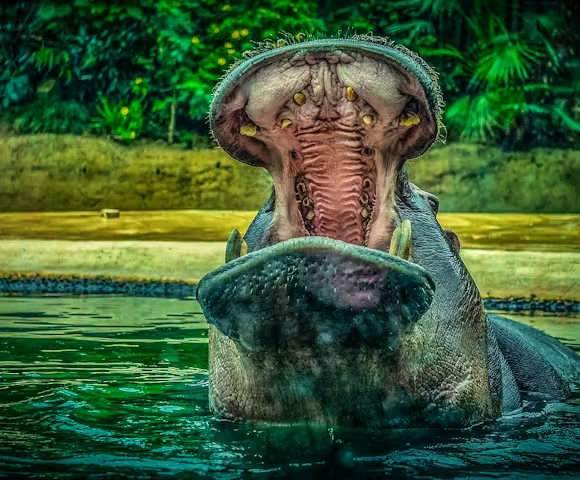
Hippos often occupy deeper pools, while crocodiles remain partially hidden along the water’s edge. These aquatic animals create additional feeding opportunities for many bird species. Fish-eating birds benefit from healthy fish populations, while scavenging birds clean up remains left by predators.
Predators such as lions, leopards, cheetahs, and spotted hyenas occasionally patrol the surrounding plains where herbivores congregate. Their presence contributes to the natural balance of the ecosystem and creates exciting wildlife encounters during game drives.
The interaction between birds and mammals demonstrates the interconnected nature of Tarangire’s ecosystem. Every species contributes to maintaining the health and stability of this remarkable landscape.
Bird Photography in the Tarangire Swamps
The Tarangire swamps provide outstanding opportunities for wildlife photography. Their open landscapes, reflective waters, and abundant birdlife create ideal conditions for capturing memorable images. Whether using professional equipment or a smartphone, visitors often return home with impressive photographs.
The golden light shortly after sunrise produces beautiful colours across the wetlands. Birds become highly active during these hours, allowing photographers to capture feeding, flying, and hunting behaviours. Evening light offers equally attractive conditions with softer shadows and warm tones.
Patience often rewards photographers with extraordinary moments. Watching a fish eagle dive for prey or a saddle-billed stork gracefully walking through shallow water creates unforgettable photographic opportunities. Every visit presents different scenes because wildlife behaviour constantly changes throughout the day.
Knowledgeable safari guides understand bird behaviour and help visitors position themselves for the best viewing angles. Their experience greatly increases the chances of successful wildlife photography while ensuring minimal disturbance to the birds.
Conservation of Tarangire’s Birdlife
Protecting the Tarangire swamps remains essential for conserving Tanzania’s remarkable bird diversity. Wetlands support countless species that rely on clean water, healthy vegetation, and stable habitats for survival. Conservation efforts focus on preserving these natural resources while promoting sustainable tourism.
Park authorities monitor wildlife populations, protect habitats, and educate visitors about responsible tourism practices. Research programmes continue improving scientific understanding of bird populations and migration patterns. These efforts help conservationists make informed management decisions that benefit both wildlife and local communities.
Responsible tourism also plays an important role in conservation. Visitors who respect wildlife viewing guidelines contribute to protecting the park while supporting conservation through park entrance fees and tourism revenue.
Continued protection of the Tarangire swamps ensures that future generations will enjoy the same incredible birdwatching experiences that attract travellers today.
Experience the Storks and Raptors of Tarangire with Adira Safaris Africa
The storks and raptors of the Tarangire swamps represent one of the most thrilling tourist attractions in Tarangire National Park. Their beauty, diversity, and fascinating behaviour create unforgettable wildlife experiences for every visitor. Combined with the park’s spectacular landscapes, abundant mammals, and peaceful wetlands, these magnificent birds make Tarangire a must-visit destination for nature lovers and bird enthusiasts.
At Adira Safaris Africa, we design expertly guided Tanzania safaris that showcase the very best of Tarangire National Park. Our experienced guides understand the park’s birdlife and know the best locations for observing storks, raptors, and many other remarkable species. We create personalised safari experiences that combine wildlife viewing, birdwatching, photography, and cultural exploration into one unforgettable journey.
Join Adira Safaris Africa and discover the spectacular storks and raptors of the Tarangire swamps. Experience one of Tanzania’s finest birdwatching destinations while creating lifelong memories in the heart of Africa’s extraordinary wilderness.