
The Great Migration and the plains
July 20, 2026
BOAT SAFARI IN NYERERE NATIONAL PARK
July 20, 2026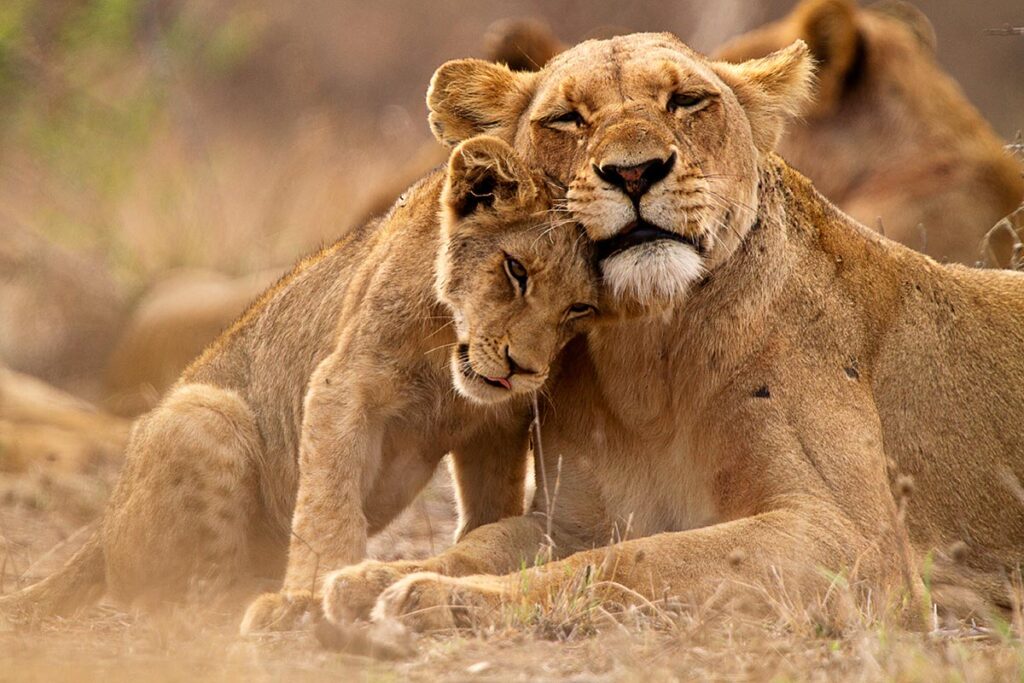
Ngorongoro Crater National Park Big Five
The Big Five are among the biggest attractions in Ngorongoro Conservation Area. Every year, thousands of travelers visit this remarkable destination to see the African elephant, lion, leopard, buffalo, and the endangered black rhinoceros in one place. Ngorongoro Crater offers one of the best opportunities in Africa to spot all five iconic animals during a single game drive. The crater’s enclosed landscape supports a rich ecosystem that provides food, water, and shelter throughout the year. This unique environment allows wildlife to thrive and gives visitors exceptional game-viewing experiences.
The crater floor covers approximately 260 square kilometers and forms one of the world’s largest intact volcanic calderas. Its diverse habitats include open grasslands, swamps, forests, freshwater springs, and soda lakes. These habitats support thousands of animals and create ideal conditions for the Big Five. The high concentration of wildlife makes every safari exciting because visitors have excellent chances of seeing several species within a short period. Whether you are visiting Tanzania for your first safari or returning for another wildlife adventure, the Big Five of Ngorongoro Crater remain one of the country’s most unforgettable attractions.
Why Ngorongoro Crater Is One of the Best Places to See the Big Five
Ngorongoro Crater stands out as one of Africa’s finest wildlife destinations because of its natural geography and abundant wildlife. The crater walls rise about 600 meters above the crater floor, creating a protected ecosystem where many animals live throughout the year. Unlike some parks where wildlife migrates over long distances, many animals remain inside the crater because they have reliable access to water and grazing areas. This makes wildlife viewing more predictable and increases the chances of spotting the Big Five during a single safari.
The open grasslands allow visitors to observe animals from a distance without thick vegetation blocking the view. Forests along the crater rim provide shelter for leopards, while swamps attract elephants and buffaloes. Freshwater springs support large populations of herbivores, which in turn attract predators such as lions. This balanced ecosystem creates excellent opportunities for photographers, wildlife enthusiasts, and nature lovers. The short driving distances between wildlife viewing areas also allow visitors to spend more time observing animals rather than traveling across the park.
Professional safari guides understand the behavior of the Big Five and know the best areas to search for them. Their knowledge increases the chances of successful sightings while helping visitors learn about animal behavior, conservation, and the importance of protecting this extraordinary ecosystem.
The African Lion
Lions are among the most sought-after animals in Ngorongoro Crater. The crater supports one of Tanzania’s healthiest lion populations because food remains available throughout much of the year. Large herds of wildebeests, zebras, gazelles, and buffaloes provide an abundant food source for these powerful predators. Visitors often see lions resting beneath acacia trees after a successful hunt or walking across the open plains during the cool morning hours.
Lion prides usually consist of several related females, their cubs, and one or more dominant males. The females work together during hunts, demonstrating remarkable teamwork and hunting skills. Watching lions interact with each other offers unforgettable safari moments. Cubs play together while adults protect their territory and care for the pride.
Early morning game drives provide the best opportunity to observe active lions before temperatures rise. During the hotter hours, lions often rest in shaded areas to conserve energy. Sunset safaris also provide excellent viewing opportunities as the lions prepare for their evening hunts.
The African Elephant
Ngorongoro Crater is home to impressive African elephants, including some of the largest tuskers found in East Africa. Mature bull elephants frequently roam the crater floor and surrounding forests, where they feed on grasses, shrubs, and tree branches. Many of these elephants develop magnificent tusks due to their age and the protected environment within the conservation area.
Visitors commonly encounter elephants walking slowly across the grasslands or gathering near freshwater springs. They often use their trunks to drink water, spray themselves with mud, or collect vegetation for food. Watching these gentle giants interact with each other creates memorable safari experiences.
Elephants play an important role in maintaining the crater ecosystem. They shape vegetation by feeding on trees and shrubs, helping create habitats that support many other wildlife species. Their movements also disperse seeds across the landscape, contributing to healthy plant growth throughout the crater.
The Endangered Black Rhinoceros
One of the greatest highlights of visiting Ngorongoro Crater is the opportunity to see the endangered black rhinoceros. The crater protects one of Tanzania’s remaining populations of this rare species. Strong conservation efforts have helped safeguard these magnificent animals, making Ngorongoro one of the few places in East Africa where visitors still have realistic chances of seeing black rhinos in the wild.
Black rhinos usually prefer open grasslands mixed with shrubs, where they browse on leaves, branches, and small bushes. Although they often keep their distance from vehicles, experienced safari guides know where they are frequently seen. Visitors should bring binoculars because rhinos may appear farther away than other wildlife.
Seeing a black rhino in its natural habitat is a truly special experience. Many travelers consider this sighting the highlight of their Tanzanian safari because the species remains critically endangered across Africa.
The African Buffalo
The African buffalo is another member of the Big Five that thrives inside Ngorongoro Crater. Large herds graze peacefully across the crater floor throughout the year. These powerful animals often gather near wetlands and freshwater sources where grass remains green even during the dry season.
Buffaloes live in highly social groups that provide protection against predators. Although lions occasionally hunt buffaloes, the herds defend themselves aggressively when threatened. Visitors sometimes witness dramatic interactions between buffaloes and lions, demonstrating the strength and determination of these impressive animals.
Their large curved horns and muscular bodies make buffaloes one of Africa’s most recognizable mammals. They contribute significantly to the crater’s healthy ecosystem by grazing on grasses and maintaining open habitats for other wildlife.
The Elusive Leopard
The leopard is often the most challenging member of the Big Five to spot because of its secretive nature. However, Ngorongoro Crater provides excellent opportunities for patient visitors. Leopards usually stay within forested areas along the crater walls, where dense vegetation offers perfect cover.
These solitary cats spend much of their time resting in tree branches or quietly stalking prey through the undergrowth. Their spotted coats provide excellent camouflage, making careful observation essential during safari drives. Experienced guides know where leopards frequently rest and greatly improve the chances of successful sightings.
Watching a leopard gracefully move through the trees or descend to the ground is one of the most exciting wildlife experiences available in Tanzania. Their elegance, strength, and stealth make them one of Africa’s most admired predators.
Best Time to See the Big Five
The Big Five can be seen throughout the year in Ngorongoro Crater because wildlife remains within the protected ecosystem. However, the dry season from June to October offers the best viewing conditions. During this period, shorter grass makes animals easier to spot, while clear skies provide excellent photography opportunities.
The green season from November to May also offers rewarding wildlife experiences. The landscape becomes lush and vibrant, and many animals give birth during this time. Birdlife increases as migratory species arrive, creating additional attractions for nature lovers. Although occasional rain showers occur, game viewing remains excellent throughout the year.
Why the Big Five Make Ngorongoro Crater Special
Few places in Africa allow visitors to observe all members of the Big Five within a relatively small area. Ngorongoro Crater offers this rare opportunity while also providing breathtaking scenery and exceptional biodiversity. Every safari combines spectacular wildlife encounters with dramatic landscapes, creating unforgettable memories for visitors.
The crater’s protected status ensures that future generations will continue enjoying these remarkable animals. Conservation programs, responsible tourism, and local community involvement all contribute to preserving this extraordinary natural treasure.
Conclusion
The Big Five of Ngorongoro Conservation Area remain one of Tanzania’s greatest wildlife attractions. The crater’s unique landscape supports healthy populations of lions, elephants, buffaloes, leopards, and the endangered black rhinoceros, offering visitors one of Africa’s finest safari experiences. Every game drive presents opportunities to witness these magnificent animals in their natural habitat while enjoying spectacular scenery and rich biodiversity. Whether you are a wildlife enthusiast, photographer, or first-time safari traveler, the Big Five of Ngorongoro Crater promise an unforgettable adventure in the heart of Tanzania.