
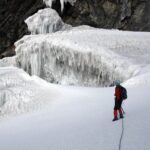
Peak Margarita Without Ropes
May 2, 2026ICE Caves on Mount Rwenzori
May 2, 2026
Mt Rwenzori Flower Orchid
The Mt Rwenzori Flower Orchid is one of the rarest botanical treasures in Uganda. It grows high on the slopes of the Rwenzori Mountains, in a zone where few plants can survive. These special orchids are found only above 4000 metres, where the air is cold, thin, and moist. They bloom in June, adding colour and beauty to one of Africa’s most dramatic mountain landscapes. Their short flowering season makes them even more valuable to nature lovers, botanists, hikers, and photographers.
Mount Rwenzori stands along the border of Uganda and the Democratic Republic of Congo. It is famous for snow-capped peaks, glaciers, waterfalls, and rare alpine vegetation. Many travelers visit for trekking, wildlife, and scenic adventure. However, the mountain also holds a rich plant world that often receives less attention. Among these plants, the high-altitude orchids are some of the most unique.
Unlike tropical orchids found in warm forests, the Mt Rwenzori Flower Orchid has adapted to freezing nights, strong winds, heavy mist, and rocky soils. It survives in harsh conditions where only highly specialized plants can grow. This makes it an important symbol of resilience and biodiversity. Because it blooms mainly in June, visitors who time their trek well may witness one of the most exclusive floral displays in East Africa.
Adira Safaris Africa offers guided Rwenzori trekking experiences for travelers who want to discover rare plants, mountain beauty, and hidden natural wonders. This guide explains where the Mt Rwenzori Flower Orchid grows, why it blooms in June, what makes it special, and how visitors can enjoy this rare spectacle responsibly.
What Is the Mt Rwenzori Flower Orchid?
The Mt Rwenzori Flower Orchid refers to a rare group of alpine orchid species that thrive in the upper zones of the Rwenzori Mountains. These orchids grow in isolated habitats above 4000 metres. At this altitude, temperatures drop sharply at night, frost can occur, and the ground remains wet from mist and rainfall. Most common plants struggle in such an environment, yet these orchids have evolved to survive there.
These flowers are admired for their delicate beauty. They often display soft colours such as white, pale pink, purple, or yellow, depending on the species. Their petals can appear elegant and finely shaped, standing out against the rough alpine surroundings. Seeing a small orchid bloom among rocks, moss, and giant lobelias creates a striking contrast.
What makes the Mt Rwenzori Flower Orchid even more special is its limited range. It does not grow widely across Uganda. It belongs to a very narrow ecological zone in the Rwenzori highlands. This means the flower is both rare and highly sensitive to environmental change. Shifts in climate, trail damage, or habitat loss can affect its survival.
For visitors, these orchids offer more than beauty. They tell the story of adaptation in one of Africa’s toughest plant environments. They show how life can flourish even in cold, exposed mountain conditions. Botanists study such plants to understand evolution, resilience, and biodiversity in extreme ecosystems.
Travelers who trek Mount Rwenzori often focus on peaks and glaciers. Yet those who look closely discover that these orchids are among the mountain’s finest natural rewards. Their quiet beauty leaves a lasting impression on every nature lover.
Why These Orchids Grow Only Above 4000 Metres
The Mt Rwenzori Flower Orchid grows only above 4000 metres because it depends on a very specific climate and habitat. The alpine zone of Mount Rwenzori provides cool temperatures, constant moisture, open sunlight, and unique soils formed by rock, moss, and organic matter. These conditions differ greatly from lower forest levels and create a natural home for specialized plants.
At lower altitudes, dense forests shade the ground and temperatures stay warmer. Many other plants compete for light, water, and space. Such environments do not favour the survival of alpine orchids that prefer exposed and cooler habitats. Above 4000 metres, trees disappear and the landscape opens into moorland and rocky ridges. This gives the orchids more direct light and less competition.
Moisture also plays an important role. Mount Rwenzori captures clouds and mist throughout the year. Even when rain is light, moisture settles on leaves, soil, and rock surfaces. This steady dampness supports orchids that need hydration but cannot tolerate waterlogging.
The cooler temperatures at high altitude also help regulate their growth cycle. These orchids evolved over many years to bloom and reproduce in cold mountain conditions. If moved to lower warmer areas, many would struggle or fail to flower naturally.
This narrow habitat range explains why the Mt Rwenzori Flower Orchid is rare. It cannot simply spread into any environment. It depends on a delicate balance that exists only in the upper mountain zones. Protecting these altitudes means protecting the orchid itself.
For trekkers, spotting these flowers becomes more meaningful when they understand how exclusive the habitat is. The orchid is not just growing high on the mountain by chance. It survives there because nowhere else offers the same natural conditions.
Why the Orchid Blooms in June
June is the most noted blooming period for the Mt Rwenzori Flower Orchid. This timing links closely to seasonal weather patterns, temperature shifts, and plant reproduction cycles. In mountain ecosystems, flowering does not happen randomly. Plants bloom when conditions give them the best chance to attract pollinators and produce seed.
June often falls within one of the drier and more stable trekking seasons in Uganda. On Mount Rwenzori, this period can bring better sunlight intervals, balanced moisture, and milder daytime conditions. These factors help stimulate flowering. The orchids use stored energy to produce blossoms during a time when chances of successful pollination improve.
Blooming in June also allows the flowers to take advantage of insect activity. Even in alpine environments, insects become more active when temperatures rise slightly and weather becomes less severe. Pollinators can then move between blooms and support seed production.
For visitors, June offers one of the best opportunities to witness these orchids in full display. Fresh petals, vibrant colour, and open blooms create excellent photography and viewing conditions. Since the blooming window may be short, timing matters greatly.
Travelers planning a June Rwenzori trek should book early. Demand for mountain trekking can rise during drier months. Guided tours help visitors reach the right zones at the right time while staying safe and organized.
Because nature can vary each year, exact bloom timing may shift slightly depending on rainfall and temperature. However, June remains one of the key months associated with the flowering season of these rare alpine orchids.
Seeing the Mt Rwenzori Flower Orchid in bloom feels like witnessing a secret moment in nature. The flower appears briefly, then fades back into the mountain landscape until the next cycle returns.
Where to See the Mt Rwenzori Flower Orchid
The best place to see the Mt Rwenzori Flower Orchid is in the upper trekking zones of the Rwenzori Mountains National Park. These areas lie above 4000 metres, usually along advanced hiking routes that lead toward major peaks such as Mount Stanley, Mount Speke, and Mount Baker. Visitors need a guided trek because these high-altitude sections are remote and physically demanding.
Most travelers reach orchid zones after several days of hiking. The journey starts in lower montane forest, then rises through bamboo belts, heather zones, boggy valleys, and giant groundsel landscapes. As elevation increases, vegetation changes dramatically. Above 4000 metres, the environment becomes rugged, open, and alpine. This is where the orchids appear in suitable pockets of moist ground, rock ledges, and sheltered slopes.
The flowers may not grow in large obvious fields. Many appear in scattered clusters or hidden spots along the trail. That is why experienced guides are valuable. They know where orchids have been seen in recent seasons and how to identify them without disturbing the habitat.
Photographers should carry zoom lenses or phones with good camera settings. Travelers should avoid stepping off paths or trampling vegetation to get close images. Respectful viewing helps preserve the fragile ecosystem.
The Rwenzori trekking routes managed through local authorities and mountain operators provide the safest access. Travelers need permits, proper equipment, and enough time to acclimatize to altitude.
For many hikers, seeing the orchid becomes a highlight equal to reaching a scenic pass or summit. It adds a softer and more intimate reward to the mountain journey.
Conservation Importance of the Mt Rwenzori Flower Orchid
The Mt Rwenzori Flower Orchid is not only beautiful. It is also an important indicator of environmental health. Because it survives in a narrow alpine zone, it reacts quickly to habitat change. If climate patterns shift or ecosystems suffer damage, sensitive plants like these orchids may decline first.
Mount Rwenzori glaciers have reduced over time, and temperature changes affect moisture levels, soil conditions, and flowering cycles. These shifts can alter the delicate balance the orchid depends on. Stronger human pressure through careless trekking, littering, or off-trail movement can also damage habitats.
Conserving the orchid means conserving the wider mountain ecosystem. The same habitats support mosses, lichens, rare birds, insects, and many endemic plants. Protection efforts benefit all of them.
Visitors can help by traveling responsibly. Choose licensed operators, follow guide instructions, stay on marked paths, and avoid picking flowers. Never remove plants or seeds from the park. Even small actions can harm slow-growing alpine species.
Supporting local tourism also helps conservation. When communities benefit from protected landscapes, they gain stronger reasons to preserve them. Sustainable tourism creates jobs while keeping natural treasures alive.
Adira Safaris Africa promotes responsible mountain travel that respects nature and supports local communities. We believe rare flowers like the Mt Rwenzori Flower Orchid should remain part of Uganda’s heritage for future generations.
Why Travel with Adira Safaris Africa
Adira Safaris Africa offers expertly planned Rwenzori trekking experiences for travelers who want more than a standard hike. We help guests discover the mountain’s hidden wonders, including rare alpine flowers, scenic valleys, waterfalls, glaciers, and cultural stories.
Our team assists with permits, transport, accommodation, packing guidance, and route planning. We connect travelers with skilled mountain guides who understand terrain, weather, altitude management, and seasonal highlights such as the June orchid bloom.
We tailor trips for photographers, botanists, hikers, and adventure seekers. Some guests aim for summits. Others want scenic treks focused on nature observation. We design journeys to match those goals.
Reliable planning matters on Mount Rwenzori. Conditions can change quickly. Strong logistics and experienced support improve safety and comfort throughout the trek.
When you travel with Adira Safaris Africa, you gain local knowledge, professional service, and memorable experiences in one of Africa’s most unique mountain destinations.
Conclusion
The Mt Rwenzori Flower Orchid is one of Uganda’s rarest natural treasures. Found only above 4000 metres and blooming in June, it adds beauty and mystery to the famous Mountains of the Moon. Its survival in cold alpine conditions shows the power of nature to adapt and thrive.
For travelers, seeing these orchids transforms a mountain trek into something deeper. It becomes a journey through living biodiversity, not just a climb through scenic terrain. Every bloom is a reminder that rare wonders often appear in the most remote places.
With expert guidance from Adira Safaris Africa, visitors can explore Mount Rwenzori responsibly and enjoy the chance to witness this remarkable flower in its natural home. If you seek a unique Uganda adventure, the Mt Rwenzori Flower Orchid should be on your travel list.