
Desert Elephants in Tsavo National Park
July 9, 2026
Lake Elementeita
July 10, 2026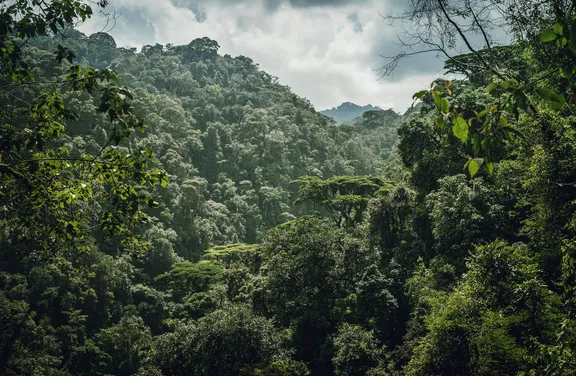
Mau Forest Kenya
Mau Forest is one of Kenya’s most remarkable natural landscapes. It is also one of the country’s least explored tourism destinations. Many travelers focus on Kenya’s famous national parks and coastal attractions. However, Mau Forest offers a completely different experience. It welcomes visitors into a peaceful environment filled with dense indigenous trees, cool mountain air, flowing rivers, and rich biodiversity. This hidden gem gives nature lovers an opportunity to discover a side of Kenya that remains untouched by mass tourism. The forest offers breathtaking scenery and an authentic wilderness experience that few destinations can match.
For travelers seeking something unique, Mau Forest delivers unforgettable adventures. It is a perfect destination for eco-tourism, bird watching, photography, nature walks, and environmental education. Every visit introduces travelers to spectacular landscapes, fresh air, and the sounds of wildlife hidden among ancient trees. Unlike busy safari parks, the forest provides peace and solitude. Visitors can enjoy nature without crowds while learning about one of East Africa’s most important ecosystems.
The forest also plays a vital role beyond tourism. It supports millions of people through its rivers and water catchment functions. Several major rivers originate from Mau Forest, making it one of Kenya’s most valuable natural resources. The forest regulates rainfall, protects biodiversity, and contributes to the country’s agricultural productivity. These environmental benefits make every visit meaningful because tourists appreciate not only the beauty of the forest but also its importance to Kenya’s ecological balance.
Adira Safaris Africa introduces visitors to this extraordinary destination through carefully planned tours that combine adventure, conservation awareness, and authentic nature experiences. Whether you are a first-time visitor or an experienced explorer, Mau Forest promises memories that will last a lifetime.
The Largest Indigenous Forest in East Africa
Mau Forest is widely recognized as the largest indigenous montane forest in East Africa. It covers thousands of square kilometers across Kenya’s Rift Valley region. The forest consists of several forest blocks that together form the Mau Forest Complex. This extensive ecosystem supports countless plant and animal species while serving as one of Kenya’s most significant water towers.
Walking through Mau Forest reveals towering indigenous trees that have stood for generations. Thick vegetation creates cool temperatures throughout the year, making the forest enjoyable even during warmer seasons. Moss-covered trunks, flowering shrubs, giant ferns, and climbing vines create beautiful scenery that attracts photographers and nature enthusiasts. Every section of the forest offers different landscapes, giving visitors something new to admire throughout their journey.
The forest’s healthy vegetation provides shelter for wildlife while protecting the soil from erosion. It also absorbs carbon dioxide and releases fresh oxygen into the atmosphere. These natural processes help fight climate change while maintaining the delicate balance of the local environment. Visitors often appreciate how peaceful the forest feels, with sunlight filtering through the tree canopy and birds singing from every direction.
Unlike many popular tourist destinations, Mau Forest remains relatively undiscovered. This gives travelers a rare opportunity to experience genuine wilderness without large crowds. Visitors can spend hours exploring forest trails, observing unique plants, and appreciating the silence that only a mature indigenous forest can provide.
Wildlife and Biodiversity in Mau Forest
Although Mau Forest is not a traditional safari destination, it supports impressive biodiversity. The forest serves as a habitat for numerous mammals, reptiles, insects, amphibians, and bird species. Many of these animals depend entirely on the forest for food, shelter, and breeding grounds.
Visitors may encounter monkeys moving through the treetops, bushbucks feeding quietly among the vegetation, giant forest hogs searching for food, and small antelope hiding within dense bushes. The forest also supports elusive animals that rarely appear in open grasslands. While sightings require patience, every encounter feels rewarding because wildlife lives naturally within its undisturbed habitat.
Bird lovers find Mau Forest especially fascinating. Hundreds of bird species inhabit the forest throughout the year. Colorful sunbirds, turacos, hornbills, woodpeckers, owls, and numerous forest songbirds fill the air with beautiful melodies. Early morning bird watching offers excellent opportunities to observe these species while enjoying cool temperatures and peaceful surroundings.
The forest also protects countless insects and butterflies that contribute to pollination and ecological balance. Small streams support frogs and other amphibians that thrive in clean freshwater habitats. Every living organism plays an important role within this ecosystem, making Mau Forest an excellent destination for environmental education and scientific research.
Nature photographers appreciate the endless opportunities available throughout the forest. The changing light beneath the tree canopy, colorful birds, towering trees, and untouched landscapes create stunning images throughout every season.
Nature Walks and Hiking Adventures
One of the greatest attractions in Mau Forest is the opportunity to enjoy guided nature walks and hiking adventures. The forest contains numerous trails that allow visitors to experience its beauty at a relaxed pace. Unlike vehicle-based safaris, walking through the forest allows travelers to appreciate small details that often go unnoticed.
Professional guides help visitors identify indigenous trees, medicinal plants, wildlife signs, bird calls, and unique ecological features. These guided walks provide educational experiences while ensuring visitor safety. Travelers learn how different species interact within the forest and why conservation remains essential.
The cool climate makes hiking enjoyable throughout most of the year. Fresh mountain air keeps visitors comfortable even during longer walks. Along the trails, visitors discover scenic viewpoints, peaceful clearings, flowing streams, and dense sections of ancient forest that appear almost untouched by human activity.
Photography enthusiasts enjoy capturing dramatic landscapes, unique tree formations, colorful flowers, and wildlife encountered along the routes. Every trail offers different scenery, allowing repeat visitors to enjoy new experiences each time they explore the forest.
Families also find nature walks suitable because many trails accommodate different fitness levels. Children gain valuable environmental knowledge while experiencing nature firsthand. Educational school trips frequently include forest walks that teach students about conservation, biodiversity, and sustainable resource management.
The Importance of Mau Forest as Kenya’s Water Tower
Beyond its beauty, Mau Forest performs one of Kenya’s most important environmental functions. The forest serves as a major water catchment area that supplies water to millions of people, farms, wildlife habitats, and industries across the country. Several important rivers originate from this forest, making it essential for Kenya’s economy and environmental sustainability.
Healthy forests capture rainfall and slowly release water into rivers and underground reservoirs. This natural process maintains water supplies throughout the year, even during dry seasons. Farmers depend on these rivers for irrigation, while wildlife relies on permanent water sources for survival.
The forest also reduces soil erosion by holding the soil together through extensive root systems. Without this protection, heavy rainfall could wash away fertile land and reduce agricultural productivity. Mau Forest therefore supports food production far beyond its boundaries.
Climate regulation represents another valuable service provided by the forest. The dense vegetation absorbs carbon dioxide while producing oxygen, helping reduce greenhouse gases in the atmosphere. This contribution supports global efforts to combat climate change while improving local weather patterns.
Visitors who explore Mau Forest gain a deeper understanding of these environmental benefits. They discover that protecting forests involves much more than preserving trees. Conservation also protects water resources, wildlife, agriculture, and the livelihoods of future generations.
Eco-Tourism Opportunities in Mau Forest
Eco-tourism continues to grow as more travelers seek sustainable travel experiences. Mau Forest offers an excellent destination for responsible tourism because it combines adventure with environmental conservation. Visitors enjoy nature while supporting efforts that protect one of Kenya’s most valuable ecosystems.
Eco-tourism activities include guided forest walks, bird watching, photography, environmental education, and cultural interactions with nearby communities. These activities create income while encouraging conservation instead of environmental destruction.
Tour operators like Adira Safaris Africa promote responsible travel practices that minimize environmental impact. Visitors follow designated trails, avoid disturbing wildlife, and respect conservation guidelines throughout their stay. These simple actions help preserve the forest for future generations.
Educational tours also introduce visitors to forest conservation programs. Travelers learn about reforestation efforts, biodiversity protection, sustainable resource management, and the importance of preserving indigenous forests. Many visitors leave with greater appreciation for environmental stewardship after experiencing Mau Forest firsthand.
The peaceful atmosphere makes the forest an excellent location for relaxation, wellness retreats, and nature therapy. Many travelers enjoy disconnecting from busy urban life while reconnecting with nature in this tranquil environment.
Best Time to Visit Mau Forest
Mau Forest welcomes visitors throughout the year. Each season offers unique experiences depending on weather conditions and personal interests. The cool climate remains pleasant during most months, making outdoor activities comfortable.
The dry seasons generally provide the best conditions for hiking, photography, and forest exploration because trails remain easier to access. Clear skies also improve visibility for scenic photography and bird watching.
Rainy seasons transform the forest into an even greener paradise. Rivers flow strongly, waterfalls become more impressive, and vegetation appears lush and vibrant. Although some trails become muddy, photographers often appreciate the dramatic scenery created by mist, fresh foliage, and flowing streams.
Early mornings offer the best opportunities for bird watching and wildlife observation. Many animals become more active during cooler hours before temperatures rise later in the day.
Visitors should wear comfortable walking shoes, long trousers, light jackets, and carry drinking water during forest excursions. Binoculars and cameras also enhance the experience, especially for bird enthusiasts and photographers.
Why Visit Mau Forest with Adira Safaris Africa
Adira Safaris Africa provides professionally organized tours that allow visitors to experience the hidden beauty of Mau Forest safely and comfortably. Our experienced guides possess extensive knowledge of the forest’s ecology, wildlife, history, and conservation importance. Every guided excursion combines adventure with education, ensuring visitors leave with unforgettable memories.
We design our itineraries to suit individual travelers, families, student groups, researchers, photographers, and eco-tourists. Whether you want a short forest excursion or a full-day exploration, our team ensures every journey meets your expectations.
Choosing Adira Safaris Africa means choosing responsible tourism that supports conservation while creating meaningful travel experiences. We encourage sustainable travel practices that protect Kenya’s natural heritage for future generations.
Mau Forest remains one of Kenya’s hidden treasures. Its towering indigenous trees, peaceful atmosphere, rich biodiversity, and environmental importance make it an exceptional destination for travelers seeking authentic nature experiences. While many tourists overlook this magnificent ecosystem, those who visit discover one of East Africa’s most rewarding natural landscapes.
Book your Mau Forest adventure with Adira Safaris Africa and experience one of Kenya’s rarest and most thrilling natural wonders. Discover untouched wilderness, breathe fresh mountain air, explore ancient forests, and create unforgettable memories in one of Africa’s most valuable ecosystems.