
Lake Ihema Hippos
May 20, 2026
Apoka Hot Springs in Kidepo Valley National Park
May 20, 2026
Maramagambo Forest
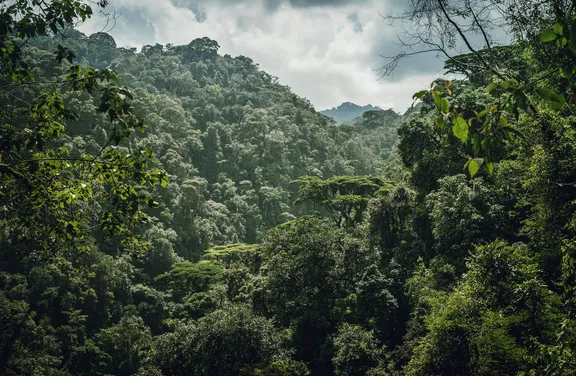
Maramagambo Forest is one of the most beautiful natural attractions in Uganda. The forest lies within Queen Elizabeth National Park and attracts tourists who want to experience Uganda’s rich biodiversity, scenic landscapes, and unique wildlife. Maramagambo Forest stands as one of the largest natural forests in Uganda and remains an important conservation area within the country’s tourism industry.
The forest covers a vast area filled with thick vegetation, tall trees, beautiful trails, and diverse wildlife species. Visitors enjoy exploring the forest because of its peaceful atmosphere and natural beauty. The name “Maramagambo” means “endless words” in the local language. According to local stories, the forest received this name because travelers who entered it became lost and confused while trying to find their way out. Today, however, trained guides help tourists safely explore the forest while learning about its history and ecosystem.
Maramagambo Forest offers a refreshing experience for tourists seeking adventure and relaxation in nature. The forest contains several attractions including caves, waterfalls, crater lakes, birds, primates, and unique tree species. Nature lovers, birdwatchers, researchers, photographers, and adventure travelers often visit the forest to experience its rich environment. The cool temperatures and fresh air create a comfortable atmosphere for exploration and sightseeing.
Tourists visiting Queen Elizabeth National Park often include Maramagambo Forest in their safari itineraries. The forest provides a different experience from the open savannah areas of the park. Instead of large grasslands, visitors enter a quiet tropical forest filled with sounds of birds, insects, and monkeys moving through the trees. This creates a peaceful and exciting environment for nature walks and eco-tourism activities.
The forest also plays an important role in environmental conservation. It protects wildlife habitats, supports biodiversity, and contributes to climate regulation within the region. Maramagambo Forest continues to attract local and international tourists because of its natural beauty and ecological importance. It remains one of Uganda’s hidden treasures for travelers interested in wildlife and forest adventures.
The Location and Natural Beauty of Maramagambo Forest
Maramagambo Forest lies in the southern part of Queen Elizabeth National Park in western Uganda. The forest stretches across a large area between the districts of Bushenyi and Kasese. Its location near other major tourist attractions makes it an important stop for visitors exploring western Uganda. Tourists traveling through the park often enjoy combining forest walks with game drives, boat cruises, and wildlife viewing activities.
The forest features thick tropical vegetation that creates a cool and peaceful environment. Tall trees form a canopy above the walking trails while sunlight filters gently through the leaves. The natural scenery creates a relaxing atmosphere for visitors who want to escape busy urban life. The fresh forest air and sounds of nature make every visit enjoyable and memorable.
Maramagambo Forest also contains several crater lakes that add beauty to the landscape. These lakes formed through volcanic activity many years ago and remain surrounded by dense vegetation. Tourists often stop at viewing points to admire the scenic beauty of the crater lakes and surrounding forest. The views create excellent opportunities for photography and sightseeing.
The forest supports many plant species including medicinal plants, hardwood trees, shrubs, and climbing plants. These plant species contribute to the rich biodiversity of the area. Researchers and nature enthusiasts often visit the forest to study its vegetation and ecological systems. The forest environment also supports insects, reptiles, amphibians, birds, and mammals that depend on the ecosystem for survival.
Walking through the forest trails allows visitors to experience nature closely. The trails pass through different sections of the forest and reveal hidden attractions along the way. Tourists enjoy observing colorful butterflies, listening to bird calls, and spotting monkeys in the trees. The peaceful setting creates a perfect environment for nature walks and eco-tourism adventures.
Maramagambo Forest remains one of the most scenic forest destinations in Uganda. Its natural beauty continues to attract tourists seeking authentic African nature experiences. The combination of tropical vegetation, wildlife, crater lakes, and peaceful surroundings makes the forest a unique destination within Queen Elizabeth National Park.
Wildlife and Primates in Maramagambo Forest
Maramagambo Forest supports a rich variety of wildlife species that attract tourists from around the world. The dense vegetation and reliable water sources create suitable habitats for many animals. Visitors exploring the forest often encounter primates, birds, reptiles, and small mammals during guided nature walks.
Primates remain among the most exciting attractions in the forest. Tourists commonly spot vervet monkeys, black-and-white colobus monkeys, red-tailed monkeys, and baboons moving through the trees. These animals entertain visitors with their playful behavior and social interactions. Guided walks allow tourists to observe the primates safely while learning about their feeding habits and lifestyles.
Chimpanzees also inhabit parts of Maramagambo Forest, although sightings remain less common compared to other primate destinations in Uganda. Visitors sometimes hear their vocal sounds echoing through the forest. Researchers and wildlife enthusiasts value the forest because of its importance in supporting primate populations and biodiversity conservation.
Birdlife in Maramagambo Forest attracts many birdwatchers and photographers. The forest hosts numerous bird species including forest hornbills, kingfishers, turacos, bee-eaters, and sunbirds. Bird enthusiasts enjoy walking quietly through the forest while searching for rare and colorful species. The rich bird diversity makes Maramagambo Forest one of Uganda’s important birding destinations.
The forest also supports reptiles such as snakes, lizards, and chameleons. Amphibians thrive within the moist forest environment while insects and butterflies add color to the trails. The ecosystem supports a balanced food chain that allows wildlife to survive naturally within the forest.
Tourists appreciate the opportunity to experience wildlife in a tropical forest setting. Unlike open savannah parks, Maramagambo Forest offers close encounters with smaller forest creatures and primates. The peaceful environment allows visitors to focus on nature and observe animal behavior carefully. Guided forest walks improve the experience because guides help tourists locate wildlife and explain ecological details about the forest ecosystem.
The conservation of wildlife within Maramagambo Forest remains important for Uganda’s tourism industry. Conservation programs continue to protect habitats and support biodiversity within the forest. These efforts ensure that future generations can continue enjoying the beauty and wildlife of Maramagambo Forest.
The Famous Bat Cave and Python Attraction
One of the most popular attractions in Maramagambo Forest is the famous bat cave and python viewing area. This unique site attracts tourists interested in adventure, wildlife, and unusual natural experiences. The cave contains thousands of bats that live within the dark rock formations. Visitors often hear loud sounds from the bats while approaching the cave entrance.
The bat cave creates a fascinating experience because it combines mystery, wildlife, and natural beauty. Tourists explore the area with trained guides who explain the history and ecology of the cave. The guides also provide safety instructions and information about the bat population living inside the cave.
One of the most interesting features of the cave involves the rock pythons that feed on bats. These giant snakes hide within cracks and openings inside the cave while waiting to catch bats. Tourists sometimes observe pythons hanging near cave walls or resting after feeding. This rare interaction between bats and pythons makes the attraction unique within Uganda’s tourism industry.
The cave environment remains cool and dark throughout the year. Visitors often use flashlights while exploring the area. The sounds of bats moving overhead create excitement and curiosity among tourists. Many travelers describe the experience as both thrilling and educational because it reveals a hidden side of nature rarely seen elsewhere.
The bat cave also attracts researchers and wildlife conservationists who study bat behavior and cave ecosystems. Bats play important roles in pollination and insect control within natural environments. Conservation efforts help protect the cave ecosystem and ensure sustainable tourism activities around the site.
Tourists visiting the bat cave often combine the experience with forest walks and birdwatching activities. This creates a full-day adventure within Maramagambo Forest. The cave experience appeals to photographers, adventure seekers, students, and nature enthusiasts interested in unique wildlife attractions.
The bat cave and python attraction continue to increase the popularity of Maramagambo Forest as a tourism destination in Uganda. Visitors leave with unforgettable memories and a deeper appreciation for the diversity of wildlife found within African forests.
Activities to Do in Maramagambo Forest
Maramagambo Forest offers several tourism activities that allow visitors to explore its beauty and biodiversity. Nature walks remain the most popular activity within the forest. Guided walks take tourists through forest trails where they observe wildlife, plants, birds, and scenic landscapes. These walks provide peaceful and educational experiences for visitors of all ages.
Birdwatching attracts many tourists to the forest because of its rich birdlife. Bird enthusiasts enjoy searching for colorful and rare species hidden within the trees and wetlands. Professional guides help visitors identify birds through their sounds, movements, and physical features. Early morning birding excursions usually provide the best sightings.
The bat cave tour offers another exciting activity for tourists. Visitors explore the cave area while learning about bats, pythons, and cave ecosystems. The adventure creates unforgettable memories and adds excitement to the forest experience.
Photography also remains a major activity within Maramagambo Forest. The beautiful landscapes, wildlife, butterflies, birds, and crater lakes provide excellent subjects for nature photography. Visitors often capture stunning images during forest walks and sightseeing tours.
Research and educational tourism continue to grow within the forest. Schools, universities, and conservation groups visit the area to study biodiversity, ecology, and environmental conservation. The forest serves as an outdoor classroom where visitors learn about tropical ecosystems and wildlife protection.
Tourists also enjoy relaxation and sightseeing within the peaceful forest environment. The cool atmosphere and natural surroundings create ideal conditions for meditation, reflection, and relaxation. Many travelers appreciate the quietness of the forest after busy safari activities in other parts of Queen Elizabeth National Park.
Cultural experiences around the forest also allow tourists to interact with nearby communities and learn about local traditions. Community tourism initiatives support local livelihoods while promoting cultural exchange between visitors and residents.
These activities make Maramagambo Forest one of the most rewarding eco-tourism destinations in Uganda. The variety of experiences ensures that every visitor finds something enjoyable and memorable within the forest.
Best Time to Visit Maramagambo Forest
Tourists can visit Maramagambo Forest throughout the year because the forest remains beautiful in every season. However, the dry seasons usually provide the best conditions for forest walks and tourism activities. During these periods, forest trails remain easier to access and walking conditions become more comfortable for visitors.
The main dry seasons in Uganda occur between June and September and between December and February. During these months, rainfall reduces and visitors enjoy smoother travel experiences within Queen Elizabeth National Park. Wildlife viewing also improves because animals move more actively around water sources and forest clearings.
The rainy seasons also offer advantages for tourists visiting the forest. During these months, the vegetation becomes greener and more vibrant. Waterfalls and crater lakes appear more beautiful because of increased water levels. Birdwatching also improves since migratory bird species arrive in larger numbers.
Visitors planning forest walks should wear comfortable hiking shoes and lightweight clothing suitable for tropical environments. Carrying drinking water, insect repellent, cameras, and binoculars also improves the overall experience. Guided tours help visitors navigate the forest safely while learning more about its attractions.
Accommodation facilities near Queen Elizabeth National Park provide suitable lodging options for tourists visiting Maramagambo Forest. Visitors can choose from luxury lodges, safari camps, and budget accommodations depending on their travel preferences. Many lodges offer beautiful views of the surrounding landscapes and wildlife areas.
Tourists often combine visits to Maramagambo Forest with other attractions in Queen Elizabeth National Park. Popular activities include game drives, boat cruises on the Kazinga Channel, chimpanzee tracking, and wildlife photography. This combination creates a complete safari experience in western Uganda.
The welcoming atmosphere, beautiful scenery, and rich biodiversity make Maramagambo Forest a year-round destination for travelers seeking nature adventures and eco-tourism experiences.
Conclusion on Maramagambo Forest
Maramagambo Forest remains one of Uganda’s most remarkable natural attractions. Located within Queen Elizabeth National Park, the forest offers tourists unique opportunities to experience tropical biodiversity, scenic landscapes, and peaceful nature adventures. Its rich vegetation, wildlife, crater lakes, and famous bat cave create unforgettable safari experiences for visitors.
The forest attracts nature lovers, birdwatchers, photographers, researchers, and adventure travelers from different parts of the world. Guided nature walks allow tourists to explore forest trails while observing primates, birds, butterflies, and beautiful plant species. The peaceful environment creates a refreshing escape into nature.
The bat cave and python attraction add excitement and uniqueness to the forest experience. Visitors enjoy learning about the cave ecosystem and observing the fascinating interaction between bats and pythons. This attraction continues to make Maramagambo Forest one of Uganda’s most interesting eco-tourism destinations.
Conservation efforts help protect the forest ecosystem and support sustainable tourism within the region. These programs preserve wildlife habitats and ensure that future generations can continue enjoying the beauty of the forest. Tourism also benefits nearby communities through employment and cultural exchange opportunities.
For travelers seeking authentic African forest adventures, Maramagambo Forest offers one of the best experiences in Uganda. The combination of wildlife, scenic beauty, peaceful trails, and unique attractions creates lasting memories for every visitor.