

Cheetah Sprint in Kidepo
June 1, 2026
Bigodi Craft Market in Kibale
June 3, 2026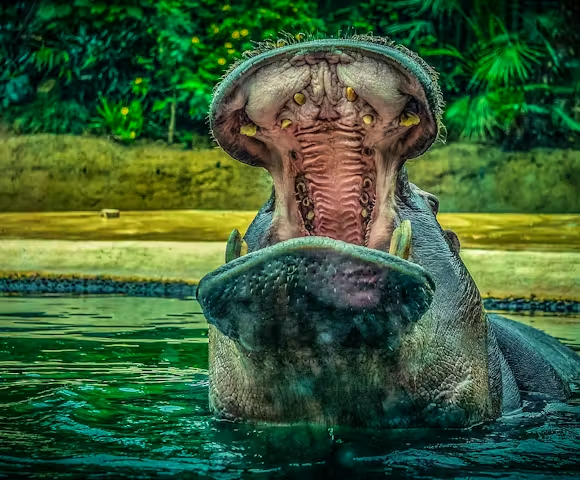
Lake Mburo Hippos
Lake Mburo hippos are among the most fascinating wildlife attractions in Uganda. They draw thousands of visitors every year to the beautiful Lake Mburo National Park. These giant mammals spend most of their lives in water and play an important role in the park’s ecosystem. Visitors who explore the park often look forward to seeing hippos resting in the lake during the day and grazing on nearby grasslands at night.
Lake Mburo National Park is one of Uganda’s smallest savannah parks, yet it offers remarkable wildlife viewing experiences. The park lies in western Uganda between Kampala and the major tourism destinations of southwestern Uganda. Its strategic location makes it a popular stopover for travelers heading to gorilla trekking destinations and other wildlife parks. Among the many attractions found here, hippos remain one of the most sought-after animals.
The calm waters of Lake Mburo provide an ideal habitat for hippos. The lake supports a healthy population that can easily be seen during boat safaris and guided wildlife excursions. Their large size, unique behavior, and social lifestyle make them one of the highlights of any safari in the park. Visitors often spend hours observing these animals as they interact with each other in the water.
For nature lovers, photographers, and wildlife enthusiasts, the hippos of Lake Mburo offer unforgettable experiences. Their presence adds life and excitement to the lake and contributes significantly to the park’s biodiversity. A visit to Lake Mburo National Park is never complete without encountering these remarkable aquatic giants.
The Habitat of Hippos in Lake Mburo
Lake Mburo provides a perfect environment for hippos to thrive. The freshwater lake contains abundant vegetation, clean water, and extensive grazing areas. These conditions support the daily needs of hippos and allow them to maintain healthy populations throughout the year.
Hippos spend most of the daytime submerged in water. This behavior helps them regulate body temperature and protects their sensitive skin from direct sunlight. The cool waters of Lake Mburo create an ideal refuge during the hot hours of the day. Visitors on boat cruises can often spot groups of hippos with only their eyes, ears, and nostrils visible above the water surface.
The surrounding grasslands also play a vital role in supporting hippo populations. Every evening, hippos leave the water and travel several kilometers in search of fresh grass. They feed mainly at night and return to the water before sunrise. This daily movement between water and grazing grounds forms an important part of their natural behavior.
The lake ecosystem benefits greatly from the presence of hippos. Their movements help transfer nutrients between aquatic and terrestrial environments. This process supports plant growth and contributes to the health of the surrounding ecosystem. As a result, hippos play a key role in maintaining ecological balance within Lake Mburo National Park.
Unique Characteristics of Lake Mburo Hippos
Hippos are among the largest land mammals in Africa. Adult males can weigh more than 3,000 kilograms, while females are slightly smaller. Despite their enormous size, they can move surprisingly fast both in water and on land.
One of the most distinctive features of hippos is their semi-aquatic lifestyle. Unlike many other large mammals, hippos rely heavily on water for survival. Their eyes, ears, and nostrils sit high on their heads, allowing them to remain mostly submerged while still being able to see, hear, and breathe.
Lake Mburo hippos are highly social animals. They often live in groups known as pods. A pod may contain several females, young calves, and a dominant male. These social groups spend much of the day resting together in the water. Visitors frequently witness interactions between pod members, including vocal communication and territorial displays.
Hippos are also known for their powerful jaws and large canine teeth. Although they feed mainly on grass, they possess strong defensive capabilities. They can become aggressive when threatened or when protecting their territory. For this reason, visitors are encouraged to observe them from a safe distance and follow the guidance of experienced park guides.
Their combination of size, strength, and unique aquatic behavior makes them one of the most impressive animals found in Lake Mburo National Park.
Boat Safaris for Hippo Viewing
A boat safari on Lake Mburo is one of the best ways to observe hippos in their natural environment. The calm waters allow visitors to approach viewing areas safely while enjoying spectacular scenery and abundant wildlife.
Boat cruises typically take place during the morning and afternoon hours. During these excursions, visitors can observe large groups of hippos resting in shallow waters. The experience offers close-up views that are difficult to achieve during traditional game drives.
The boat safari provides excellent opportunities for photography. Visitors can capture stunning images of hippos emerging from the water, interacting with one another, or displaying their massive mouths. The reflections on the lake surface often create beautiful photographic scenes.
In addition to hippos, boat safaris offer sightings of crocodiles, waterbucks, buffaloes, and numerous bird species. This combination of wildlife makes the excursion one of the most rewarding activities within the park.
Professional guides accompany boat trips and share valuable information about hippo behavior, ecology, and conservation. Their expertise enhances the overall experience and helps visitors gain a deeper understanding of these remarkable animals.
For many travelers, the boat safari becomes the highlight of their visit to Lake Mburo National Park.
Hippo Behavior and Daily Activities
Understanding hippo behavior adds excitement to any wildlife viewing experience. These animals follow a predictable daily routine that revolves around water and grazing activities.
During daylight hours, hippos remain in the lake to stay cool. They spend much of the day resting, sleeping, and socializing within their groups. Although they appear calm, they remain alert to potential threats and territorial challenges.
Communication among hippos occurs through a variety of sounds and physical displays. They produce grunts, snorts, bellows, and other vocalizations that help maintain social bonds and establish dominance. These sounds often echo across the lake, especially during the early morning and evening hours.
As sunset approaches, hippos begin leaving the water to feed. They travel along established pathways leading to nearby grasslands. During a single night, a hippo can consume large quantities of grass to meet its nutritional needs.
Female hippos care closely for their calves. Young hippos remain near their mothers for protection and guidance. Visitors occasionally observe calves swimming beside their mothers during boat cruises, creating memorable wildlife encounters.
These daily activities demonstrate the complex and fascinating nature of hippo life within Lake Mburo National Park.
Conservation of Hippos in Lake Mburo National Park
Hippos play an essential role in maintaining healthy ecosystems. Protecting them ensures the long-term sustainability of Lake Mburo National Park and its wildlife populations.
The Uganda Wildlife Authority actively manages and protects hippo habitats within the park. Conservation efforts focus on habitat preservation, anti-poaching measures, wildlife monitoring, and community engagement. These initiatives help maintain stable hippo populations while promoting sustainable tourism.
Tourism contributes significantly to conservation efforts. Revenue generated from park entrance fees, boat safaris, and other tourism activities supports wildlife management programs and habitat protection projects. Visitors therefore contribute directly to the preservation of hippos and other species.
Education also plays a vital role in conservation. Guides and park staff help raise awareness about the ecological importance of hippos. By understanding their role within the ecosystem, visitors develop greater appreciation for wildlife conservation.
Community involvement remains another key component of successful conservation. Local communities benefit from tourism opportunities and participate in initiatives that promote coexistence between people and wildlife. These partnerships strengthen conservation outcomes and support sustainable development.
The continued protection of Lake Mburo’s hippos ensures that future generations can enjoy these magnificent animals in their natural environment.
Best Time to See Hippos in Lake Mburo
Hippos can be seen throughout the year in Lake Mburo National Park. However, certain seasons offer particularly favorable viewing conditions.
The dry seasons, which typically occur from June to August and December to February, often provide excellent wildlife viewing opportunities. During these months, vegetation becomes less dense, making it easier to observe animals around the lake and surrounding grasslands.
Boat safaris remain productive throughout the year because hippos spend most of their daytime hours in the water. Visitors can expect reliable sightings regardless of the season. Morning and late afternoon excursions often provide the most comfortable temperatures and attractive lighting for photography.
The rainy seasons bring lush vegetation and beautiful landscapes. Although some areas become greener and denser, hippos remain visible in their aquatic habitats. Birdwatchers also enjoy increased bird activity during these months.
Travelers planning a safari to Lake Mburo can confidently visit at any time of the year and expect rewarding encounters with hippos and other wildlife.
Why Lake Mburo Hippos Are a Must-See Attraction
Lake Mburo hippos represent one of the most iconic wildlife experiences in Uganda. Their impressive size, unique behavior, and strong connection to the lake ecosystem make them a major attraction within the park.
Visitors enjoy exceptional viewing opportunities through boat safaris, game drives, and guided nature excursions. The close proximity of hippos to tourism activities allows guests to observe these animals safely while learning about their ecology and conservation.
The presence of hippos enhances the overall appeal of Lake Mburo National Park. Alongside zebras, buffaloes, giraffes, antelopes, crocodiles, and hundreds of bird species, hippos contribute to the rich biodiversity that defines the park.
For travelers seeking authentic African wildlife experiences, Lake Mburo offers a perfect combination of accessibility, scenic beauty, and abundant animal life. The sight of hippos resting peacefully in the lake or emerging at dusk to graze creates memories that last a lifetime.
At Adira Safaris Africa, we highly recommend including Lake Mburo National Park in your Uganda safari itinerary. The opportunity to encounter these magnificent aquatic giants in their natural habitat provides a truly rewarding adventure and a deeper appreciation of Uganda’s remarkable wildlife heritage.