
Sempaya Springs in Semuliki
May 25, 2026Gorilla Grooming in Bwindi
June 1, 2026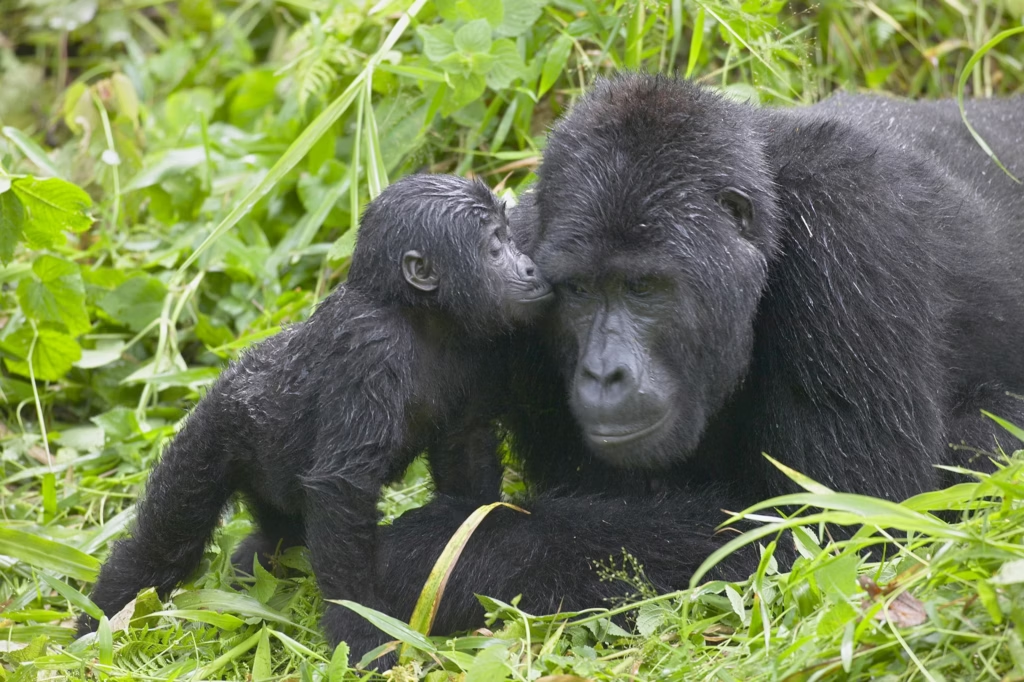
Kyambura Gorge Gorilla Tracking in Queen Elizabeth National Park
Kyambura Gorge Gorilla Tracking is one of the most unique wildlife experiences in Uganda. It takes place within the spectacular Kyambura Gorge, a remarkable natural feature located in Queen Elizabeth National Park. Unlike the more famous gorilla trekking destinations found in dense mountain forests, Kyambura Gorge offers visitors the rare opportunity to search for a habituated gorilla family in a hidden tropical forest that lies deep beneath the vast savannah plains of Queen Elizabeth National Park.
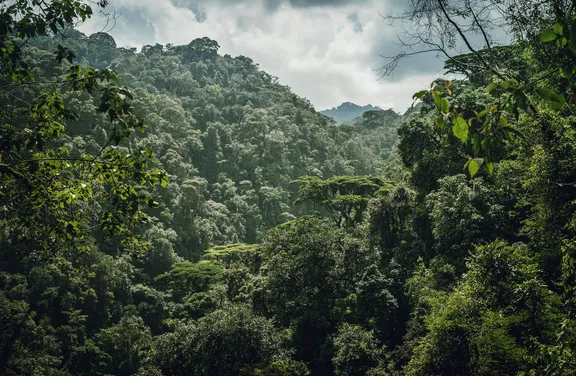
Often referred to as the “Valley of Apes,” Kyambura Gorge stretches for several kilometers and cuts dramatically through the landscape, creating a lush underground rainforest that contrasts sharply with the surrounding grasslands. The gorge is approximately 100 meters deep and supports a rich ecosystem filled with towering trees, vines, flowering plants, primates, birds, and other wildlife. This remarkable environment provides a safe habitat for a small population of eastern chimpanzees and a resident gorilla family that occasionally attracts visitors seeking a unique primate encounter.
Gorilla tracking in Kyambura Gorge appeals to travelers who wish to combine classic savannah wildlife viewing with primate adventures during a single safari. Instead of traveling long distances between different parks, visitors can enjoy game drives, boat cruises, birdwatching, and gorilla tracking while staying within the greater Queen Elizabeth ecosystem. This combination creates a diverse safari experience that showcases Uganda’s incredible natural beauty and biodiversity.
The journey into the gorge itself forms part of the adventure. Visitors descend steep trails from the rim into the dense forest below, where experienced guides and trackers lead the search for gorillas. Every trek offers a different experience because the gorillas move freely within their habitat. The anticipation of locating these magnificent primates adds excitement to the adventure and creates unforgettable memories for nature enthusiasts and wildlife lovers.
The Unique Landscape of Kyambura Gorge
One of the most remarkable aspects of Kyambura Gorge Gorilla Tracking is the stunning scenery that surrounds the experience. The gorge appears like a giant crack carved through the earth, creating a hidden world beneath the savannah plains of Queen Elizabeth National Park. From the rim, visitors can admire breathtaking views of the lush forest canopy below while observing the open grasslands that stretch toward the distant horizon.
The gorge was formed by the powerful waters of the Kyambura River, which carved its way through the landscape over thousands of years. This natural process created a deep valley that now supports a tropical rainforest ecosystem unlike anything found elsewhere in the park. The combination of riverine forest, wetlands, and thick vegetation creates favorable conditions for numerous wildlife species.
As visitors descend into the gorge, the environment changes dramatically. Temperatures become cooler, vegetation becomes denser, and the sounds of the forest replace those of the open savannah. Large fig trees, towering mahogany trees, dense undergrowth, and winding streams dominate the landscape. The rich vegetation provides food and shelter for various primates, including monkeys, baboons, and gorillas.
The beauty of Kyambura Gorge extends beyond its forest. The surrounding area offers panoramic views of the park’s diverse habitats. Visitors often see antelopes, elephants, buffaloes, and other wildlife grazing on the plains near the gorge entrance. This unique combination of rainforest and savannah ecosystems makes Kyambura Gorge one of the most fascinating destinations in Uganda.
Photographers particularly appreciate the dramatic contrast between the deep green forest and the golden savannah above. The steep walls of the gorge create stunning visual perspectives that enhance the overall safari experience. Whether visitors successfully locate gorillas or not, the scenery alone makes the trek worthwhile and provides exceptional opportunities for photography and nature appreciation.
The Gorilla Tracking Experience
Kyambura Gorge Gorilla Tracking begins early in the morning with a briefing conducted by Uganda Wildlife Authority guides. During this session, visitors receive information about gorilla behavior, tracking procedures, safety regulations, and conservation efforts. Guides explain what to expect during the trek and provide valuable advice for navigating the forest terrain.
After the briefing, participants begin the descent into the gorge. The trails can be steep and challenging in some sections, but the effort rewards visitors with access to one of Uganda’s most unique forest environments. Experienced trackers often enter the forest earlier to locate signs of gorilla activity and communicate with the guiding team.
The tracking process involves following clues such as fresh footprints, broken vegetation, feeding sites, and vocalizations. Guides interpret these signs and lead visitors through the forest in search of the gorilla family. The duration of the trek varies depending on the gorillas’ location. Some treks may last only a few hours, while others can take longer if the animals move deeper into the forest.
The moment visitors encounter the gorillas is truly unforgettable. Watching these gentle giants interact within their natural environment creates a powerful connection with nature. Visitors may observe gorillas feeding, resting, grooming one another, or caring for young members of the family. The close resemblance between gorillas and humans often surprises first-time visitors and adds emotional depth to the experience.
Guides ensure that visitors maintain a respectful distance and follow conservation guidelines throughout the encounter. This helps protect the gorillas from stress and reduces the risk of disease transmission. The time spent observing the gorillas allows visitors to appreciate their intelligence, social behavior, and remarkable adaptability.
Every gorilla tracking experience in Kyambura Gorge is unique. No two encounters are exactly alike because the gorillas move freely and behave naturally. This unpredictability contributes to the excitement and authenticity of the adventure.
Wildlife Encountered During the Trek
Although gorillas represent the main attraction, Kyambura Gorge supports a wide variety of wildlife species that enhance the tracking experience. The gorge forms an important refuge for numerous animals and birds that thrive within its dense forest ecosystem.
Visitors frequently encounter several species of monkeys during their trek. Black-and-white colobus monkeys move gracefully through the forest canopy, while vervet monkeys and red-tailed monkeys often forage among the trees. Olive baboons also inhabit the gorge and occasionally appear along the trails.
Bird enthusiasts find Kyambura Gorge particularly rewarding. The forest provides habitat for numerous bird species that differ significantly from those found in the surrounding savannah. Colorful forest birds, hornbills, turacos, kingfishers, and sunbirds contribute to the area’s rich biodiversity. The sounds of bird calls create a vibrant atmosphere throughout the trek.
The forest floor supports reptiles, butterflies, and various small mammals. The nearby river attracts additional wildlife and contributes to the ecological richness of the gorge. Nature lovers often appreciate these encounters as much as the gorilla sightings themselves because they reveal the complexity of this unique ecosystem.
The surrounding areas of Queen Elizabeth National Park further enrich the experience. Before or after gorilla tracking, visitors may participate in game drives that reveal elephants, lions, leopards, buffaloes, hyenas, warthogs, and numerous antelope species. This combination of forest and savannah wildlife makes Kyambura Gorge Gorilla Tracking one of the most diverse safari activities available in Uganda.
The ecological importance of the gorge cannot be overstated. It acts as a vital wildlife corridor and provides essential habitat for species that require forest environments. Conservation efforts continue to protect this unique ecosystem and ensure its survival for future generations.
Best Time for Kyambura Gorge Gorilla Tracking
Visitors can enjoy Kyambura Gorge Gorilla Tracking throughout the year, but certain seasons offer more favorable trekking conditions. Uganda’s climate generally allows wildlife activities in all months, making the destination accessible for international travelers regardless of their travel schedules.
The dry seasons usually occur from June to September and from December to February. During these months, trails remain less muddy and easier to navigate. Vegetation also becomes slightly less dense, improving visibility within the forest. Many travelers prefer these periods because trekking conditions tend to be more comfortable.
The wet seasons occur from March to May and from October to November. Although rainfall can make trails slippery, these months also offer unique advantages. The forest becomes exceptionally green and beautiful, creating stunning photographic opportunities. Fewer visitors travel during the rainy seasons, resulting in a quieter and more exclusive experience.
Wildlife remains active throughout the year because the forest ecosystem provides a stable environment regardless of seasonal changes. Gorilla tracking continues during both wet and dry periods, and successful sightings occur year-round. Visitors should simply prepare appropriately for varying weather conditions.
Travelers should carry waterproof clothing, sturdy hiking boots, and sufficient drinking water regardless of the season. A walking stick can also provide additional support on steep sections of the trail. Proper preparation helps ensure a comfortable and enjoyable trekking experience.
Combining Gorilla Tracking with Other Safari Activities
One of the greatest advantages of Kyambura Gorge Gorilla Tracking is its location within Queen Elizabeth National Park. This allows visitors to combine multiple safari activities without extensive travel between destinations.
Game drives across the Kasenyi Plains offer opportunities to observe lions, elephants, buffaloes, Uganda kobs, and other wildlife. Early morning and evening drives often provide the best chances for predator sightings. The diverse habitats within the park support an impressive variety of species, making every game drive unique.
The famous boat cruise along the Kazinga Channel ranks among Uganda’s most rewarding wildlife experiences. The channel attracts large concentrations of hippos, crocodiles, buffaloes, elephants, and waterbirds. Visitors enjoy excellent photography opportunities while observing animals gathering along the shoreline.
Birdwatching enthusiasts can explore various habitats throughout the park, including wetlands, forests, savannahs, and crater lakes. The park supports hundreds of bird species and attracts birders from around the world.
Visitors can also explore the crater lake regions, cultural communities, and scenic viewpoints surrounding the park. These additional experiences create a comprehensive safari itinerary that highlights the natural and cultural richness of western Uganda.
Combining gorilla tracking with these activities maximizes the value of a safari and provides a deeper understanding of Uganda’s remarkable biodiversity.
Conservation Importance of Kyambura Gorge
Conservation remains central to the future of Kyambura Gorge and its wildlife populations. The gorge serves as a critical habitat island surrounded by expanding human settlements and agricultural activities. Protecting this ecosystem ensures the survival of its unique wildlife and maintains ecological balance within the region.
Tourism plays a significant role in supporting conservation efforts. Revenue generated through gorilla tracking permits contributes to wildlife protection, habitat management, research, and community development projects. These initiatives help create positive relationships between conservation authorities and local communities.
Educational programs also raise awareness about the importance of protecting gorillas and other wildlife. Visitors gain a greater appreciation for conservation challenges and often become ambassadors for wildlife protection after their experience.
The continued success of Kyambura Gorge Gorilla Tracking depends on responsible tourism practices, effective habitat management, and ongoing conservation investment. Every visitor contributes to these efforts by supporting sustainable tourism initiatives.
Conclusion
Kyambura Gorge Gorilla Tracking offers one of Uganda’s most distinctive wildlife adventures. Set within the breathtaking landscapes of Queen Elizabeth National Park, this experience combines dramatic scenery, rich biodiversity, and unforgettable encounters with one of the world’s most fascinating primates. The hidden rainforest beneath the savannah creates a magical setting that feels completely different from the surrounding landscape.
Whether visitors come for gorillas, wildlife photography, birdwatching, or nature exploration, Kyambura Gorge delivers an authentic and rewarding safari experience. The opportunity to descend into a lush tropical forest and search for gorillas within such a unique environment creates memories that last a lifetime.
For travelers seeking a safari that combines adventure, conservation, and extraordinary wildlife encounters, Kyambura Gorge Gorilla Tracking stands among Uganda’s most remarkable experiences. Adira Safaris Africa proudly offers expertly guided journeys that allow visitors to discover the beauty, mystery, and natural wonders of this exceptional destination.