
Snake Park Nairobi
June 24, 2026
Butterfly Center Ukunda
June 25, 2026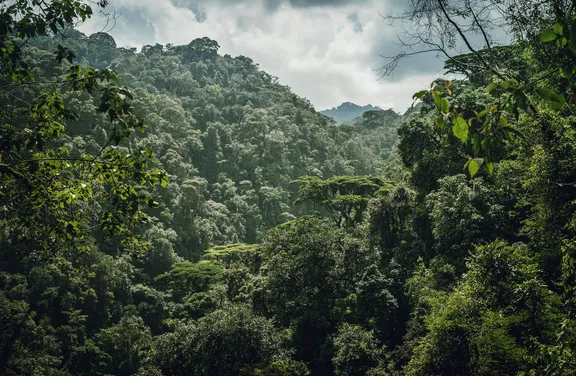
Giant Land Snails of Watamu
Watamu is widely known for its pristine beaches, coral reefs, marine life, and rich biodiversity. While many visitors come to explore the Indian Ocean and its spectacular underwater world, the forests surrounding Watamu also contain fascinating creatures that often go unnoticed. Among these remarkable residents are the giant land snails, some of which can grow up to 20 centimeters in length. These impressive mollusks play an important role in maintaining the health of the coastal ecosystem and contribute significantly to the natural balance of the forest environment.
Despite their size, giant land snails remain gentle and harmless creatures. They move slowly across the forest floor, carrying out essential ecological functions that support biodiversity and habitat health. Their presence indicates a healthy environment because they thrive in areas with abundant moisture, vegetation, and organic matter.
Visitors exploring the forests of Watamu often encounter these fascinating creatures during guided nature walks. Their large spiral shells and slow movements make them easy to observe. For many travelers, seeing a giant land snail for the first time becomes a memorable wildlife experience. Their unusual size often surprises visitors who may never have imagined that snails could grow so large.
The giant land snails of Watamu represent an important but often overlooked part of Kenya’s natural heritage. They demonstrate that even the smallest and quietest creatures can play significant roles within an ecosystem. By helping clean the forest floor and recycle nutrients, these snails contribute directly to the health and sustainability of the environment.
For nature lovers, photographers, conservation enthusiasts, and eco-tourists, giant land snails provide a unique opportunity to discover another side of Watamu’s remarkable biodiversity. Their story highlights the importance of protecting all species, regardless of size or popularity, because every organism contributes to the delicate balance of nature.
The Remarkable Size of Watamu’s Giant Land Snails
One of the most striking features of the giant land snails found in Watamu is their impressive size. Some individuals can reach lengths of up to 20 centimeters, making them among the largest terrestrial snails that visitors are likely to encounter. Their large shells immediately attract attention and often become a subject of fascination during nature walks and wildlife tours.
The shell serves as both a protective structure and a defining characteristic of these remarkable mollusks. It grows gradually throughout the snail’s life and develops into a beautiful spiral formation. The shell often displays natural shades of brown, cream, and tan that blend perfectly with the forest environment. This camouflage helps protect the snails from predators while allowing them to move discreetly through their habitat.
Their large size provides several advantages. It allows them to store moisture more effectively and survive in changing environmental conditions. The size also helps them travel across leaf litter, fallen branches, and uneven terrain as they search for food. Although they move slowly, their persistence allows them to cover considerable distances over time.
Visitors frequently express amazement when they encounter a giant land snail for the first time. Many people are accustomed to seeing small garden snails and do not expect to find specimens of such impressive proportions. This element of surprise adds excitement to wildlife experiences in Watamu’s coastal forests.
The giant land snail demonstrates how diverse and extraordinary nature can be. While large mammals and colorful birds often attract the most attention, these mollusks prove that smaller creatures can be equally fascinating. Their impressive size, unique appearance, and ecological importance make them one of the hidden treasures of Watamu’s natural environment.
Life on the Forest Floor
The forest floor serves as the primary habitat for giant land snails in Watamu. This environment provides everything they need to survive, including moisture, shelter, food, and protection from extreme weather conditions. Beneath the forest canopy, conditions remain cooler and more humid than in open areas, creating an ideal habitat for these moisture-dependent creatures.
Giant land snails spend much of their time moving slowly through layers of fallen leaves, decomposing vegetation, and organic debris. This habitat offers both nourishment and protection. The thick layer of leaf litter helps retain moisture, allowing the snails to remain active even during warm periods.
The snails often seek shelter beneath logs, rocks, and dense vegetation during the hottest parts of the day. These hiding places help prevent dehydration and protect them from predators. During wetter conditions, they become more active and may travel openly across the forest floor in search of food.
The forest floor represents one of the most dynamic parts of the ecosystem. Countless organisms interact within this environment, including insects, fungi, reptiles, amphibians, and small mammals. Giant land snails play an important role within this community by participating in the natural recycling process that sustains forest health.
Visitors exploring Watamu’s forests gain a deeper appreciation for this hidden world when they observe giant land snails in their natural habitat. Their presence highlights the complexity and interconnectedness of ecosystems that many people overlook. Every fallen leaf, decaying branch, and patch of soil contributes to a network of life that supports biodiversity.
The forest floor may appear quiet and ordinary at first glance, but it hosts countless important ecological processes. Giant land snails remain among the most visible and fascinating participants in this natural system.
How Giant Land Snails Help Clean the Forest Floor
One of the most important ecological roles performed by giant land snails involves cleaning and maintaining the forest floor. These remarkable creatures function as natural recyclers that help break down organic material and contribute to nutrient cycling within the ecosystem.
Giant land snails feed on algae, decaying plant matter, fungi, and other organic materials found throughout the forest. As they consume these substances, they help remove decomposing debris and prevent excessive accumulation on the forest floor. This process contributes to a cleaner and healthier environment for other organisms.
Algae form an important part of their diet. By feeding on algae growing on surfaces such as rocks, fallen logs, and vegetation, giant land snails help regulate growth and maintain ecological balance. This activity prevents excessive algae buildup while supporting overall ecosystem health.
Their feeding behavior accelerates decomposition processes. Organic material passes through the snails’ digestive systems and returns to the soil in a form that becomes more accessible to plants and microorganisms. This nutrient recycling supports vegetation growth and helps sustain forest productivity.
Without decomposers such as giant land snails, forests would struggle to process organic waste efficiently. Fallen leaves, dead vegetation, and other materials would accumulate more rapidly, potentially disrupting ecological balance. The snails contribute to maintaining a healthy and functioning environment.
Visitors often overlook these ecological services because they occur quietly and gradually. However, the impact of giant land snails on forest health remains significant. Their role demonstrates how even slow-moving creatures contribute directly to ecosystem sustainability and biodiversity conservation.
The giant land snail serves as a reminder that nature depends on countless small processes working together. Its contribution to cleaning the forest floor highlights the importance of protecting all species, regardless of size or visibility.
Biodiversity and Ecological Importance
The giant land snails of Watamu form an important part of the region’s biodiversity. They contribute to ecological stability while supporting numerous natural processes that benefit other species and the environment as a whole.
Biodiversity refers to the variety of living organisms within an ecosystem. Healthy ecosystems depend on this diversity because different species perform specialized roles. Giant land snails occupy the role of decomposers and nutrient recyclers, making them essential contributors to ecosystem health.
Their activities support plant growth by improving soil quality and nutrient availability. As they process organic material, they help release nutrients that plants require for development. Healthy vegetation then supports insects, birds, mammals, and countless other organisms.
Giant land snails also serve as a food source for various predators. Birds, reptiles, mammals, and other wildlife may rely on them as part of their diets. This relationship demonstrates their importance within local food webs.
Their presence often indicates a healthy habitat. Because giant land snails require specific environmental conditions, including adequate moisture and vegetation, their populations can reflect the overall condition of the ecosystem. Healthy snail populations often suggest a thriving forest environment.
Conservationists recognize the importance of protecting species such as giant land snails because their disappearance could affect many other organisms. Every species contributes to ecological balance, and the loss of one component can create wider environmental consequences.
The giant land snails of Watamu remind visitors that biodiversity extends beyond large and charismatic animals. Even the quietest creatures contribute significantly to the health and resilience of natural ecosystems.
A Unique Attraction for Nature Lovers
Watamu attracts visitors from around the world because of its stunning natural beauty. While marine attractions often dominate travel itineraries, the giant land snails provide a unique reason to explore the area’s coastal forests and nature trails.
Nature enthusiasts appreciate opportunities to observe wildlife that differs from traditional safari experiences. Giant land snails offer a fascinating alternative to large mammals and birds. Their size, behavior, and ecological importance make them appealing subjects for observation and photography.
Guided forest walks often include opportunities to encounter these remarkable creatures. Knowledgeable guides explain their biology, behavior, and ecological roles while helping visitors locate them within their natural habitat. These educational experiences enhance appreciation for lesser-known wildlife species.
Photographers particularly enjoy capturing images of giant land snails. Their large shells, intricate patterns, and natural surroundings create visually appealing compositions. Macro photography enthusiasts find endless opportunities to document the details of these extraordinary mollusks.
Families and students also benefit from learning about giant land snails. The experience introduces important concepts related to biodiversity, conservation, decomposition, and ecosystem health. Observing these creatures firsthand makes environmental education more engaging and memorable.
For eco-tourists seeking authentic nature experiences, giant land snails offer a chance to connect with the smaller yet equally important aspects of biodiversity. Their presence enriches the overall visitor experience and encourages deeper exploration of Watamu’s natural landscapes.
Why Giant Land Snails Are an Important Part of Watamu’s Natural Heritage
The giant land snails of Watamu represent far more than unusual forest inhabitants. They play essential ecological roles, contribute to biodiversity, and help maintain healthy ecosystems. Their ability to consume algae and organic matter makes them valuable natural cleaners that support nutrient recycling and forest sustainability.
Their impressive size, reaching up to 20 centimeters in length, makes them one of the most fascinating invertebrates found in Kenya’s coastal forests. Visitors often discover a new appreciation for wildlife when they observe these remarkable creatures in their natural environment.
The giant land snail demonstrates how every species contributes to ecological balance. Through their daily activities, these mollusks help sustain the health of forests while supporting countless other organisms. Their role highlights the importance of conservation and the need to protect even the smallest members of the ecosystem.
Adira Safaris Africa encourages visitors to explore the hidden wonders of Watamu beyond its famous beaches and marine attractions. The giant land snails offer a unique glimpse into the intricate world of forest biodiversity. They provide valuable lessons about nature, conservation, and the interconnected relationships that sustain life.
A visit to Watamu’s forests reveals that extraordinary wildlife exists in many forms. Among the leaves and vegetation of the forest floor, giant land snails quietly perform essential ecological work while inspiring curiosity and admiration. They remain one of the most remarkable yet overlooked treasures of Kenya’s coastal environment.