
Cycling Between Cliffs and Zebras in Hell’s Gate National Park
June 16, 2026
Hot Air Balloon Rides in Maasai Mara National Park
June 17, 2026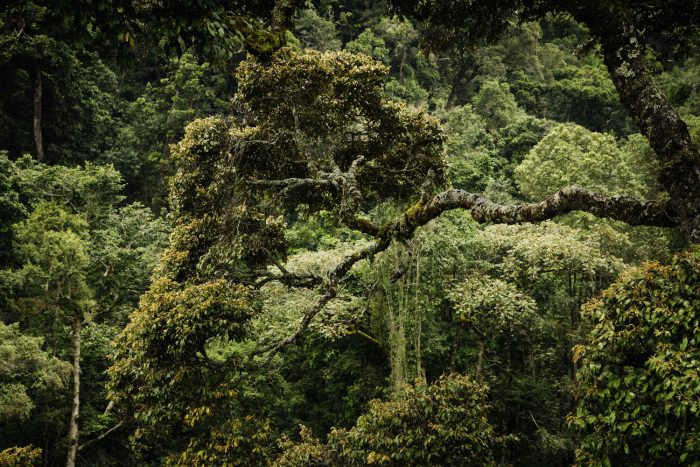
Giant Forest Frogs in Aberdare
The Aberdare region of Kenya is famous for its mist-covered forests, spectacular waterfalls, rich wildlife, and breathtaking mountain scenery. While many visitors travel to Aberdare to see elephants, buffaloes, leopards, and giant forest hogs, the ecosystem also hides smaller but equally fascinating creatures. Among these remarkable inhabitants are the giant forest frogs, rare amphibians that thrive within the cool, moist environments of the Aberdare forests. Although many travelers focus on larger mammals during their safari adventures, those who take time to explore the forest ecosystem can discover these unique and often overlooked species.
Giant forest frogs represent an important part of Aberdare’s biodiversity. Their presence indicates a healthy forest ecosystem with clean water sources and well-preserved habitats. These frogs inhabit areas with abundant moisture, dense vegetation, and shaded forest floors. The cool climate and high rainfall levels found in Aberdare create ideal conditions for their survival.
For wildlife enthusiasts, nature photographers, researchers, and eco-tourists, spotting a giant forest frog can become a memorable highlight of a visit to Aberdare. Unlike more commonly observed wildlife species, these frogs remain hidden for much of their lives. This makes every sighting feel special and rewarding. Their rarity adds excitement to forest walks and nature excursions throughout the region.
The giant forest frog demonstrates that Aberdare offers much more than traditional safari experiences. The park protects a diverse range of species that contribute to the area’s ecological richness. Visitors who appreciate nature in all its forms often discover that some of the most fascinating wildlife encounters involve creatures that many people rarely notice.
The opportunity to observe giant forest frogs in their natural environment adds another layer of wonder to the Aberdare experience. These remarkable amphibians remind visitors that every corner of the forest contains unique life waiting to be discovered.
The Habitat of Giant Forest Frogs in Aberdare
The forests of Aberdare provide an ideal habitat for giant forest frogs. The region receives substantial rainfall throughout the year, creating a cool and humid environment that supports a wide variety of amphibian species. Dense vegetation, flowing streams, forest wetlands, and shaded undergrowth all contribute to conditions that help these frogs thrive.
Giant forest frogs depend heavily on moisture. Their skin absorbs water directly from the environment, making damp habitats essential for survival. The mountain forests of Aberdare maintain high humidity levels even during drier periods, allowing these amphibians to remain active and healthy. Streams that flow through the forest provide breeding grounds and essential water sources.
The thick forest canopy plays an important role in maintaining suitable conditions. Trees block direct sunlight and help regulate temperature fluctuations. This natural shelter protects the frogs from excessive heat while preserving the moisture they need. Fallen leaves, moss-covered logs, and dense vegetation offer additional protection and hiding places.
Many giant forest frogs remain active during the evening and nighttime hours. They emerge from hiding places to search for food among the forest floor and near water sources. During daylight hours, they often stay concealed beneath vegetation or within damp crevices.
Aberdare’s varied landscape supports multiple microhabitats that benefit amphibian populations. Mountain streams, marshy areas, forest clearings, and riverbanks all contribute to the ecological diversity that sustains these rare creatures. The abundance of insects within these habitats provides a reliable food supply.
The continued protection of Aberdare’s forests remains essential for the survival of giant forest frogs. Healthy forests support healthy amphibian populations. Conservation efforts that preserve water quality, vegetation cover, and natural habitats directly benefit these unique animals and the broader ecosystem they inhabit.
Physical Characteristics of Giant Forest Frogs
Giant forest frogs attract attention because of their impressive size compared to many other frog species found within African forests. Their larger bodies make them easier to identify when visitors are fortunate enough to encounter them in the wild. Despite their size, they remain well adapted to life within the dense vegetation of Aberdare.
These frogs typically possess strong hind legs that enable them to move efficiently through forest environments. Their powerful limbs assist with jumping, climbing, and navigating uneven terrain. This mobility helps them avoid predators and locate food sources throughout the forest.
Their skin often displays shades of brown, green, olive, or gray that blend naturally with surrounding vegetation. This coloration provides effective camouflage against leaves, tree bark, and forest debris. As a result, giant forest frogs can remain difficult to spot despite their size.
Large eyes enhance their ability to detect movement in low-light conditions. Since many frogs become more active during the evening, good vision helps them locate prey and navigate through the forest after sunset. Their alert appearance often captures the attention of photographers and wildlife observers.
Like many amphibians, giant forest frogs possess skin that remains sensitive to environmental changes. Clean water and unpolluted habitats are essential for their well-being. Their dependence on healthy ecosystems makes them valuable indicators of environmental quality.
The unique combination of size, coloration, and adaptation allows giant forest frogs to survive within Aberdare’s challenging mountain environment. These characteristics demonstrate the remarkable diversity of life that thrives within Kenya’s protected forests.
For visitors interested in lesser-known wildlife, observing a giant forest frog offers an opportunity to appreciate a side of nature that many safari experiences overlook. Their appearance reflects the extraordinary adaptations that enable survival within one of East Africa’s most important forest ecosystems.
Why Giant Forest Frogs Are Rare and Special
The giant forest frogs found in Aberdare hold special significance because sightings remain relatively uncommon. Many visitors spend days exploring the forest without encountering one. Their elusive nature contributes greatly to their appeal among wildlife enthusiasts and nature lovers.
Several factors contribute to their rarity. First, these frogs depend on very specific environmental conditions. They require clean water, consistent moisture, dense vegetation, and stable temperatures. Such specialized habitat requirements limit the areas where they can survive successfully.
Second, giant forest frogs spend much of their time hidden from view. They often remain beneath leaves, logs, rocks, or dense vegetation. Their natural camouflage further reduces visibility, making them difficult to locate even when they are nearby.
Unlike large mammals that roam openly across grasslands, amphibians generally lead more secretive lives. Visitors need patience, observation skills, and often the guidance of experienced naturalists to increase their chances of finding these rare creatures.
The rarity of giant forest frogs enhances the value of each sighting. Nature enthusiasts often consider such encounters among the most rewarding wildlife experiences because they reveal the hidden biodiversity of the forest. Observing one demonstrates the richness of Aberdare’s ecosystem beyond the more famous animals that attract most visitors.
Researchers also value these frogs because amphibians often serve as indicators of ecosystem health. Population changes can signal environmental problems that affect broader wildlife communities. Monitoring giant forest frogs helps conservationists assess the condition of forest habitats and freshwater systems.
Their rarity reminds visitors of the importance of protecting natural environments. Preserving forests, rivers, and wetlands ensures that these remarkable amphibians continue to survive within Aberdare for future generations to appreciate and study.
Wildlife Experiences and Frog Watching in Aberdare
Visitors exploring Aberdare can enjoy a variety of nature-based activities that increase opportunities to observe giant forest frogs. Guided forest walks provide some of the best chances to discover these hidden amphibians while learning about the broader ecosystem.
Experienced guides understand where frogs are most likely to occur. They often lead visitors to damp forest areas, stream banks, and shaded habitats where amphibian activity remains highest. Their knowledge significantly improves the chances of locating these elusive creatures.
Night walks can offer particularly rewarding experiences. Many giant forest frogs become more active after sunset when cooler temperatures and increased humidity create favorable conditions. During these hours, visitors may hear frog calls echoing through the forest before spotting the animals themselves.
Photography enthusiasts find frog watching especially appealing. Capturing detailed images of these rare amphibians requires patience and skill, but the results often showcase unique aspects of Aberdare’s biodiversity. Close-up photographs reveal intricate patterns, textures, and colors that many people never notice.
Frog watching also complements traditional wildlife activities. Visitors can combine amphibian observation with birdwatching, waterfall visits, forest hikes, and mammal viewing. This diversity of experiences highlights the ecological richness of the Aberdare region.
Educational value represents another important benefit. Learning about amphibians helps visitors understand ecosystem relationships and conservation challenges. These experiences often inspire greater appreciation for wildlife protection and environmental stewardship.
Through responsible tourism and guided exploration, visitors gain opportunities to discover some of the forest’s most fascinating hidden inhabitants. Giant forest frogs contribute significantly to the sense of wonder and discovery that defines Aberdare adventures.
Conservation Importance of Giant Forest Frogs
Conserving giant forest frogs requires protecting the habitats upon which they depend. Healthy forests, clean water systems, and intact ecosystems form the foundation of their survival. Conservation efforts within Aberdare therefore benefit not only frogs but also countless other species that share the same environment.
Amphibians face challenges in many parts of the world due to habitat loss, pollution, climate change, and environmental degradation. Because their skin remains highly sensitive, frogs often experience negative effects from ecological disturbances before many other animals. This sensitivity makes them valuable indicators of environmental health.
The protected status of Aberdare plays a crucial role in supporting frog populations. Forest conservation programs help maintain water quality, preserve vegetation, and prevent habitat destruction. These efforts create stable conditions that allow amphibians to thrive.
Tourism also contributes positively when managed responsibly. Visitors who appreciate biodiversity support conservation initiatives through park fees, eco-tourism activities, and environmental awareness. Increased appreciation for species such as giant forest frogs encourages continued investment in habitat protection.
Research programs help scientists better understand amphibian populations and ecological trends. Monitoring frog species provides valuable information about ecosystem health and guides future conservation strategies.
Community involvement remains equally important. Local communities that benefit from conservation and tourism often become strong partners in protecting natural resources. Their participation strengthens long-term conservation success.
Protecting giant forest frogs means protecting an entire ecosystem. Every effort to conserve forests, streams, and wetlands contributes to the survival of these remarkable amphibians and preserves the natural heritage of Aberdare.
Conclusion
Giant forest frogs in Aberdare represent one of the region’s most fascinating and lesser-known wildlife attractions. Although many visitors arrive hoping to see large mammals and dramatic landscapes, those who explore the forest more closely may discover these rare amphibians hidden among the vegetation and waterways.
Their presence reflects the health and diversity of Aberdare’s ecosystem. The cool climate, abundant rainfall, dense forests, and clean streams provide ideal conditions for their survival. These specialized habitats support a variety of wildlife and make Aberdare one of Kenya’s most important conservation areas.
Observing a giant forest frog offers a unique wildlife experience. The rarity of sightings adds excitement, while the frogs themselves showcase the incredible diversity that exists within mountain forest environments. For nature lovers, photographers, researchers, and eco-tourists, such encounters often become treasured memories.
Conservation efforts continue to play a critical role in protecting these amphibians and the habitats they depend upon. Through responsible tourism, environmental education, and habitat preservation, future generations will continue to enjoy opportunities to witness these remarkable creatures.
Adira Safaris Africa invites travelers to explore the hidden wonders of Aberdare and discover the giant forest frogs that contribute to the mystery, beauty, and ecological richness of one of Kenya’s most spectacular mountain landscapes.