
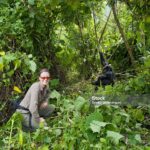
CANOPY WALK IN NYUNGWE NATIONAL PARK
May 17, 2026
Idjwi Island Day Trip
May 18, 2026
COLOBUS SUPER TROOPS IN NYUNGWE
The Colobus Super Troops in Nyungwe National Park rank among the most extraordinary primate experiences in Africa. Deep within the ancient rainforest of Nyungwe, travelers encounter massive groups of black-and-white colobus monkeys moving together through the treetops in spectacular numbers. These impressive monkey groups, commonly known as “super troops,” can contain almost 500 monkeys living and traveling together in one large social unit. The sight of hundreds of monkeys leaping across branches, feeding in the canopy, and interacting throughout the forest creates one of the most thrilling wildlife experiences in Rwanda. Nature lovers, wildlife photographers, researchers, and safari travelers visit Nyungwe specifically to witness this rare primate phenomenon.
Nyungwe National Park stands as one of Africa’s oldest montane rainforests and one of Rwanda’s most important conservation areas. The park protects a rich ecosystem filled with diverse wildlife species, dense tropical vegetation, waterfalls, birds, and primates. Among its many attractions, the colobus super troops remain one of the biggest highlights. The forest environment provides ideal conditions for these monkeys because it offers abundant food, shelter, and safe movement through the thick canopy. Travelers who visit Nyungwe enjoy not only the excitement of seeing the super troops but also the beauty of the surrounding rainforest.
The black-and-white colobus monkeys are easy to identify because of their striking appearance. Their long white fur contrasts beautifully with their black bodies and faces. They also have long flowing tails that create elegant movement as they leap between branches. Watching hundreds of these monkeys moving together across the forest canopy creates a dramatic and unforgettable scene. The monkeys move quickly and gracefully while communicating with one another through vocal sounds and body movements.
The Colobus Super Troops experience offers more than simple wildlife viewing. Visitors enjoy guided forest walks, photography opportunities, bird watching, and close interaction with one of Africa’s most fascinating primate species. The activity combines adventure, education, and eco-tourism in one unforgettable experience. Travelers learn about primate behavior, rainforest ecology, and conservation efforts while exploring one of Rwanda’s richest natural environments.
Tourism activities involving the colobus monkeys also contribute directly to conservation and community development. Revenue generated through park permits supports wildlife protection, ranger patrols, environmental education, and local employment opportunities. Communities around Nyungwe benefit through guiding services, accommodation businesses, transportation, and craft sales. This connection between tourism and conservation helps preserve Nyungwe Forest and its wildlife for future generations.
The Unique Nature of the Colobus Super Troops
The colobus super troops in Nyungwe remain unique because of their unusually large group size. In many African forests, colobus monkeys live in smaller family groups. However, Nyungwe’s rich forest ecosystem allows these monkeys to form massive social groups containing hundreds of individuals. Scientists and researchers consider this behavior rare and highly important for primate studies. Visitors who witness the super troops gain the rare opportunity to observe complex social interaction among large numbers of primates.
The monkeys spend most of their time high in the forest canopy where they feed, play, and travel together. Their diet mainly consists of leaves, fruits, flowers, and seeds found within the rainforest vegetation. The abundance of food in Nyungwe allows large monkey groups to survive successfully within the same habitat. Travelers often watch the monkeys feeding peacefully while others jump actively through the trees nearby.
The movement of the super troops creates incredible energy within the forest. Monkeys leap gracefully between branches while young ones chase and play with each other. Adult monkeys remain alert and protective as the troop moves together through the canopy. The sight of hundreds of long white tails swinging through the green forest creates one of the most photogenic wildlife scenes in Rwanda.
The monkeys communicate constantly using vocal sounds, facial expressions, and body language. Visitors often hear rustling leaves and monkey calls echoing through the forest before seeing the troop itself. This creates excitement during the forest walk as guides help tourists locate the monkeys. Once the troop appears, the forest suddenly feels alive with movement and sound.
The social structure within the troop also fascinates researchers and tourists alike. Mothers care for infants while dominant males monitor the group and younger monkeys engage in playful behavior. Observing these interactions gives visitors a deeper appreciation for primate intelligence and social behavior. Every visit offers a slightly different experience because the troop remains active and constantly moving throughout the forest.
The Experience of Tracking Colobus Super Troops
Tracking the colobus super troops begins with a guided forest hike through the scenic trails of Nyungwe National Park. Experienced guides lead visitors into the rainforest while explaining important information about the monkeys, forest ecology, and conservation efforts. The walk through the forest already feels exciting because of the rich vegetation, cool temperatures, and natural beauty surrounding the trails.
As visitors move deeper into the forest, guides listen carefully for monkey calls and search for movement in the canopy. The anticipation builds as tourists hear leaves shaking high above the trees. Suddenly, the first monkeys appear, jumping effortlessly between branches. Within moments, visitors realize that hundreds of monkeys surround the area. The experience becomes both thrilling and overwhelming because of the troop’s enormous size.
The monkeys usually remain active throughout the viewing experience. Some feed quietly on leaves while others leap across wide gaps between trees. Young monkeys often create entertainment as they chase one another and swing energetically through the canopy. Visitors enjoy watching the troop from different viewpoints within the forest while guides explain the monkeys’ behavior and social interactions.
Photography during the tracking experience remains highly rewarding. The contrast between the monkeys’ black-and-white fur and the green rainforest creates stunning visual scenes. Wildlife photographers often spend hours capturing movement, interaction, and portrait images of the monkeys. The troop’s constant activity ensures endless photography opportunities throughout the visit.
The experience also provides a strong sense of connection with nature. Standing beneath hundreds of monkeys in an ancient rainforest creates an unforgettable atmosphere. Visitors hear forest sounds, feel cool mountain air, and observe natural wildlife behavior without artificial interference. Many travelers describe the colobus tracking experience as one of the most memorable highlights of their Rwanda safari.
The Beauty of Nyungwe Forest
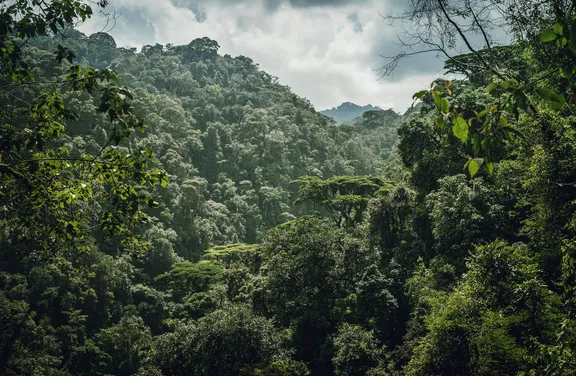
Nyungwe National Park provides the perfect habitat for the colobus super troops because of its rich rainforest ecosystem. The forest covers vast mountain slopes, valleys, rivers, and ridges in southwestern Rwanda. Thick vegetation creates a lush green environment that supports exceptional biodiversity. Travelers who visit the park enjoy beautiful scenery from the moment they arrive.
The rainforest contains giant trees, bamboo zones, orchids, ferns, and moss-covered vegetation. Sunlight filters through the dense canopy while mist often drifts through the valleys and treetops. This creates dramatic scenery that photographers and nature lovers find highly attractive. The cool mountain climate keeps the forest fresh and comfortable throughout the year.
Nyungwe also hosts many other wildlife species besides the colobus monkeys. The forest supports chimpanzees, vervet monkeys, mangabeys, blue monkeys, birds, butterflies, reptiles, and small mammals. Bird watchers especially enjoy the park because it contains hundreds of bird species including several rare Albertine Rift endemics.
The park’s hiking trails allow travelers to explore different sections of the forest while enjoying waterfalls, streams, and scenic viewpoints. Visitors can combine colobus tracking with canopy walks, bird watching, chimpanzee trekking, and cultural experiences. This variety makes Nyungwe one of Rwanda’s top eco-tourism destinations.
The forest also plays an important environmental role within Rwanda. Nyungwe supports water catchment systems, climate regulation, and biodiversity conservation. Protecting the forest therefore benefits both wildlife and surrounding communities. Tourism activities such as colobus tracking help generate the resources needed to preserve this important ecosystem.
Wildlife and Biodiversity Around the Super Troops
The colobus super troops live within one of the richest biodiversity zones in East Africa. The rainforest environment supports a wide range of wildlife species that visitors may encounter during the tracking experience. Many travelers spot different monkey species while searching for the colobus troop. Blue monkeys, owl-faced monkeys, and vervet monkeys occasionally appear within the same forest zones.
Birdlife remains another major attraction in Nyungwe. The forest contains hundreds of bird species including colorful forest birds that move through the canopy near the monkeys. Bird enthusiasts often combine colobus tracking with dedicated bird watching tours within the park. The elevated forest canopy provides excellent viewing opportunities for both monkeys and birds.
Butterflies add extra beauty to the rainforest scenery. Brightly colored butterflies move gracefully through sunlit sections of the forest while insects create natural background sounds throughout the trails. The rich plant diversity supports this wide variety of wildlife species and contributes to the health of the ecosystem.
The forest vegetation itself creates an impressive natural environment. Giant trees form interconnected canopy systems that allow monkeys to travel long distances without descending to the ground. Thick leaves and branches provide food and protection for the super troops throughout the year. The healthy condition of the forest directly supports the survival of these large monkey populations.
Guides help visitors understand how different wildlife species interact within the rainforest ecosystem. Travelers gain valuable knowledge about conservation, ecology, and primate behavior while enjoying close wildlife encounters. This educational aspect makes the colobus super troop experience even more meaningful and rewarding.
Best Time to Visit the Colobus Super Troops
Travelers can visit the colobus super troops throughout the year because Nyungwe National Park remains accessible in all seasons. However, some periods offer more comfortable conditions for forest hiking and wildlife viewing. The dry seasons generally provide the best trekking experience because trails remain less muddy and easier to navigate. These dry months usually occur from June to September and from December to February.
During the dry season, tourists enjoy clearer forest trails and improved visibility within the canopy. Wildlife photography also becomes easier because sunlight reaches more sections of the forest. The monkeys remain active during these months, creating excellent opportunities for observation and photography.
The rainy seasons also bring special beauty to Nyungwe Forest. During these months, the vegetation becomes greener and more vibrant while mist creates dramatic rainforest scenery. The forest feels fresh and alive with natural sounds and movement. Travelers visiting during rainy periods should carry waterproof clothing and strong hiking shoes because trails may become slippery.
Morning tracking sessions usually offer the best wildlife viewing experience. The monkeys remain highly active during the early hours of the day as they search for food and interact socially within the troop. Cool morning temperatures also make forest hiking more comfortable for visitors.
Advance booking remains important during peak tourism seasons because Nyungwe attracts many international visitors interested in primate tracking and eco-tourism. Early reservations help travelers secure permits, accommodation, and transportation services conveniently.
Conservation Importance of the Colobus Super Troops
The colobus super troops play an important role in wildlife conservation and eco-tourism in Rwanda. Tourism revenue generated from primate tracking permits supports conservation programs aimed at protecting Nyungwe Forest and its biodiversity. These funds help maintain ranger patrols, research programs, environmental monitoring, and anti-poaching operations within the park.
Local communities also benefit greatly from tourism activities involving the super troops. Many residents work as guides, porters, drivers, hotel staff, conservation workers, and craft sellers. Tourism creates employment opportunities and improves livelihoods around the park. This encourages communities to support conservation efforts and protect forest resources.
Environmental education programs supported by tourism revenue help raise awareness about the importance of rainforest conservation. Schools, community groups, and visitors learn about biodiversity protection and sustainable tourism practices. These programs strengthen conservation efforts across the region.
Protecting Nyungwe Forest also supports broader environmental stability within Rwanda. The rainforest helps regulate water systems, climate conditions, and soil protection. Conservation of the forest therefore benefits both wildlife and human populations. Sustainable tourism provides an effective way to balance environmental protection with economic development.
Visitors who participate in colobus tracking contribute directly to these conservation efforts. Responsible tourism helps ensure that future generations can continue enjoying the beauty and biodiversity of Nyungwe National Park.
Why Colobus Super Troops Should Be on Your Rwanda Safari List
The Colobus Super Troops in Nyungwe offer one of the most remarkable primate experiences in Africa. Watching almost 500 monkeys moving together through an ancient rainforest creates an unforgettable wildlife adventure. The combination of rich biodiversity, scenic beauty, and thrilling wildlife encounters makes this experience unique within East Africa.
The activity suits many types of travelers including photographers, wildlife lovers, researchers, adventure seekers, and families. Visitors enjoy close observation of fascinating primate behavior while exploring one of Rwanda’s most beautiful natural environments. The forest itself adds peace, freshness, and beauty to the adventure.
The colobus tracking experience also fits perfectly into broader Rwanda safari itineraries. Travelers can combine the activity with gorilla trekking, chimpanzee tracking, canopy walks, bird watching, and cultural tours. This creates a diverse and rewarding safari experience across Rwanda’s major tourism destinations.
For travelers seeking something beyond traditional wildlife safaris, the colobus super troops provide an exciting and educational nature experience. The massive troop size, active monkey behavior, and beautiful rainforest scenery create lasting memories long after the journey ends.
Visitors leave Nyungwe with a greater appreciation for rainforest conservation, biodiversity, and primate life. The Colobus Super Troops experience stands as one of Rwanda’s greatest eco-tourism adventures and remains a must-visit attraction for anyone exploring East Africa.