

Chimp Habituation in Mahale Mountains National Park
July 25, 2026
HOT AIR BALLOON SAFARI IN SERENGETI NATIONAL PARK
July 27, 2026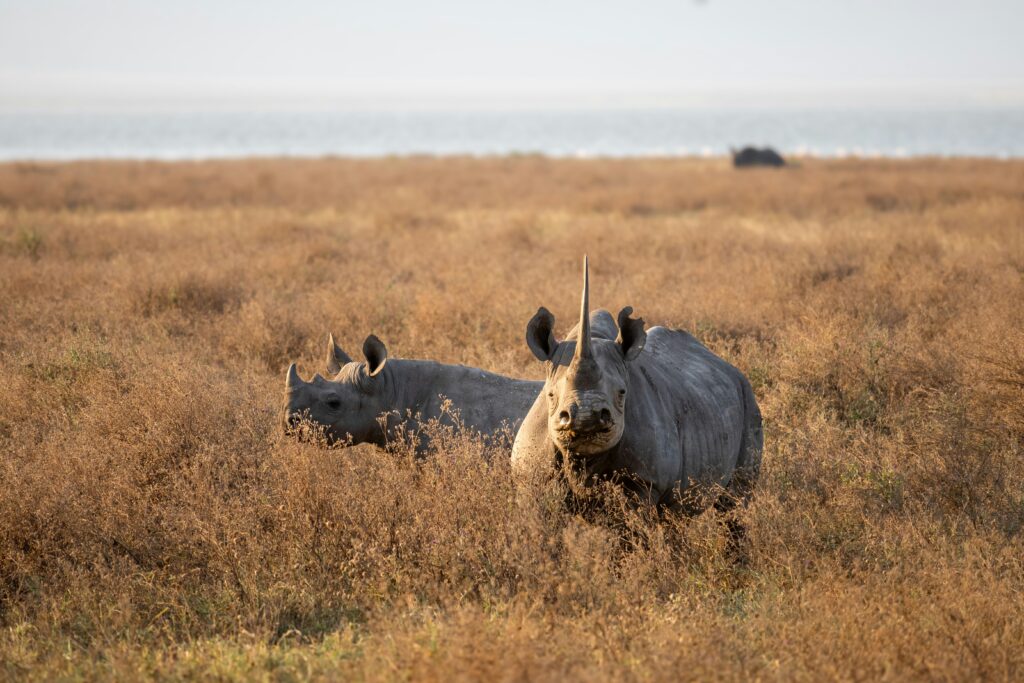
Anti-Poaching of Rhinos in Ngorongoro
Rhino conservation is one of the most important wildlife protection efforts in Tanzania. The Ngorongoro Conservation Area stands as one of the country’s most valuable strongholds for the endangered black rhinoceros. This remarkable conservation area attracts thousands of visitors every year who come to experience its rich wildlife, breathtaking landscapes, and unique natural heritage. Among the many species that call Ngorongoro home, the black rhino remains one of the rarest and most treasured animals. Protecting these magnificent creatures has become a top priority for the Tanzanian authorities, who continue to strengthen anti-poaching measures across the conservation area.
Anti-poaching of rhinos in Ngorongoro is more than a law enforcement activity. It is a long-term conservation strategy that aims to safeguard one of Africa’s most endangered mammals for future generations. The authorities work tirelessly to prevent illegal hunting, monitor rhino populations, and ensure that visitors can continue enjoying the opportunity to see these rare animals in their natural habitat. Their efforts have helped make Ngorongoro one of the best places in Tanzania to observe black rhinos in the wild.
Visitors who explore Ngorongoro during a Tanzania safari not only enjoy exceptional wildlife viewing but also witness how dedicated conservation efforts protect one of Africa’s greatest natural treasures. Rhino protection has become an inspiring example of how governments, conservation organisations, local communities, and tourism operators can work together to preserve wildlife.
The Importance of Black Rhinos in Ngorongoro
The black rhinoceros is one of the most iconic animals found in the Ngorongoro Conservation Area. Although visitors often come hoping to see the famous Big Five, spotting a black rhino creates an even more memorable experience because of its rarity. Unlike elephants, buffaloes, or zebras, black rhinos exist in much smaller numbers. Every individual animal plays an important role in maintaining a healthy ecosystem.
Black rhinos help shape vegetation as they browse on shrubs and small trees. Their feeding habits encourage new plant growth and create habitats that support many other wildlife species. Their presence also reflects the overall health of the conservation area. A stable rhino population often indicates effective wildlife management and successful conservation programmes.
For Tanzania, black rhinos represent both a conservation success story and an important tourism attraction. Wildlife enthusiasts travel from around the world hoping to see these endangered animals in their natural environment. This tourism creates employment opportunities for guides, lodge staff, drivers, conservation officers, and local communities. Revenue generated through tourism also supports conservation projects, making rhino protection beneficial for both wildlife and people.
Protecting black rhinos therefore goes beyond saving a single species. It strengthens biodiversity, supports sustainable tourism, and helps preserve one of Tanzania’s most valuable natural assets.
Why Rhinos Face the Threat of Poaching
Despite international conservation efforts, rhinos continue to face serious threats from illegal poaching. Criminal groups target rhinos because of the high demand for their horns in illegal wildlife markets. This demand has placed enormous pressure on rhino populations across Africa.
Poaching not only reduces the number of rhinos but also disrupts breeding programmes and threatens the long-term survival of the species. Since black rhinos reproduce slowly, every loss has a significant impact on population recovery. A female rhino usually gives birth to one calf after a long pregnancy, and the calf depends on its mother for several years before becoming independent.
Ngorongoro authorities understand these challenges and have made rhino protection one of their highest conservation priorities. They continue investing in advanced security measures, professional ranger training, and modern monitoring systems that improve the safety of every rhino living within the conservation area.
These efforts help ensure that future generations will continue seeing black rhinos roaming freely across the beautiful plains and forests of Ngorongoro.
Anti-Poaching Measures in Ngorongoro
The Tanzanian authorities have established comprehensive anti-poaching programmes to safeguard black rhinos within the Ngorongoro Conservation Area. Highly trained wildlife rangers conduct regular patrols throughout the conservation area. They monitor rhino movements, inspect vulnerable locations, and respond quickly to any suspicious activity.
The patrol teams cover large sections of the conservation area using specially designed vehicles while also carrying out foot patrols in difficult terrain. Their constant presence discourages illegal hunters and allows them to detect threats before they become serious.
Modern conservation also relies on technology. Rangers use communication equipment, GPS devices, surveillance systems, and other monitoring tools to improve their ability to protect wildlife. These technologies allow conservation teams to monitor rhino movements efficiently while coordinating rapid responses whenever necessary.
Authorities also maintain close cooperation with national wildlife agencies and conservation organisations. This partnership strengthens intelligence gathering, improves law enforcement, and supports long-term wildlife protection strategies throughout Tanzania.
The Role of Wildlife Rangers
Wildlife rangers remain at the heart of rhino conservation in Ngorongoro. Their daily responsibilities require dedication, courage, and extensive knowledge of wildlife behaviour. Rangers spend countless hours monitoring rhinos, tracking animal movements, and ensuring that protected areas remain secure.
Many patrols begin early in the morning and continue throughout the day. Rangers carefully observe wildlife activity while remaining alert for signs of illegal human presence. They inspect roads, water sources, and remote sections of the conservation area where poachers might attempt to enter.
In addition to protecting rhinos, rangers also assist injured animals, collect scientific information, support wildlife research, and educate visitors about conservation. Their work contributes significantly to the success of Tanzania’s wildlife management programmes.
Visitors rarely see the full extent of a ranger’s responsibilities, yet their commitment plays a vital role in ensuring that Ngorongoro remains one of Africa’s leading conservation destinations.
Community Participation in Rhino Conservation
Successful conservation depends not only on government agencies but also on the support of neighbouring communities. Local residents play an important role in protecting wildlife by cooperating with conservation authorities and promoting responsible use of natural resources.
Community education programmes help people understand the importance of protecting endangered species such as black rhinos. These initiatives encourage conservation awareness while highlighting the economic benefits generated through wildlife tourism.
Employment opportunities created by tourism also strengthen conservation efforts. Many local people work as guides, lodge staff, drivers, artisans, and conservation assistants. These jobs provide sustainable incomes while encouraging communities to support wildlife protection.
Strong partnerships between conservation authorities and local communities continue to strengthen anti-poaching efforts throughout the Ngorongoro Conservation Area.
Tourism Supports Rhino Protection
Tourism has become an important partner in rhino conservation. Every visitor who enters the Ngorongoro Conservation Area contributes to conservation through park entrance fees and tourism revenue. These funds support wildlife management, infrastructure development, scientific research, and anti-poaching operations.
Responsible tourism also increases public awareness about endangered species. Visitors leave Ngorongoro with a deeper appreciation of wildlife conservation and often become ambassadors for protecting endangered animals worldwide.
Safari guides educate guests about rhino conservation while encouraging responsible wildlife viewing practices. Visitors learn why protecting endangered species remains essential for maintaining healthy ecosystems and preserving Africa’s extraordinary biodiversity.
Why Rhino Conservation Matters for Future Generations
Protecting black rhinos ensures that future generations will continue experiencing one of Africa’s most extraordinary wildlife species. Every successful conservation effort strengthens biodiversity while preserving Tanzania’s natural heritage.
Rhinos contribute to balanced ecosystems and attract international visitors whose tourism supports conservation and local livelihoods. Their survival represents hope for endangered wildlife across Africa.
Continued investment in anti-poaching programmes, scientific research, ranger training, community partnerships, and responsible tourism will remain essential for securing the future of black rhinos in Ngorongoro.
Experience Rhino Conservation with Adira Safaris Africa
A visit to the Ngorongoro Conservation Area offers much more than exceptional wildlife viewing. It provides an opportunity to witness one of Tanzania’s most inspiring conservation achievements. Watching a black rhino grazing peacefully within the crater serves as a powerful reminder of the importance of protecting endangered wildlife.
At Adira Safaris Africa, we create unforgettable Tanzania safari experiences that combine wildlife viewing with conservation education. Our expertly guided safaris introduce travellers to the incredible beauty of Ngorongoro while highlighting the remarkable efforts that protect its rare black rhinos. By choosing to travel responsibly, you directly support conservation and help preserve these magnificent animals for generations to come.