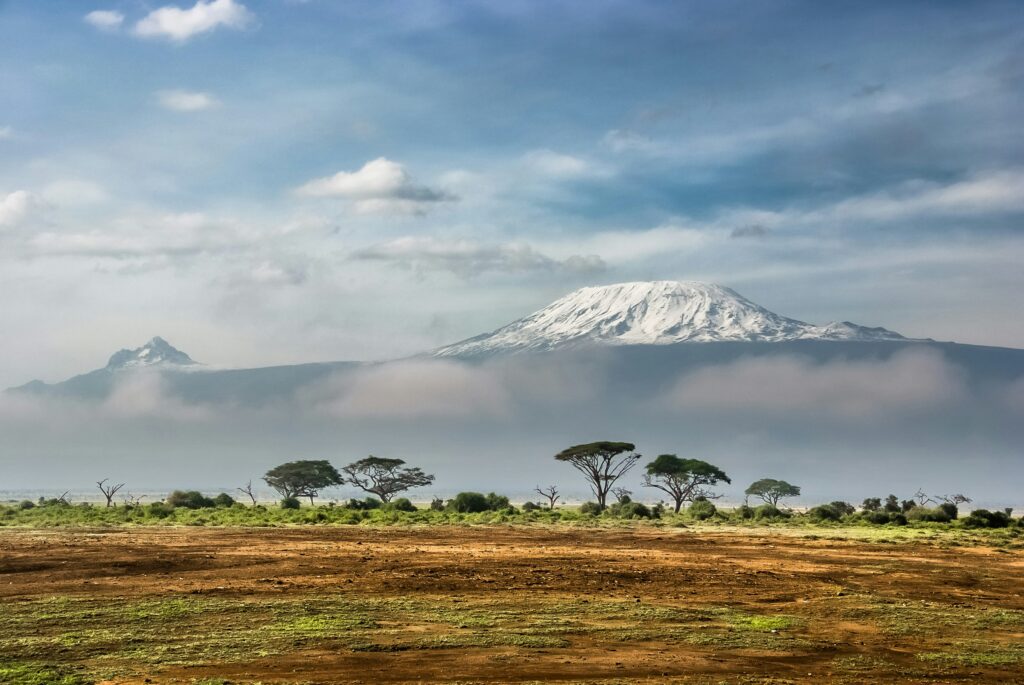

WILDLIFE AT THE BASE OF KILIMANJARO
July 28, 2026
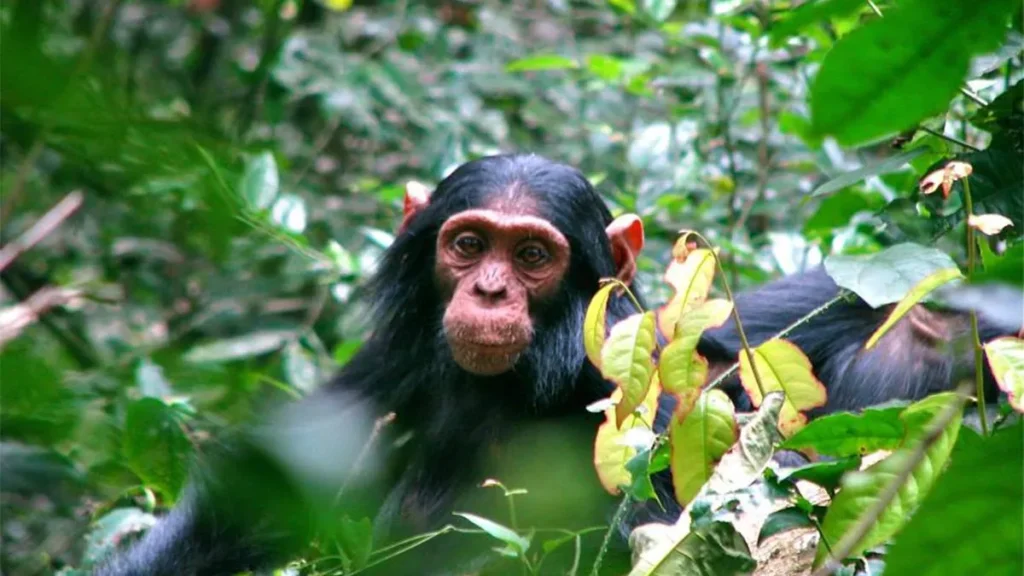
CHIMPANZEE TREKKING ON LAKE TANGANYIKA
July 28, 2026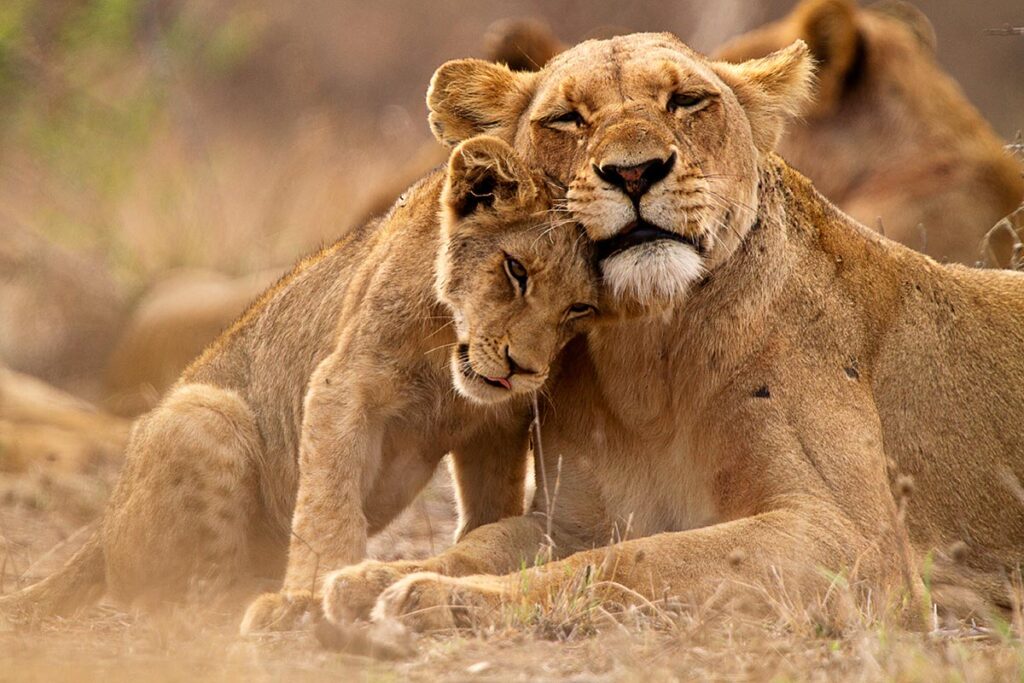
BIG LION PRIDES IN RUAHA NATIONAL PARK
The big lion prides in Ruaha National Park are among the most thrilling attractions that tourists can experience during a safari in Tanzania. Ruaha is famous for its wild landscapes, large elephant populations, diverse wildlife, and remarkable predator sightings. Among all these attractions, lions remain one of the most exciting animals to watch. Their strength, beauty, social behaviour, and hunting skills make every encounter memorable. For visitors who want to experience lions in a natural and less crowded environment, Ruaha offers an outstanding safari experience.
The large lion prides found in Ruaha are especially fascinating because lions are social animals. They live and move together in groups known as prides. A pride can include adult females, young cubs, and males. Each member has an important role within the group. The females often work together when hunting and caring for young ones. Males help protect the pride and its territory. Cubs learn important survival skills by watching and following adults. Watching these interactions gives tourists a deeper understanding of how lions survive in the African wilderness.
Ruaha’s remote setting adds to the excitement of seeing these magnificent predators. The park covers a vast area with open plains, woodland, rocky landscapes, river systems, and seasonal water sources. These habitats support many prey species, creating favourable conditions for lions. During a game drive, visitors may find a pride resting under a tree, moving across an open plain, or carefully watching a herd of potential prey. At other times, lions may become active during the cooler hours of the morning and evening.
For tourists planning a Tanzania safari, the big lion prides in Ruaha provide an opportunity to experience one of Africa’s most impressive predators in a natural setting. Adira Safaris Africa can help travellers explore this remarkable attraction while discovering the wider wildlife and landscapes of Ruaha National Park.
Why the Big Lion Prides Are a Major Attraction in Ruaha
The big lion prides in Ruaha National Park attract tourists because they provide more than a simple wildlife sighting. Lions are powerful predators, but they are also highly social animals. Their behaviour becomes particularly interesting when visitors encounter an entire pride rather than a single lion. Tourists can watch adults resting together, cubs playing, females moving as a group, or males keeping a close eye on their surroundings.
Seeing a large pride can also help visitors understand the social structure of lions. Each individual has a place within the group. Adult females often form the core of the pride. They may hunt together and cooperate when raising cubs. Young lions spend much of their early life learning from the adults. They play, practise stalking, and develop skills that they will eventually need as independent hunters. Adult males may protect the pride and defend the area against rival males.
The size and behaviour of a pride can change over time. Lions move in response to food availability, competition, water, and other environmental conditions. This natural movement makes every safari experience different. A pride that visitors see in one location may later move to another part of the park. This unpredictability creates excitement because tourists never know exactly what they will find during their next game drive.
Ruaha also provides a wild setting where visitors can appreciate the natural behaviour of lions. The park’s vast landscapes offer plenty of space for wildlife to move freely. Tourists can observe lions without expecting them to perform or behave in a particular way. They simply watch as the animals go about their daily lives.
This combination of social behaviour, powerful predators, beautiful scenery, and natural wildlife encounters makes the big lion prides one of the key attractions in Ruaha National Park.
Understanding the Social Life of Ruaha Lions
Lions are among the most social members of the cat family. Unlike many other large cats that spend much of their lives alone, lions form prides and cooperate in several aspects of survival. This social structure is one reason why watching a large lion pride in Ruaha can be such an exciting experience.
A pride commonly consists of related females, their young, and one or more adult males. Female lions often remain connected to the pride for long periods. They can work together when raising cubs and may cooperate during hunts. Their teamwork can increase their chances of bringing down prey, especially when they target larger animals.
Cubs provide some of the most entertaining moments during a lion sighting. Young lions are naturally playful. They chase one another, wrestle, climb over adults, and practise movements that later become useful hunting skills. Their games may look simple, but they help the cubs develop coordination, strength, confidence, and social awareness.
Adult males have a different role within the pride. They may protect the pride from rival males and other threats. Males can also move across the pride’s territory and communicate through roaring, scent marking, and other behaviours. A powerful male lion standing on a rocky outcrop or open plain can create an unforgettable safari sight.
Tourists who watch lions for a longer period may notice different behaviours that they would miss during a quick sighting. A pride may start by resting in the shade. Later, the lions may begin grooming one another, playing, calling, or moving towards water. Patient observation allows visitors to see the pride as a living social group rather than simply a collection of individual animals.
This social life is one of the reasons why the big lion prides of Ruaha remain such an important attraction for wildlife enthusiasts and photographers.
Lion Hunting and Predator Behaviour in Ruaha
One of the most thrilling experiences for tourists in Ruaha is observing lions displaying their natural hunting behaviour. Lions are powerful predators that rely on strength, teamwork, patience, and timing. Although visitors cannot predict when a hunt will happen, spending time in the park can provide opportunities to observe the stages leading up to a hunt.
Lion hunting often involves careful observation of potential prey. Lions may remain still while watching nearby herds. They can move slowly through grass or use bushes and other vegetation as cover. The pride may spread out to improve its chances of approaching prey without being noticed. When the opportunity appears, the lions can move quickly.
Female lions often play a major role in coordinated hunts. Working together allows several individuals to approach prey from different directions. Their teamwork can be particularly important when targeting larger animals. However, hunting requires considerable energy, and lions do not succeed every time. Many hunts end without a successful kill.
This is an important part of wildlife viewing. Tourists should understand that nature does not always follow a planned schedule. A safari guide may identify signs that lions are preparing to hunt, but the final outcome remains unpredictable. This uncertainty makes every sighting exciting.
If a pride makes a successful kill, visitors may observe the lions feeding and protecting their food from competitors. Other predators and scavengers may attempt to approach the carcass. Lions may defend their meal aggressively. Such scenes demonstrate the complex relationships that exist within the African ecosystem.
Visitors should always allow guides to maintain a safe distance from the animals. Lions may look calm while resting, but they remain powerful wild predators. Responsible viewing protects both tourists and wildlife.
The Importance of Prey Species to the Big Lion Prides
The presence of large lion prides in Ruaha depends heavily on the availability of prey. Lions need a reliable food supply to survive, reproduce, and raise cubs. Ruaha’s diverse wildlife provides important prey for these powerful predators. The park’s herbivores feed on vegetation, while lions and other carnivores depend on these herbivores for food.
During a game drive, tourists may see animals such as impalas, zebras, giraffes, buffaloes, and other herbivores. These animals form an important part of the wider food chain. Their presence supports predators such as lions, leopards, wild dogs, and other carnivores.
Water availability also influences the movement of prey and predators. During dry periods, many animals concentrate around remaining water sources. This can increase opportunities for wildlife viewing. Lions may remain near areas where prey frequently passes. Tourists can therefore experience interesting predator-prey interactions around waterholes, rivers, and other productive habitats.
The relationship between lions and prey demonstrates why conservation requires protecting entire ecosystems rather than focusing on one animal alone. Protecting lions without protecting their habitat and prey would not provide a long-term solution. Healthy grasslands, woodlands, rivers, and prey populations all contribute to the survival of the pride.
This ecological connection makes a lion safari in Ruaha educational as well as exciting. Tourists can see how different species depend on one another. They can understand why every animal, from a small herbivore to a large predator, plays a role in maintaining the natural balance.
For visitors, this wider perspective can make a lion sighting more meaningful. A pride resting under a tree represents only one part of a much larger ecosystem that continues to function around it.
The Best Way to Experience Big Lion Prides in Ruaha
Game drives provide one of the best ways to search for the big lion prides in Ruaha National Park. Experienced guides understand wildlife behaviour and know how to read signs in the environment. They can look for tracks, animal movements, alarm calls, and other clues that may indicate the presence of predators.
Early morning game drives can be particularly rewarding. The temperatures are generally cooler, and many animals become active after the night. Lions may still be moving around before settling down to rest. The soft morning light can also create excellent conditions for wildlife photography.
Evening game drives offer another exciting opportunity. As temperatures begin to fall, lions may become more active. Visitors may see them moving through the grasslands, communicating with one another, or preparing to hunt. The changing light can also make the landscape look dramatically different.
The timing of wildlife sightings always depends on natural conditions. There is no guarantee that tourists will find a pride in a specific location. This uncertainty forms part of the adventure. Guides may need to search different areas and follow fresh tracks before locating the animals.
Visitors should bring patience and an open mind. A safari is not only about ticking animals off a list. It is about observing wildlife behaviour and enjoying the entire natural environment. Even when lions remain hidden, tourists can encounter elephants, giraffes, antelopes, birds, and many other species.
With an experienced safari operator such as Adira Safaris Africa, travellers can enjoy well-planned game drives designed to maximise opportunities for wildlife encounters while respecting the natural environment.
Photography of the Big Lion Prides in Ruaha
The big lion prides of Ruaha offer outstanding opportunities for wildlife photography. Lions have strong physical features that make them excellent subjects. Their eyes, whiskers, muscular bodies, expressive faces, and distinctive manes can create powerful images. When an entire pride appears in the open, photographers can capture both individual portraits and group scenes.
The landscape adds another important element. Ruaha’s open plains, woodland, rocky areas, and trees can create natural backgrounds for lion photographs. A lion resting beneath an acacia tree can produce a classic African wildlife image. A pride walking across an open plain can also create a memorable scene.
Photographers should remain patient. Lions often spend long periods resting. While this may initially seem uneventful, their behaviour can change quickly. A sleeping lion may suddenly lift its head after hearing a sound. Cubs may begin playing. Adults may groom each other or stand up and move away. These small changes can produce excellent photographic opportunities.
Visitors should also avoid using photography as a reason to disturb wildlife. Guides should maintain a respectful distance and avoid blocking animals or surrounding them with vehicles. Responsible photography allows tourists to capture beautiful images while protecting the natural behaviour of the pride.
For amateur photographers, the experience can also become a valuable learning opportunity. Guides can help visitors understand animal behaviour and suggest suitable positions for observation. The goal should always be to capture natural moments rather than force an interaction.
A photograph of a Ruaha lion pride can become more than a holiday picture. It can preserve the memory of an unforgettable encounter with one of Africa’s most iconic predators.
Big Lion Prides and Conservation in Ruaha
Protecting the big lion prides of Ruaha requires long-term conservation efforts. Lions need large areas where they can hunt, reproduce, raise cubs, and move naturally. They also need healthy prey populations and functioning ecosystems. Conservation therefore involves protecting both lions and the wider environment.
Ruaha’s importance as a wildlife destination creates opportunities for conservation through responsible tourism. Tourists who visit the park contribute to the wider tourism economy. Safari guides, accommodation providers, local communities, transport operators, and other businesses can benefit from tourism activities. This economic value can strengthen support for protecting wildlife and natural habitats.
Visitors also have an important role. They should follow park rules and listen to their guides. They should never attempt to approach lions on foot without professional guidance. They should avoid feeding animals and should never throw rubbish into the park.
Responsible tourism helps reduce negative impacts on wildlife. Safari vehicles should keep appropriate distances from animals and avoid creating unnecessary pressure during important behaviours such as feeding or resting. When tourists respect these guidelines, they can enjoy excellent sightings while helping protect the animals they came to see.
Conservation also depends on education. When visitors learn about lions, they develop a better understanding of the challenges these predators face. They can appreciate the importance of protecting habitats, prey populations, and natural ecological processes.
The survival of Ruaha’s lion prides depends on the continued protection of the entire ecosystem. By supporting responsible tourism, visitors can contribute to the long-term future of one of Tanzania’s most impressive wildlife attractions.
Why Visit Ruaha National Park for Big Lion Prides?
Ruaha offers a special setting for tourists who want to experience lions in a wild and beautiful environment. The park’s remote character, diverse habitats, and rich wildlife create a strong sense of adventure. Visitors can spend hours exploring the landscape in search of large prides and other animals.
One of the major advantages of a Ruaha safari is the opportunity to combine lion viewing with other wildlife experiences. A single game drive may reveal elephants, giraffes, buffaloes, antelopes, birds, and predators. The experience constantly changes as the vehicle moves through different habitats.
The landscape itself adds to the attraction. Ruaha does not simply provide a backdrop for wildlife. Its rivers, woodland, plains, rocky features, and seasonal water sources form an important part of the safari experience. The scenery can be as memorable as the animals.
The big lion prides also provide opportunities to observe behaviour rather than simply identify a species. Tourists can watch mothers caring for cubs, young lions playing, adults grooming one another, and pride members moving together. These moments help visitors appreciate lions as complex social animals.
Ruaha is therefore an excellent choice for travellers who want a genuine wildlife experience. It offers the opportunity to slow down, explore, observe, and appreciate nature. For photographers, families, couples, and serious wildlife enthusiasts, the big lion prides can become one of the highlights of a Tanzania safari.
Plan Your Big Lion Pride Safari with Adira Safaris Africa
A safari to see the big lion prides in Ruaha National Park can become one of the most memorable experiences in Tanzania. The excitement begins with the search. Visitors travel through beautiful landscapes, watch wildlife, and follow clues that may lead to a pride. When the lions finally appear, the experience becomes even more rewarding.
Adira Safaris Africa helps travellers explore Tanzania through carefully planned safari experiences. We understand the importance of good timing, knowledgeable guides, comfortable travel, and responsible wildlife viewing. Our aim is to help visitors enjoy the best possible experience while respecting the environment and the animals.
A Ruaha safari can also form part of a longer Tanzania itinerary. Travellers can combine their visit to Ruaha with other destinations and experiences depending on their interests and available time. However, the big lion prides remain one of the attractions that can make Ruaha stand out for wildlife lovers.
When you visit Ruaha, take time to appreciate the whole experience. Listen to the sounds of the wilderness. Watch how the pride interacts. Observe the surrounding prey species. Enjoy the changing landscape. Take photographs responsibly. Most importantly, allow nature to unfold at its own pace.
The big lion prides of Ruaha represent the strength, beauty, and wild character of Tanzania. They offer tourists a chance to witness one of Africa’s most famous predators living naturally within its ecosystem. With Adira Safaris Africa, travellers can discover this remarkable attraction and create lasting memories in the heart of Tanzania’s wilderness.
Conclusion
The big lion prides in Ruaha National Park are a major tourist attraction and one of the most exciting wildlife experiences that Tanzania has to offer. The sight of several lions living and moving together provides a unique opportunity to observe the social life of one of Africa’s most powerful predators.
From adult females working together to raise cubs to young lions playing and learning important survival skills, every pride can offer a different story. Adult males add another important part of the social structure as they help protect their territory and pride. These behaviours make lion viewing more meaningful than simply seeing an animal from a safari vehicle.
Ruaha’s natural environment also plays an important role in supporting these large prides. The park’s diverse habitats provide food, water, shelter, and space for wildlife. The presence of prey species helps sustain lions and other predators, while the wider ecosystem maintains the natural balance that makes Ruaha such an important wildlife destination.
For tourists, the experience can be both thrilling and educational. A game drive may lead to a pride resting under a tree, walking across an open plain, caring for cubs, or preparing for a hunt. Every sighting is different, and this unpredictability adds to the excitement.
A visit to Ruaha is therefore an opportunity to experience wildlife in a natural and remarkable setting. The big lion prides provide unforgettable encounters for photographers, families, couples, and wildlife enthusiasts.
Adira Safaris Africa invites you to explore Ruaha National Park and discover its magnificent lion prides. Experience the power, beauty, and social life of these iconic African predators while enjoying the spectacular landscapes that make Ruaha one of Tanzania’s outstanding safari destinations.