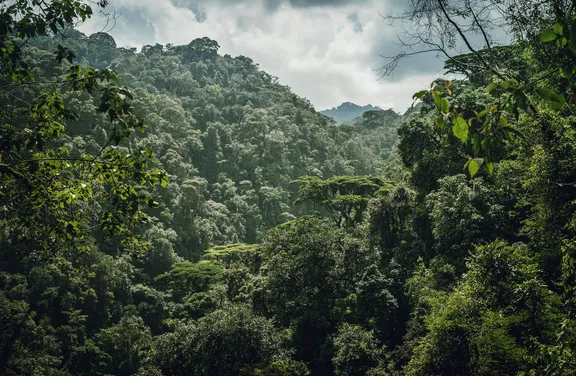

GROUNDWATER FOREST IN LAKE MANYARA NATIONAL PARK
July 27, 2026
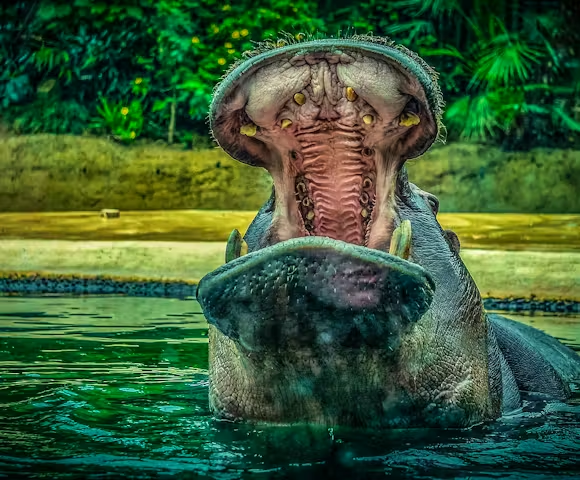
RIVER HIPPOS IN NYERERE NATIONAL PARK
July 27, 2026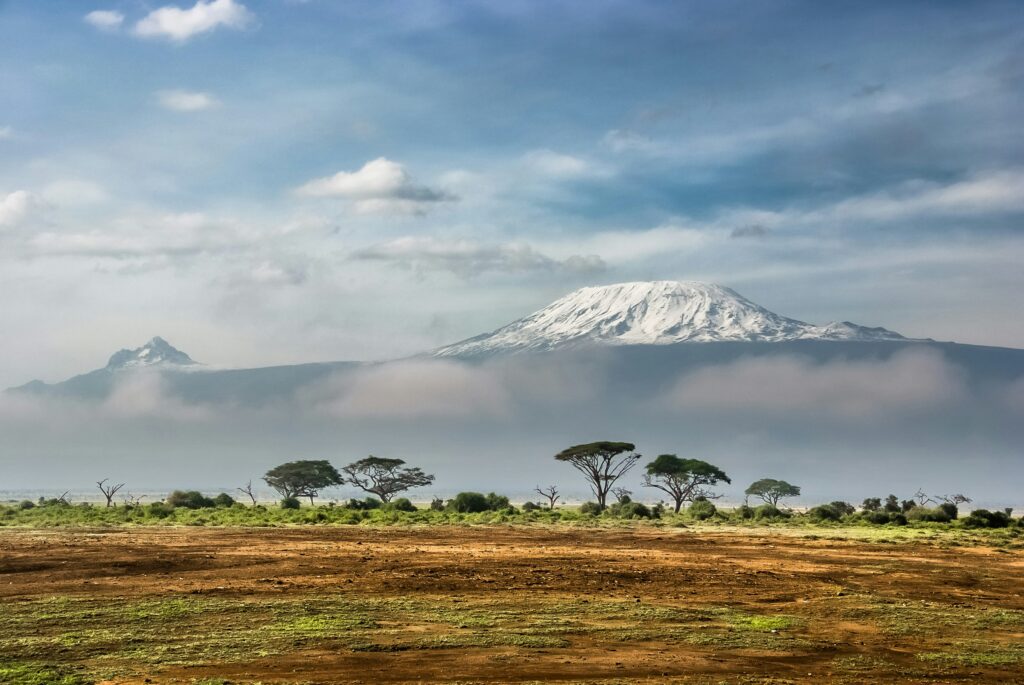
HIGHEST PEAK MOUNTAIN TREKKING IN KILIMANJARO NATIONAL PARK
Highest peak mountain trekking in Kilimanjaro National Park is one of the most thrilling tourist attractions and adventures in Tanzania. Mount Kilimanjaro is one of the most famous mountains in Africa. It attracts travellers from different parts of the world who want to experience the challenge of climbing a great African mountain. Standing at about 5,895 metres above sea level, Mount Kilimanjaro offers an extraordinary trekking experience. The mountain rises above the surrounding landscape and provides spectacular views as trekkers move through different natural environments towards the summit. For many travellers, reaching the highest point becomes one of the most memorable achievements of their African adventure.
Mount Kilimanjaro is special because trekkers can experience several ecological zones during one mountain climb. The journey begins in lower areas with vegetation and forest. As trekkers gain altitude, the surroundings gradually change. The forest gives way to open moorland, alpine landscapes, rocky terrain, and finally the high-altitude summit area. Each stage offers a different environment, making the trek feel like a journey through several worlds.
The highest peak, known as Uhuru Peak, represents the ultimate goal for most trekkers. Reaching this point requires determination, preparation, patience, and proper guidance. The climb can challenge both the body and mind, especially as the altitude increases. However, the sense of achievement that comes with reaching the summit makes the effort worthwhile for many visitors.
Highest peak mountain trekking in Kilimanjaro National Park is therefore more than a simple hiking activity. It combines adventure, physical challenge, natural beauty, scenic views, and personal achievement. With proper preparation and a well-organised itinerary, travellers can enjoy one of Tanzania’s most iconic mountain experiences.
Mount Kilimanjaro and Its Highest Peak
Mount Kilimanjaro is the highest mountain in Africa, and its highest point is Uhuru Peak. The summit reaches approximately 5,895 metres above sea level. This makes Kilimanjaro a major attraction for travellers who want to experience high-altitude mountain trekking without needing advanced technical climbing skills on the standard trekking routes.
The mountain consists of three volcanic cones known as Kibo, Mawenzi, and Shira. Kibo is the highest of the three and contains Uhuru Peak. Mawenzi provides a dramatic rocky landscape, while Shira forms part of the mountain’s broader high-altitude environment. These features contribute to the impressive scenery that trekkers experience during their journey.
Uhuru Peak stands on the crater rim of Kibo. Reaching the summit provides trekkers with a strong feeling of achievement. The final stage of the climb often becomes the most demanding because of the high altitude, cold temperatures, and limited oxygen. Trekkers need to move slowly and follow the advice of their mountain guides.
The mountain’s height also creates dramatic changes in scenery. At the lower levels, vegetation can appear thick and green. Higher areas become more open and exposed. Near the summit, the environment becomes much colder and more rugged. The contrast between these zones makes Kilimanjaro trekking particularly fascinating.
The summit experience can also provide incredible views when weather conditions remain clear. Trekkers may see distant landscapes, clouds below the mountain, glaciers, and the surrounding Tanzanian countryside. Standing at Uhuru Peak after days of trekking can become a powerful travel memory.
For travellers searching for an exciting adventure in Tanzania, reaching the highest peak of Mount Kilimanjaro provides an opportunity to test endurance while experiencing one of Africa’s most famous natural landmarks.
Why Highest Peak Mountain Trekking Is a Thrilling Adventure
Highest peak mountain trekking in Kilimanjaro National Park attracts adventurous travellers because it combines physical challenge with spectacular natural scenery. Unlike a normal sightseeing activity, a mountain trek requires active participation. Visitors must walk for several days, adapt to changing conditions, manage their energy, and continue towards the summit.
The challenge becomes greater as trekkers gain altitude. The air becomes thinner, temperatures become colder, and the terrain changes. Trekkers need to maintain a steady pace and avoid rushing. The principle of moving slowly becomes particularly important at high altitude because it gives the body more time to adjust.
The journey also creates a strong sense of anticipation. Each day brings trekkers closer to the summit. Camp locations change, landscapes change, and the temperature changes. The mountain appears different at different times of the day. Early morning light can create beautiful views, while clouds may move across the slopes later in the day.
The final summit attempt often provides the greatest challenge. Trekkers usually begin the summit climb during the night or very early morning. The darkness, cold temperatures, steep terrain, and altitude make this section demanding. However, reaching the summit around sunrise can create an unforgettable moment.
When the first light appears over the horizon, trekkers can see the surrounding landscape from a great height. The sense of accomplishment can become even stronger because visitors know how much effort they have invested in reaching that point.
This combination of challenge and reward makes Kilimanjaro mountain trekking one of the most thrilling tourist attractions in the park.
Trekking Through Different Vegetation Zones
One of the most fascinating parts of trekking Mount Kilimanjaro is the opportunity to pass through different ecological zones. The mountain’s changing altitude creates distinct environments, each with its own vegetation and appearance.
The lower slopes contain cultivated areas and settlements before trekkers enter the natural forest zone. The rainforest provides a green and refreshing beginning to the trek. Tall trees, dense vegetation, birds, and other forest life create a completely different atmosphere from the open summit areas.
As trekkers climb higher, the forest gradually becomes less dense. The landscape changes into a moorland zone with grasses, shrubs, giant plants, and open views. This transition allows trekkers to observe how vegetation responds to changes in altitude, temperature, and rainfall.
Further upward, the environment becomes more alpine. Trees become scarce, and the landscape becomes increasingly rocky and exposed. The air becomes colder, and trekkers begin to notice the effects of altitude more clearly.
The final zone consists of the high-altitude desert and summit environment. Vegetation becomes extremely limited because of the cold and harsh conditions. Rocks, ice, snow, and volcanic landscapes dominate the scenery.
The changes between these zones make Kilimanjaro trekking particularly rewarding. Trekkers do not simply walk through one landscape for several days. They experience a remarkable transformation from tropical forest to high-altitude mountain terrain.
This diversity also creates excellent opportunities for photography. Visitors can capture green forests, open moorlands, volcanic rocks, dramatic mountain slopes, and summit scenery during one trek.
The Journey Towards Uhuru Peak
For many visitors, the main goal of highest peak mountain trekking in Kilimanjaro National Park is reaching Uhuru Peak. The summit represents the highest point on Mount Kilimanjaro and the highest point in Africa.
The journey towards Uhuru Peak requires careful preparation. Trekkers must follow their guides and maintain a manageable pace. The body needs time to adjust to the increasing altitude. Rest, hydration, proper nutrition, and steady movement all contribute to a successful climb.
As trekkers approach the summit zone, the landscape becomes increasingly harsh. Temperatures drop, vegetation disappears, and the terrain becomes more rugged. The final ascent can therefore test a trekker’s endurance and determination.
Many trekkers begin their summit attempt during the night. Starting early allows them to reach the summit around sunrise when conditions may provide beautiful views. Walking through the darkness can create a special atmosphere. Headlamps illuminate the trail while the surrounding mountain remains quiet.
As the sky begins to brighten, trekkers may see the horizon changing colour. The arrival of sunrise can provide a powerful emotional moment. After hours of climbing, reaching Uhuru Peak can feel like a major personal achievement.
Trekkers often take photographs at the summit to remember the experience. However, the most important part remains the achievement itself. Standing at the highest point and knowing that you have completed the climb creates a memory that can last for many years.
Scenic Views During Kilimanjaro Trekking
The scenic views are among the main attractions of highest peak mountain trekking in Kilimanjaro National Park. As trekkers climb higher, they gain increasingly wider views of the surrounding landscapes.
From the mountain slopes, trekkers can look across the Tanzanian countryside. The lower areas may appear green and distant, while clouds sometimes form beneath the higher sections of the mountain. This can create the impression of walking above the clouds.
The changing weather also adds variety to the views. Clouds may move across the mountain during the day. Clear periods can reveal distant landscapes and surrounding peaks. The mountain can therefore look different from one hour to another.
The summit area provides another perspective. At Uhuru Peak, trekkers can see the dramatic high-altitude landscape surrounding the crater. Depending on conditions, ice and snow can add to the beauty of the summit environment.
Sunrise and sunset can create particularly attractive views. Early morning light can illuminate the mountain slopes, while evening light creates shadows across the terrain.
Trekkers should remember that mountain weather can change quickly. Clear skies do not always remain clear. Clouds, wind, rain, and cold temperatures can appear unexpectedly. This unpredictability forms part of the mountain adventure.
The views also remind visitors of the scale of Kilimanjaro. From higher elevations, the surrounding landscape appears increasingly distant. This gives trekkers a stronger appreciation of the mountain’s height and natural beauty.
Physical Preparation for the Kilimanjaro Trek
Proper preparation can make a major difference during a Kilimanjaro trek. Although many travellers with reasonable fitness can attempt the mountain, the climb remains physically demanding. Trekkers should prepare their bodies before arriving in Tanzania.
Walking regularly before the trek can help improve endurance. Long walks, hiking, stair climbing, and other cardiovascular exercises can help prepare the body for several days of continuous movement.
Strength training can also help. Exercises that strengthen the legs, core, and back can support the body during long hiking days. However, trekkers should also avoid exhausting themselves before the journey. Preparation should build fitness gradually.
Mental preparation matters as well. The mountain can become challenging when fatigue, cold, or altitude affects the body. Trekkers need patience and determination. Maintaining a positive attitude can help during difficult sections.
Trekkers should also pack suitable clothing and equipment. Comfortable hiking boots, warm layers, rain protection, gloves, hats, and appropriate sleeping equipment can make the journey more comfortable. A good daypack should contain essential items without becoming unnecessarily heavy.
Hydration also plays an important role. Trekkers should drink enough water throughout the journey and follow the guidance of their mountain crew.
Preparation does not guarantee reaching the summit, but it can improve a trekker’s ability to manage the challenges. A well-planned climb also allows visitors to enjoy the landscapes and experience rather than focusing entirely on physical discomfort.
The Role of Mountain Guides and Support Crew
Mountain guides play an important role in highest peak mountain trekking in Kilimanjaro National Park. Their knowledge and experience help trekkers navigate the mountain and manage the different stages of the journey.
A professional guide understands the terrain and can explain what trekkers should expect as they gain altitude. Guides also monitor the pace of the group and encourage trekkers to move steadily.
The support crew can also contribute greatly to the experience. Depending on the trekking package, porters may carry equipment and supplies, allowing trekkers to focus more on walking. Cooks may prepare meals during the journey, while other crew members help maintain the campsite.
The mountain team can also help trekkers recognise signs that they need to slow down or rest. Altitude affects people differently, so visitors should communicate openly with their guides if they feel unwell or uncomfortable.
Respect for the mountain crew remains important. Trekkers should choose responsible operators that treat guides and porters fairly and follow ethical trekking practices.
Working with a knowledgeable team allows visitors to focus on the adventure while receiving professional support throughout the climb.
Best Time for Highest Peak Mountain Trekking
Choosing the right time for a Kilimanjaro trek can improve the overall experience. The mountain remains accessible during different periods of the year, but weather conditions can influence trail conditions, visibility, and comfort.
Many trekkers prefer periods that generally offer drier conditions. Drier weather can make trails easier to manage and may provide better opportunities for clear views. However, mountain weather can change quickly, and no season guarantees perfect conditions.
Travellers should consider their own schedules, fitness, and preferred trekking experience when selecting travel dates. Those who prefer less crowded trails may consider quieter periods, while those who prioritise favourable weather may select a commonly recommended trekking season.
The choice of route also matters. Different Kilimanjaro routes offer different landscapes, durations, difficulty levels, and scenery. A professional safari company can help travellers select a route that matches their experience and goals.
Regardless of the season, trekkers should prepare for cold conditions at higher elevations. Warm clothing and proper equipment remain important even when temperatures are comfortable at the mountain’s lower slopes.
Photography During Mountain Trekking
Kilimanjaro provides excellent opportunities for mountain photography. The changing landscapes allow trekkers to capture a wide range of images throughout the journey.
The rainforest provides opportunities for photographing tall trees, vegetation, birds, and forest trails. Higher sections offer open landscapes, unusual plants, volcanic rocks, and wide views. Near the summit, the environment becomes more dramatic and rugged.
Sunrise at the summit can provide one of the most memorable photography opportunities of the entire trek. The changing light can transform the mountain landscape and surrounding horizon.
Trekkers should protect their cameras and phones from moisture, dust, and cold. Batteries can also lose power more quickly in cold conditions. Carrying spare batteries and keeping equipment protected can help visitors capture important moments.
However, photography should not become a distraction from the trek. Trekkers should remain aware of the trail, listen to their guides, and maintain their safety while taking photographs.
The best photographs often come naturally during the journey. A photograph of a trekker walking through the forest, clouds moving around the mountain, or sunlight reaching the summit can tell the story of the entire adventure.
The Sense of Achievement at the Summit
Reaching Uhuru Peak can create an extraordinary sense of achievement. Trekkers often spend several days walking towards the summit. Each day brings new challenges, and the final ascent can test physical and mental endurance.
The moment of reaching the summit represents the completion of a personal goal. Some travellers climb Kilimanjaro to challenge themselves, while others want to experience the highest mountain in Africa. Whatever the motivation, reaching the summit can create a strong sense of satisfaction.
The achievement also comes from the journey itself. Trekkers experience changing landscapes, long walking days, cold conditions, high altitude, and moments of fatigue. Every stage contributes to the final accomplishment.
The summit can therefore become more than a geographical point. It can represent perseverance and determination. Many travellers return home with a greater appreciation for their own ability to overcome challenges.
Even trekkers who do not reach the highest point can still experience a meaningful mountain adventure. The mountain demands respect, and safety should always come before reaching a particular point. Experienced guides can help visitors make appropriate decisions based on their condition and the mountain environment.
Why Trek Mount Kilimanjaro with Adira Safaris Africa?
At Adira Safaris Africa, we understand the importance of good planning when organising a Mount Kilimanjaro trekking adventure. Reaching the highest peak requires more than simply arriving at the mountain. It requires a carefully organised itinerary, appropriate preparation, experienced mountain support, and attention to the needs of every trekker.
We help travellers plan their Kilimanjaro adventure according to their preferred route, available time, fitness level, and travel goals. Our aim is to make the experience organised and enjoyable while allowing visitors to focus on the incredible mountain environment.
We also understand that every trekker has different expectations. Some travellers want to reach Uhuru Peak as quickly as possible, while others prefer a longer itinerary that allows more time for acclimatisation and enjoying the scenery. A suitable itinerary can make the journey more manageable and enjoyable.
From the lower slopes to the highest point, Kilimanjaro offers a changing landscape and a remarkable sense of adventure. Adira Safaris Africa can help visitors experience these different stages while preparing properly for the challenges of high-altitude trekking.
For travellers searching for a thrilling tourist attraction in Tanzania, the opportunity to trek to the highest peak of Mount Kilimanjaro provides an unforgettable adventure. It combines physical challenge, natural beauty, scenic views, and personal achievement in one remarkable journey.
Conclusion
Highest peak mountain trekking in Kilimanjaro National Park is one of the most thrilling tourist attractions in Tanzania. The journey to Uhuru Peak provides travellers with an opportunity to challenge themselves while exploring the remarkable landscapes of Mount Kilimanjaro.
The adventure begins in the lower mountain areas and continues through several ecological zones. Trekkers experience forests, moorlands, alpine landscapes, rocky terrain, and the high-altitude summit environment. Every stage brings new scenery and new challenges.
Reaching Uhuru Peak at approximately 5,895 metres above sea level creates a powerful sense of achievement. The final ascent can demand patience, determination, and physical endurance. However, the experience of standing at the highest point in Africa can make the effort worthwhile.
The mountain also provides beautiful views throughout the journey. Trekkers may see forests below, clouds surrounding the mountain, distant landscapes, volcanic terrain, and summit scenery. These views make the trek rewarding even beyond the challenge of reaching the top.
Proper preparation remains essential. Travellers should train before the climb, carry suitable equipment, follow their guide’s instructions, maintain a steady pace, and allow enough time for acclimatisation. Safety should always remain the priority throughout the trek.
For travellers who want an unforgettable African adventure, highest peak mountain trekking in Kilimanjaro National Park offers an experience filled with challenge, beauty, excitement, and achievement. With Adira Safaris Africa, visitors can plan a well-organised Kilimanjaro trekking adventure and experience the remarkable journey towards the roof of Africa.