
Arusha National Park
July 23, 2026
Katavi National Park
July 23, 2026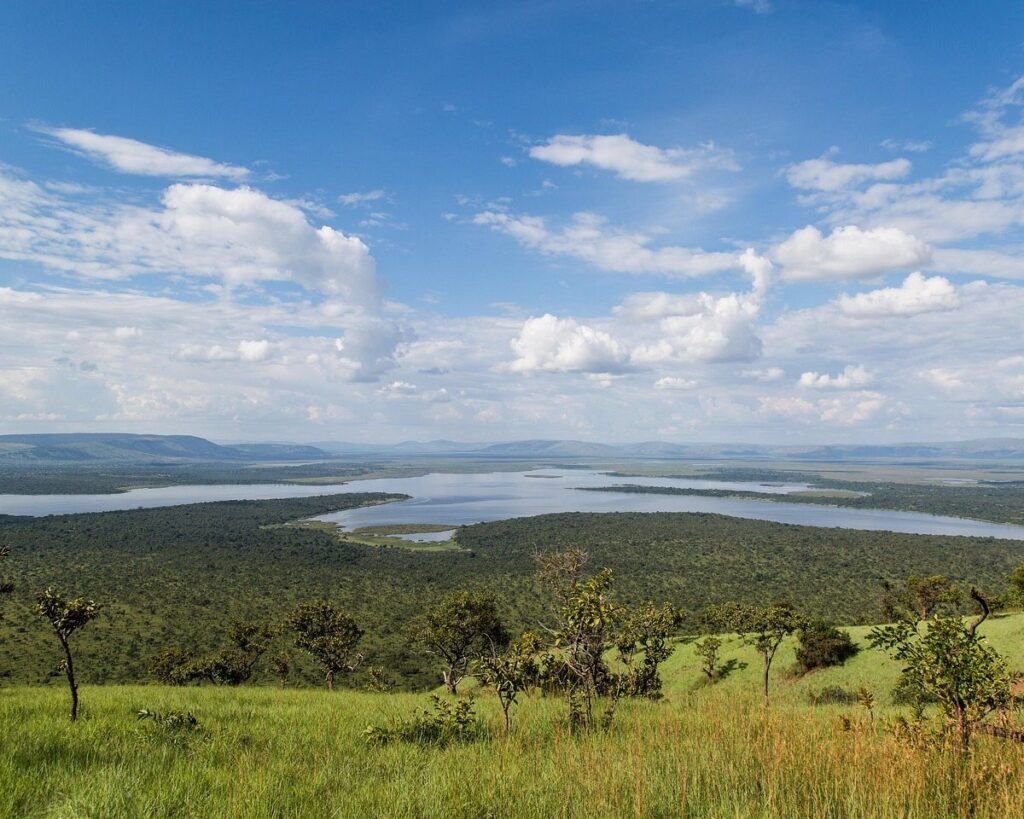
Tarangire Swamp
Tarangire Swamp is one of the most remarkable tourist destinations in Tanzania. It lies within the famous Tarangire National Park in northern Tanzania. The swamp forms the heart of the park’s ecosystem and serves as a lifeline for countless wildlife species throughout the year. While many visitors know Tarangire National Park for its giant baobab trees and large elephant herds, the Tarangire Swamp stands out as one of its greatest natural treasures. It attracts thousands of animals, especially during the dry season, when water becomes scarce across the surrounding landscapes.
The swamp stretches over a vast area and remains green for most of the year. It receives water from the Tarangire River, underground springs, and seasonal rainfall. Even during the harshest months, parts of the swamp continue to hold water, making it one of the few reliable sources of freshwater in the region. This constant supply supports an incredible variety of wildlife, birds, insects, reptiles, and aquatic plants. The lush vegetation also creates a sharp contrast with the dry grasslands that surround it, producing beautiful scenery that captivates visitors.
For many safari travelers, Tarangire Swamp offers unforgettable wildlife viewing experiences. Animals gather in large numbers to drink, feed, cool off, and rest. Predators also visit the swamp because it attracts their prey. This natural cycle creates excellent opportunities for photographers, nature lovers, and wildlife enthusiasts. Every visit reveals something unique, whether it is elephants splashing in the mud, zebras grazing nearby, or colorful birds flying over the wetlands.
Adira Safaris Africa recommends Tarangire Swamp as one of the best places in Tanzania for anyone who wants to experience rich biodiversity, breathtaking landscapes, and authentic African wildlife in its natural habitat.
Location of Tarangire Swamp
Tarangire Swamp lies within Tarangire National Park in the Manyara Region of northern Tanzania. The park is located approximately 120 kilometers southwest of Arusha City, making it one of the most accessible safari destinations in Tanzania’s famous Northern Safari Circuit. The drive from Arusha takes about two to three hours, depending on road conditions and the number of sightseeing stops along the way.
The swamp occupies the central and southern sections of the park, where it connects closely with the Tarangire River. This river acts as the park’s primary water source and flows through the landscape before feeding the extensive wetlands. During the rainy season, the swamp expands considerably as seasonal streams and rainfall increase the water levels. During the dry season, much of the surrounding land dries out, but the swamp continues to provide water and fresh vegetation.
Its location makes it one of the most important ecological areas within Tarangire National Park. Wildlife from different parts of the ecosystem migrates toward the swamp in search of water and food. This seasonal movement creates one of Tanzania’s most spectacular wildlife gatherings. The surrounding plains, woodlands, and riverbanks all contribute to the swamp’s rich biodiversity, making it one of the park’s most productive habitats.
The Ecological Importance of Tarangire Swamp
Tarangire Swamp plays a vital role in maintaining the health of the entire Tarangire ecosystem. It serves as a permanent water source that supports wildlife throughout the year. During the long dry season, many rivers, ponds, and seasonal streams disappear. However, the swamp continues to provide water that keeps thousands of animals alive. Without this wetland, much of the park’s wildlife would struggle to survive during periods of drought.
The swamp also supports rich plant life that serves as food for herbivores. Tall grasses, reeds, sedges, aquatic plants, and lush vegetation flourish around the wetlands. These plants provide grazing areas for elephants, buffaloes, zebras, wildebeests, antelopes, and many smaller mammals. Healthy vegetation also prevents soil erosion, improves water quality, and creates breeding habitats for birds, fish, amphibians, and insects.
Another important ecological function of Tarangire Swamp involves maintaining biodiversity. Different animal species depend on different parts of the wetland. Some feed on aquatic plants, while others hunt fish or insects. Predators such as lions, leopards, cheetahs, and hyenas often patrol the swamp because herbivores gather there in large numbers. This balance between predators and prey helps maintain a healthy ecosystem.
The swamp also stores water during the rainy season and slowly releases it into surrounding areas. This natural process reduces flooding while ensuring that water remains available for wildlife over extended periods. Conservation efforts continue to protect this fragile ecosystem because it supports one of Tanzania’s richest concentrations of wildlife.
Wildlife Found at Tarangire Swamp
Tarangire Swamp is famous for its exceptional wildlife. It attracts one of the highest concentrations of animals in Tanzania during the dry season. Visitors often witness spectacular scenes as hundreds or even thousands of animals gather around the wetlands throughout the day.
African elephants are the most iconic residents of the swamp. Tarangire National Park contains one of East Africa’s largest elephant populations. Families of elephants visit the swamp to drink, bathe, cool themselves with mud, and feed on fresh vegetation. Watching these gentle giants interact remains one of the park’s greatest highlights.
Large herds of Cape buffaloes also depend heavily on the swamp. They graze on the lush grasses while remaining close to water throughout the day. Zebras, wildebeests, waterbucks, impalas, elands, hartebeests, giraffes, and warthogs regularly visit the wetland. Their presence attracts predators, creating exciting opportunities for wildlife viewing.
Lions frequently patrol the swamp in search of prey. Leopards often rest in nearby trees before hunting during the cooler hours. Spotted hyenas, cheetahs, jackals, serval cats, and African wildcats also occur within the surrounding habitats. Visitors may occasionally observe dramatic predator-prey interactions, especially during the dry season when animals concentrate around the remaining water sources.
Smaller mammals such as mongooses, vervet monkeys, olive baboons, dik-diks, and porcupines also thrive around the swamp. Every safari offers different wildlife encounters because animal movements constantly change with the seasons and water availability.
Bird Watching at Tarangire Swamp
Tarangire Swamp ranks among the finest birding destinations in Tanzania. The wetlands support more than 550 bird species recorded throughout Tarangire National Park. This incredible diversity attracts bird watchers from around the world.
Water birds dominate the swamp environment. Visitors commonly observe saddle-billed storks, yellow-billed storks, African openbills, herons, egrets, pelicans, spoonbills, sacred ibises, Egyptian geese, and various duck species feeding in the shallow waters. African jacanas gracefully walk across floating vegetation while kingfishers dive into the water in search of fish.
Birds of prey also thrive around the swamp. African fish eagles soar above the wetlands searching for fish, while martial eagles, tawny eagles, bateleurs, secretary birds, and vultures patrol the surrounding plains. These magnificent birds contribute to the area’s rich ecological diversity.
Colorful woodland birds inhabit nearby trees and shrubs. Bee-eaters, hornbills, rollers, barbets, weavers, sunbirds, shrikes, and hornbills provide endless opportunities for bird photography. Migratory birds arrive between November and April, increasing the park’s already impressive bird diversity.
Whether you are an experienced birder or simply enjoy nature, Tarangire Swamp provides outstanding bird watching throughout the year.
Best Time to Visit Tarangire Swamp
Tarangire Swamp offers rewarding experiences in every season, but the dry season remains the best time for wildlife viewing. From June to October, most surrounding water sources dry up, forcing wildlife to gather around the swamp and the Tarangire River. Visitors enjoy excellent opportunities to see large herds of elephants, buffaloes, zebras, wildebeests, giraffes, and predators in relatively small areas.
The rainy season, which occurs from November to May, transforms the swamp into a lush green paradise. Fresh grasses grow rapidly, flowers bloom across the landscape, and migratory birds arrive from different parts of the world. Although wildlife spreads throughout the park because water becomes more available, the scenery becomes exceptionally beautiful for photography and bird watching.
Travelers who enjoy dramatic wildlife concentrations should choose the dry season. Those interested in landscapes, birdlife, and fewer crowds may prefer the green season. Regardless of the time of year, Tarangire Swamp remains one of Tanzania’s most rewarding safari destinations.
Tourist Activities at Tarangire Swamp
Visitors enjoy a wide range of activities while exploring Tarangire Swamp. Game drives remain the most popular experience. Professional safari guides take visitors through different sections of the wetlands to observe wildlife, birds, and breathtaking scenery. Morning and evening game drives often provide the best wildlife sightings because animals remain most active during cooler temperatures.
Photography is another major attraction. The combination of wildlife, reflections on the water, giant baobab trees, and dramatic African sunsets creates perfect conditions for nature photography. Every season offers different photographic opportunities, from lush green landscapes during the rains to dusty wildlife scenes during the dry months.
Bird watching attracts enthusiasts from around the world. Guided birding tours help visitors identify hundreds of species while learning about their habitats and behaviors. Educational safaris also provide insight into wetland ecology, conservation efforts, and wildlife interactions.
Nature lovers enjoy simply observing animals in their natural environment. Watching elephants bathing, lions stalking prey, or colorful birds feeding along the wetlands creates unforgettable safari memories.
Why Visit Tarangire Swamp?
Tarangire Swamp stands among Tanzania’s most valuable natural attractions. It supports one of the richest concentrations of wildlife in East Africa while offering spectacular landscapes and exceptional biodiversity. The permanent wetlands provide life to thousands of animals throughout the year, making every safari rewarding.
Unlike many safari destinations, Tarangire Swamp combines abundant wildlife, world-class bird watching, peaceful scenery, and outstanding photography opportunities in one location. Visitors witness nature’s delicate balance as herbivores, predators, birds, reptiles, and aquatic life all depend on this remarkable ecosystem.
Whether you are visiting Tanzania for your first safari or returning to discover new adventures, Tarangire Swamp deserves a place on your itinerary. Its natural beauty, thriving wildlife, and year-round appeal create experiences that remain unforgettable long after your journey ends.
Adira Safaris Africa proudly recommends Tarangire Swamp as one of Tanzania’s finest wetland destinations. A visit to this extraordinary ecosystem allows you to witness the true richness of African wildlife while appreciating the importance of conserving one of the country’s most remarkable natural habitats.