
Mount Meru National Park in Tanzania
July 21, 2026
Walking Safari in Ruaha National Park
July 21, 2026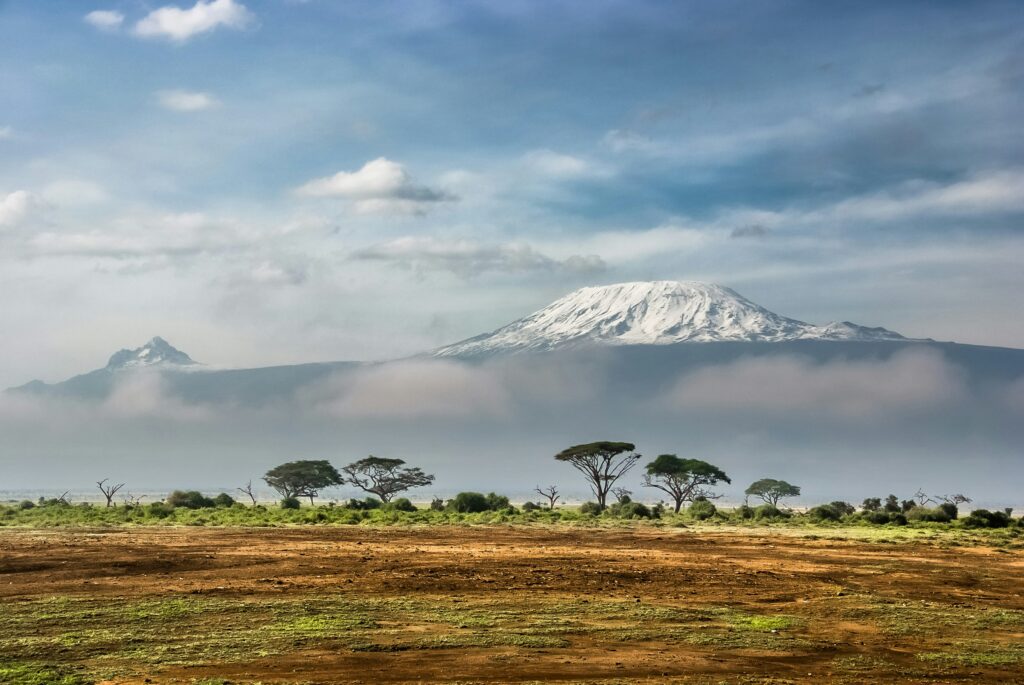
Mount Kilimanjaro National Park
Mount Kilimanjaro National Park stands among the most thrilling tourist destinations in Tanzania. The park is famous across the world because it protects Mount Kilimanjaro, the highest mountain in Africa and the tallest free-standing mountain on Earth. Every year, thousands of visitors travel to Tanzania to experience its breathtaking landscapes, unique wildlife, rich biodiversity, and unforgettable mountain adventures. The park offers much more than mountain climbing. It also provides beautiful forests, scenic trails, diverse vegetation zones, impressive waterfalls, and excellent wildlife viewing opportunities. This combination makes it one of Tanzania’s most rewarding destinations for nature lovers, photographers, hikers, adventure seekers, and wildlife enthusiasts.
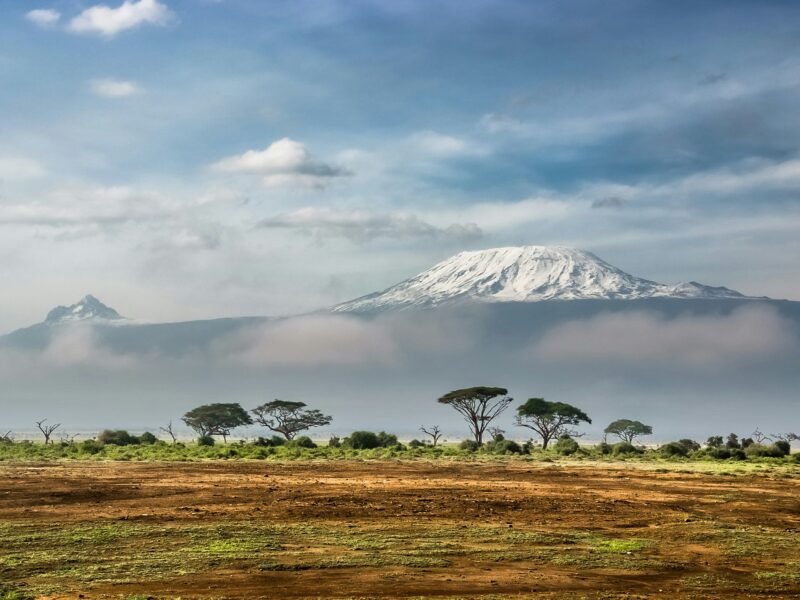
Established to protect the mountain and its surrounding ecosystems, Mount Kilimanjaro National Park covers approximately 1,688 square kilometers in northern Tanzania. The park became a UNESCO World Heritage Site because of its outstanding natural beauty and ecological importance. Its snow-capped summit rises to 5,895 meters above sea level, making it one of the world’s most recognized natural landmarks. The mountain dominates the surrounding plains and creates spectacular scenery that attracts visitors throughout the year. Every section of the park offers something unique. Visitors experience lush rainforests, alpine meadows, moorlands, volcanic landscapes, glaciers, and the famous Uhuru Peak.
The park welcomes visitors with peaceful surroundings and breathtaking scenery from the moment they arrive. The changing landscapes create unforgettable experiences throughout every journey. Tourists enjoy hiking through ancient forests filled with birds and monkeys before ascending into open alpine zones with sweeping panoramic views. Every trail reveals another side of the mountain’s beauty. Whether visitors plan to climb to the summit or simply explore the lower slopes, Mount Kilimanjaro National Park offers remarkable experiences that create lifelong memories. Adira Safaris Africa proudly recommends this incredible destination to every traveler seeking adventure, nature, and one of Africa’s greatest tourism experiences.
Location of Mount Kilimanjaro National Park
Mount Kilimanjaro National Park lies in the Kilimanjaro Region of northern Tanzania, close to the Kenyan border. The park sits approximately 80 kilometers east of Arusha and only a short drive from Kilimanjaro International Airport, making it one of the most accessible national parks in East Africa. Travelers can easily reach the park by road from Arusha, Moshi, or the international airport. Moshi Town serves as the main gateway for visitors preparing to climb the mountain or explore the park.
The park’s convenient location allows visitors to combine their Kilimanjaro adventure with safaris to Serengeti National Park, Ngorongoro Conservation Area, Tarangire National Park, Lake Manyara National Park, and Arusha National Park. This combination creates one of the most exciting safari circuits in Africa. Visitors can enjoy mountain climbing before experiencing Tanzania’s famous wildlife parks.
The surrounding region features fertile farmland where local communities grow bananas, coffee, maize, and vegetables. The fertile volcanic soils created by Mount Kilimanjaro support successful agriculture and contribute to the area’s scenic beauty. Visitors often enjoy cultural experiences in nearby villages before or after exploring the park. The impressive mountain remains visible from many parts of northern Tanzania, creating stunning views throughout the journey. Its location also provides pleasant weather for hiking and sightseeing during most months of the year.
Mount Kilimanjaro – The Roof of Africa
Mount Kilimanjaro forms the heart of the national park and remains the greatest attraction for visitors from every corner of the world. Rising to 5,895 meters above sea level, the mountain proudly holds the title of Africa’s highest peak. It also ranks as the tallest free-standing mountain on Earth because it rises independently from the surrounding plains instead of forming part of a mountain range.
The mountain consists of three volcanic cones known as Kibo, Mawenzi, and Shira. Kibo contains Uhuru Peak, the highest point and the ultimate goal for climbers. Mawenzi displays rugged volcanic formations that create dramatic scenery, while Shira forms an ancient volcanic plateau with beautiful landscapes and diverse vegetation.
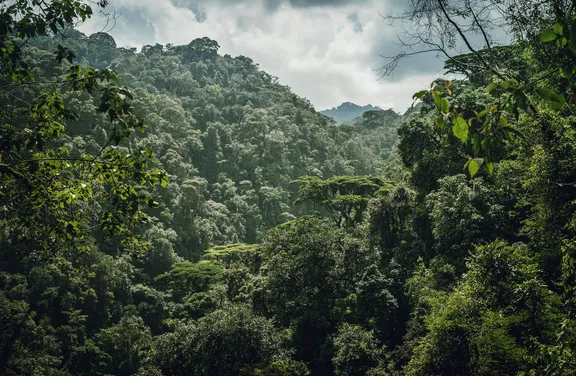
One remarkable feature of Mount Kilimanjaro is the gradual change in ecosystems as visitors climb higher. The journey begins in tropical rainforest before moving into heathland, moorland, alpine desert, and finally the icy summit zone. Each elevation introduces different plants, wildlife, temperatures, and landscapes. This remarkable ecological diversity makes every stage of the climb exciting and educational.
The mountain attracts both experienced climbers and first-time trekkers because it does not require technical climbing skills. With proper preparation, physical fitness, and determination, many visitors successfully reach Uhuru Peak. The rewarding sunrise from the summit remains one of the world’s most unforgettable travel experiences. Standing on the Roof of Africa creates a sense of achievement that stays with climbers for a lifetime.
Mountain Climbing Adventures
Mountain climbing remains the most popular activity in Mount Kilimanjaro National Park. Thousands of climbers visit every year to challenge themselves and experience one of the world’s greatest trekking adventures. Several established routes lead to the summit, each offering different scenery, durations, and levels of difficulty. Popular routes include Marangu, Machame, Lemosho, Rongai, Northern Circuit, Shira, and Umbwe.
Each route offers unique experiences through changing vegetation zones and spectacular landscapes. The Machame Route attracts many climbers because of its beautiful scenery and excellent acclimatization opportunities. The Marangu Route provides comfortable mountain huts instead of camping, making it popular among many visitors. The Lemosho Route offers quieter trails with outstanding panoramic views, while the Northern Circuit provides the longest and most scenic climbing experience.
Professional mountain guides accompany climbers throughout the journey. Experienced porters carry equipment and supplies, allowing visitors to focus on the climb. Safety remains a top priority, and guides carefully monitor climbers for signs of altitude sickness while encouraging proper acclimatization.
Every day on the mountain presents new challenges and unforgettable rewards. Climbers witness beautiful sunrises, spectacular cloud formations, giant groundsels, volcanic rocks, glaciers, and endless views across Tanzania and Kenya. Reaching Uhuru Peak at sunrise represents the highlight of the adventure and rewards every step of the challenging journey.
Wildlife in Mount Kilimanjaro National Park
Although Mount Kilimanjaro National Park is famous for mountain climbing, it also supports a rich variety of wildlife. The lower forest slopes provide important habitats for numerous mammals, birds, reptiles, and insects. These forests remain healthy because of continuous conservation efforts and favorable rainfall throughout the year.
Visitors frequently encounter blue monkeys, black-and-white colobus monkeys, olive baboons, bushbucks, duikers, and bush pigs while exploring the lower slopes. Elephants occasionally move through the forests, while buffaloes graze in suitable habitats around the park. Leopards also inhabit the mountain, although they rarely appear because they prefer dense forest cover and mostly hunt at night.
The forests contain countless smaller animals that contribute to the park’s biodiversity. Colorful butterflies fly among flowering plants while reptiles and amphibians thrive in the moist forest environment. Every guided nature walk introduces visitors to fascinating wildlife that often goes unnoticed during mountain climbs.
Wildlife viewing differs from traditional safari parks because the animals inhabit dense forests instead of open plains. This creates exciting opportunities for visitors who enjoy observing wildlife in natural woodland environments. The peaceful atmosphere allows guests to appreciate both the wildlife and the remarkable beauty of the surrounding mountain landscapes.
Bird Watching in Mount Kilimanjaro National Park
Mount Kilimanjaro National Park ranks among Tanzania’s finest bird-watching destinations. The mountain’s diverse ecosystems support more than 180 bird species throughout the year. The rich forests, open moorlands, alpine vegetation, and river valleys create ideal habitats for both resident and migratory birds.
Bird watchers enjoy spotting colorful species such as Hartlaub’s turaco, silvery-cheeked hornbill, African crowned eagle, augur buzzard, white-necked raven, sunbirds, barbets, woodpeckers, bee-eaters, and numerous weaver birds. The forests also shelter many forest-specialist birds that thrive in the cool mountain climate.
Early morning provides the best bird-watching opportunities because birds become most active after sunrise. Guided birding tours help visitors identify species through their calls, colors, and behaviors. Every elevation introduces different bird communities, making bird watching exciting throughout the mountain.
Photography enthusiasts also enjoy capturing beautiful images of colorful birds against spectacular mountain backdrops. Whether visitors are experienced birders or casual nature lovers, the park offers rewarding opportunities to appreciate Tanzania’s remarkable avian diversity.
Scenic Beauty and Natural Landscapes
The breathtaking scenery of Mount Kilimanjaro National Park makes every visit unforgettable. Few destinations in Africa display such remarkable changes in landscape within one protected area. Visitors travel through dense rainforest, giant heather forests, open moorlands, rocky alpine deserts, glaciers, and snow-covered peaks during one journey.
Crystal-clear streams flow down the mountain and create beautiful waterfalls hidden within the forests. Ancient volcanic rocks, lava formations, and dramatic cliffs reveal the mountain’s volcanic history. Giant lobelias and giant groundsels dominate the higher elevations, creating landscapes unlike anywhere else in Africa.
Sunrise and sunset transform the mountain with golden light that highlights every ridge and valley. On clear mornings, visitors enjoy spectacular views across northern Tanzania and neighboring Kenya. The famous snow-covered summit contrasts beautifully against the surrounding plains, creating one of the world’s most recognizable landscapes.
Every season offers unique beauty. During the rainy months, forests become lush and green while waterfalls flow strongly. During the dry season, clear skies provide outstanding visibility for photography and mountain climbing. The constantly changing scenery ensures that every visitor enjoys unforgettable moments throughout the park.
Best Time to Visit Mount Kilimanjaro National Park
Mount Kilimanjaro National Park welcomes visitors throughout the year. However, some months provide better conditions for climbing, hiking, wildlife viewing, and photography. The dry seasons from January to March and June to October offer the most favorable weather for mountain climbing. These months bring clearer skies, lower rainfall, and better trail conditions.
January to March offers relatively warm temperatures and fewer climbers compared to later months. June through October attracts the highest number of visitors because of excellent weather and spectacular summit views. These periods also create ideal conditions for photography.
The rainy seasons occur from March to May and again during November. Although climbing remains possible, wet trails and cloudy conditions make the journey more challenging. However, these months transform the mountain into a lush green paradise with flowing waterfalls, blooming flowers, and vibrant forests. Bird watchers especially enjoy these seasons because many migratory species arrive.
Visitors should select their travel dates according to their interests. Climbers often prefer the dry months, while photographers, bird enthusiasts, and nature lovers appreciate the beauty of the greener seasons. Regardless of the season, Mount Kilimanjaro National Park continues to deliver unforgettable experiences.
Why Visit Mount Kilimanjaro National Park?
Mount Kilimanjaro National Park offers one of Africa’s most complete adventure experiences. Visitors come to conquer Africa’s highest mountain, explore diverse ecosystems, observe unique wildlife, photograph spectacular landscapes, and enjoy peaceful natural surroundings. The park combines physical adventure with remarkable natural beauty, making it suitable for solo travelers, couples, families, and organized groups.
Every journey creates opportunities to experience changing climates, fascinating plants, colorful birds, and breathtaking scenery. Professional guides ensure safe and memorable adventures while sharing valuable knowledge about the mountain’s history, geology, wildlife, and ecosystems.
The park also serves as an excellent starting point for exploring northern Tanzania’s famous safari destinations. Travelers can combine mountain climbing with wildlife safaris, cultural tours, and beach holidays to create the ultimate Tanzanian adventure.
Conclusion
Mount Kilimanjaro National Park remains one of Tanzania’s most thrilling tourist destinations and one of Africa’s greatest natural wonders. Its towering peak, diverse landscapes, rich wildlife, beautiful forests, and unforgettable climbing experiences attract visitors from around the globe. Every trail reveals new scenery, every elevation introduces unique ecosystems, and every visit creates lifelong memories.
Whether your dream involves reaching the summit of Africa, exploring ancient rainforests, observing wildlife, photographing breathtaking landscapes, or simply experiencing the beauty of Tanzania, Mount Kilimanjaro National Park offers everything needed for an unforgettable adventure. With its excellent accessibility, outstanding conservation efforts, and world-famous mountain, the park continues to inspire travelers from every continent.
Adira Safaris Africa proudly recommends Mount Kilimanjaro National Park as a must-visit destination for anyone seeking extraordinary mountain adventures, breathtaking scenery, and one of the finest travel experiences in Tanzania.