Serengeti National Park
July 14, 2026
Tarangire National Park
July 14, 2026
Ngorongoro Conservation Area
Ngorongoro Conservation Area is one of the most spectacular tourist destinations in Tanzania and among the most remarkable wildlife conservation areas in the world. Located in northern Tanzania, the conservation area lies between Serengeti National Park and Lake Manyara National Park. It forms part of Tanzania’s famous northern safari circuit, making it a must-visit destination for travellers exploring East Africa. The area is internationally recognised for its breathtaking scenery, rich wildlife, unique cultural heritage, and the world-famous Ngorongoro Crater.
Established in 1959, the Ngorongoro Conservation Area covers approximately 8,292 square kilometres. Unlike many protected areas, it follows a unique conservation model where wildlife and local communities coexist peacefully. The Maasai people continue to live within the conservation area while maintaining their traditional pastoral lifestyle. This balance between wildlife conservation and human culture makes Ngorongoro one of the few places in Africa where visitors can experience both nature and indigenous traditions in one destination.
The Ngorongoro Conservation Area is a UNESCO World Heritage Site because of its exceptional natural beauty, geological importance, and archaeological significance. The area contains volcanic highlands, vast grasslands, forests, lakes, wetlands, and the magnificent Ngorongoro Crater. These diverse habitats support thousands of wild animals throughout the year. Visitors enjoy outstanding game viewing, breathtaking landscapes, bird watching, photography, and cultural experiences.
Whether you are planning your first safari or returning for another African adventure, Ngorongoro Conservation Area offers unforgettable experiences. Every journey reveals incredible wildlife, dramatic scenery, and fascinating cultural encounters. These qualities make the conservation area one of Tanzania’s greatest tourism treasures.
The Magnificent Ngorongoro Crater
The Ngorongoro Crater is the centrepiece of the conservation area and one of the world’s largest intact volcanic calderas. Scientists believe the crater formed more than two million years ago when a giant volcano erupted and collapsed inward. Today, the crater measures about 19 kilometres across and covers more than 260 square kilometres. Its steep walls rise approximately 600 metres above the crater floor, creating a natural enclosure that supports an extraordinary concentration of wildlife.
The crater floor contains open grasslands, freshwater springs, swamps, forests, and Lake Magadi, a shallow alkaline lake that attracts thousands of flamingos during certain seasons. This variety of habitats allows many different animal species to thrive within a relatively small area. Unlike many other safari destinations, visitors can often see a wide range of wildlife during a single game drive inside the crater.
The crater’s enclosed environment provides excellent opportunities to observe animals throughout the year. Predators and herbivores live within the crater in large numbers because water and food remain available during most seasons. The stunning scenery also creates unforgettable photographic opportunities. Visitors enjoy panoramic views from the crater rim before descending to the crater floor for exciting wildlife encounters.
Many travellers consider the Ngorongoro Crater one of Africa’s most beautiful natural wonders. Its combination of geological history, wildlife abundance, and dramatic landscapes creates a safari experience unlike any other in the world.
Wildlife in Ngorongoro Conservation Area
Ngorongoro Conservation Area is one of Africa’s richest wildlife habitats. The conservation area supports over 25,000 large animals, making it one of the best places in Tanzania for wildlife viewing. The fertile volcanic soils produce abundant grass that feeds large populations of herbivores throughout the year. These grazing animals, in turn, support healthy populations of predators.
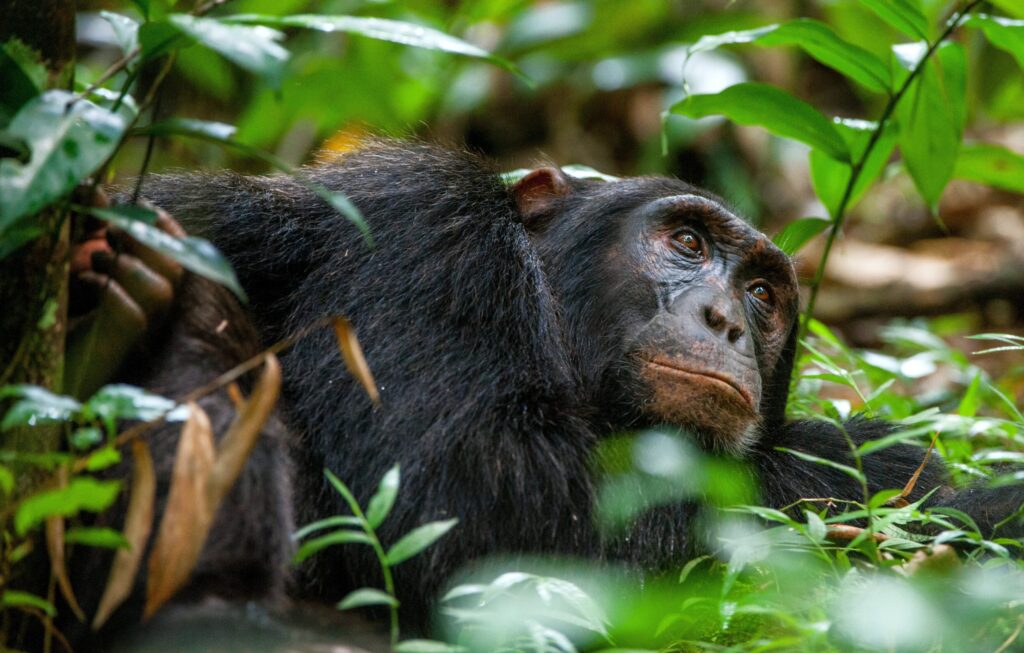
The conservation area is one of the best places in Africa to see the Big Five. Visitors have excellent chances of spotting lions, elephants, buffaloes, leopards, and the endangered black rhino. The black rhino remains one of the rarest animals in Africa, and Ngorongoro offers one of the highest chances of seeing this magnificent species in its natural habitat. Lions are commonly seen resting on the grasslands or hunting prey across the crater floor. Large elephant bulls roam the forests, while buffaloes graze peacefully across the plains. Leopards remain more elusive but can sometimes be seen in wooded areas along the crater walls.
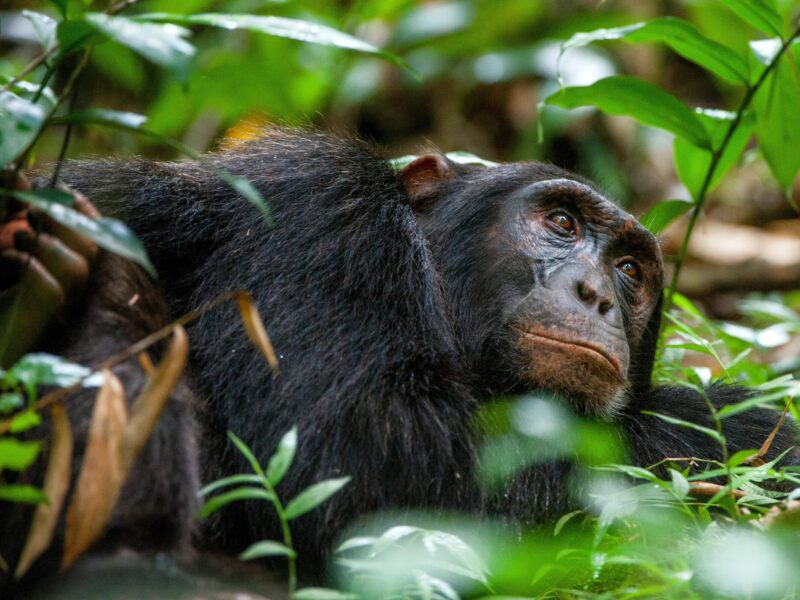
Besides the Big Five, visitors regularly encounter zebras, wildebeests, gazelles, elands, hartebeests, warthogs, hippos, hyenas, jackals, cheetahs, serval cats, and many other mammals. The Lerai Forest supports monkeys and elephants, while the wetlands attract hippos and numerous bird species.
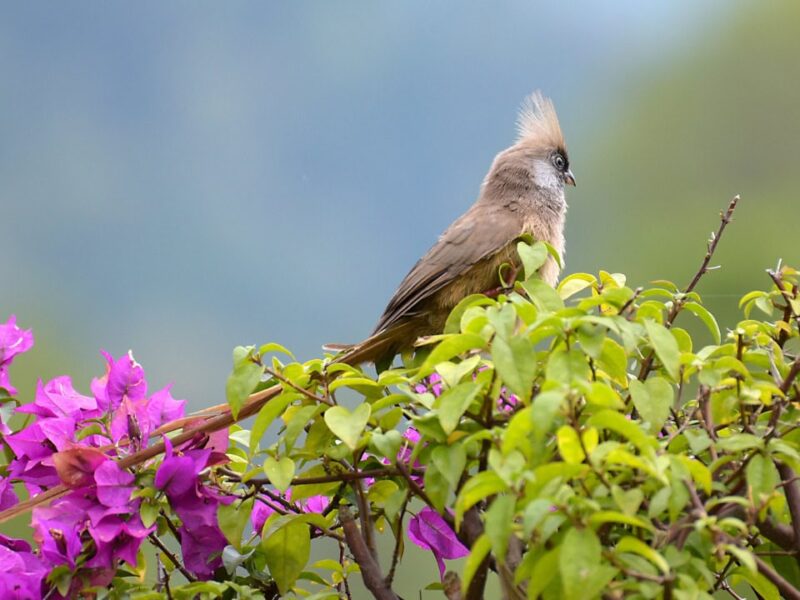
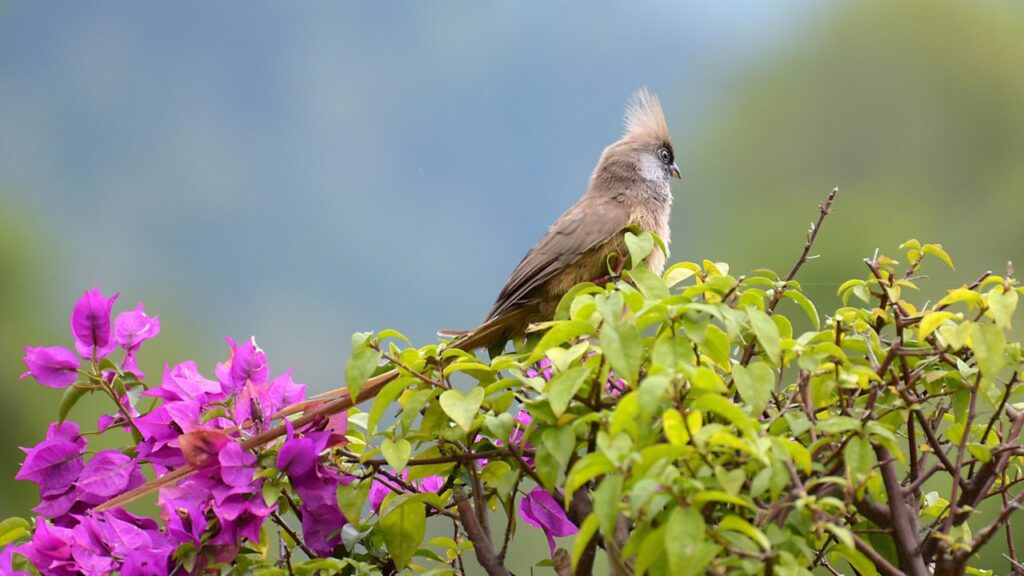
Bird lovers also enjoy exceptional bird watching within the conservation area. More than 500 bird species have been recorded here. Flamingos gather on Lake Magadi, while crowned cranes, secretary birds, ostriches, eagles, hornbills, storks, and many colourful songbirds thrive across different habitats. Every safari drive presents new opportunities to observe wildlife in one of Africa’s richest ecosystems.
Cultural Heritage of the Maasai People
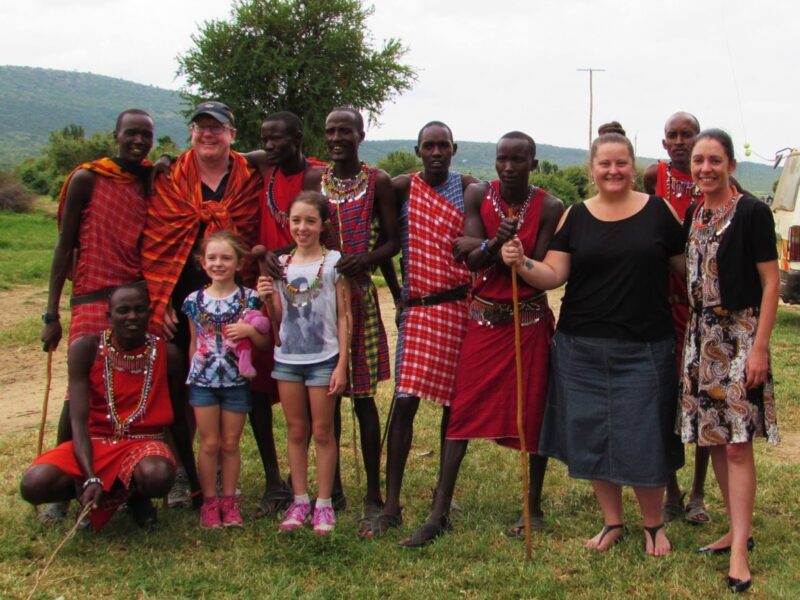
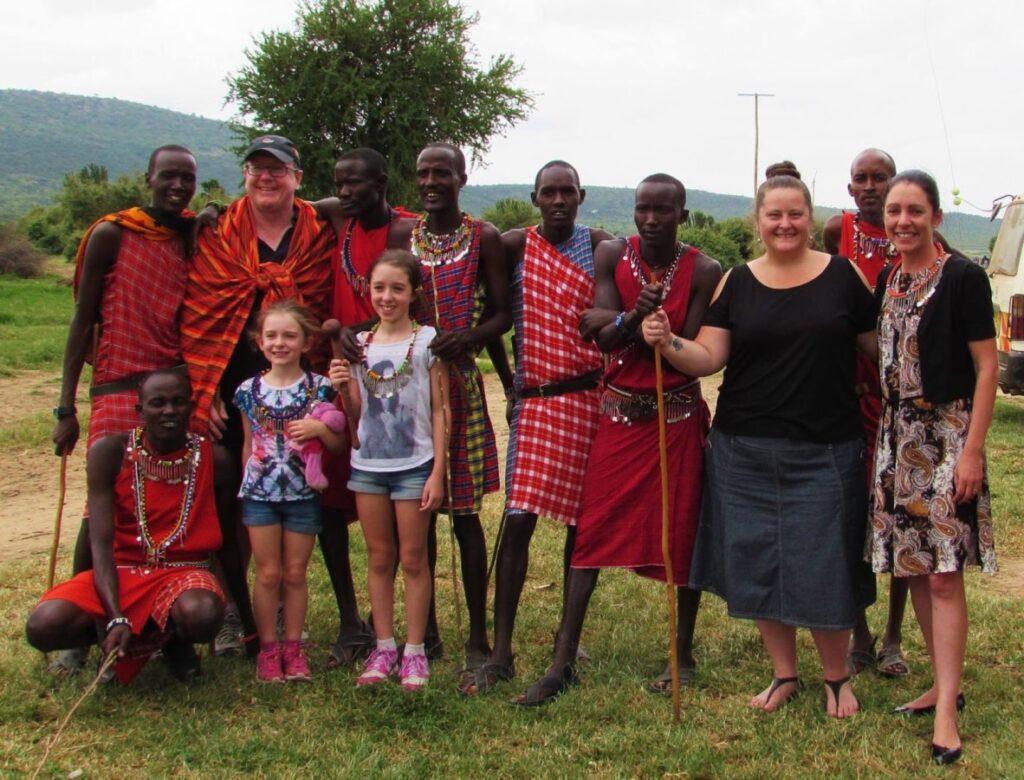
One of the unique features of the Ngorongoro Conservation Area is the presence of the Maasai people. Unlike many national parks where permanent settlement is prohibited, the Maasai continue to live within the conservation area while practising traditional livestock grazing. Their colourful culture adds a special dimension to every safari experience.
The Maasai have lived in this region for generations. They maintain a deep connection with nature and have developed sustainable ways of sharing the land with wildlife. Their traditional lifestyle revolves around cattle, which play an important role in their economy, culture, and daily life. Visitors often have the opportunity to visit authentic Maasai villages, commonly known as bomas, where they learn about local customs, traditional homes, ceremonies, music, and dance.
During cultural visits, guests interact with Maasai community members and gain valuable insights into their way of life. Skilled artisans display beautiful handmade jewellery, colourful beadwork, clothing, and traditional crafts. Visitors can purchase these items as souvenirs while supporting local communities.
The coexistence between the Maasai and wildlife demonstrates how conservation and traditional lifestyles can exist together. This remarkable relationship has become one of the defining characteristics of the Ngorongoro Conservation Area. Cultural experiences complement wildlife safaris and provide travellers with a deeper understanding of Tanzania’s rich heritage.
Landscapes and Natural Attractions
The Ngorongoro Conservation Area offers some of the most diverse and beautiful landscapes in East Africa. The region features volcanic mountains, rolling highlands, vast grasslands, dense forests, freshwater springs, crater lakes, and open plains. Each habitat supports different wildlife species and creates stunning scenery throughout the year.
Beyond the famous Ngorongoro Crater, the conservation area includes several other volcanic craters and natural attractions. Empakaai Crater features a beautiful crater lake surrounded by lush forests and steep cliffs. Visitors enjoy guided hiking excursions to admire its scenic beauty and observe flamingos that gather on the lake. Olmoti Crater offers peaceful walking safaris and rewarding views of waterfalls and open grasslands.
The conservation area also contains extensive highland forests that provide habitats for elephants, leopards, monkeys, and numerous bird species. Open plains support large grazing animals, while seasonal wetlands attract water birds and hippos. Every section of the conservation area offers unique landscapes that enhance the overall safari experience.
Sunrise and sunset create spectacular views across the crater rim and surrounding highlands. The changing colours of the sky reflect beautifully on the grasslands and forests, making Ngorongoro a paradise for photographers. These breathtaking landscapes contribute to the conservation area’s reputation as one of Africa’s most beautiful safari destinations.
Safari Activities in Ngorongoro Conservation Area
Ngorongoro Conservation Area offers a wide range of safari activities that allow visitors to explore its incredible wildlife and landscapes. Game drives remain the most popular activity. Professional safari guides lead visitors across the crater floor in search of the Big Five and many other fascinating animals. Morning game drives often provide the best wildlife sightings because animals remain active during the cooler hours.
Photography safaris attract wildlife photographers from around the world. The dramatic crater scenery, abundant wildlife, colourful birdlife, and beautiful lighting conditions provide endless opportunities for spectacular photographs. Every season offers different photographic experiences.
Bird watching is another rewarding activity. The conservation area supports hundreds of resident and migratory bird species that inhabit forests, lakes, wetlands, and grasslands. Visitors enjoy identifying colourful species while exploring different habitats.
Guided cultural tours to Maasai villages provide meaningful opportunities to learn about traditional lifestyles and local conservation efforts. Hiking excursions around Empakaai and Olmoti Craters offer adventurous travellers a chance to explore the highlands on foot while enjoying panoramic views and fresh mountain air.
Nature lovers also appreciate scenic drives along the crater rim, where numerous viewpoints overlook the magnificent crater below. Every activity combines education, adventure, and unforgettable memories, making Ngorongoro one of Tanzania’s most rewarding safari destinations.
Best Time to Visit Ngorongoro Conservation Area
Ngorongoro Conservation Area remains an excellent safari destination throughout the year because wildlife stays within the conservation area in every season. Unlike some safari destinations where animals migrate over long distances, many species remain inside the Ngorongoro Crater year-round.
The dry season, from June to October, offers outstanding wildlife viewing. Shorter grass makes animals easier to spot, and pleasant weather creates ideal conditions for game drives and photography. This period attracts many visitors because wildlife gathers around permanent water sources.
The green season, from November to May, transforms the landscape into a lush paradise. Fresh vegetation covers the plains, creating beautiful scenery and excellent photography opportunities. Bird watching becomes exceptional as migratory birds arrive from different parts of the world. The rainy months also bring fewer visitors, allowing travellers to enjoy quieter safari experiences.
Temperatures remain comfortable throughout the year because the conservation area lies at a relatively high altitude. Visitors should carry warm clothing for early morning game drives since temperatures on the crater rim can be cool. Regardless of the season, Ngorongoro offers remarkable wildlife encounters and breathtaking scenery.
Accommodation in Ngorongoro Conservation Area
Ngorongoro Conservation Area provides accommodation options for every type of traveller. Luxury safari lodges along the crater rim offer elegant rooms, exceptional service, fine dining, and spectacular views overlooking the crater. Many guests enjoy watching sunrise over the crater directly from their balconies.
Mid-range lodges provide comfortable accommodation with modern facilities at affordable prices. These lodges often include restaurants, lounges, fireplaces, and guided safari services. Families, couples, and small groups appreciate the balance between comfort and value.
Budget camps and tented camps offer affordable accommodation for adventurous travellers seeking a closer connection with nature. Many camps provide comfortable tents with private facilities while maintaining an authentic safari atmosphere. Visitors enjoy peaceful evenings surrounded by the sounds of African wildlife.
Most accommodation providers organise guided game drives, cultural tours, hiking excursions, airport transfers, and safari packages that combine Ngorongoro with Serengeti National Park, Lake Manyara National Park, and Tarangire National Park. Visitors can choose accommodation based on their budget, travel style, and preferred safari itinerary.
Why Visit Ngorongoro Conservation Area?
Ngorongoro Conservation Area stands among Africa’s finest safari destinations because it combines world-class wildlife viewing, breathtaking landscapes, rich cultural heritage, and fascinating geological history in one remarkable location. The famous Ngorongoro Crater offers one of the highest concentrations of wildlife in Africa, providing exceptional opportunities to see the Big Five and many other species during a single game drive.
Visitors also enjoy meeting the Maasai people, exploring beautiful volcanic landscapes, photographing incredible wildlife, and discovering one of the world’s most unique conservation models. Every safari offers new adventures and unforgettable memories.
Whether you are a first-time safari traveller, wildlife photographer, bird watcher, honeymoon couple, family, or nature enthusiast, Ngorongoro Conservation Area promises an extraordinary African experience. Its unmatched beauty, abundant wildlife, and rich cultural traditions continue to inspire visitors from around the globe.
Plan your unforgettable Tanzania safari with Adira Safaris Africa and discover why the Ngorongoro Conservation Area remains one of the greatest natural treasures in Africa.